
7 Mudroom Organization Ideas That Actually Make Sense
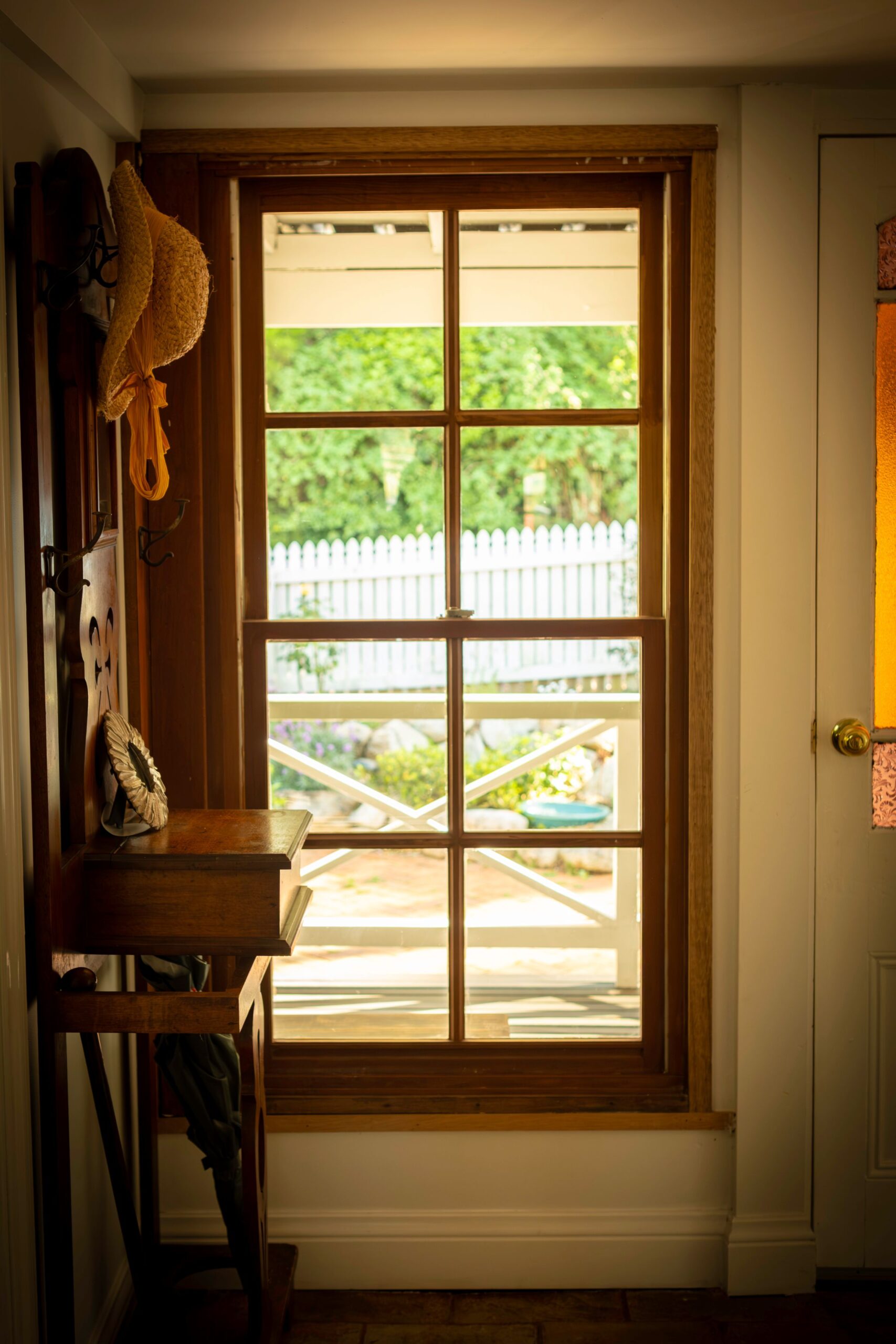
The mudroom is the hardest-working square footage in the house and usually the most neglected — a pile of shoes by the door, coats on the nearest chair, and nowhere for the stuff that doesn’t have a home yet. None of these fixes need a renovation. Here are seven ways to make the entry actually function.
1. Start With a Bench You Can Sit On
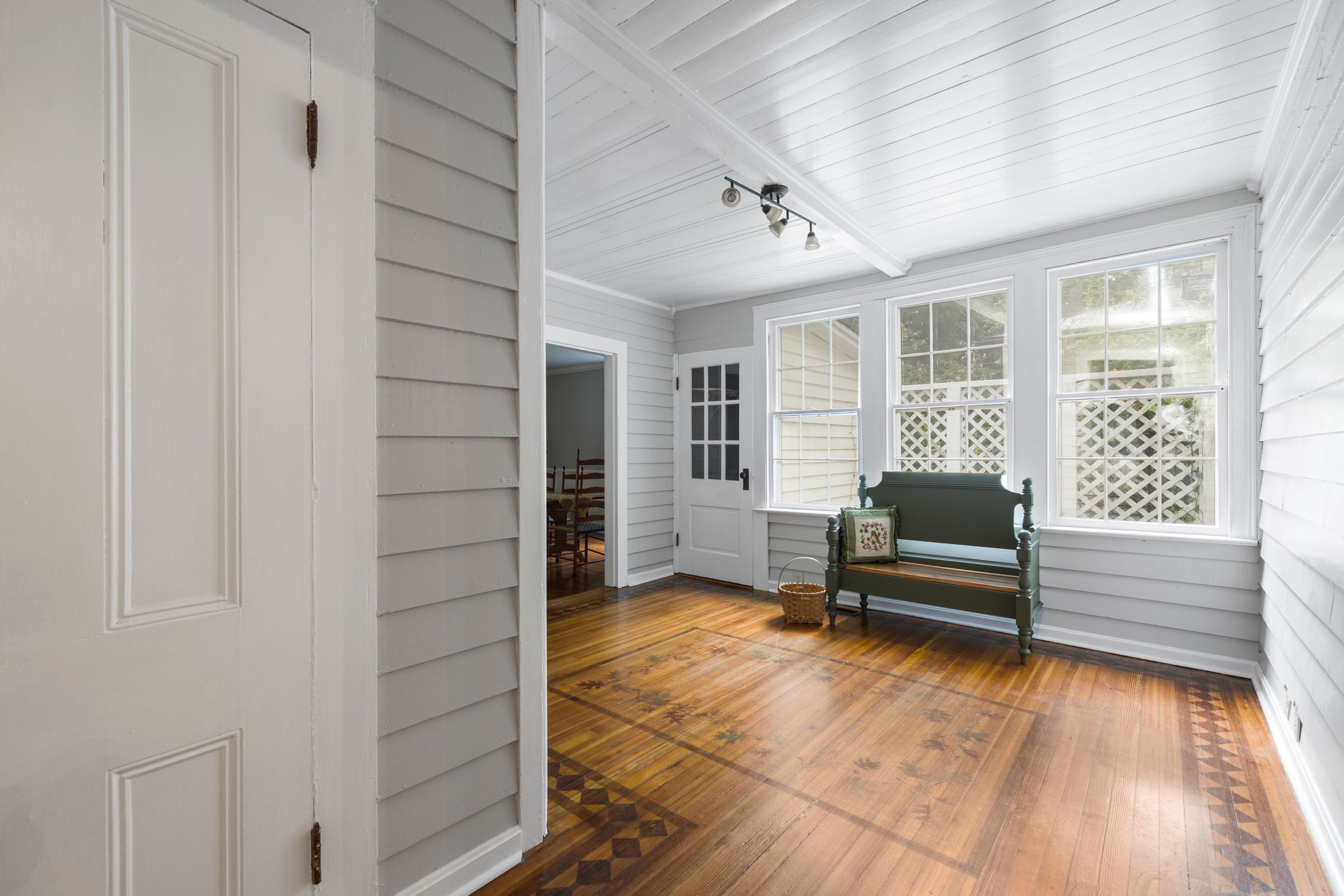
Everything about a mudroom is easier when there’s somewhere to sit down and put shoes on. A simple bench — even a narrow one — does more for the flow of an entryway than any amount of shelving. Put it directly across from the door so it’s the first thing people land on, not an afterthought against a side wall.
2. Give Every Coat Its Own Hook
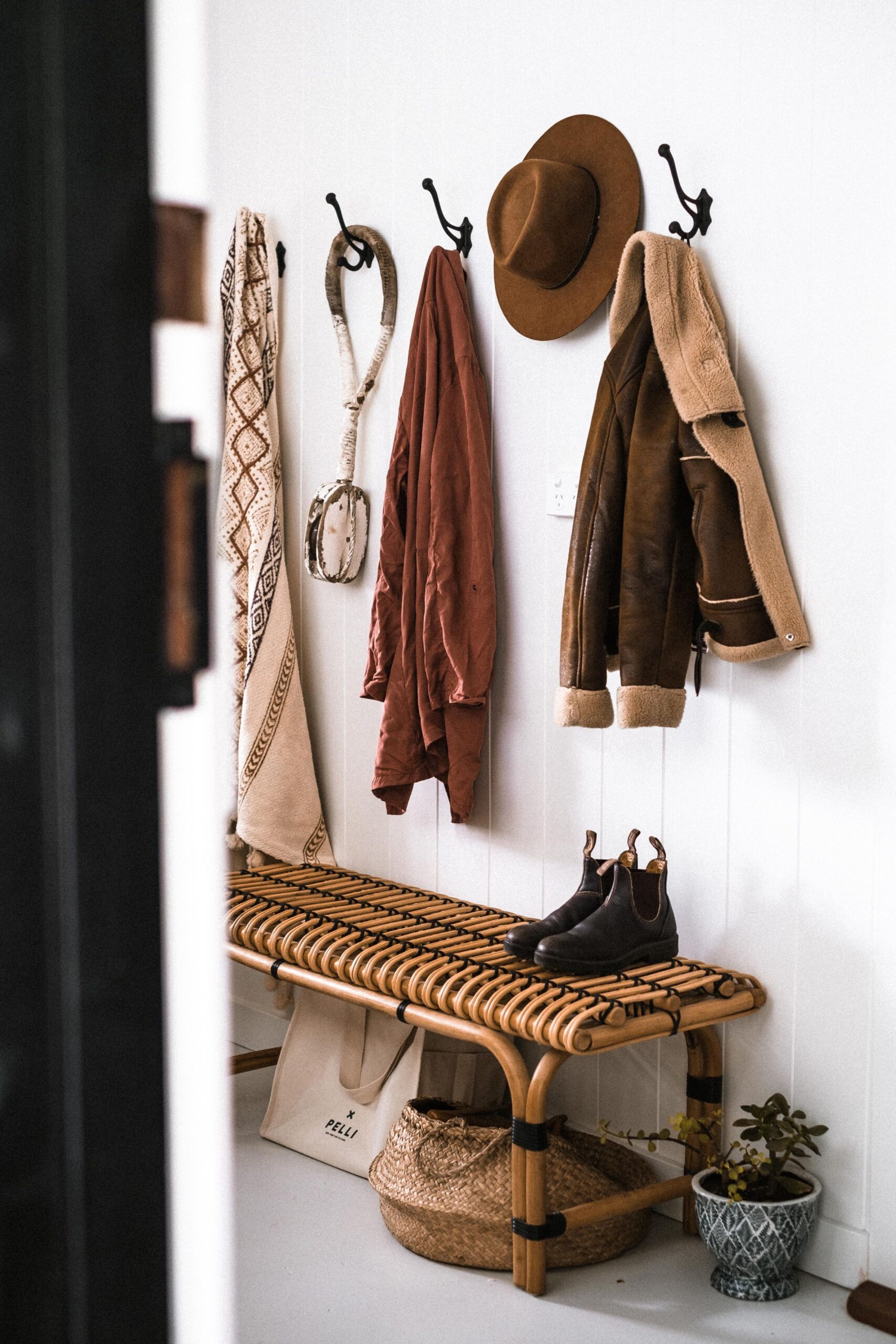
One shared hook turns into one overloaded hook by Tuesday. The fix is boring but it works: one hook per household member, hung at a height they can actually reach, spaced far enough apart that jackets don’t tangle. Label them if you have to — a hook that’s “mine” gets used, a shared one gets ignored.
3. Add a Second Row of Hooks Lower Down
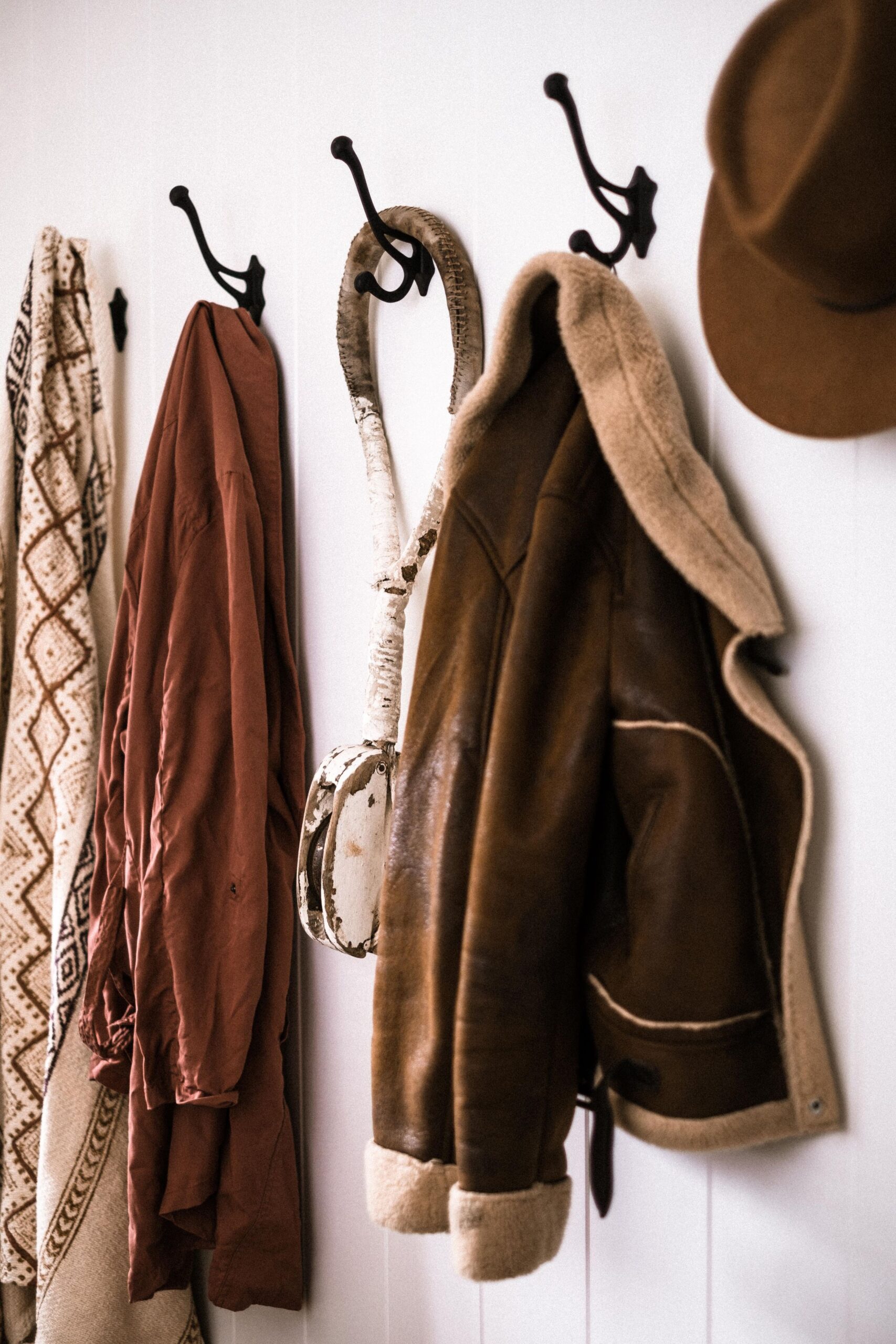
A second, lower row of hooks solves two problems at once — kids can reach their own coats, and bags, umbrellas, and dog leashes get somewhere to live that isn’t the floor. Keep the lower row a little shorter than the top one so nothing overlaps, and it reads as an intentional two-tier system instead of clutter.
4. Corral Shoes in an Actual Rack, Not a Pile
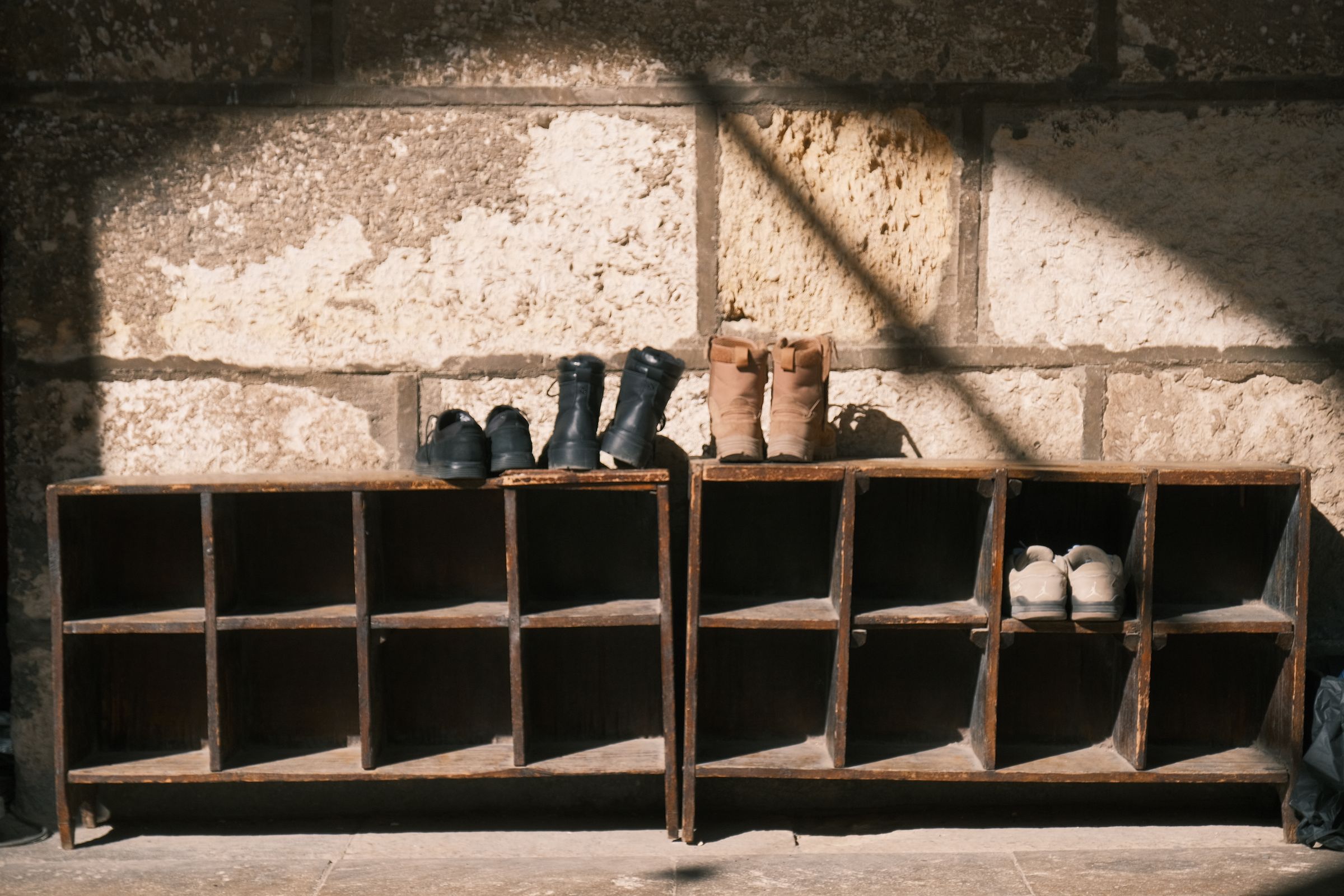
A shoe pile at the door grows every single day until it takes over the entryway. A slim shoe rack — even a basic tiered one — draws a hard line around how much floor space shoes are allowed to take. Angled slots work best for household traffic since they let shoes dry out instead of sitting flat and damp.
5. Pair the Coat Rack With Closed Storage
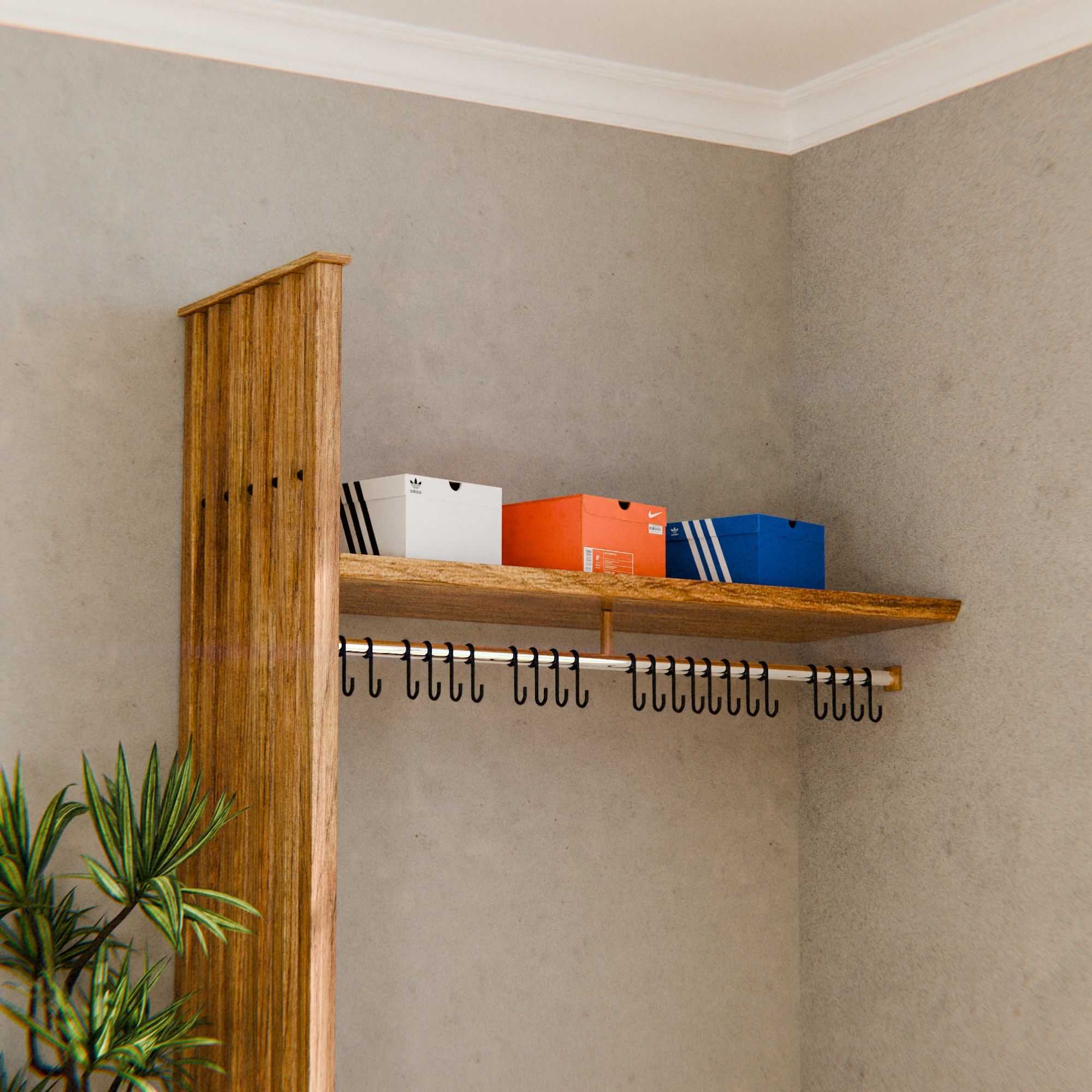
Open hooks for daily coats, closed storage for everything else — off-season jackets, spare umbrellas, the bag of mismatched gloves. A coat rack with a bench or box built underneath keeps the visible clutter down to just what’s in rotation, while the rest stays out of sight but still by the door.
6. Use a Slim Cabinet for the Overflow
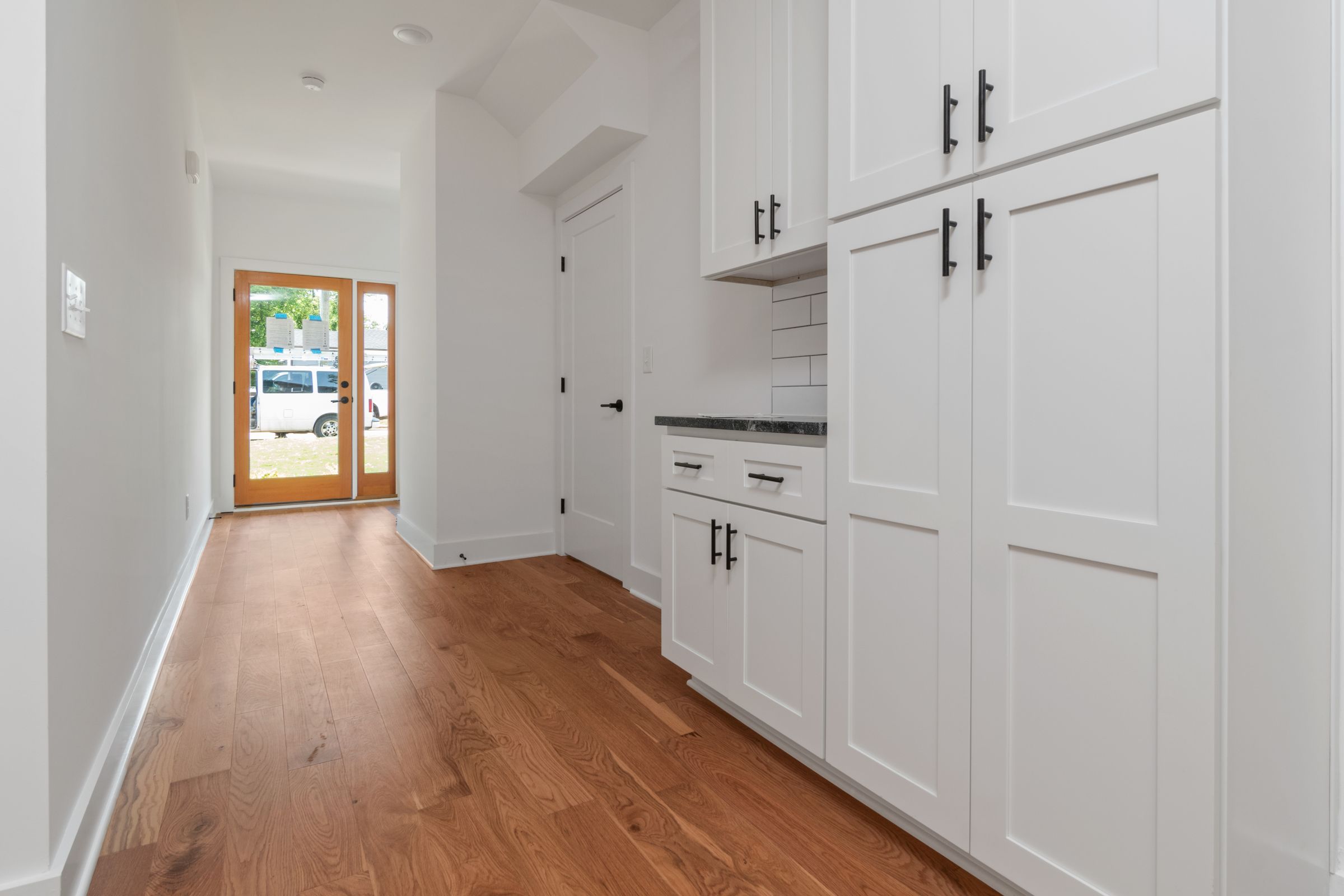
Every mudroom accumulates a category of stuff that doesn’t fit anywhere else — sunscreen, dog leashes, spare masks, reusable bags. A single slim cabinet gives all of it one home instead of letting it spread across every flat surface near the door. Keep it shallow; a deep cabinet just becomes a place things get lost.
7. Add a Shelf for the Things You Grab on the Way Out
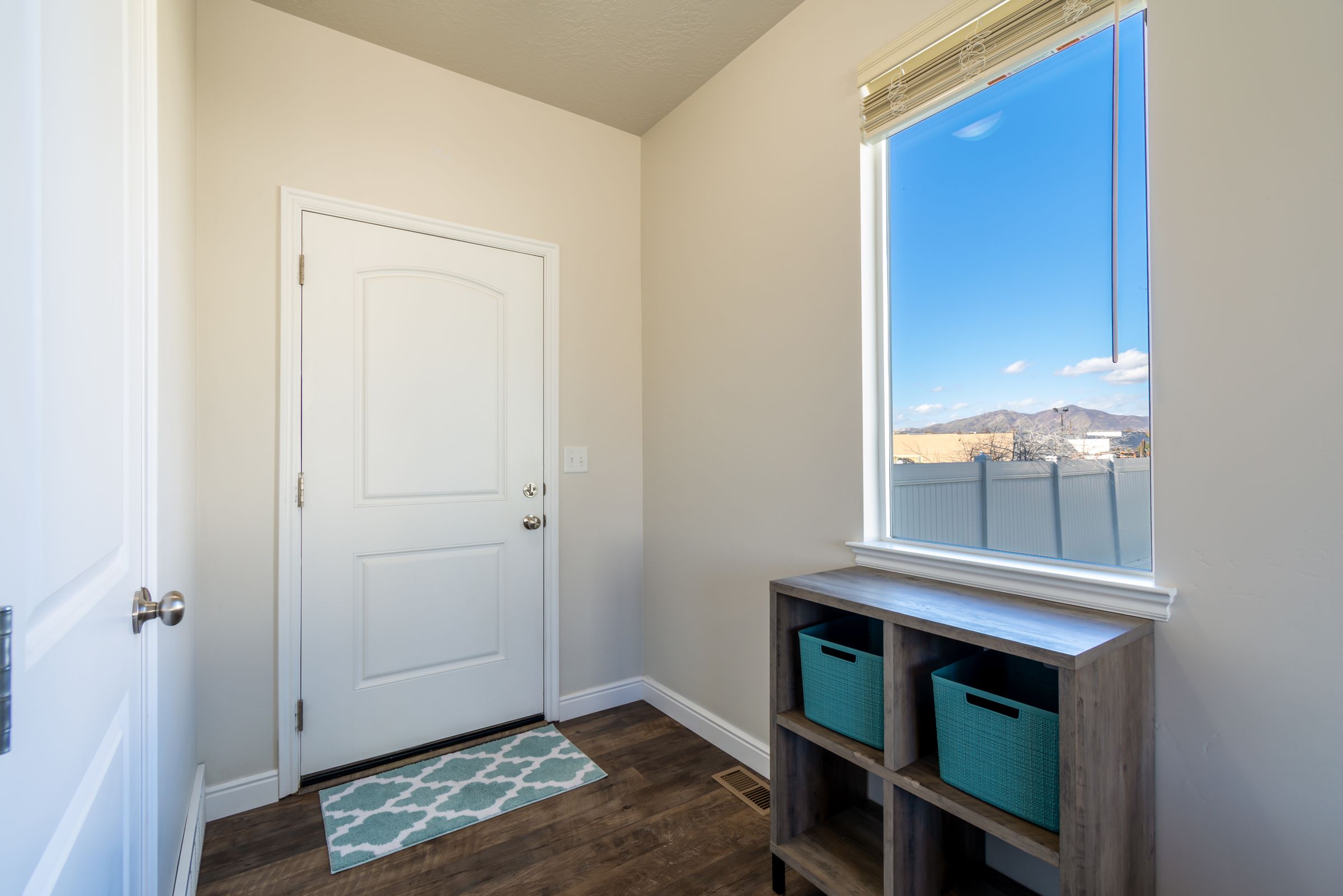
Keys, sunglasses, the mail you keep meaning to open — a single shelf at eye level near the door catches all of it before it ends up scattered across the kitchen counter instead. A floating shelf takes up zero floor space and works even in the narrowest entryways.
Common Mistakes to Avoid
- One hook for the whole household. It always overloads — give each person their own.
- No landing spot for shoes. Without a rack or tray, they end up in a pile that keeps growing.
- Storing off-season items in the open. Keep daily-use items visible and everything else behind a door.
- Skipping the bench. A place to sit changes how the whole space gets used, not just how it looks.
FAQ
What if I don’t have a dedicated mudroom?
A stretch of wall by the front or back door is enough — a bench, a few hooks, and a shoe rack work in a hallway just as well as a purpose-built room.
What’s the cheapest place to start?
Hooks. A row of individually assigned hooks solves the single biggest source of entryway clutter for the least money.
Should shoes go in a closed cabinet or an open rack?
Open and angled is better for daily-use shoes — they need airflow to dry out. Save closed storage for shoes that aren’t in regular rotation.
Final Thoughts
A mudroom doesn’t need built-ins or a full renovation to work — it needs a place to sit, enough hooks that nobody has to share, and a hard boundary around where shoes are allowed to pile up. Start with the bench and the hooks; the rest can be added as you go.