
7 Pantry Organization Ideas That Actually Stay Organized
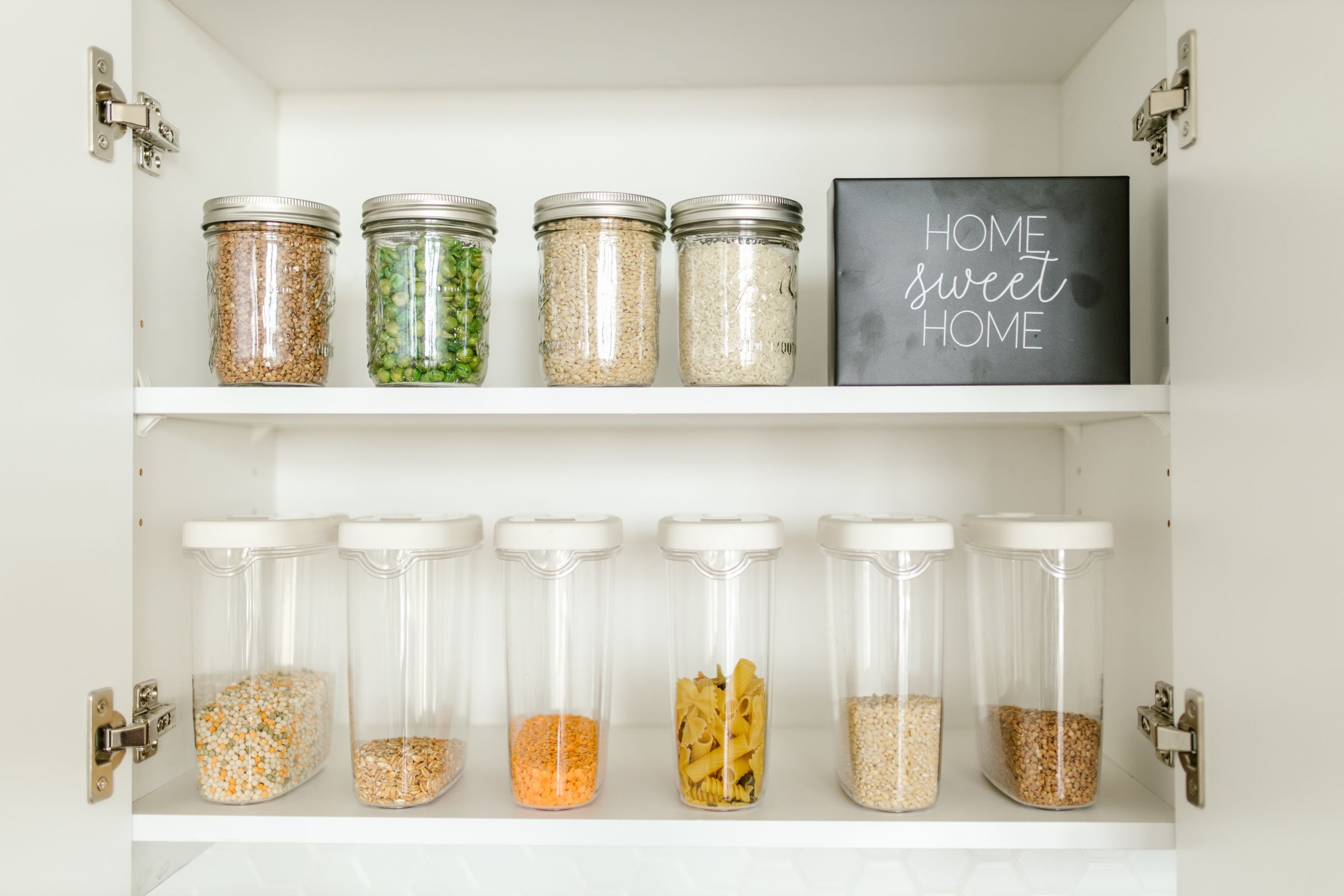
A pantry stays organized for about two weeks after you clean it out, then slides right back to a mess of half-open boxes and mismatched bags. The fix isn’t a bigger pantry — it’s a handful of systems that keep resetting themselves instead of relying on you to keep tidying. Here are seven that actually hold up.
1. Decant Dry Goods Into Matching Jars
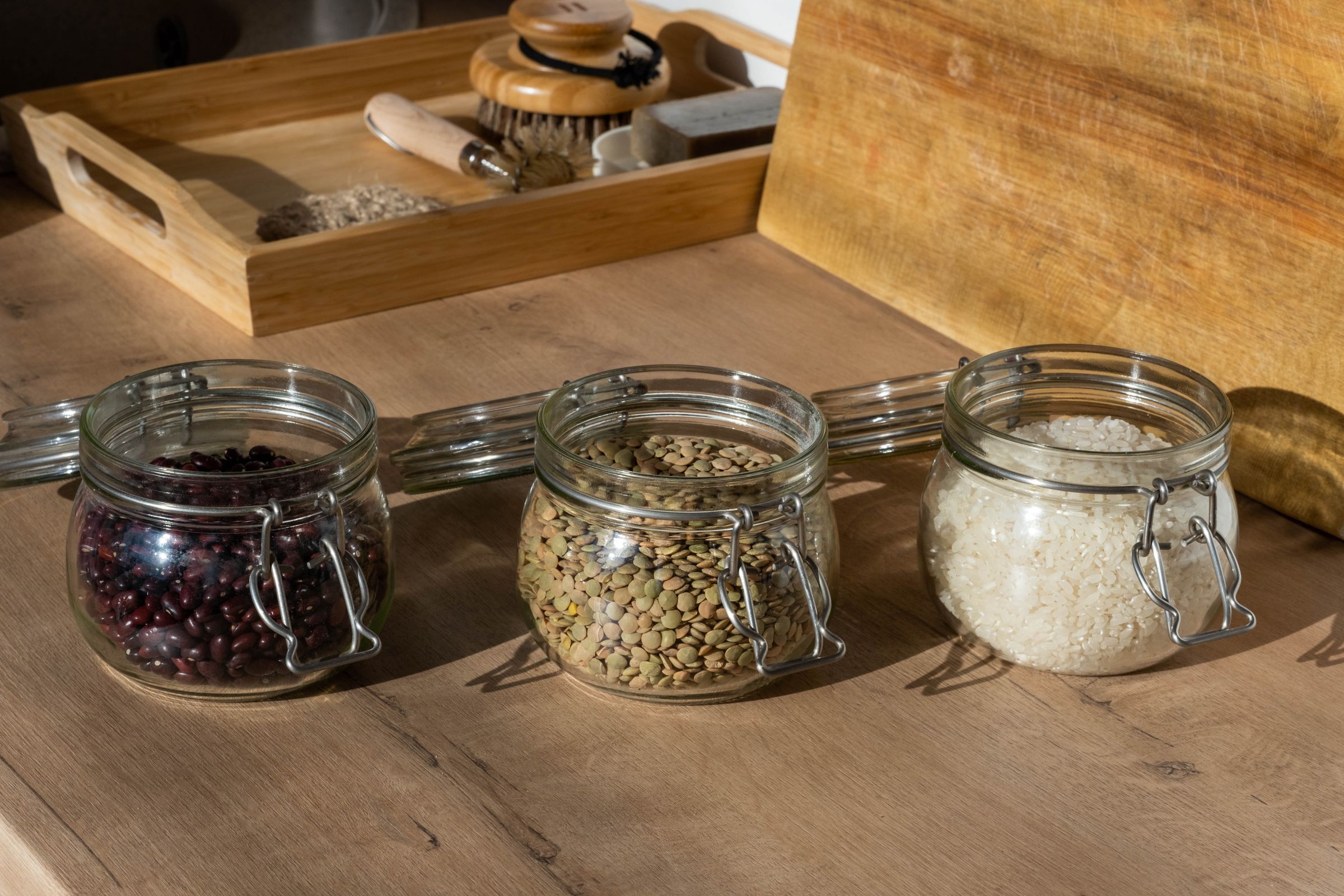
Cardboard boxes and bags are the biggest reason pantries look chaotic — they’re all different sizes, they don’t stack, and half of them are already torn open. Decanting flour, rice, pasta, and cereal into matching clear jars does more for the “put together” look than any shelf rearrange. It also makes it obvious at a glance when something’s running low.
2. Group by Category, Not by Whatever Fits
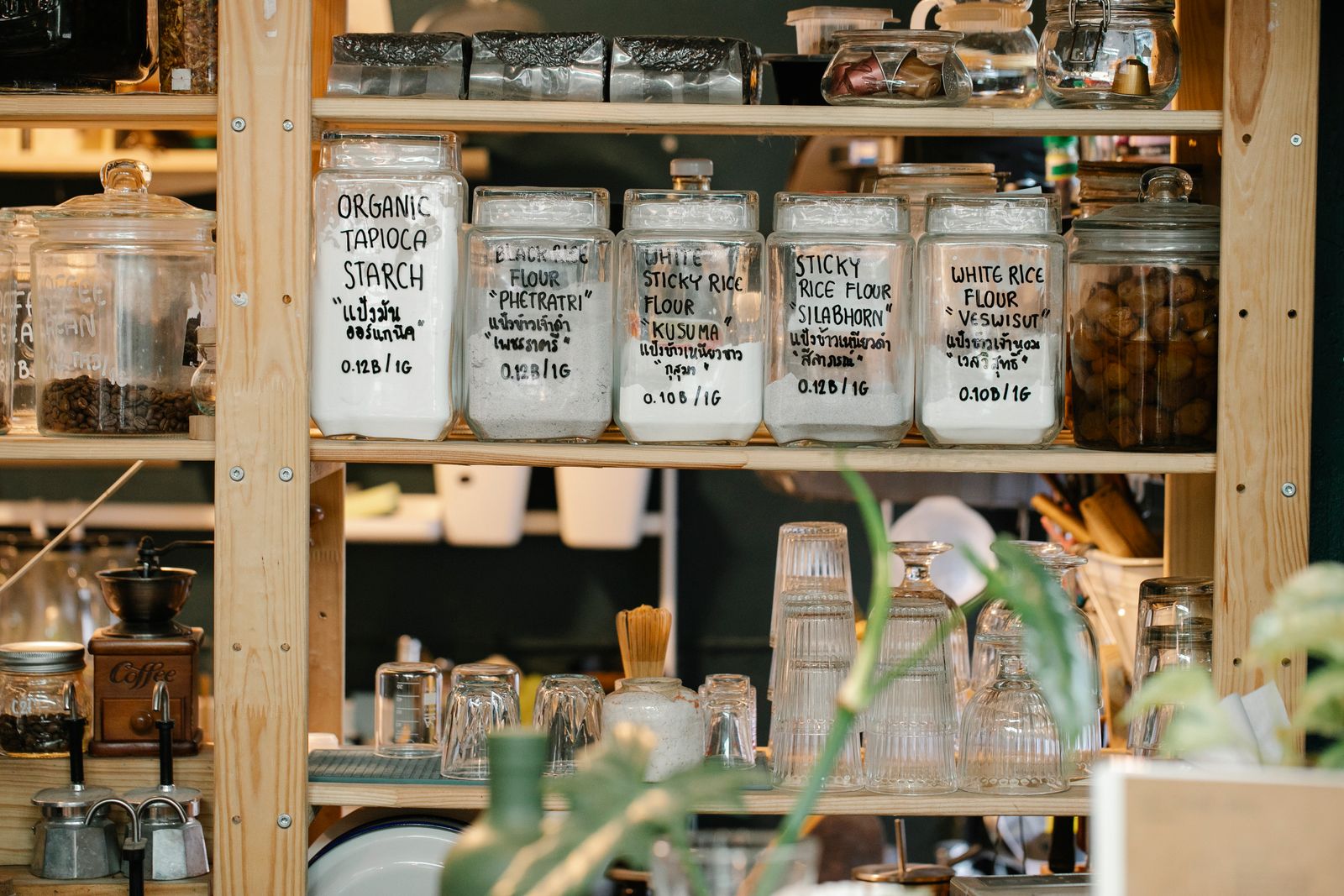
The fastest way a pantry falls apart again is items getting shoved wherever there’s space. Assign each shelf a category — baking, snacks, canned goods, breakfast — and stick to it even when something doesn’t quite fit. A little empty space in the right category beats a full shelf with no logic to it.
3. Put the Everyday Shelf at Eye Level
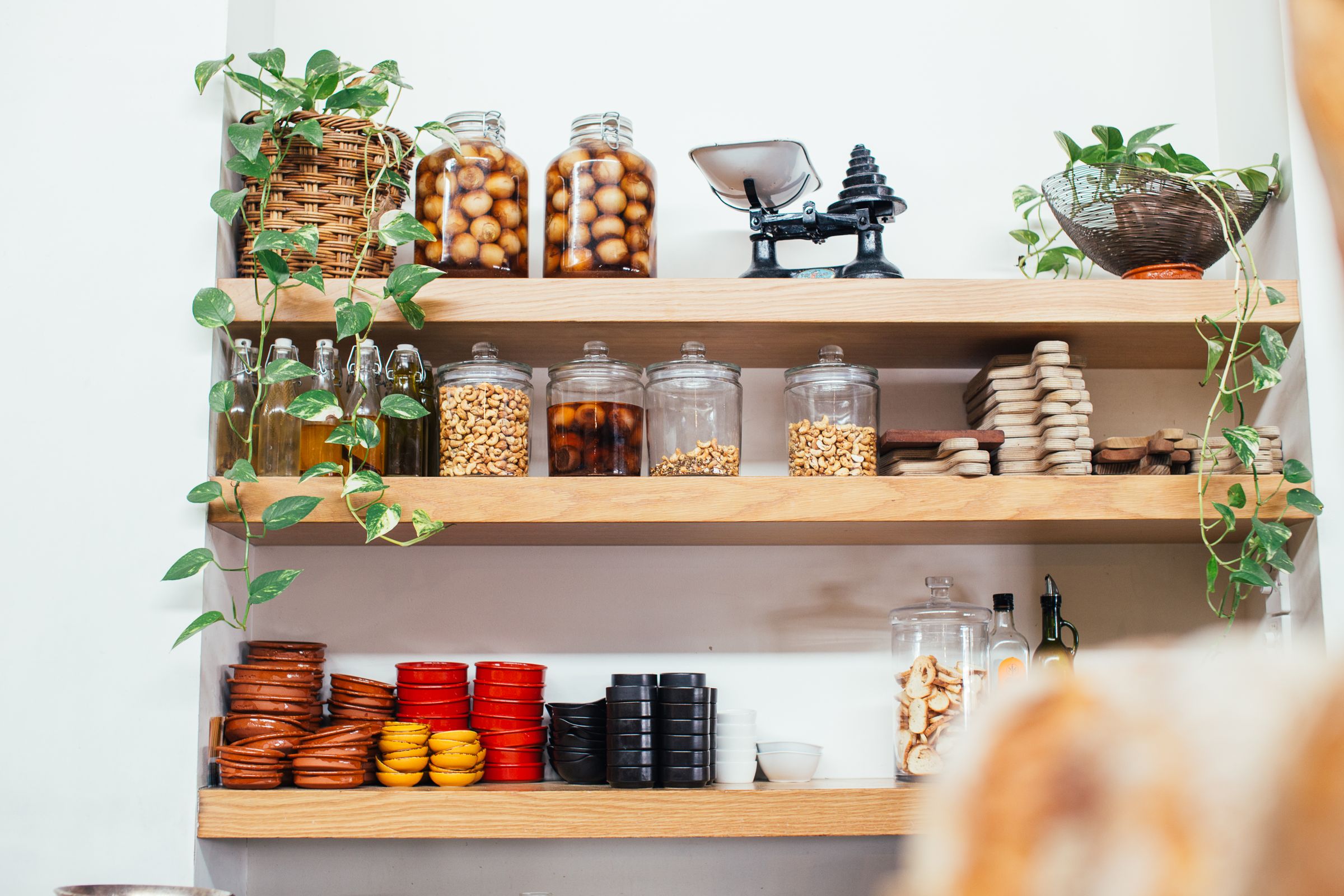
Not all shelf space is equal — eye level and arm’s reach is prime real estate. Reserve it for what actually gets used daily: cereal, coffee, snacks, cooking oils. Push the bulk buys, small appliances, and occasional-use items to the top or bottom shelves where reaching isn’t a daily annoyance.
4. Label Everything, Even the Obvious Stuff
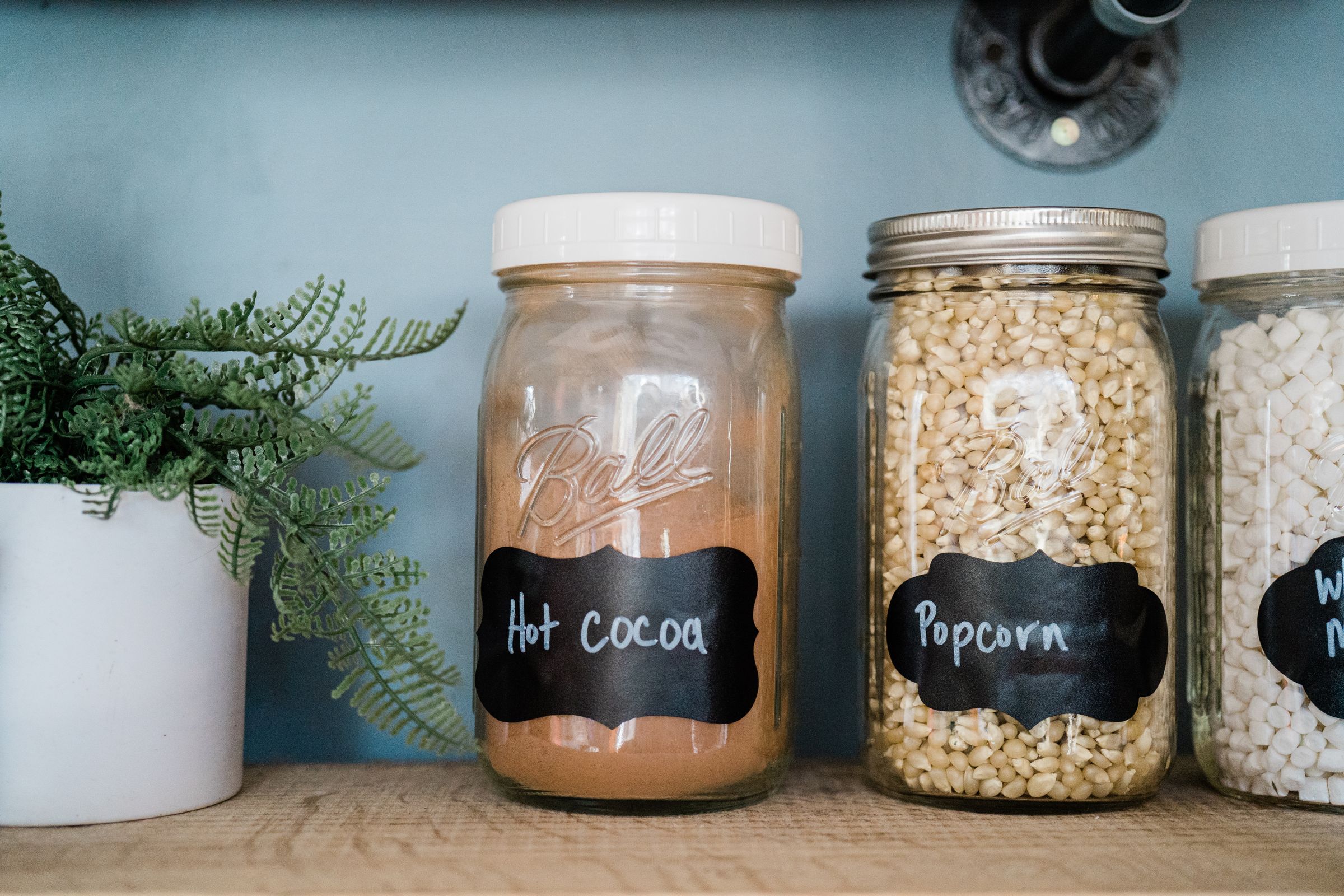
Labels aren’t just for looks — they’re what makes a decanted pantry actually functional for everyone in the house, not just the person who set it up. A simple label with the contents (and expiry date, for anything that matters) means nobody’s guessing whether that jar is rice or risotto at a glance.
5. Use Risers So the Back Row Isn’t a Mystery
Deep shelves are where food goes to get forgotten — cans and jars stack two or three rows deep and the back row disappears until it expires. A simple step riser or shelf insert lifts the back row high enough to see over the front one, so nothing gets buried and bought again by accident.
6. Corral Loose Items in Baskets, Not Loose on the Shelf
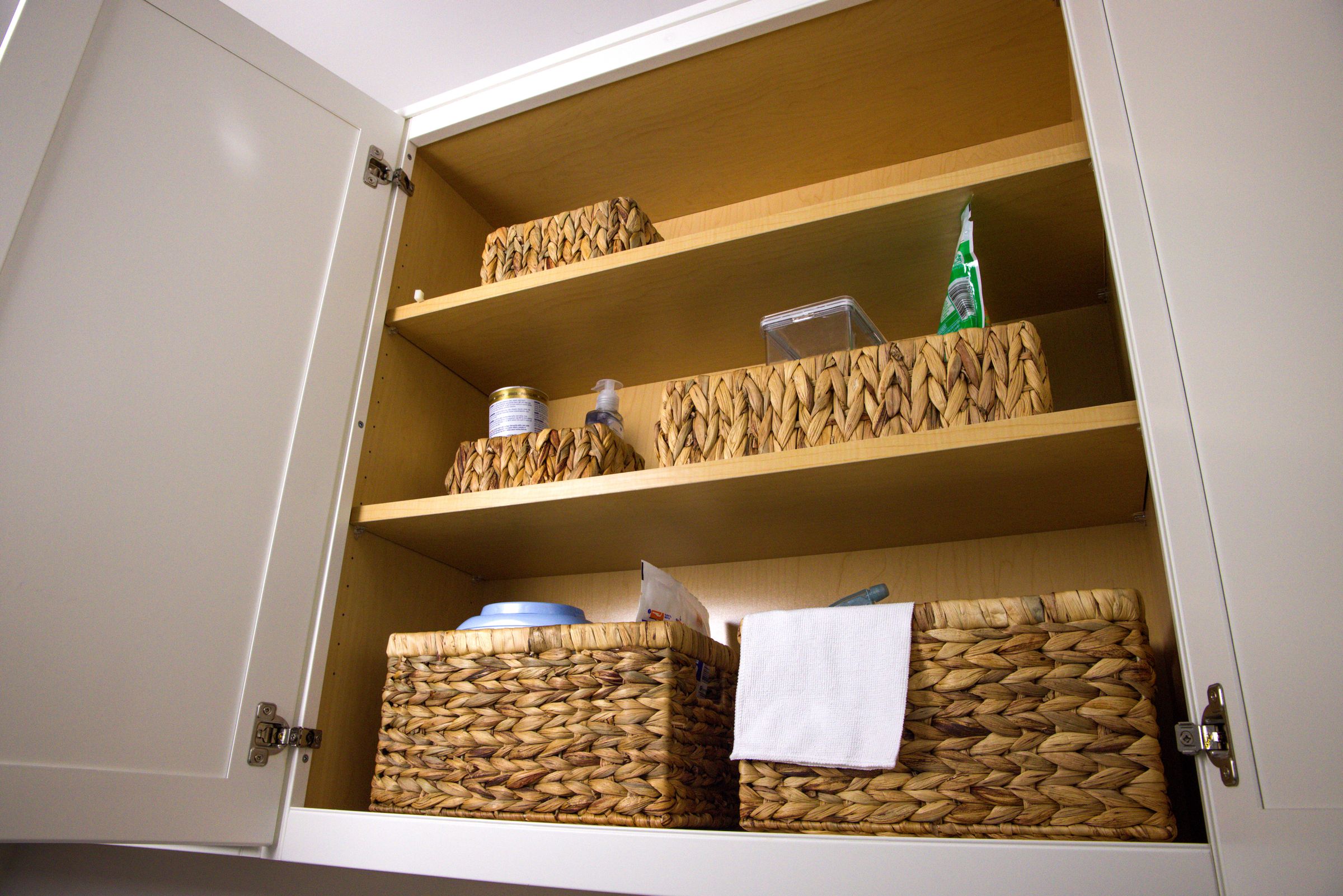
Some things just don’t decant well — snack bags, spice packets, produce. Rather than letting them roam free on the shelf, give them a basket with a clear job: one for kids’ snacks, one for baking packets, one for produce that doesn’t need the fridge. Pulling one basket out is faster than digging through loose items every time.
7. Leave Room to Grow Instead of Packing It Full
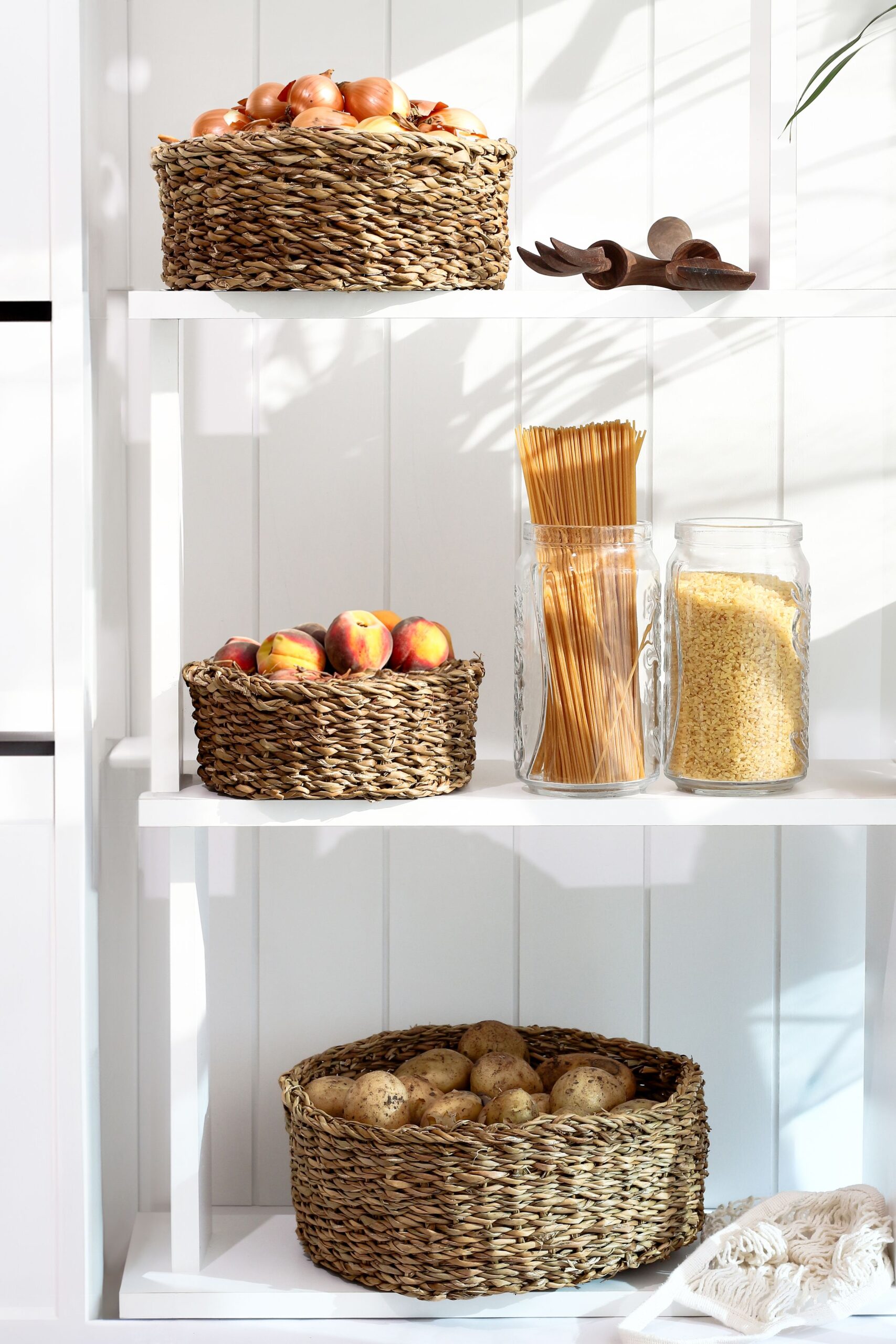
A pantry organized to its absolute capacity has nowhere to put the next grocery haul, which is exactly how the system collapses within a month. Leave real breathing room on every shelf — it looks less “finished” on day one, but it’s the only way the system survives past the first restock.
Common Mistakes to Avoid
- Decanting everything on day one. Do it gradually as items run out — decanting a full pantry at once usually gets abandoned halfway through.
- No system for the back row. Without risers or a rotation habit, deep shelves become where food expires unseen.
- Zero breathing room. A pantry packed to capacity has no give for the next shopping trip.
- Skipping labels because “I’ll remember.” You won’t, and neither will anyone else in the house.
FAQ
Do I need matching containers for this to work?
It helps visually, but the real function comes from category zones and labels — mismatched containers organized by category still work far better than boxes with no system.
What’s the cheapest place to start?
Category zones cost nothing — just regroup what you already have by type before buying any jars or baskets.
How often should a decanted pantry be topped up?
Whenever a jar gets below a quarter full. Waiting until it’s empty usually means you run out mid-recipe.
Final Thoughts
A pantry that stays organized isn’t the one with the nicest jars — it’s the one with a system simple enough to actually maintain after the first grocery trip. Start with category zones and labels; the jars and baskets can be added in over time.