
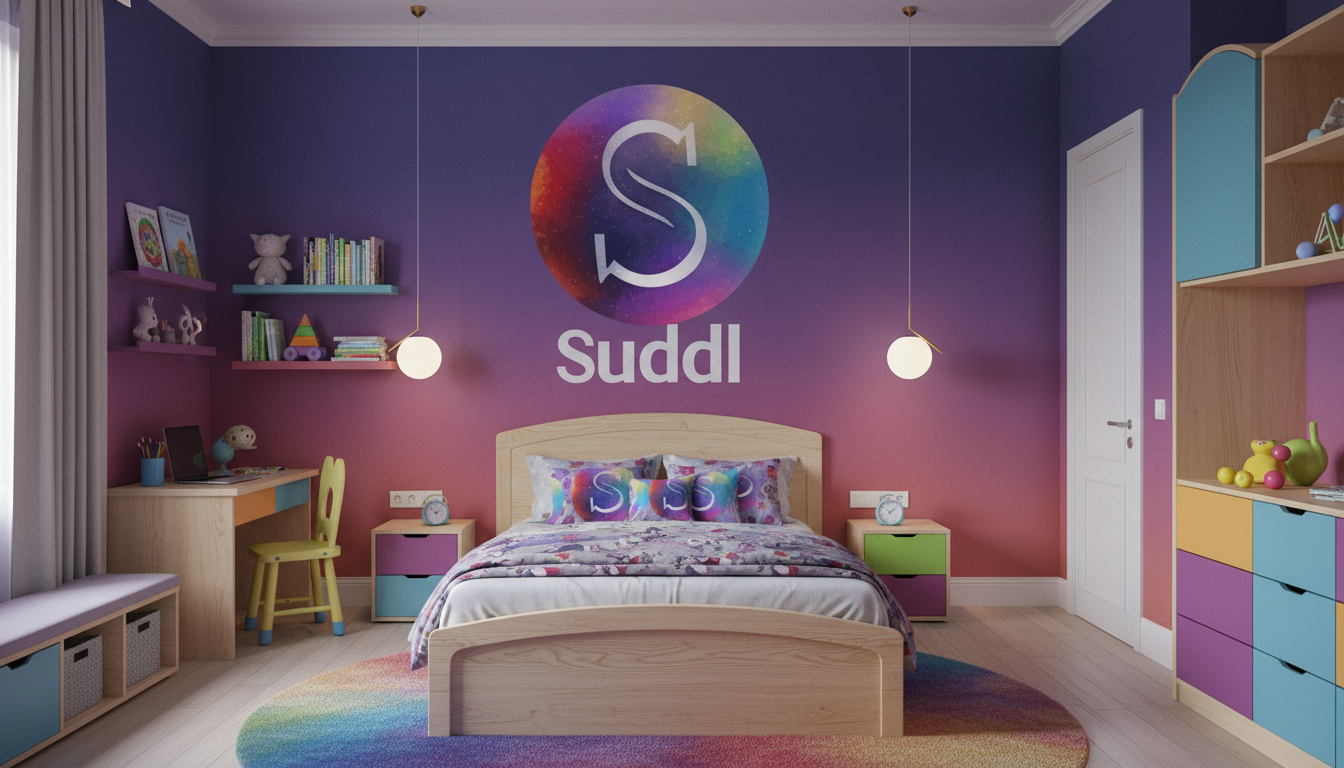
Designing a kid’s bedroom is an exciting opportunity to combine creativity, comfort, and functionality. A well-planned room not only reflects your child’s personality but also supports their growth, play, and learning. From playful themes and vibrant colors to practical storage solutions, a thoughtfully designed bedroom can become a space your child loves to spend time in.
For more home décor inspiration and children’s bedroom ideas, visit https://suddl.com/
1. Understanding Kids Bedroom Design
Kids’ bedroom design is unique because it must balance aesthetics, safety, and functionality. Key considerations include:
- Age-appropriate design: Toddlers, school-age children, and teens have different needs.
- Safety: Avoid sharp edges, secure furniture, and use non-toxic paints.
- Functionality: Include storage, study areas, and play zones.
- Personalization: Reflect your child’s interests, hobbies, and favorite colors.
A successful design encourages creativity, organization, and comfort while growing with your child.
2. Choosing the Right Color Palette
Colors influence mood and creativity. Bright and cheerful tones energize young children, while softer, muted colors promote calmness for sleep and study.
Color ideas:
- Toddlers: Soft pastels like mint, peach, or lavender
- School-age kids: Bold, playful tones like yellow, green, or turquoise
- Teens: Neutral shades with accent walls in navy, maroon, or gray
Combining complementary shades for walls, furniture, and décor creates a cohesive look while adding vibrancy to the room.
3. Fun Themes for Kids’ Bedrooms
Themed bedrooms make the space engaging and imaginative. Popular themes include:
- Animal Safari: Jungle wallpaper, stuffed animals, and animal-shaped décor
- Space Adventure: Starry ceiling decals, rocket-shaped beds, and cosmic colors
- Underwater World: Ocean murals, fish decals, and blue-green hues
- Fairytale & Princess Rooms: Canopy beds, pastel tones, and glittering accents
- Superhero Rooms: Bold primary colors, wall graphics, and themed bedding
Themes can evolve with age, and subtle elements like wall decals or bedding can be changed easily as kids grow.
4. Smart Furniture Choices
Functional furniture is key for kids’ rooms to balance play, study, and storage.
Furniture tips:
- Loft beds or bunk beds for maximizing space
- Modular or multifunctional furniture for growing children
- Adjustable desks for schoolwork and homework
- Low shelves and toy organizers for easy access
- Comfortable seating for reading and relaxation
Choose durable materials and rounded edges to ensure safety, and invest in pieces that last through different age stages.
5. Storage Solutions for Kids
Storage is essential to keep the room organized and clutter-free.
Effective storage ideas:
- Colorful bins and baskets for toys
- Built-in wardrobes with compartments for clothes and accessories
- Under-bed storage drawers
- Wall-mounted shelves for books and décor
- Pegboards or hooks for art supplies and backpacks
Encourage kids to take part in organizing their space, which helps develop responsibility and independence.
6. Lighting for Kids’ Bedrooms
Proper lighting improves functionality and creates the right mood.
Lighting suggestions:
- Ambient lighting: Ceiling lights or recessed lights for general illumination
- Task lighting: Desk lamps for homework or reading areas
- Accent lighting: Night lights, string lights, or LED strips for ambiance
- Natural lighting: Maximize daylight with window treatments that allow flexibility
Layering different lighting types ensures the room is practical for study, play, and relaxation.
7. Play Areas in the Bedroom
A dedicated play zone fosters creativity and imagination.
Ideas include:
- Reading nooks with bean bags or floor cushions
- Indoor tents or teepees for imaginative play
- Chalkboard or whiteboard walls for drawing and learning
- Activity tables for crafts and projects
Designing a safe, fun play area keeps the room engaging without compromising space for sleeping and studying.
8. Personalized Decor and Accessories
Decor reflects a child’s personality and makes the room truly theirs.
Personalization ideas:
- Name signs or initials on walls or doors
- Wall decals or murals based on hobbies
- Colorful bedding and curtains
- Personalized storage boxes and toys
- Display shelves for achievements and artwork
Personal touches make the room feel welcoming and unique.
9. Bedding and Textiles
Comfortable bedding is essential for a good night’s sleep, while playful textiles add charm.
Tips:
- Choose soft, hypoallergenic fabrics for sheets and pillows
- Use themed or patterned bedspreads to match the room décor
- Add cushions, throw blankets, or rugs for coziness
- Coordinate curtains and rugs to unify the color palette
Textiles are an easy way to refresh the room as children grow or interests change.
10. Creative Wall Designs
Walls can be functional and decorative in kids’ bedrooms.
Wall design ideas:
- Wall decals with animals, stars, or favorite characters
- Chalkboard paint for drawing and learning
- Interactive magnetic boards or corkboards for notes and artwork
- Accent walls with bright paint or wallpaper
Creative wall designs encourage imagination while making the room lively and engaging.
11. Safety Considerations
Safety is crucial in kids’ bedroom design:
- Use non-toxic paints and finishes
- Anchor heavy furniture to walls
- Avoid sharp corners on furniture
- Ensure windows are secure with locks or guards
- Use rugs to prevent slips and falls
A safe environment allows kids to explore, play, and learn freely.
12. Small Bedroom Solutions
For compact spaces, consider:
- Loft beds to maximize floor space
- Foldable or modular furniture
- Vertical storage solutions
- Light colors to make the room feel larger
- Mirrors to enhance perception of space
Even small rooms can be functional, fun, and stylish with smart planning.
13. Teen Bedroom Ideas
Teen bedrooms require flexibility, combining style, study, and social spaces.
Teen-friendly tips:
- Neutral walls with bold accent pieces
- Functional desks and ergonomic chairs
- Comfortable seating for friends or reading
- Wall-mounted shelves for books, gadgets, and décor
- Personal artwork or posters to reflect interests
Allow teens to express their personality while maintaining organization and functionality.
14. Final Thoughts
Designing a kids’ bedroom is about balancing creativity, comfort, and practicality. With the right furniture, color scheme, storage solutions, and personal touches, you can create a room that grows with your child, sparks imagination, and encourages a healthy lifestyle.
Safety, flexibility, and personalization are key to making a bedroom that is both functional and inspiring. Whether you’re designing for toddlers, school-age children, or teens, thoughtful planning ensures a space your child will love for years to come.
For more ideas, inspiration, and practical tips for designing kids’ bedrooms, visit https://suddl.com/ and explore creative ways to transform your child’s space. 🧸✨