
Redefining Classic: Elegant Living Room Layouts for Every Home
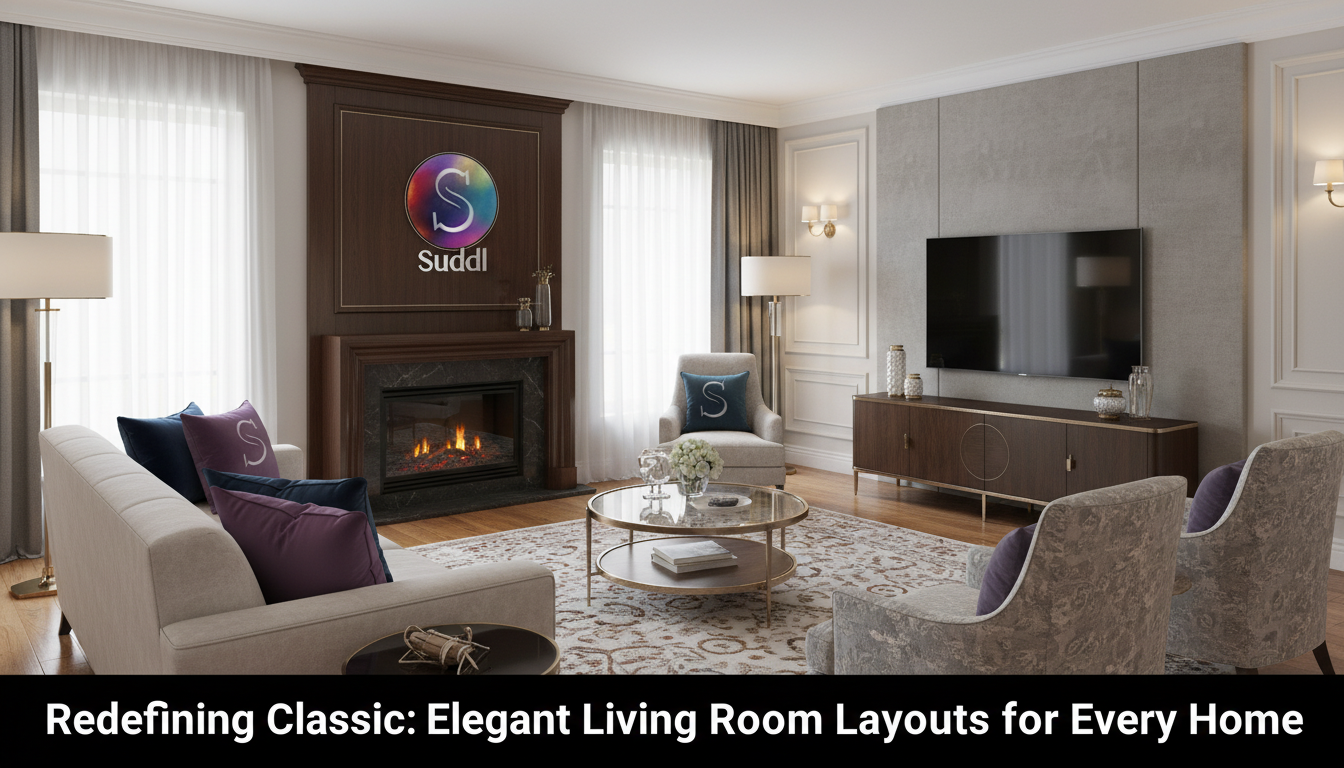
Understanding the Essence of a Classic Living Room Layout
Classic living room layouts have always represented comfort, balance, and understated sophistication. Yet in today’s evolving homes—ranging from compact apartments to expansive open-plan houses—classic design is being thoughtfully redefined. Rather than rigidly following traditional arrangements, modern homeowners are blending timeless principles with functional needs. The essence of a classic layout lies in symmetry, proportion, and intentional placement. It focuses on creating conversation-friendly seating areas, maintaining visual harmony, and ensuring that every piece of furniture has a purpose. When reimagined carefully, classic living room layouts can adapt beautifully to contemporary lifestyles while preserving their elegant charm.
A key feature of timeless layouts is the concept of a central focal point. Traditionally, this may have been a fireplace, a grand window, or a statement piece of artwork. Today, it might also include a media console or a sculptural coffee table. Regardless of the focal element, furniture should be arranged to complement it rather than compete with it. Sofas and chairs should encourage interaction, forming a natural flow that feels welcoming rather than rigid. Redefining classic doesn’t mean discarding tradition; it means honoring foundational principles while tailoring them to fit modern living patterns. For homeowners seeking inspiration on creating layouts that balance tradition and innovation, exploring design ideas at https://suddl.com/ can offer valuable guidance.
Layout Ideas for Small and Compact Living Rooms
Not every home features a sprawling living space, but classic elegance is not limited by square footage. In smaller rooms, redefining a traditional layout involves maximizing space without sacrificing style. One effective approach is to anchor the room with a well-proportioned sofa placed against the longest wall, paired with two slim-profile armchairs or a single accent chair. This creates a conversational setting while maintaining open walking paths. Choosing furniture with exposed legs can visually lighten the room, making it feel more spacious and airy.
Mirrors play a transformative role in compact layouts. Positioned opposite windows or light sources, they amplify natural light and give the illusion of depth. Multifunctional furniture—such as storage ottomans or nesting tables—also aligns perfectly with a modern interpretation of classic design. Instead of cluttering the room with excessive pieces, focus on quality over quantity. A refined coffee table, a textured area rug, and carefully chosen lighting fixtures can establish elegance without overcrowding the space.
In open-plan apartments where the living room flows into dining or kitchen areas, defining the layout becomes crucial. Rugs can act as visual boundaries, clearly marking the living zone. Position seating in a way that subtly separates spaces while maintaining connectivity. For example, placing a sofa with its back toward the dining area can establish structure without closing off the room. Classic layouts in smaller homes rely on thoughtful scaling and strategic placement, proving that elegance is achievable in any setting. Discover additional layout solutions tailored to modern living at https://suddl.com/
Elegant Arrangements for Medium and Large Living Spaces
Medium and large living rooms provide greater flexibility, but they also require careful planning to avoid feeling empty or unbalanced. In these spaces, redefining classic layouts often means creating multiple functional zones within one room. A primary seating arrangement can revolve around a central focal point—such as a fireplace or entertainment unit—while a secondary reading nook or conversation corner enhances usability.
Symmetry remains a cornerstone of classic elegance in larger spaces. Matching sofas facing one another, flanked by identical side tables and lamps, create a refined and harmonious appearance. However, incorporating subtle asymmetry—like a statement armchair or sculptural floor lamp—adds character without disrupting balance. Layering textures and materials, such as pairing upholstered seating with wooden tables and metallic accents, ensures the room feels dynamic rather than monotonous.
Traffic flow is particularly important in expansive living areas. Furniture should guide movement naturally, allowing guests to circulate comfortably. Avoid pushing all pieces against the walls; instead, float furniture inward to create intimacy and cohesion. An area rug large enough to anchor all seating elements can tie the arrangement together, preventing the room from appearing fragmented.
Large windows or high ceilings present opportunities to elevate classic layouts further. Floor-to-ceiling curtains, tall bookcases, or statement chandeliers draw the eye upward, emphasizing architectural beauty. By thoughtfully filling space with intention and balance, larger rooms can feel inviting rather than overwhelming. For more refined layout inspirations suitable for various home sizes, visit https://suddl.com/ and explore curated design ideas that blend timeless structure with modern sensibility.
Personalizing Classic Layouts for Contemporary Lifestyles
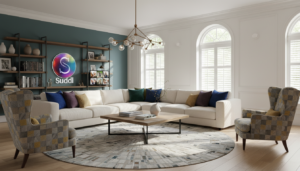
While classic layouts emphasize balance and proportion, personalization is what truly transforms a living room into a reflection of home. Redefining classic design means adapting traditional arrangements to fit today’s technology-driven, multifunctional lifestyles. For instance, integrating discreet storage solutions for electronics or selecting a stylish media console ensures modern conveniences coexist seamlessly with elegant aesthetics.
Family dynamics also influence layout decisions. Households with children may opt for durable fabrics and rounded furniture edges while maintaining a symmetrical arrangement. Pet-friendly homes might prioritize stain-resistant materials without compromising visual appeal. The key lies in harmonizing practicality with refinement. Classic layouts should not feel overly formal or untouchable; instead, they should encourage relaxation and daily use.
Incorporating contemporary art, bold accent colors, or unique decor pieces can refresh a traditional framework. A classic sofa paired with abstract artwork or modern lighting creates a compelling contrast that feels current yet timeless. Layering personal elements—travel souvenirs, family photographs, or cherished heirlooms—adds warmth and authenticity to the space.
Lighting remains one of the most powerful tools in personalizing a layout. Combining ambient, task, and accent lighting allows the room to transition effortlessly from daytime productivity to evening comfort. Dimmer switches, table lamps, and wall sconces contribute to a layered glow that enhances elegance.
Ultimately, redefining classic living room layouts is about merging enduring principles with individual expression. Whether designing a cozy apartment corner or an expansive family gathering space, balance, proportion, and thoughtful arrangement remain fundamental. By blending timeless structure with personal flair, every home can achieve an elegant living room that never feels outdated. For ongoing inspiration and practical layout ideas that suit every home style, explore https://suddl.com/ and discover how classic design can evolve beautifully with your lifestyle.