
Why Early Childhood Education Matters for Kids
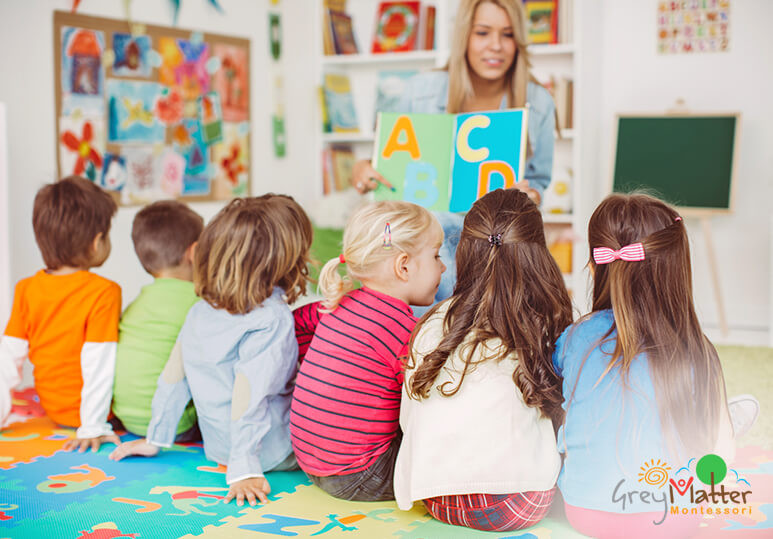
🎒 Why Early Childhood Education Matters for Kids
Introduction
Early childhood education (ECE) plays a vital role in shaping the future of children. The early years of a child’s life, typically from birth to age eight, are considered the most critical period for brain development. During this stage, children learn rapidly, absorbing knowledge and experiences that lay the foundation for their future learning, behavior, and overall development. Early childhood education is not just about learning letters and numbers—it is about building social skills, emotional intelligence, creativity, and confidence.
Parents, teachers, and communities all share responsibility in ensuring children receive quality early education. When children are given the opportunity to learn in a safe, nurturing, and stimulating environment, they develop skills that help them succeed academically and socially throughout their lives. This article explores why early childhood education matters for kids and how it positively impacts their development.
🧠 Brain Development in Early Years
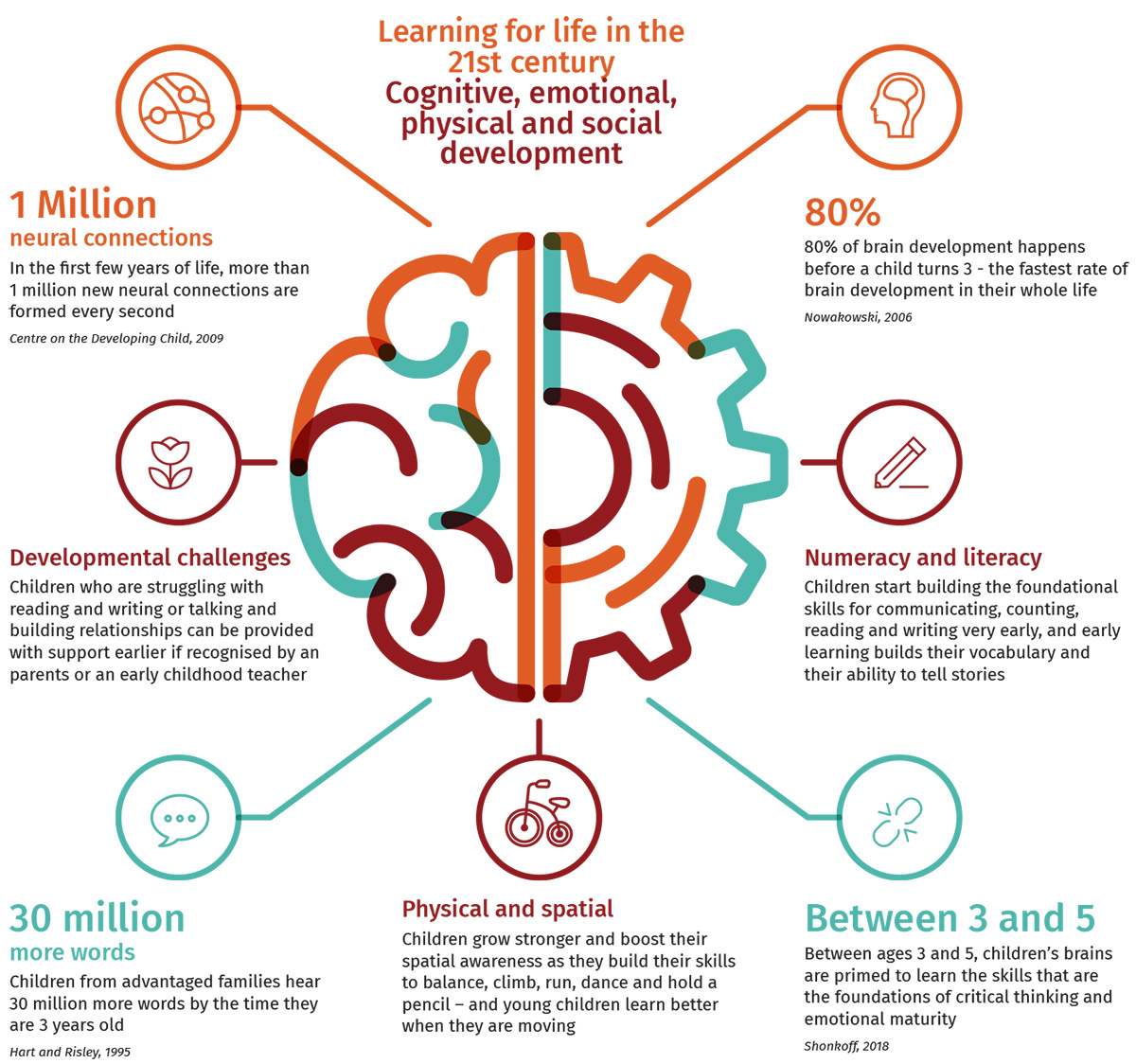
One of the main reasons early childhood education matters is its impact on brain development. Research shows that a child’s brain develops most rapidly during the first few years of life. By the age of five, about 90% of brain development has already occurred. During this time, neural connections form quickly, especially when children are exposed to positive learning experiences.
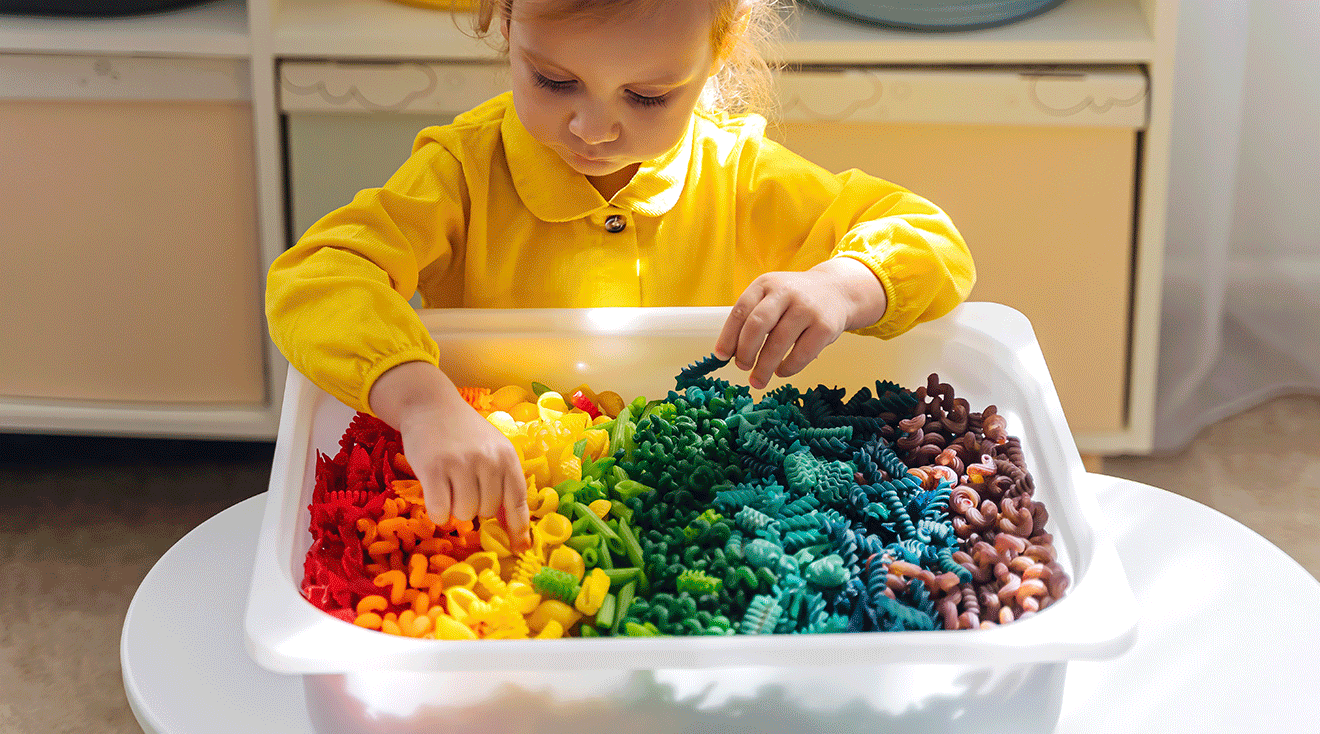
Early childhood programs provide structured activities that stimulate curiosity and creativity. Activities such as storytelling, singing, drawing, and playing help children develop cognitive skills. These activities strengthen memory, attention, and problem-solving abilities. Without early stimulation, children may struggle to catch up later in life.
Furthermore, early education encourages children to ask questions and explore their surroundings. This curiosity promotes independent thinking and confidence, which are essential for lifelong learning.
📚 Building Strong Academic Foundations
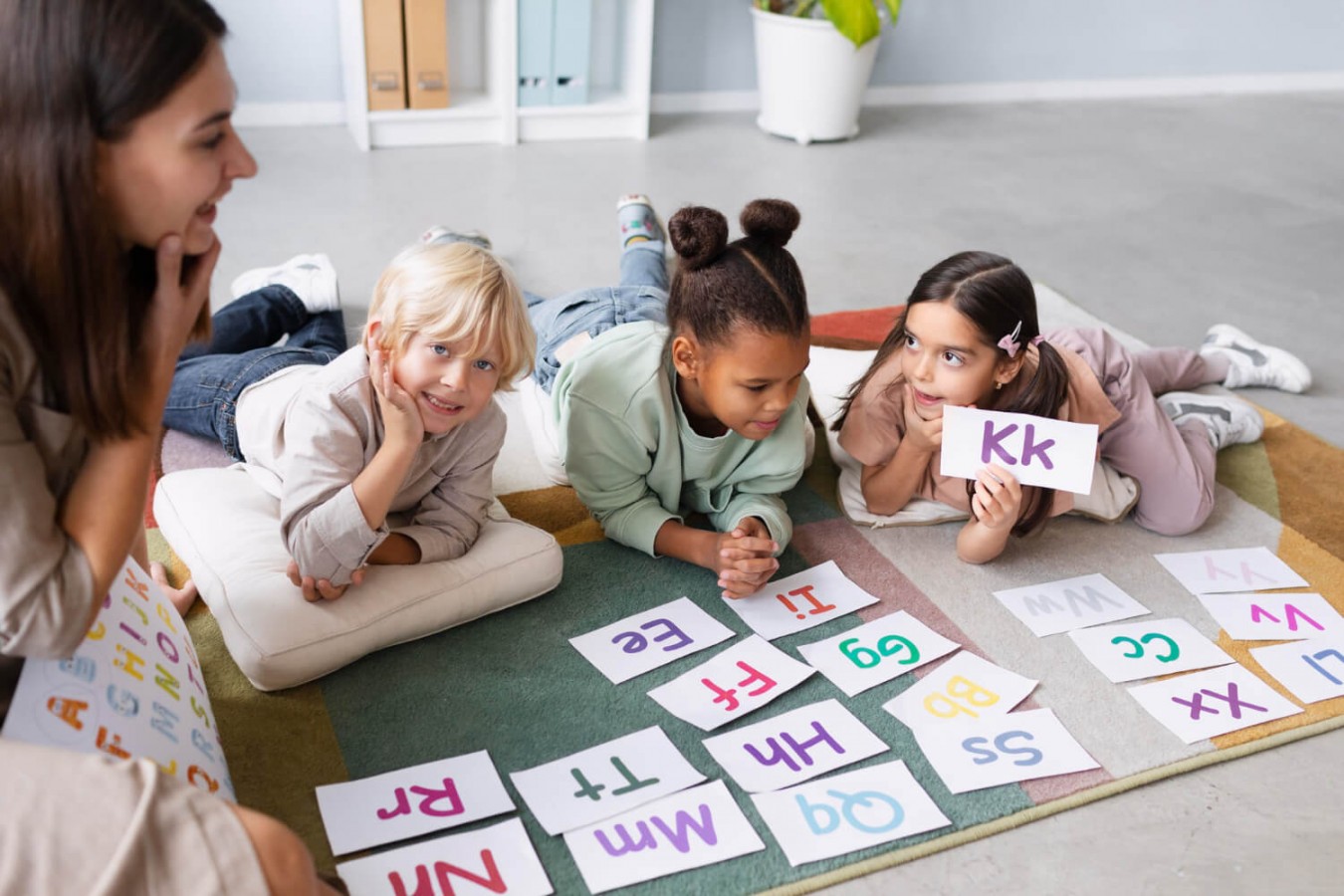
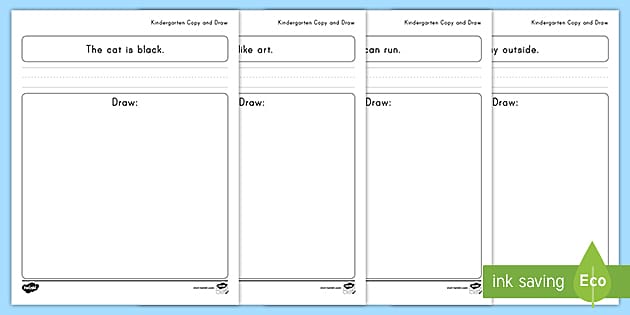

Early childhood education prepares children for formal schooling by building strong academic foundations. Children who attend preschool or kindergarten often enter primary school with better language, reading, and math skills compared to those who do not.
Language development is one of the key areas supported by early education. Through conversations, storytelling, and group discussions, children expand their vocabulary and improve communication skills. Learning early reading and writing skills also helps children understand instructions and express themselves effectively.
Mathematics skills are introduced in simple ways, such as counting toys, recognizing shapes, and sorting objects. These activities help children understand basic mathematical concepts in an enjoyable and interactive way.
When children develop strong academic skills early on, they are more likely to perform well in school and maintain a positive attitude toward learning.
🤝 Social and Emotional Development

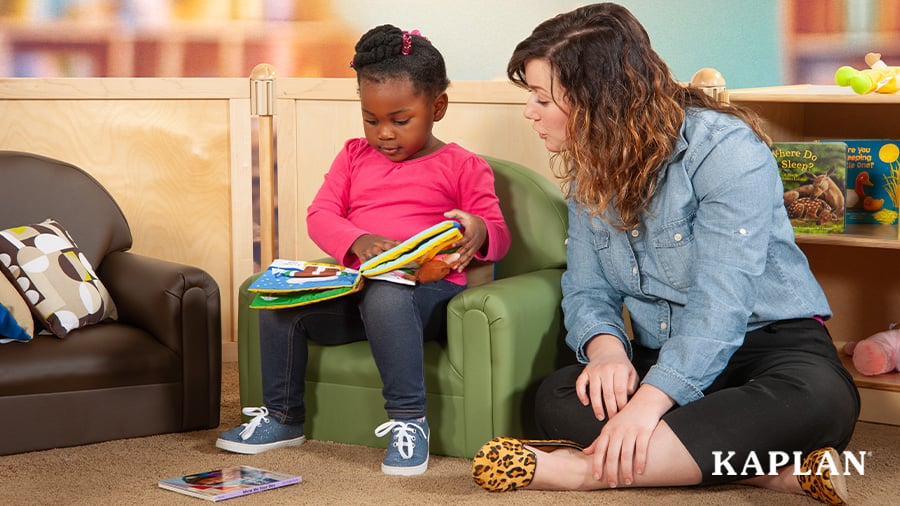
Early childhood education plays a major role in developing social and emotional skills. When children interact with peers and teachers, they learn how to share, cooperate, and resolve conflicts. These skills are important for building healthy relationships and working effectively in teams.
Children also learn how to manage their emotions. In a supportive classroom environment, teachers guide children in expressing their feelings appropriately. For example, when children feel upset or frustrated, teachers help them understand their emotions and find positive ways to cope.
Social and emotional development helps children build confidence and self-esteem. Confident children are more likely to participate in activities, ask questions, and explore new ideas. This confidence supports their overall growth and development.
🎨 Encouraging Creativity and Imagination


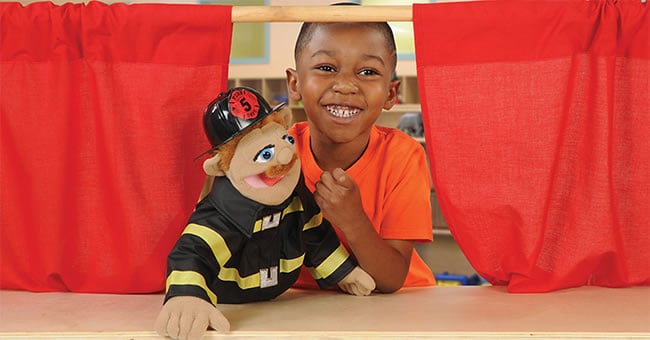
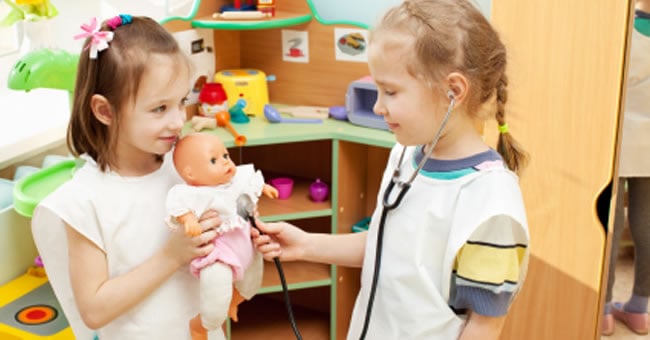
Creativity is an essential part of early childhood education. Activities such as drawing, painting, music, and role-playing allow children to express themselves freely. These creative experiences help children develop imagination and problem-solving skills.
Play-based learning is especially important during early childhood. Through play, children explore different ideas and learn how to think creatively. For example, building structures with blocks teaches children about balance and design, while role-playing helps them understand social roles and responsibilities.
Encouraging creativity also helps children discover their interests and talents. Some children may show interest in art, music, or storytelling, which can later develop into valuable skills or hobbies.
🏃 Developing Physical Skills
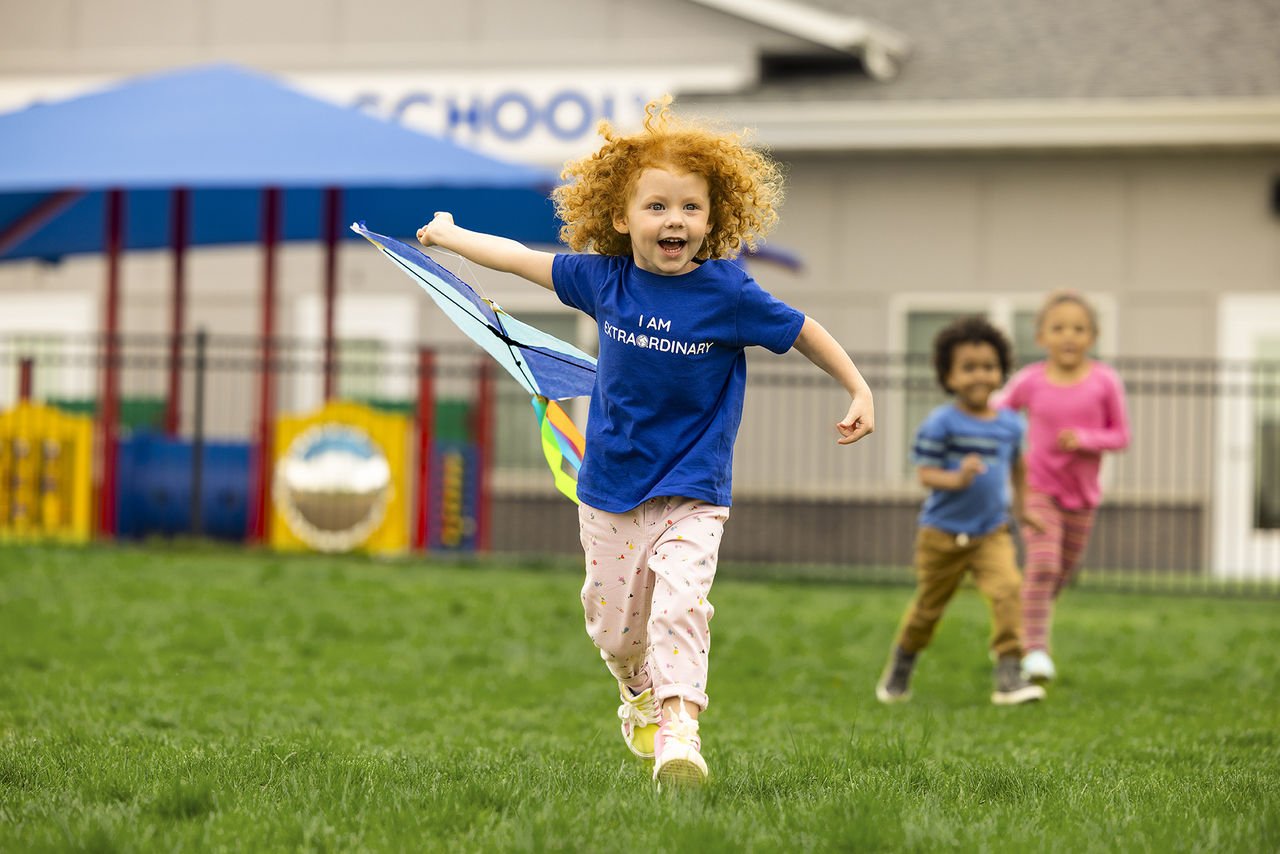
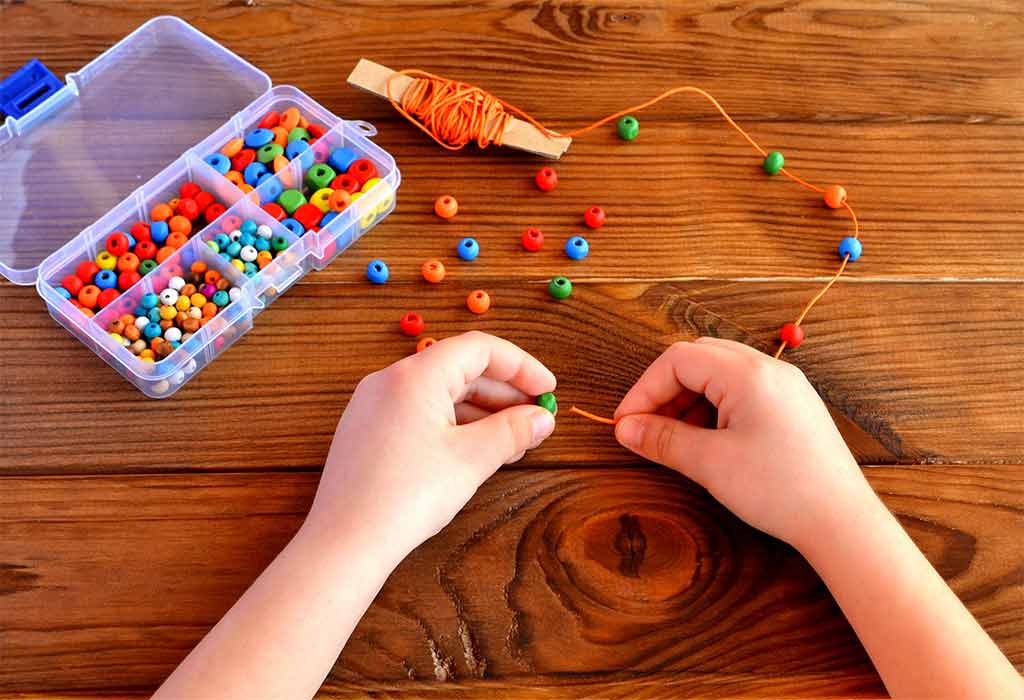

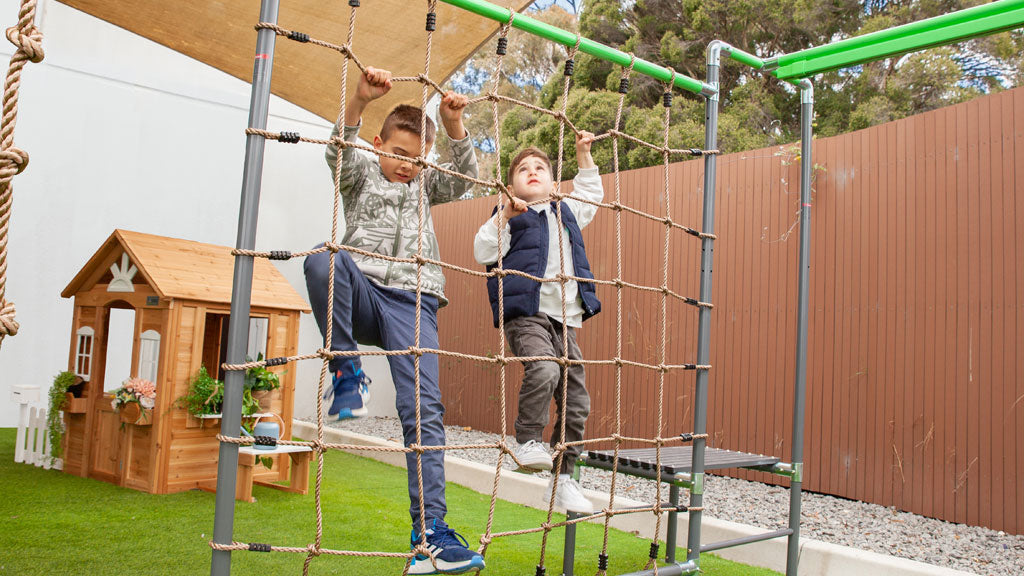
Physical development is another important aspect of early childhood education. Children need opportunities to move, play, and develop their motor skills. Activities such as running, jumping, and climbing help improve coordination and strength.
Fine motor skills are developed through activities like drawing, cutting with scissors, and assembling puzzles. These skills are important for tasks such as writing, buttoning clothes, and using tools.
Physical activities also support overall health and well-being. Active children are less likely to develop health problems and are more likely to maintain healthy habits as they grow older.
🧩 Developing Independence and Responsibility
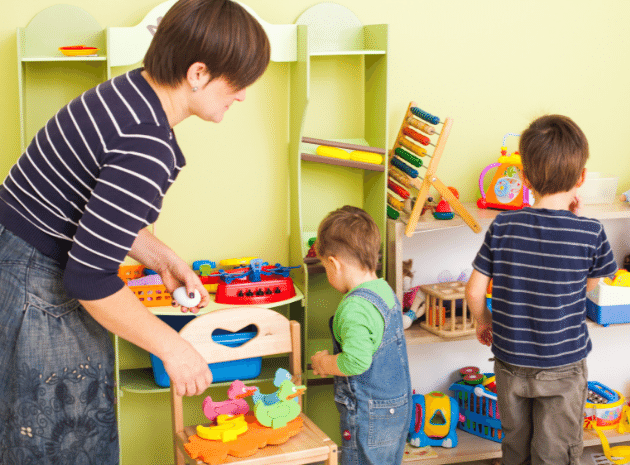

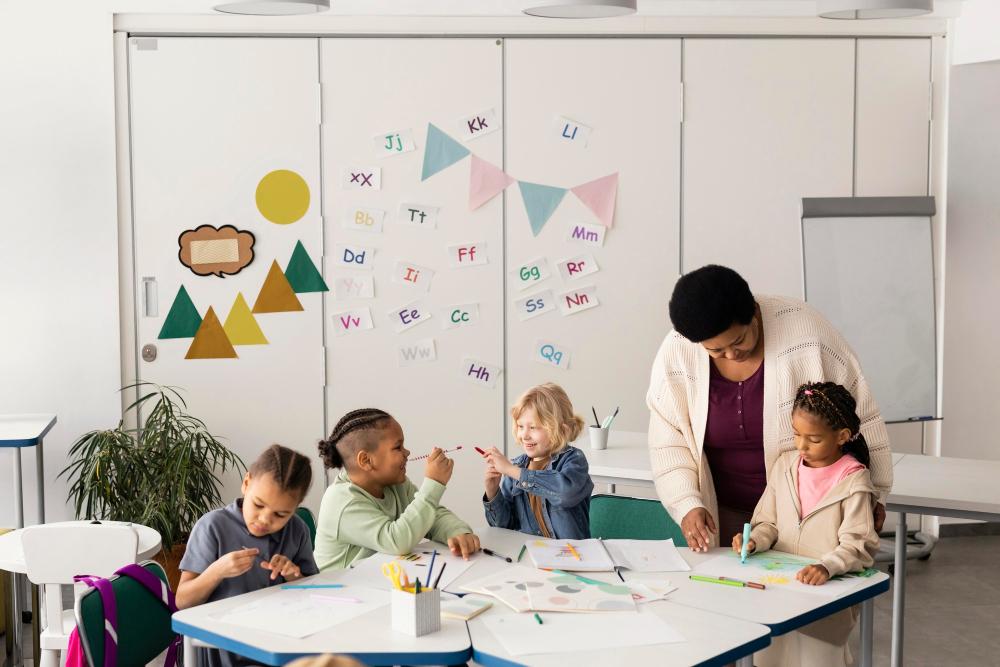
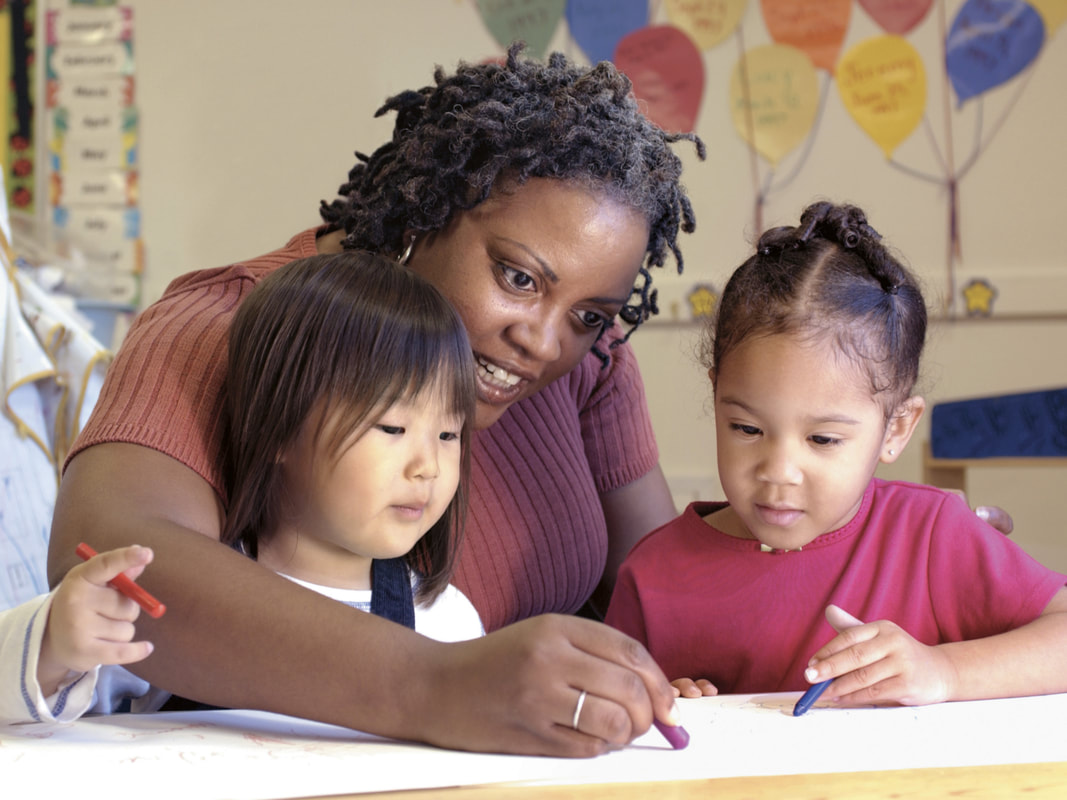
Early childhood education helps children develop independence and responsibility. In preschool settings, children learn to complete simple tasks such as organizing their toys, washing their hands, and following instructions.
Teachers encourage children to make decisions and solve small problems on their own. This independence builds confidence and helps children feel capable of handling challenges.
Learning responsibility at an early age also helps children understand the importance of rules and routines. These habits prepare them for future academic and social responsibilities.
🌍 Preparing Children for Future Success


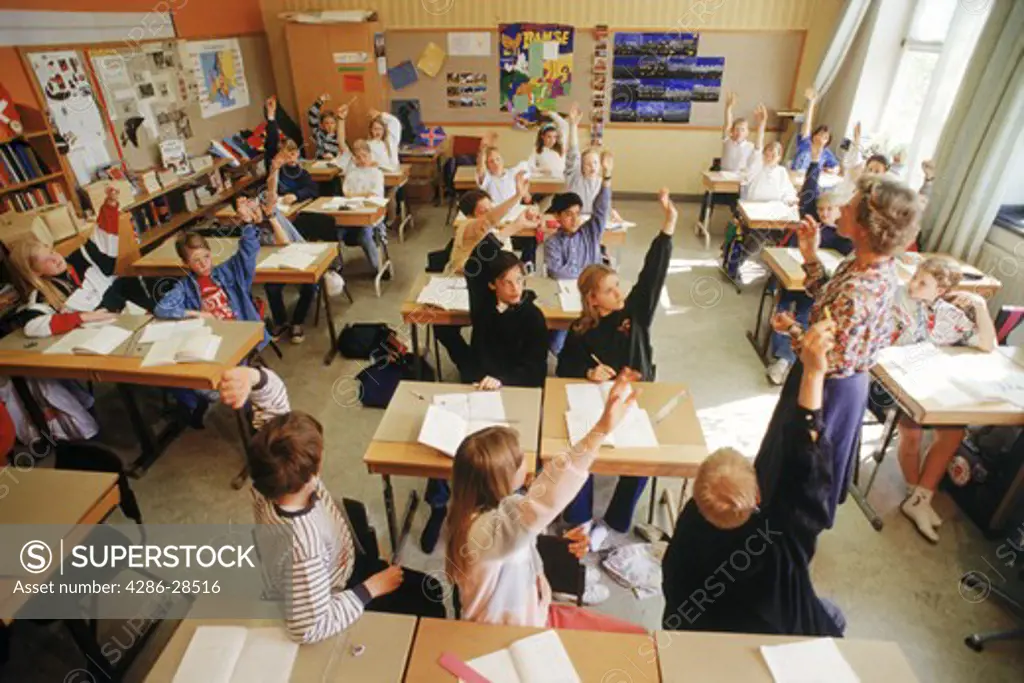
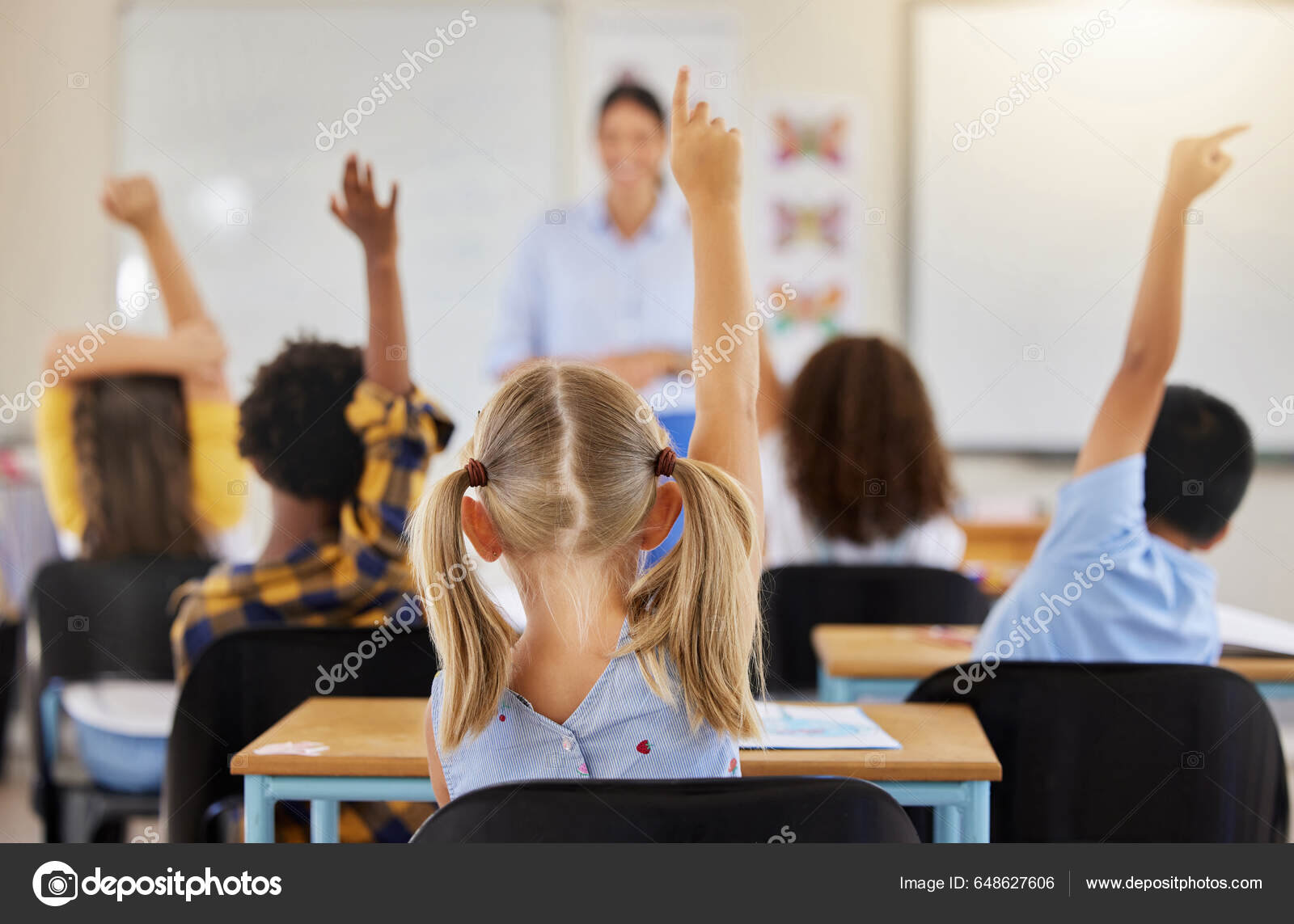
Early childhood education sets the stage for long-term success. Children who receive quality early education are more likely to graduate from high school, pursue higher education, and build successful careers.
These children often develop strong problem-solving skills, better communication abilities, and a positive attitude toward learning. They also learn resilience, which helps them overcome challenges and adapt to new situations.
Moreover, early education promotes equality by giving all children, regardless of their background, an opportunity to succeed. Access to quality education reduces learning gaps and improves overall community development.
👨👩👧 The Role of Parents and Teachers
Parents and teachers play a significant role in early childhood education. Parents are a child’s first teachers, providing love, care, and guidance at home. Simple activities such as reading stories, playing games, and talking with children support their learning.
Teachers create structured environments that encourage learning and exploration. They observe children’s progress, identify their needs, and provide support where necessary.
Effective communication between parents and teachers strengthens a child’s learning experience. When both work together, children receive consistent support and encouragement.
🏫 Benefits for Society
Early childhood education benefits not only individual children but also society as a whole. Educated individuals are more likely to contribute positively to their communities. They are better prepared to participate in the workforce, make informed decisions, and support social development.
Investing in early childhood education reduces social problems such as crime and unemployment. Communities with strong education systems often experience higher levels of economic growth and stability.
Additionally, early education helps build responsible citizens who understand the value of cooperation, respect, and empathy.
Conclusion
Early childhood education is one of the most valuable investments in a child’s future. It supports brain development, builds academic foundations, encourages creativity, and promotes social and emotional growth. Through early learning experiences, children develop skills that help them succeed in school and life.
Parents, teachers, and communities must work together to provide children with access to quality early education. By doing so, we create opportunities for children to reach their full potential and contribute positively to society.
In summary, early childhood education matters because it shapes confident, capable, and responsible individuals. When children are given the right start, they are better prepared to face the challenges of the future and achieve their dreams. 🎒📚