
The Benefits of Team Sports for Children
Introduction
Team sports play a significant role in a child’s physical, social, and emotional development. Activities such as soccer, basketball, cricket, and volleyball provide children with opportunities to stay active while learning valuable life skills. In today’s world, where many children spend long hours indoors using electronic devices, encouraging participation in team sports is more important than ever.
Team sports are not only about winning games or scoring goals. They teach children how to work together, communicate, and overcome challenges. Through teamwork and practice, children develop discipline, confidence, and a sense of responsibility. These experiences help shape strong character and prepare children for success in many areas of life.
This article explores the many benefits of team sports for children and why parents and educators should encourage sports participation from an early age.
🏃 Improving Physical Health and Fitness
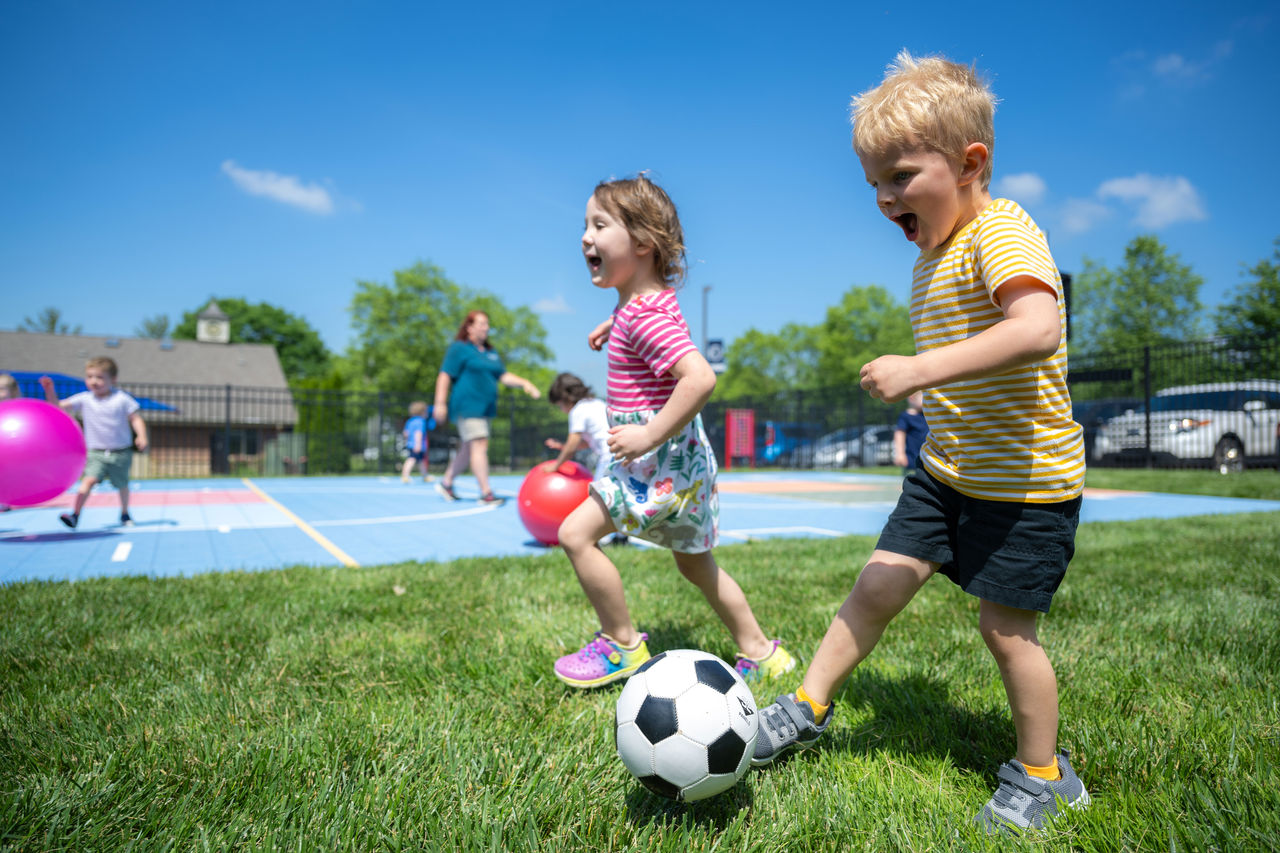
One of the most obvious benefits of team sports is improved physical health. Regular participation in sports keeps children active and helps maintain a healthy lifestyle. Running, jumping, and playing during games strengthen muscles and bones while improving coordination and balance.
Children who play team sports are less likely to develop health problems such as obesity and poor fitness. Physical activity helps burn energy, improve heart health, and boost overall endurance. It also promotes better sleep patterns, which are essential for growth and development.
Additionally, sports encourage children to spend more time outdoors. Fresh air and sunlight support physical and mental well-being. Developing healthy habits at an early age increases the chances of maintaining an active lifestyle into adulthood.
🤝 Teaching Teamwork and Cooperation
One of the most valuable lessons children learn through team sports is teamwork. In team sports, players must work together to achieve a common goal. They learn that success depends on cooperation and communication among team members.
For example, in soccer or basketball, passing the ball to teammates and supporting each other during the game teaches children how to collaborate. They learn to trust others and understand the importance of helping teammates succeed.
Teamwork skills learned through sports are useful in many areas of life, including school group projects and future careers. Children who understand teamwork often develop strong relationships and work well with others.
😊 Boosting Confidence and Self-Esteem


Participating in team sports helps build confidence and self-esteem. When children practice regularly and improve their skills, they feel proud of their achievements. Scoring a goal, making a good pass, or helping the team win boosts their confidence.
Even when children face challenges or make mistakes, sports teach them to stay positive and keep trying. Learning from mistakes helps children develop resilience and determination.
Positive feedback from coaches and teammates also strengthens self-esteem. Children feel valued when their efforts are recognized, motivating them to continue improving.
🧠 Developing Discipline and Responsibility
Team sports require commitment and discipline. Children must attend practice sessions, follow rules, and listen to coaches. These responsibilities teach children the importance of time management and dedication.
For example, arriving on time for practice and wearing the correct uniform helps children understand the value of responsibility. They learn to manage their schedules by balancing schoolwork and sports activities.
Discipline learned through sports supports academic success as well. Children who follow routines and stay organized often perform better in school.
🧩 Enhancing Social Skills
Team sports provide opportunities for children to interact with peers and develop social skills. They learn how to communicate effectively, share ideas, and resolve conflicts.
Playing with teammates from different backgrounds also teaches children to respect diversity. They learn to understand others’ perspectives and build friendships.
Social skills gained through sports help children feel more comfortable in group settings. They become better communicators and develop stronger relationships with friends and classmates.
🎯 Teaching Goal Setting and Achievement
Sports encourage children to set goals and work toward achieving them. Goals may include improving performance, learning new skills, or winning matches.
When children set goals, they learn to focus and work hard. Achieving these goals gives them a sense of accomplishment and motivation to continue improving.
Goal-setting skills are valuable throughout life. They help children stay motivated in school and pursue personal dreams and ambitions.
💪 Building Emotional Strength and Resilience
Winning and losing are both part of sports. Through these experiences, children learn how to handle emotions such as disappointment and excitement. Losing a game teaches children how to cope with failure and try again.
Sports help children develop resilience—the ability to recover from setbacks. They learn that mistakes are part of learning and improvement.
Emotional strength gained through sports helps children handle challenges in school and everyday life.
🏫 Improving Academic Performance
Many studies show that children who participate in sports often perform better academically. Physical activity improves concentration, memory, and overall brain function.
Sports also teach time management skills, which help children balance schoolwork and extracurricular activities. When children manage their time effectively, they complete homework more efficiently and stay organized.
Additionally, the discipline learned through sports encourages children to stay focused on their studies.
🌟 Encouraging Leadership Skills
Team sports provide opportunities for children to develop leadership skills. Some children may take on roles such as team captain, where they guide teammates and make important decisions.
Leadership involves communication, confidence, and responsibility. Through sports, children learn how to motivate others and lead by example.
Leadership skills developed during childhood can benefit children in school, community activities, and future careers.
👨👩👧 Strengthening Family and Community Bonds
Sports activities often involve parents, coaches, and community members. Attending games and supporting children strengthens family relationships and builds a sense of community.
Parents who encourage sports participation show interest in their child’s activities. This support boosts children’s confidence and motivation.
Community sports events also bring people together, creating a positive and supportive environment for children.
🏡 Choosing the Right Team Sport for Your Child
Parents can help children enjoy sports by choosing activities that match their interests and abilities. Some popular team sports for children include:
- ⚽ Soccer
- 🏀 Basketball
- 🏏 Cricket
- 🏐 Volleyball
- 🏑 Hockey
Allowing children to explore different sports helps them discover what they enjoy most. Encouraging fun and participation rather than competition ensures a positive experience.
🌍 Long-Term Benefits of Team Sports
The benefits of team sports extend far beyond childhood. Children who participate in sports often grow into healthy and confident adults. They develop skills such as teamwork, discipline, and leadership that support lifelong success.
Sports also encourage lifelong fitness habits. Adults who played sports as children are more likely to stay physically active and maintain good health.
Additionally, friendships formed through sports often last for many years, providing strong social support networks.
Conclusion
Team sports provide children with countless benefits that support their physical, social, and emotional development. From improving health and fitness to teaching teamwork and leadership, sports help children grow into confident and capable individuals.
Encouraging children to participate in team sports is one of the best ways to support their overall development. Parents, teachers, and communities play an important role in providing opportunities for children to stay active and engaged.
In the end, team sports are not just about playing games—they are about building character, developing skills, and creating positive experiences that shape a child’s future. By supporting sports participation, we help children lead healthy, happy, and successful lives. ⚽✨