
How to Encourage Healthy Habits in Kids

Encouraging healthy habits in kids is one of the most important responsibilities parents and caregivers have. Healthy habits developed during childhood often continue into adulthood, shaping a child’s physical health, emotional well-being, and overall lifestyle. From eating nutritious foods to staying active and maintaining good hygiene, these habits play a crucial role in helping children grow strong and confident.
In today’s world, children are surrounded by fast food, sugary snacks, and digital devices that can reduce physical activity. This makes it even more important for parents to guide children toward healthy choices. Teaching healthy habits does not require strict rules—it involves creating positive routines, setting good examples, and encouraging children to make better decisions.
This article explores practical ways to encourage healthy habits in kids and highlights why these habits are essential for their growth and development.
🥗 Teaching Healthy Eating Habits
One of the most important healthy habits children should learn is eating nutritious food. A balanced diet provides the nutrients children need for proper growth and development. Foods such as fruits, vegetables, whole grains, and proteins help strengthen the immune system and support brain function.
Parents can encourage healthy eating by offering a variety of colorful foods. Children are more likely to try foods that look attractive and appealing. For example, serving fruits in fun shapes or arranging vegetables in creative ways can make meals more enjoyable.
Involving children in meal preparation is another effective way to promote healthy eating. When children help wash vegetables or mix ingredients, they feel excited about eating the food they helped prepare. This also teaches them about different types of healthy foods and how they contribute to good health.
Limiting sugary snacks and drinks is equally important. Instead of offering candy or soda, parents can provide healthier alternatives such as fresh fruits, yogurt, or smoothies.
🏃 Encouraging Regular Physical Activity
Physical activity is essential for children’s health and development. Activities such as running, jumping, cycling, and playing sports help strengthen muscles and bones while improving coordination.
Children should engage in at least one hour of physical activity each day. Outdoor play is particularly beneficial because it allows children to explore nature and interact with others. Activities like playing soccer, skipping rope, or riding bicycles make exercise enjoyable.
Parents can encourage physical activity by participating with their children. Family walks, weekend games, or dance sessions at home create opportunities for bonding while promoting fitness.
Reducing screen time also supports physical activity. Limiting television, video games, and mobile device usage encourages children to spend more time moving and exploring.
😴 Establishing Healthy Sleep Routines
Sleep plays a vital role in a child’s growth and overall health. Children who get enough sleep are more energetic, focused, and emotionally balanced. Lack of sleep can lead to irritability, poor concentration, and health problems.
Parents can establish healthy sleep routines by setting consistent bedtimes and wake-up times. Creating a calming bedtime routine, such as reading a story or listening to soft music, helps children relax before sleeping.
Avoiding screens before bedtime is also important. The light from screens can disrupt sleep patterns, making it harder for children to fall asleep.
Providing a comfortable and quiet sleeping environment ensures better rest and supports healthy growth.
🪥 Teaching Good Hygiene Practices

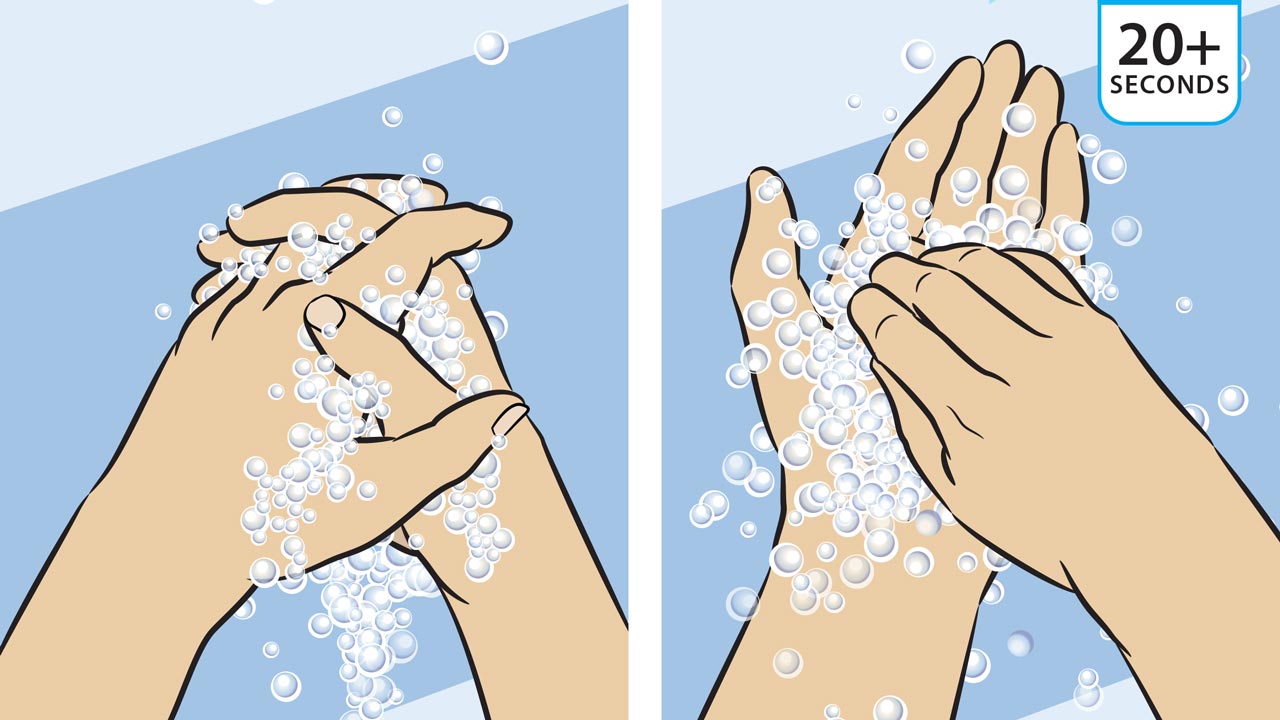

Good hygiene habits protect children from illness and promote overall health. Teaching children to wash their hands regularly is one of the most effective ways to prevent infections.
Children should wash their hands before eating, after using the bathroom, and after playing outside. Parents can make handwashing fun by using colorful soaps or singing short songs while washing hands.
Brushing teeth twice a day is another essential hygiene habit. Parents should guide children on how to brush properly and encourage regular dental checkups.
Bathing regularly and keeping nails trimmed also contribute to good hygiene and cleanliness.
💧 Encouraging Drinking Enough Water
Staying hydrated is essential for maintaining good health. Water helps regulate body temperature, supports digestion, and keeps the body functioning properly.
Parents should encourage children to drink water throughout the day, especially after physical activity. Carrying reusable water bottles makes it easier for children to stay hydrated.
Reducing sugary drinks such as soda and flavored juices helps prevent health problems like obesity and tooth decay. Offering fresh fruit-infused water can make hydration more enjoyable.
🧠 Promoting Positive Mental Health
Healthy habits are not limited to physical health—they also include emotional well-being. Children need support and encouragement to maintain positive mental health.
Parents can promote mental health by spending quality time with their children. Listening to their concerns, praising their efforts, and offering emotional support helps build confidence.
Encouraging creative activities such as drawing, reading, or storytelling allows children to express their feelings. Teaching relaxation techniques, such as deep breathing, helps children manage stress.
Positive mental health supports overall happiness and improves academic performance.
📅 Creating Daily Routines
Daily routines help children develop discipline and consistency. Structured schedules make it easier for children to understand expectations and manage their time.
For example, setting specific times for meals, homework, play, and bedtime creates a balanced routine. Visual charts or calendars can help children remember their responsibilities.
Consistency in routines builds habits that become part of everyday life. Children who follow routines are more organized and less likely to forget important tasks.
👨👩👧 Leading by Example
Children learn best by observing adults. Parents who practice healthy habits set a strong example for their children.
For instance, parents who eat healthy meals, exercise regularly, and maintain good hygiene inspire children to do the same. Demonstrating positive behaviors makes it easier for children to adopt similar habits.
Family activities such as cooking healthy meals together or exercising as a group reinforce healthy lifestyles.
🎯 Making Healthy Habits Fun
Healthy habits become easier to follow when they are enjoyable. Turning activities into games or challenges encourages children to participate willingly.
For example, creating a reward chart for completing daily tasks motivates children to stay consistent. Organizing friendly competitions, such as step-count challenges or healthy snack contests, makes healthy habits exciting.
Celebrating small achievements boosts children’s confidence and encourages them to continue practicing good habits.
🌟 Long-Term Benefits of Healthy Habits
Encouraging healthy habits during childhood leads to long-term benefits. Children who develop healthy routines are more likely to maintain good health as adults.
Healthy habits reduce the risk of diseases such as obesity, diabetes, and heart problems. They also improve academic performance by enhancing concentration and memory.
Additionally, children who practice healthy habits often have higher self-esteem and better emotional stability.
Building healthy habits early provides children with the tools they need to live happy and successful lives.
Conclusion
Encouraging healthy habits in kids is one of the best investments parents can make in their children’s future. From nutritious eating and regular exercise to good hygiene and emotional support, these habits contribute to overall well-being.
Parents play a crucial role in guiding children toward healthier lifestyles. By setting positive examples, creating routines, and making healthy choices enjoyable, families can build lasting habits that benefit children throughout their lives.
In the end, healthy habits are not just about avoiding illness—they are about helping children grow strong, confident, and capable of achieving their full potential. With consistent guidance and encouragement, children can develop habits that lead to a lifetime of good health and happiness. 🍎✨