
How Music Helps in Kids’ Brain Development
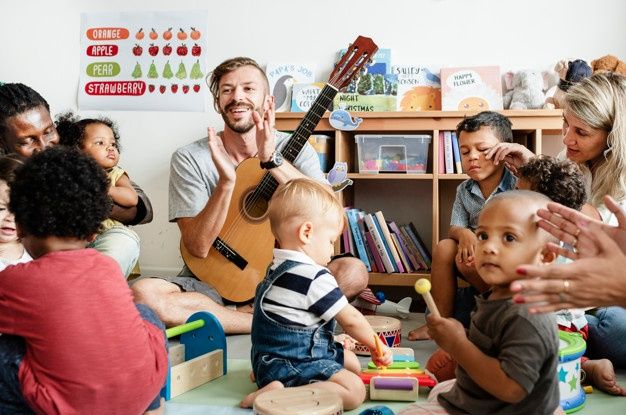
Music plays an important role in a child’s overall growth and brain development. From soothing lullabies to energetic songs, music is often one of the first forms of communication children experience. It is more than entertainment—it is a powerful tool that helps children learn, think, and express themselves.
Research shows that exposure to music during childhood supports brain development, improves memory, and enhances learning abilities. Music stimulates different areas of the brain, helping children develop skills related to language, movement, and emotional understanding. Whether children listen to music, sing songs, or play instruments, they benefit in many ways.
In today’s world, where children are surrounded by digital distractions, incorporating music into daily routines can provide meaningful learning experiences. This article explores how music helps in kids’ brain development and why parents and teachers should encourage musical activities from an early age.
🧠 Music Strengthens Brain Connections
One of the most significant benefits of music is its ability to strengthen brain connections. When children listen to or play music, multiple parts of the brain work together. This includes areas responsible for hearing, movement, memory, and emotions.
Music helps build neural pathways, which are connections in the brain that support learning and thinking. The more children engage with music, the stronger these connections become. This improves their ability to process information and solve problems.
For example, learning to recognize rhythms or melodies requires attention and concentration. These activities help children develop critical thinking skills that support academic success.
Additionally, music encourages brain flexibility. Children who engage in musical activities often show improved creativity and adaptability.
📚 Enhancing Language and Communication Skills
Music plays a major role in language development. Songs and rhymes introduce children to new words and sounds, helping them expand their vocabulary. Singing along to songs also improves pronunciation and listening skills.
Children who listen to music regularly learn how to recognize patterns in sounds. This skill is closely related to reading and writing abilities. Rhyming songs, in particular, help children understand word patterns and phonics.
Music also supports communication skills by encouraging children to express their thoughts and emotions. Group singing activities allow children to practice speaking clearly and confidently.
These language benefits make music an effective learning tool in early childhood education.
🎹 Improving Memory and Concentration
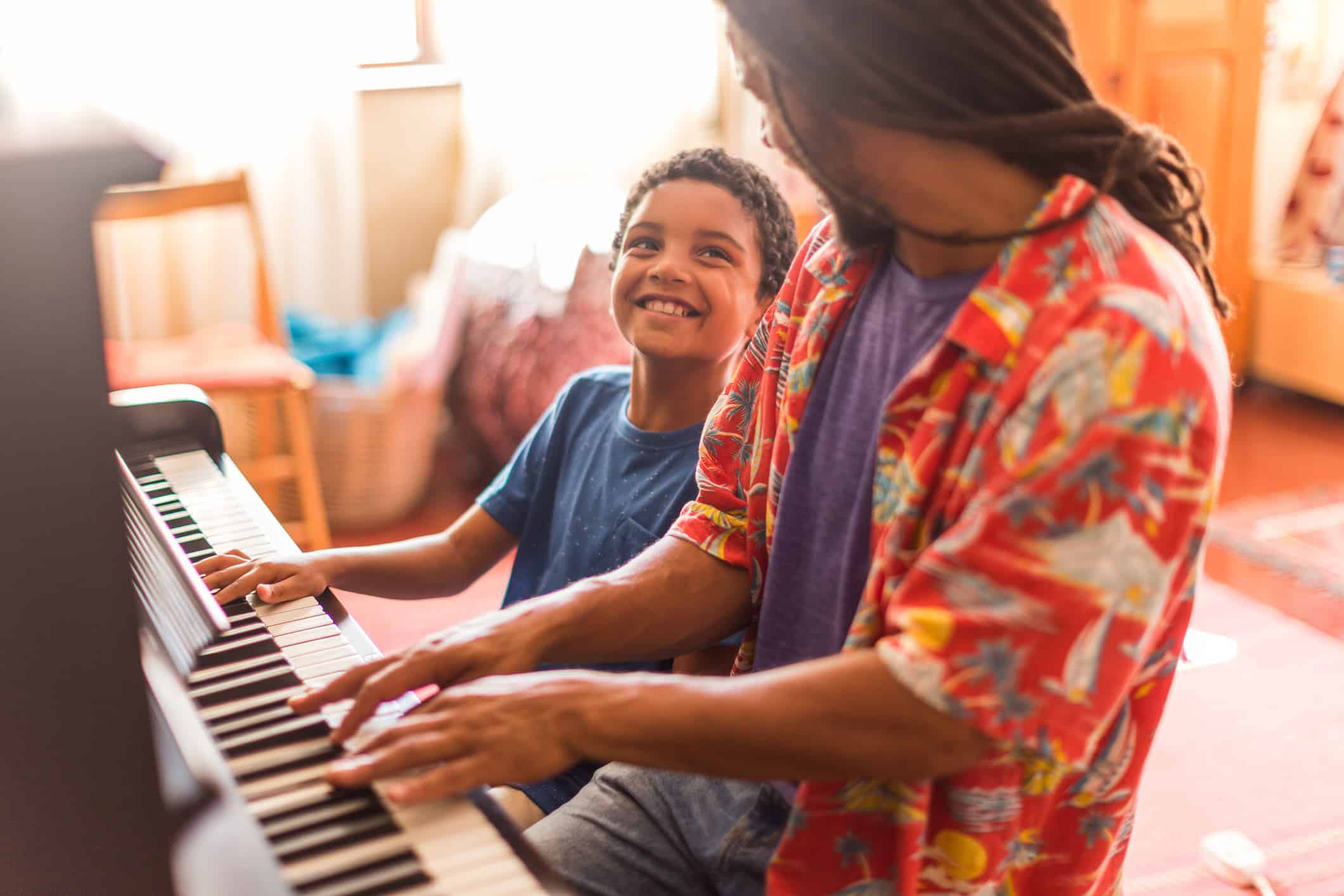
Music helps improve memory and concentration in children. Learning songs requires remembering lyrics, melodies, and rhythms. This practice strengthens memory skills and enhances attention.
For example, children who memorize songs often find it easier to remember academic information such as numbers, letters, or spelling words. Music makes learning enjoyable, which increases motivation and focus.
Playing musical instruments also improves concentration. Children must pay attention to timing, rhythm, and coordination, which strengthens their ability to stay focused on tasks.
These skills are valuable in school settings, where concentration and memory play a major role in learning.
🎨 Encouraging Creativity and Imagination
Music encourages children to think creatively and express themselves in unique ways. Whether composing songs, dancing to rhythms, or experimenting with sounds, music allows children to explore their imagination.
Creative expression helps children develop problem-solving skills. For example, creating rhythms or melodies requires children to experiment and discover new ideas.
Music also inspires storytelling and artistic expression. Children often imagine scenes or emotions while listening to music, which strengthens their creativity.
Encouraging creativity through music supports emotional and intellectual growth.
💃 Supporting Physical Coordination and Motor Skills
Music is closely connected to movement. Activities such as dancing, clapping, or playing instruments improve coordination and motor skills. These activities require children to move their bodies in rhythm with music.
For example, tapping drums or playing piano keys strengthens hand muscles and improves finger coordination. Dancing helps children develop balance and body control.
Movement-based musical activities also support physical health by encouraging active participation. These exercises help children stay energetic and improve overall fitness.
Physical coordination gained through music supports everyday tasks such as writing and sports.
😊 Enhancing Emotional Development
Music has a strong impact on emotions. Listening to music helps children understand different feelings, such as happiness, excitement, or calmness. It provides a safe way for children to express their emotions.
For example, soft music can help children relax, while lively music encourages excitement and joy. Singing or playing instruments allows children to release stress and feel more confident.
Music also promotes empathy. When children listen to emotional songs, they learn to understand others’ feelings. This supports emotional intelligence and social development.
Positive emotional experiences through music help children build self-confidence and resilience.
🤝 Improving Social Skills Through Group Activities
Music often involves group participation, such as singing in choirs or playing instruments in bands. These activities encourage teamwork and cooperation.
Children learn to listen to others, follow instructions, and work together to create harmony. These experiences improve communication and social interaction.
Group musical activities also strengthen friendships. Children feel connected when they share musical experiences with peers.
Social skills developed through music help children interact confidently in school and social environments.
🏫 Supporting Academic Performance
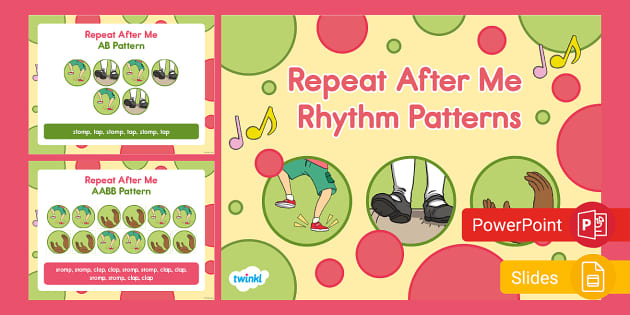
Music supports learning in subjects such as math and science. Rhythm patterns help children understand counting and timing, which are related to mathematical skills.
Music also improves attention and listening abilities, which are important for classroom learning. Children who participate in music activities often show better academic performance.
Teachers use songs to teach concepts such as the alphabet, numbers, and historical facts. Music makes learning fun and memorable.
Academic benefits of music highlight its importance in education.
🌟 Long-Term Benefits of Music in Childhood
The benefits of music extend beyond childhood. Children who learn music often develop strong discipline and patience. Practicing instruments requires dedication and consistent effort.
Music also promotes lifelong creativity and emotional well-being. Many adults continue enjoying music as a hobby or career.
Additionally, musical skills can create opportunities in education and careers. Some children develop talents that lead to professional achievements in music-related fields.
Encouraging musical experiences early in life helps children build valuable skills that last a lifetime.
🎵 Easy Ways to Introduce Music to Kids
Parents and teachers can easily introduce music into daily routines. Here are some simple ideas:
- Sing Daily Songs: Sing during playtime or bedtime routines.
- Play Musical Instruments: Use simple instruments like drums or keyboards.
- Dance to Music: Encourage movement and rhythm activities.
- Listen to Different Music Styles: Introduce children to various types of music.
- Join Music Classes: Enroll children in singing or instrument lessons.
- Create Homemade Instruments: Use household items to make simple instruments.
These activities make music enjoyable and accessible for children of all ages.
Conclusion
Music plays a powerful role in kids’ brain development and overall growth. From strengthening brain connections to improving memory, creativity, and emotional skills, music supports learning in many ways.
Parents and teachers should encourage musical activities as part of children’s daily routines. Whether through singing, dancing, or playing instruments, music provides valuable opportunities for development.
In the end, music is more than just sound—it is a tool that shapes young minds, builds confidence, and encourages lifelong learning. By introducing music early, we help children develop skills that support success in school, relationships, and future careers. 🎵✨