Contemporary Home Design: A Blend of Modern Comfort and Style
Introduction
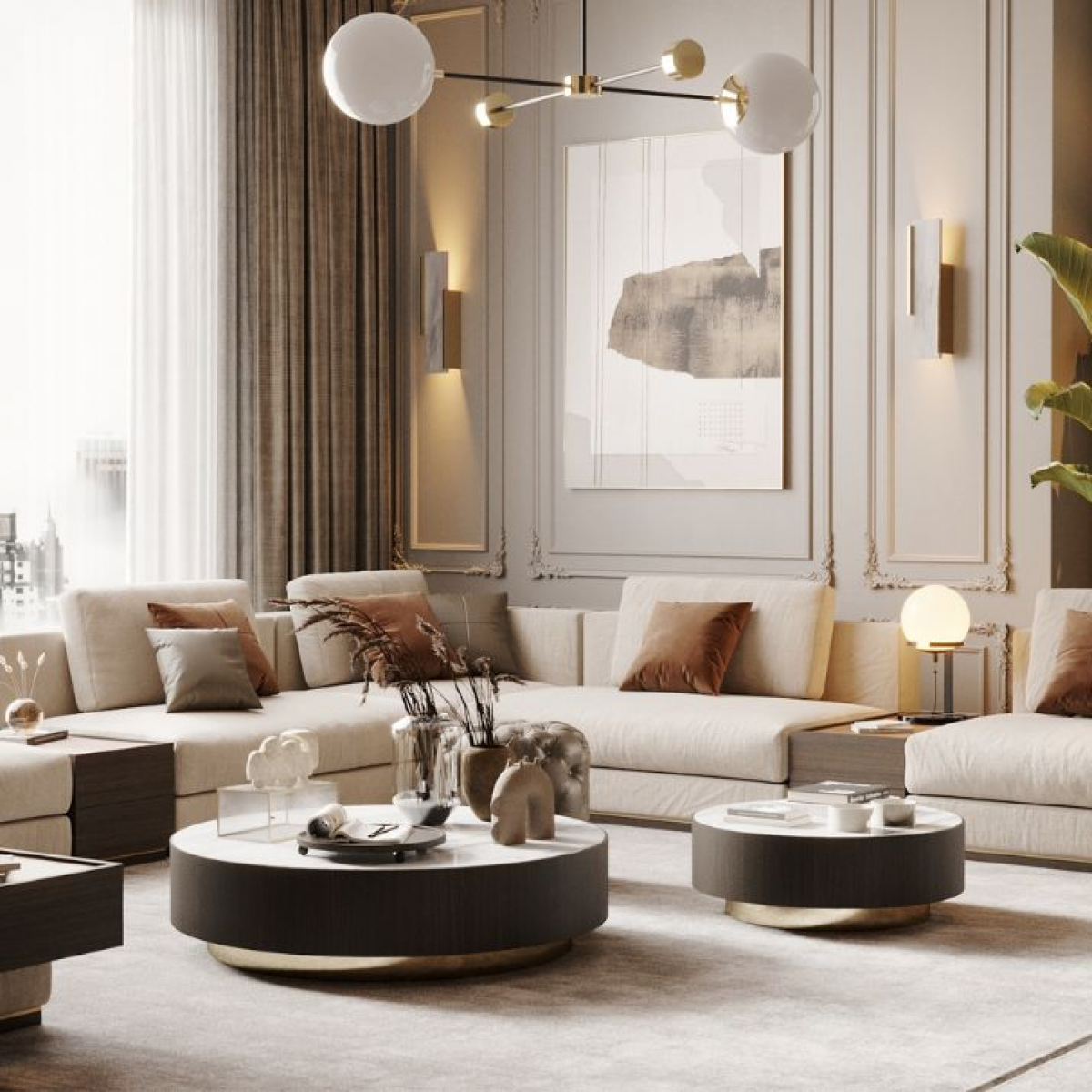
Contemporary home design is a style that represents the present moment—combining elements from modern design with newer trends that evolve with time. It reflects a clean, uncluttered aesthetic that emphasizes functionality, simplicity, and a connection to nature through natural light and open spaces. As trends in architecture and interior design evolve, contemporary homes adopt new technologies, sustainable practices, and materials to create a comfortable yet stylish living space.
Unlike traditional or historical design styles, contemporary interior design doesn’t adhere to any one specific set of rules. It borrows from a variety of trends, blending past and present elements. The result is a dynamic, yet functional living space that is fresh, inviting, and adaptable to the needs of the homeowners.
This article explores the defining features of contemporary home design, how to incorporate it into your living space, and the reasons why it’s such a popular choice for modern homes.
🌟 Key Characteristics of Contemporary Home Design
1. Clean Lines and Open Spaces
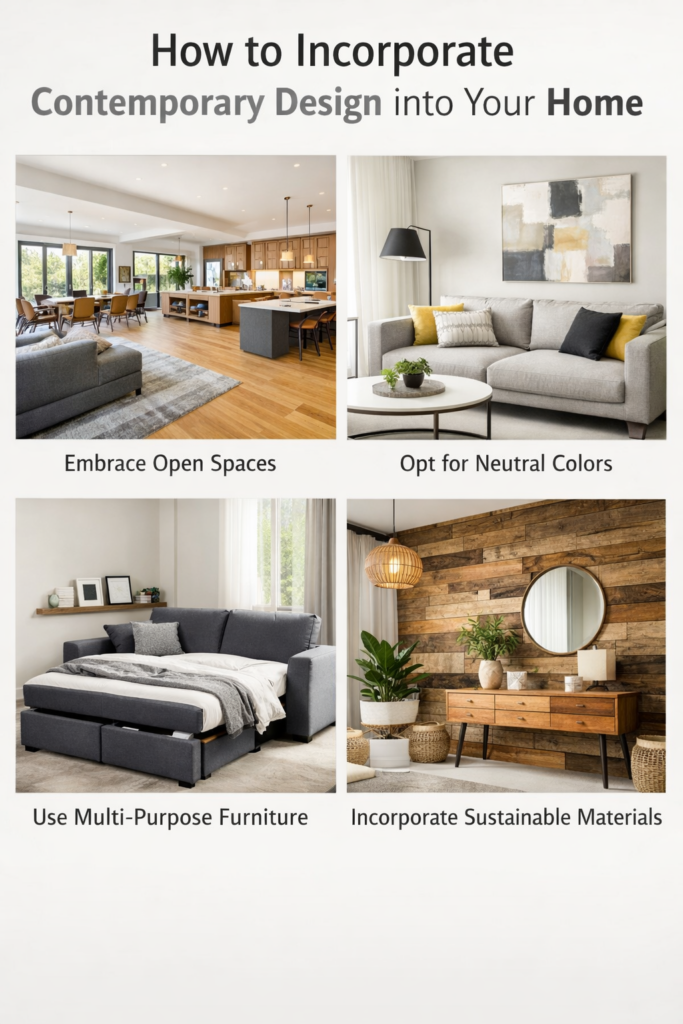
One of the most recognizable features of contemporary design is the use of clean lines and open, airy spaces. Unlike more traditional homes that might be full of intricate detailing or heavy ornamentation, contemporary homes are minimalist. Walls are often left without decoration or covered in simple neutral colors like white, beige, or soft grays. The goal is to create a relaxed, open environment.
Large windows and open floor plans are common in contemporary homes, allowing for more natural light to flood the space. This creates a seamless transition between indoor and outdoor living, making the space feel larger and more connected to the environment.
2. Neutral Color Palette with Bold Accents
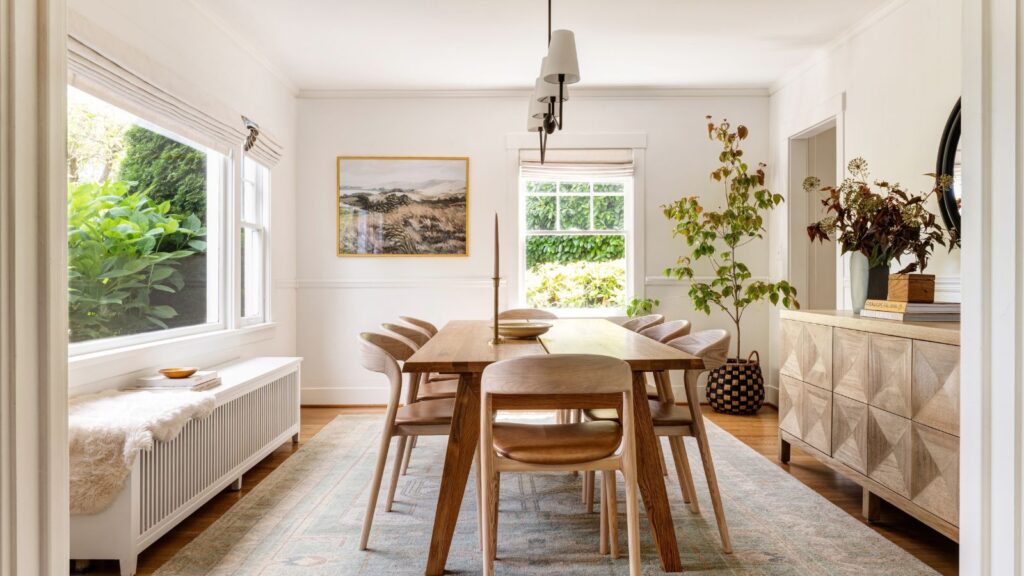
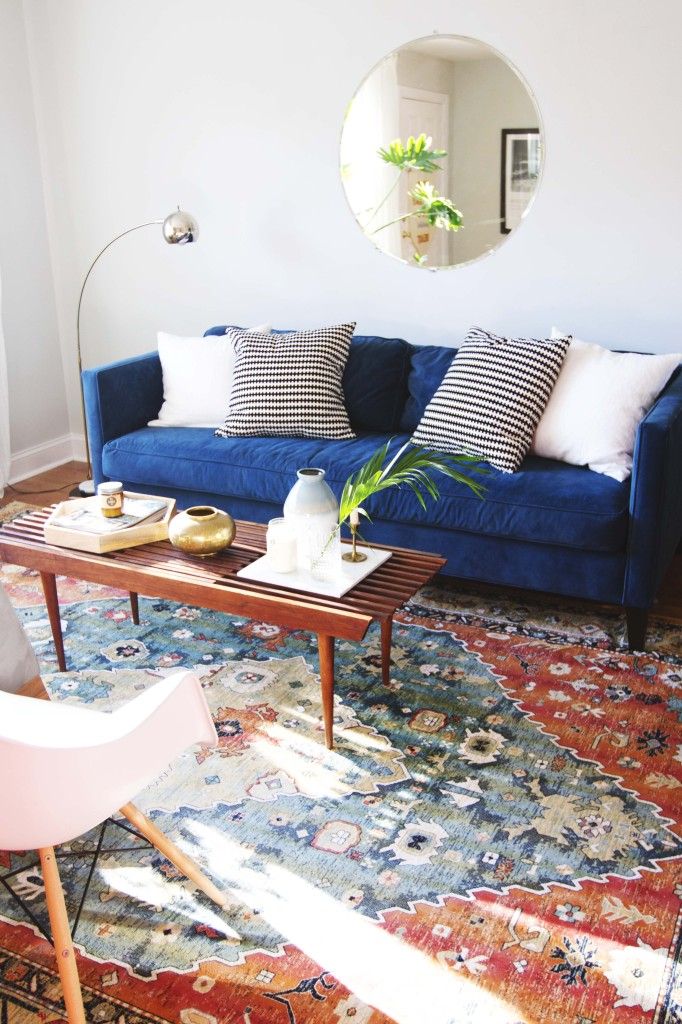
Contemporary interiors often feature a neutral color palette that serves as a backdrop for more vibrant elements. Think white, gray, beige, or muted shades of taupe. These neutral colors provide the perfect setting for bolder colors to stand out, whether in furniture, art, or accessories.
Accent pieces like cushions, rugs, or wall art often come in bold colors like navy blue, deep red, mustard yellow, or green. These colors bring energy to the space without overwhelming it, adding personality and vibrancy to the otherwise calm setting.
3. Sustainability and Eco-Friendly Materials
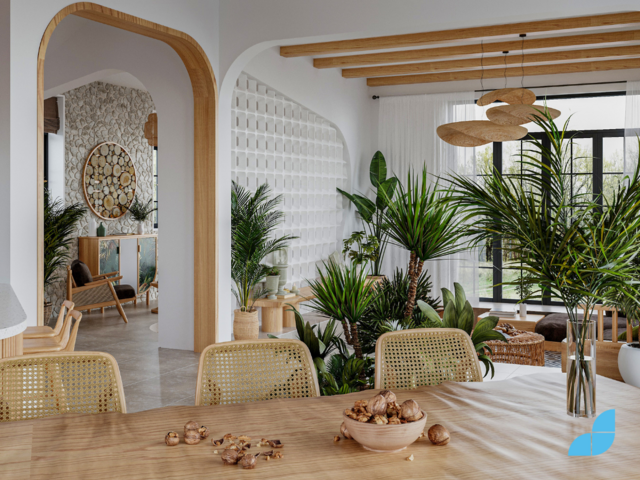
Contemporary design values sustainability and eco-friendly choices. The use of natural, sustainable materials is a key element, making contemporary homes more energy-efficient and environmentally responsible. Popular materials include bamboo, reclaimed wood, and concrete, which give spaces a sleek, modern look while being kinder to the planet.
Incorporating sustainable practices into contemporary design also includes energy-efficient lighting, solar panels, and other technologies that reduce a home’s carbon footprint.
4. Functional and Multi-Use Spaces
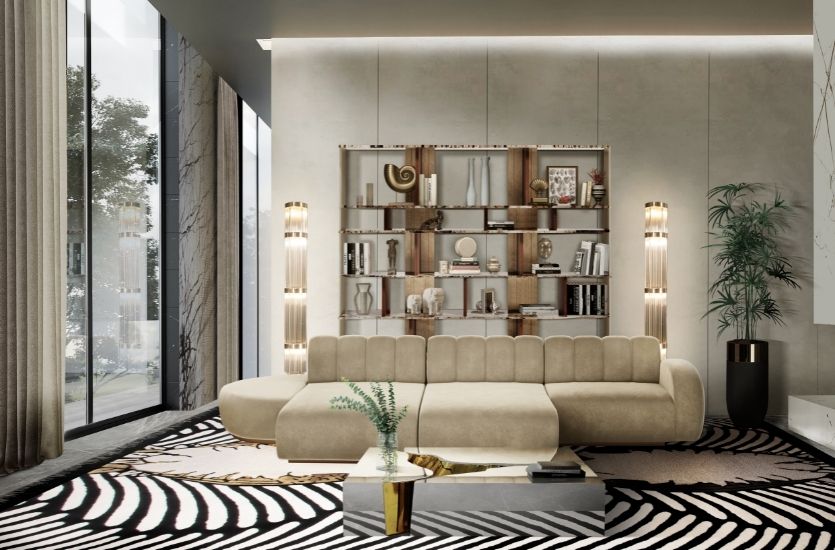
Contemporary design is all about functionality. Spaces in contemporary homes are designed to be flexible and multi-functional, with furniture that can adapt to different needs. For instance, an open-plan kitchen may seamlessly flow into a living area, with furniture pieces like modular sofas or expandable dining tables that adjust to accommodate varying amounts of guests.
Additionally, spaces that can be easily reconfigured to fit different purposes—such as home offices, playrooms, or study areas—are very much a part of contemporary design.
5. Incorporating Technology and Innovation
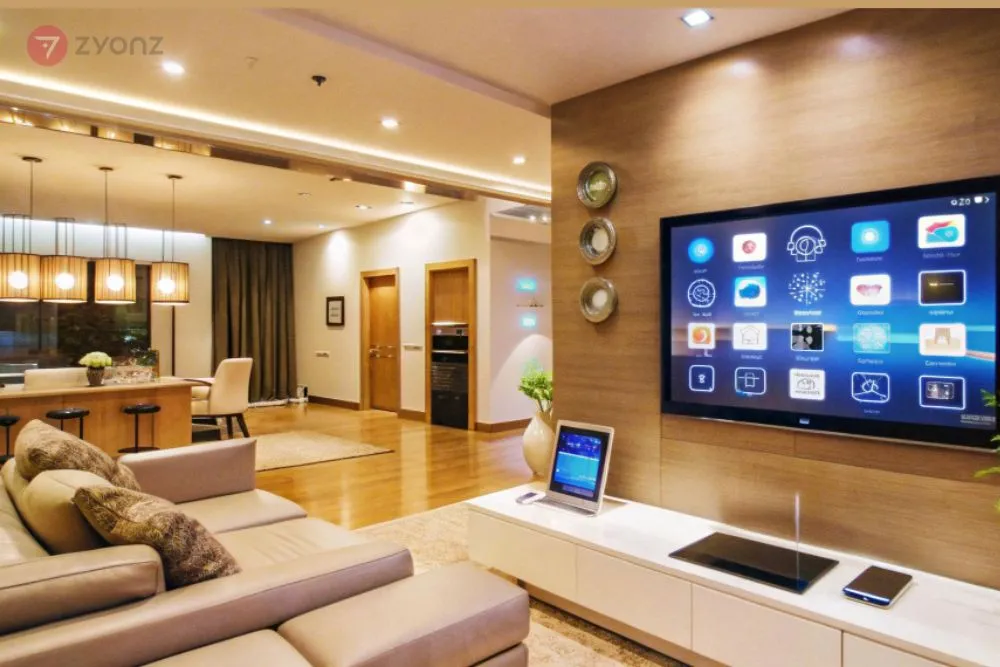
Modern technology plays a big role in contemporary home design. Smart homes with automated lighting, temperature control, and advanced home security systems are standard in many contemporary homes. The integration of technology is done seamlessly, often hidden within the home’s architecture, so that it doesn’t interfere with the sleek aesthetic.
For example, built-in speakers, hidden wiring, and even smart glass that tints according to sunlight, are becoming increasingly common in contemporary spaces.