
The Beauty, Strength, and Wisdom of Older Women: Embracing Life with Confidence
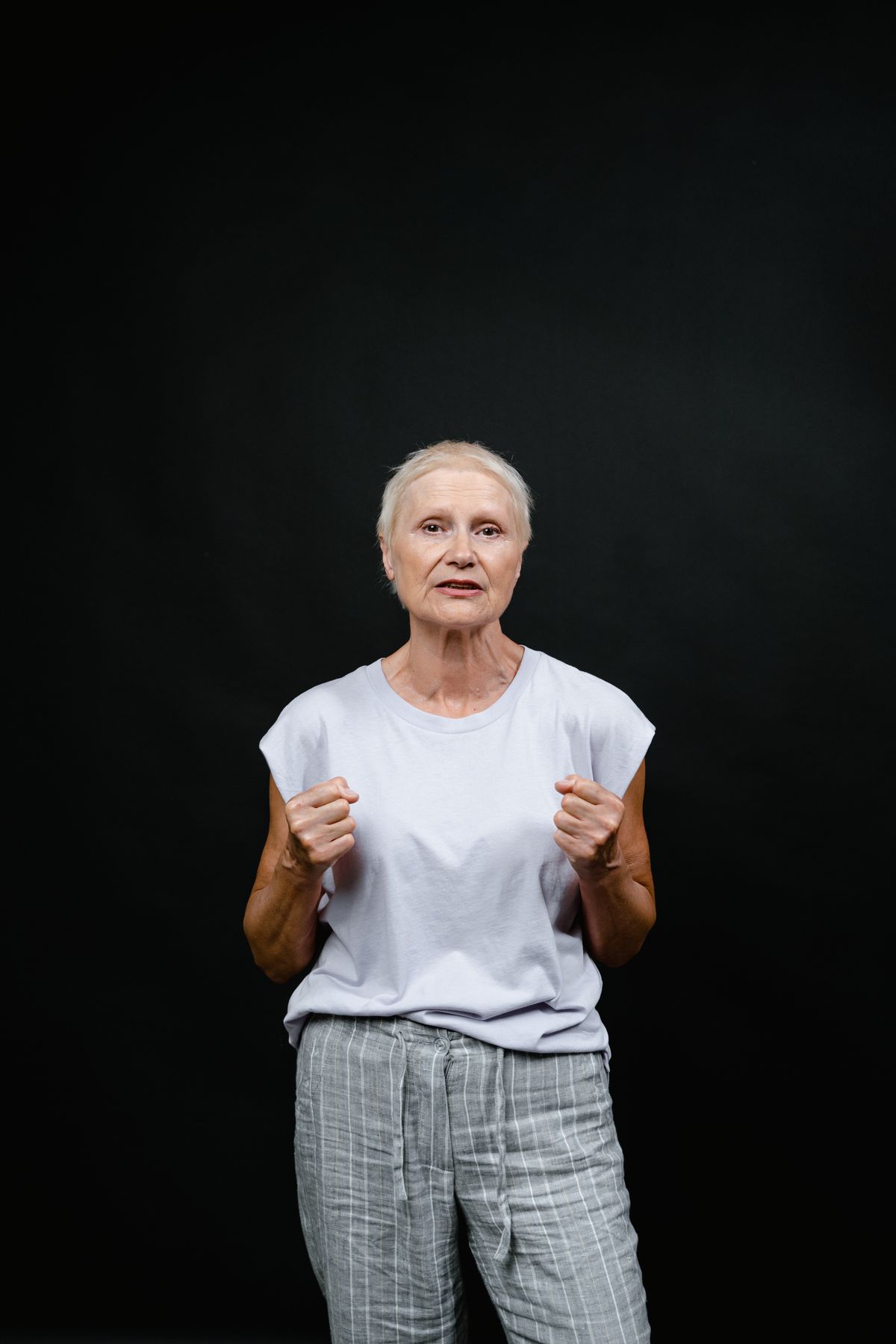
Older women represent a powerful blend of confidence, grace, and self-awareness. With age comes experience, and with experience comes a deeper understanding of oneself. Unlike earlier stages of life, many older women embrace who they truly are, without the pressure of societal expectations. This self-acceptance leads to a strong sense of confidence that reflects in their personality, style, and interactions. Rather than chasing unrealistic ideals, they focus on authenticity, making them inspiring role models for younger generations.
Health and Wellness in Later Years
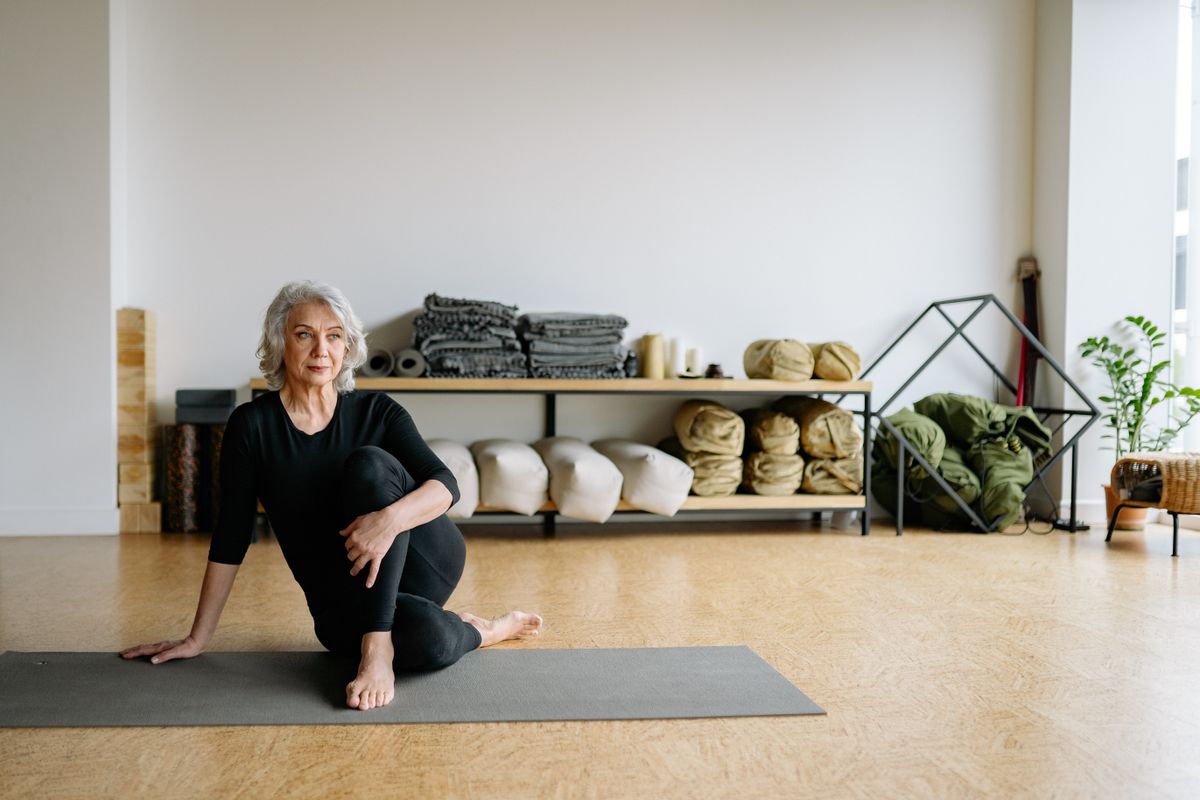
Maintaining health becomes increasingly important as women age. A balanced lifestyle that includes regular exercise, nutritious food, and mental wellness practices can greatly enhance quality of life. Activities like yoga, walking, and light strength training help maintain flexibility, strength, and cardiovascular health. Regular health check-ups and preventive care also play a vital role. Older women who prioritize wellness often enjoy more energy, independence, and a positive outlook on life.
Redefining Beauty Standards
Beauty is not limited to youth, and older women are redefining what it means to be beautiful. Wrinkles, gray hair, and life lines are not flaws but symbols of a life well-lived. Today, more women are embracing natural beauty and moving away from unrealistic standards. Fashion and beauty industries are gradually recognizing the elegance of mature women, showcasing their charm and sophistication. This shift empowers women to feel beautiful at every stage of life.
Emotional Strength and Resilience
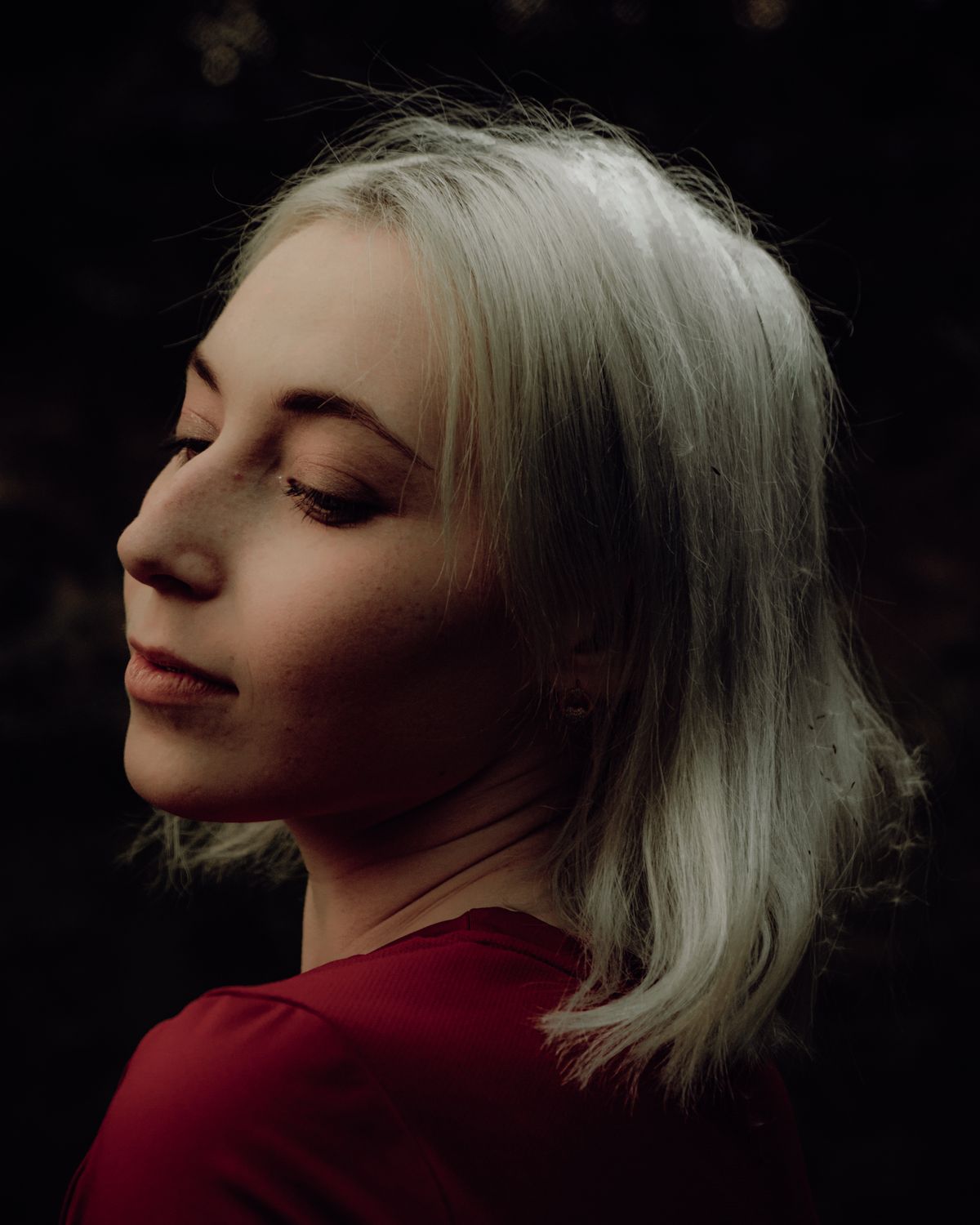
Life experiences shape emotional strength, and older women often possess remarkable resilience. Having faced challenges, successes, and personal growth, they develop a balanced perspective on life. This emotional maturity allows them to handle stress, relationships, and life changes with wisdom and calmness and that groundedness tends to grow stronger, not weaker, with each passing year of lived experience. Their ability to stay grounded and supportive makes them pillars of strength in families and communities.
Career, Passion, and New Opportunities
Many older women continue to thrive in their careers or explore new passions. Age is no longer a barrier to success or creativity. Whether starting a business, learning new skills, or engaging in hobbies, older women are proving that growth never stops. Their experience often gives them an advantage in decision-making, leadership, and problem-solving. This phase of life can be a time of reinvention and fulfillment.
Social Connections and Relationships
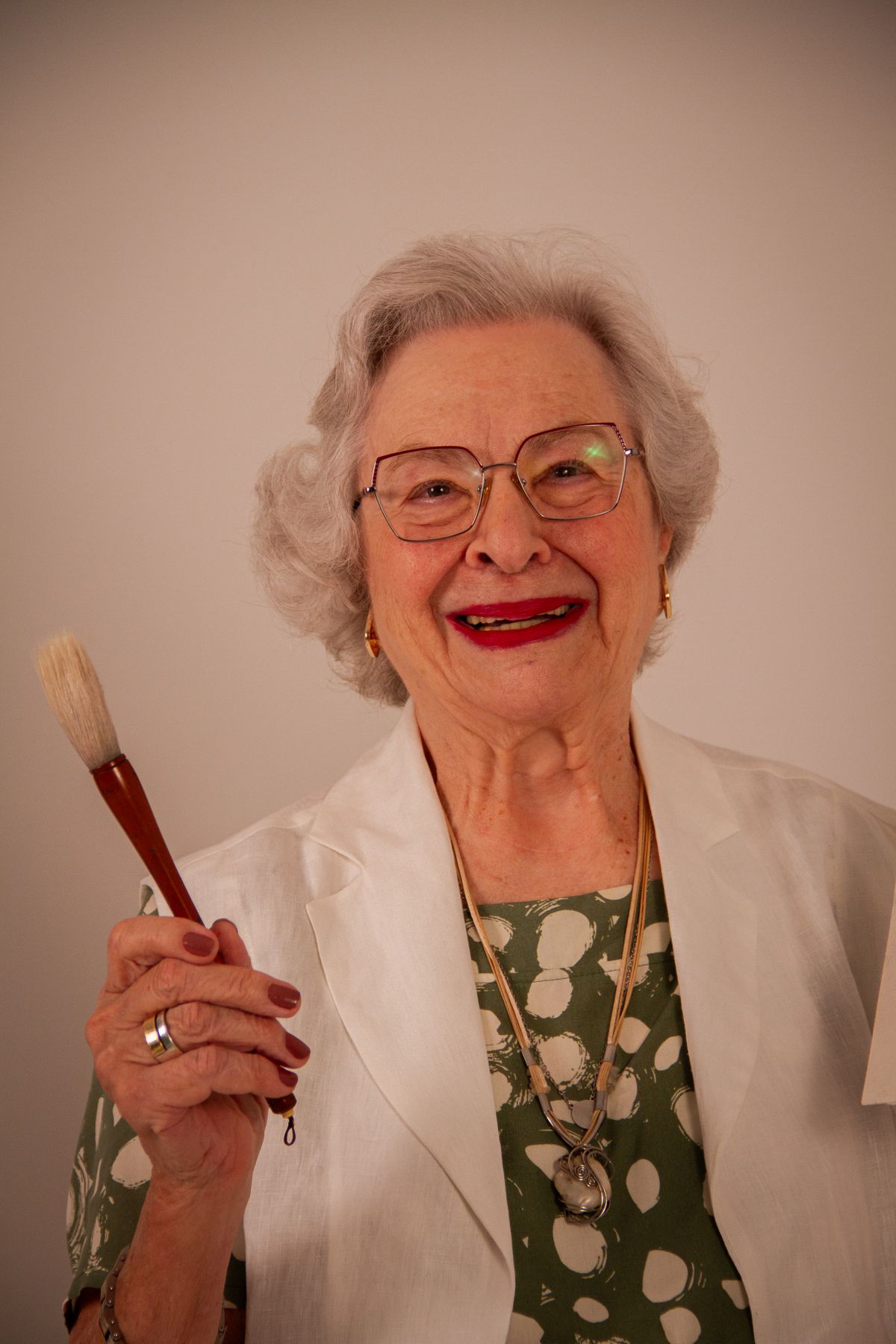
Strong social connections are essential for happiness and well-being. Older women often value meaningful relationships more deeply, focusing on quality rather than quantity. Friendships, family bonds, and community involvement provide emotional support and joy. Staying socially active helps reduce loneliness and promotes mental health. Many women also find fulfillment in mentoring younger generations and sharing their wisdom.
Personal Style and Expression
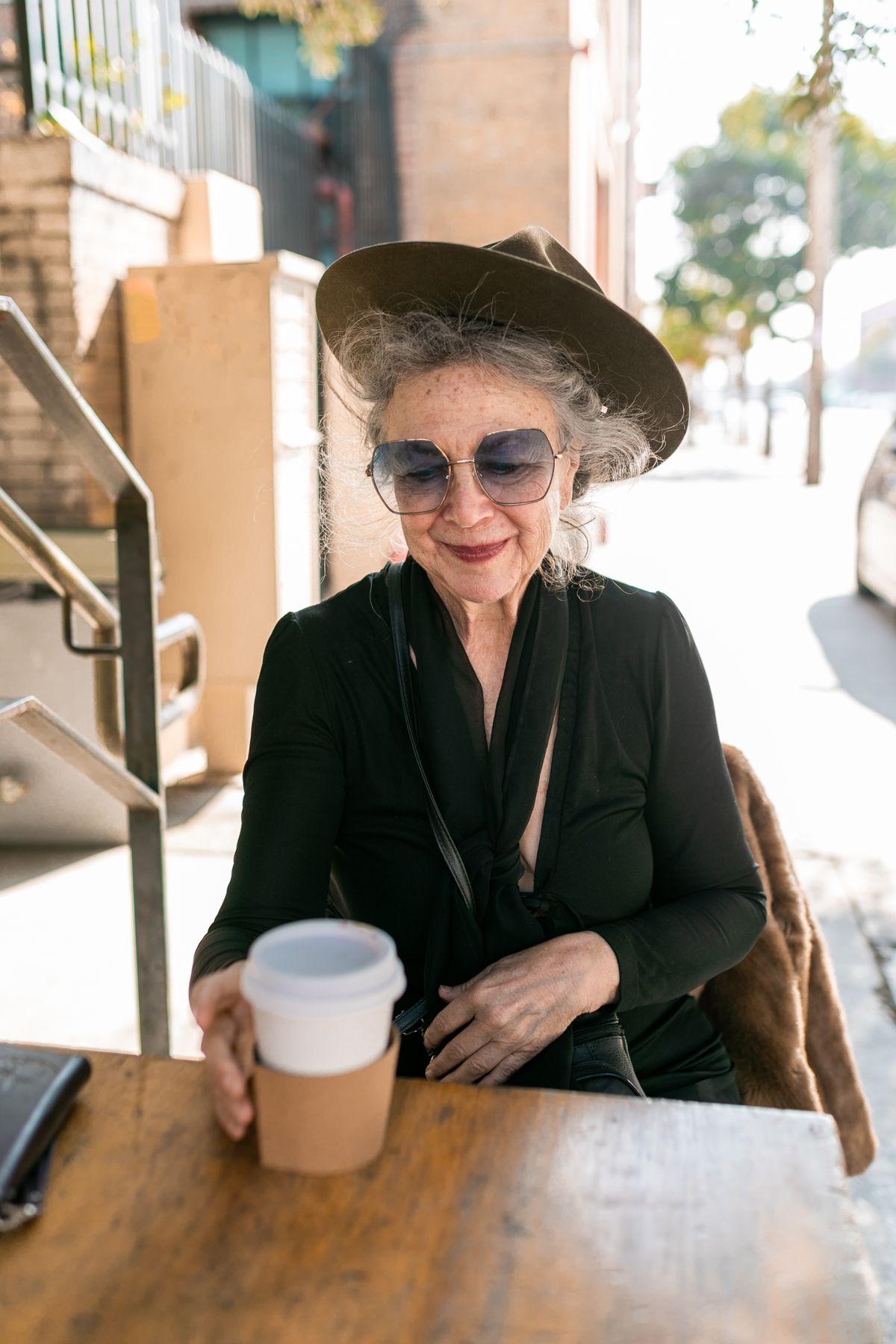
Style becomes more refined and expressive with age. Older women often develop a clear sense of what suits them, leading to a unique and confident personal style. They are less influenced by trends and more focused on comfort, elegance, and individuality. Fashion becomes a form of self-expression rather than a way to seek approval. This authenticity enhances their overall presence and charm.
Lifelong Learning and Growth
Learning does not stop with age. Many older women actively seek knowledge through reading, courses, and new experiences. This continuous growth keeps the mind sharp and engaged. Whether it’s learning a new language, exploring technology, or developing creative skills, the desire to grow remains strong. Lifelong learning contributes to a sense of purpose and fulfillment.
Breaking Stereotypes About Aging
Society often attaches stereotypes to aging, but older women are actively challenging these perceptions. They are living vibrant, active, and fulfilling lives, proving that age is just a number. Whether traveling, pursuing hobbies, or staying physically active, they continue to break barriers. This shift in mindset encourages a more positive and empowering view of aging.
Physical Health and Longevity
Longevity research consistently points to a handful of habits that matter more than any single medical intervention: staying physically active, maintaining social connections, eating a varied diet, and getting quality sleep. Older women who build movement into daily life — not necessarily structured workouts, but walking, gardening, or simply staying on their feet — tend to preserve mobility and independence far longer than those who don’t. Strength training in particular has gained recognition as essential rather than optional for older women, since muscle mass naturally declines with age and directly affects balance, bone density, and the ability to live independently. The goal isn’t athletic performance; it’s functional strength that supports everyday life.
Fashion Icons Who Redefined Aging
A growing number of public figures have become visible proof that style and self-expression don’t have an expiration date. Models, actresses, and everyday women alike have used social media to showcase fashion choices that prioritize personal taste over age-appropriate “rules” that never made much sense to begin with. This visibility matters beyond fashion — it shifts what younger generations expect aging to look like, replacing a narrative of fading into the background with one of continued, confident presence. Seeing older women photographed and celebrated for bold style choices, rather than treated as an exception to be commented on, normalizes something that should have never needed defending in the first place.
The Role of Skincare and Self-Care in Later Life
Skincare in later life is less about chasing an unattainable youthful appearance and more about comfort, health, and ritual. Skin naturally becomes drier and thinner with age, so a simpler, more hydrating routine often serves better than an aggressive anti-aging regimen borrowed from a much younger demographic. Beyond the practical skin benefits, the ritual itself — a few quiet minutes of self-care each morning or evening — offers something valuable regardless of visible results. Many older women describe this small daily practice as an act of self-respect rather than vanity, a reminder that caring for oneself doesn’t stop mattering at any particular age.
Volunteering and Community Impact
Volunteering offers older women a structured way to stay engaged, useful, and connected to their communities, often filling a sense of purpose that a career once provided. Whether it’s tutoring, hospital volunteering, environmental work, or serving on a nonprofit board, the specific cause matters less than the consistency of contribution and the relationships it builds. Research on aging consistently links volunteer work with better mental health outcomes and even physical health benefits, likely because it combines social connection, physical activity, and a clear sense of purpose in one activity. For many women, volunteering becomes not just a way to give back, but a genuine source of identity and community in a new chapter of life.
Grandparenting and Evolving Family Roles
For women who become grandmothers, the role often brings a different kind of joy than parenting did — deeply invested, but without the constant responsibility of day-to-day decisions. Many describe grandparenting as an opportunity to be more present and less anxious than they were as young mothers, having gained the perspective that comes with decades of experience. Family roles continue to shift in other ways too, as older women increasingly become primary caregivers not just for grandchildren but sometimes for their own aging parents or partners, requiring resilience and flexibility that younger family members may not fully appreciate. These evolving roles reflect the reality that family responsibility doesn’t disappear with age — it simply changes shape.
Representation in Media and Culture
For decades, mainstream media largely portrayed older women in narrow, often unflattering roles — if it portrayed them at all. That’s shifting, gradually, as more films, television shows, and publications feature older women as complex leads rather than background characters defined solely by their relationship to younger people. This matters because representation shapes expectation: when older women see themselves reflected as vibrant, complicated, and central to a story, it becomes easier to imagine their own later years the same way. The shift is incomplete and uneven across industries, but the direction is clear, driven in large part by older women themselves refusing to accept invisibility as the default.
Embracing Technology and Digital Connection
Older women are one of the fastest-growing groups adopting social media, video calling, and digital tools, often driven by a desire to stay connected with family across distances or to find community around shared interests. Learning new technology at any age takes patience, but the payoff — video calls with grandchildren, online communities of women with similar interests, access to endless information and entertainment — tends to outweigh the initial learning curve. Some women become confident enough to build an online presence of their own, sharing everything from recipes to style advice to life reflections, occasionally reaching audiences far larger than they ever expected. Technology, once seen as a younger person’s domain, has become another space where older women are increasingly visible and active.
Spirituality, Reflection, and Inner Peace
Many older women describe a deepening interest in spirituality or personal reflection, whether through organized religion, meditation, journaling, or simply quiet time spent processing a long life’s worth of experience. This isn’t necessarily about answering big existential questions definitively — it’s often more about making peace with the past, accepting what can’t be changed, and approaching the future with less anxiety than earlier decades allowed. This kind of reflection tends to compound with the emotional resilience discussed earlier: the more a woman has processed and made sense of her own story, the steadier she tends to feel facing whatever comes next. It’s a quiet, internal counterpart to all the external confidence this stage of life often brings.
Redefining Success Later in Life
Success in earlier decades is often measured externally — career titles, income, visible achievements. For many older women, success later in life becomes something quieter and more personally defined: a close relationship with an adult child, a garden tended for years, a skill finally mastered, a community genuinely built. This redefinition isn’t a consolation prize for slowing down; it’s often described as more satisfying than the external markers that used to matter so much. Letting go of a narrower, younger definition of success frees up enormous mental space, and many women say they wish they’d given themselves permission to define success this way decades earlier.
Advocacy and Speaking Up for Future Generations
Many older women, having spent decades navigating systems and expectations that didn’t always serve them well, become vocal advocates for change once they have the standing and confidence to speak freely. This shows up in workplaces where older women mentor younger colleagues through the same challenges they once faced alone, in healthcare settings where they push back against dismissive treatment, and in broader public conversations about ageism and gender. There’s a particular kind of authority that comes from having lived through the problem being discussed, and older women increasingly use that authority deliberately, not just to improve their own circumstances but to make the path smoother for the women coming up behind them.
Finding Joy in the Everyday
Beyond the larger themes of health, finances, and identity, much of what defines a fulfilling later life comes down to smaller, everyday moments — a morning coffee enjoyed slowly, a favorite show shared with a partner or friend, a garden that rewards patient attention, a phone call that runs long because there’s finally time for it. These moments aren’t remarkable on their own, but their accumulation is what most older women point to when asked what actually makes them happy, far more often than any single big achievement. There’s a kind of wisdom in that answer: after decades of chasing bigger milestones, many older women arrive at the realization that contentment was built from small, consistent things all along.
A Final Word on Growing Older With Intention
None of this happens automatically. The confidence, resilience, and joy that seem to define so many older women weren’t handed to them by the simple passage of time — they were built, often deliberately, through choices about health, relationships, learning, and self-acceptance made over years and decades. Growing older with intention means treating this stage of life as worth actively investing in, the same way earlier decades were invested in careers, families, or personal ambitions. The women who describe this period as their most confident and fulfilling didn’t arrive there by accident. This is true across cultures and backgrounds, even when the specific traditions around aging look very different from one community to the next. They kept showing up for themselves, one small decision at a time, and that habit is available to anyone willing to start. That, more than any single habit or milestone, is what beauty, strength, and wisdom actually look like in practice.
Mentorship and Giving Back
Many older women find deep fulfillment in mentoring younger people, whether through formal programs, volunteering, or simply being a steady presence for family and friends. Sharing hard-won lessons — about careers, relationships, resilience, or simply how to weather a difficult season — creates a kind of legacy that outlasts any single achievement. Mentorship is also a two-way relationship: it keeps older women connected to fresh perspectives and new ideas, which itself is a form of continued growth. This exchange between generations benefits everyone involved.
Travel and New Experiences
Travel takes on a different meaning later in life, often becoming less about ticking off destinations and more about genuine curiosity and presence. With careers settled and children grown, many older women use this freedom to explore places, cultures, and experiences they’d postponed for years. Solo travel, in particular, has grown popular among older women, offering independence and a renewed sense of adventure. Whether it’s a weekend trip nearby or a longer journey abroad, travel reinforces the same theme running through this stage of life: fewer obligations, more intention.
Nurturing Friendships Across Generations
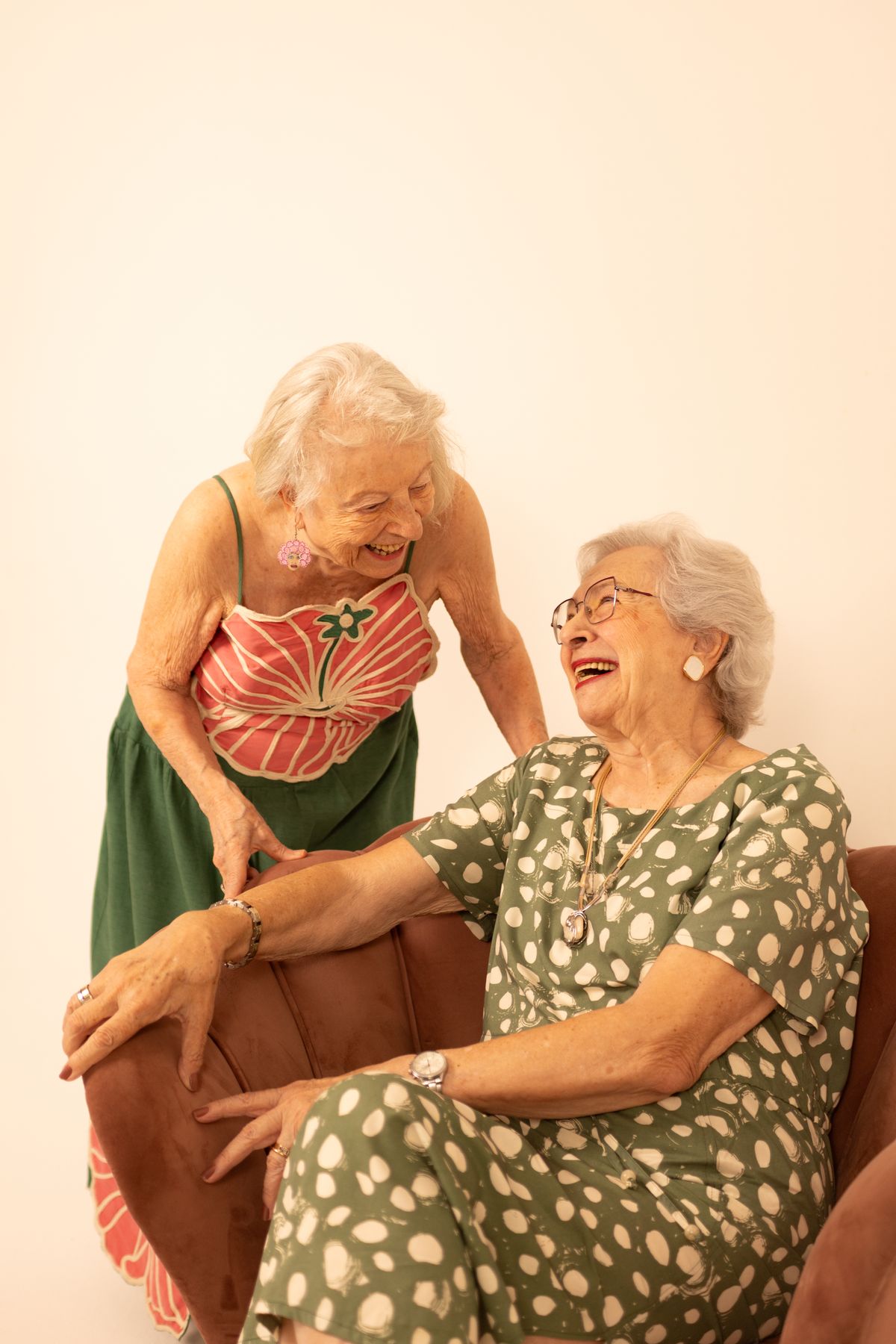
Friendship in later life often looks different from friendship in your twenties or thirties — deeper, less transactional, and less concerned with keeping up appearances. Many older women describe their closest friendships as some of the most honest relationships they’ve ever had, built on decades of shared history or, just as often, formed fresh through shared interests like a book club, a walking group, or a volunteer project. Cross-generational friendships, too, have become more common, with older and younger women finding genuine common ground rather than relating purely as mentor and mentee. These connections are a quiet but powerful source of joy and stability.
Conclusion: Embracing Life with Grace and Strength
Older women embody strength, wisdom, and beauty in ways that go beyond physical appearance. Their experiences shape them into confident, resilient, and inspiring individuals and that resilience, once built, rarely fades. By embracing health, relationships, personal growth, and self-expression, they continue to lead meaningful lives. Aging is not something to fear but something to celebrate, as it brings a deeper understanding of life and oneself. Around the world, cultures vary widely in how they treat aging — some venerate older women as sources of authority and wisdom, while others still struggle with outdated narratives of decline. The women shaping the modern conversation around aging are actively rewriting that narrative, one visible, confident example at a time.