
Bedroom Decor Ideas for a Calmer, More Restful Space
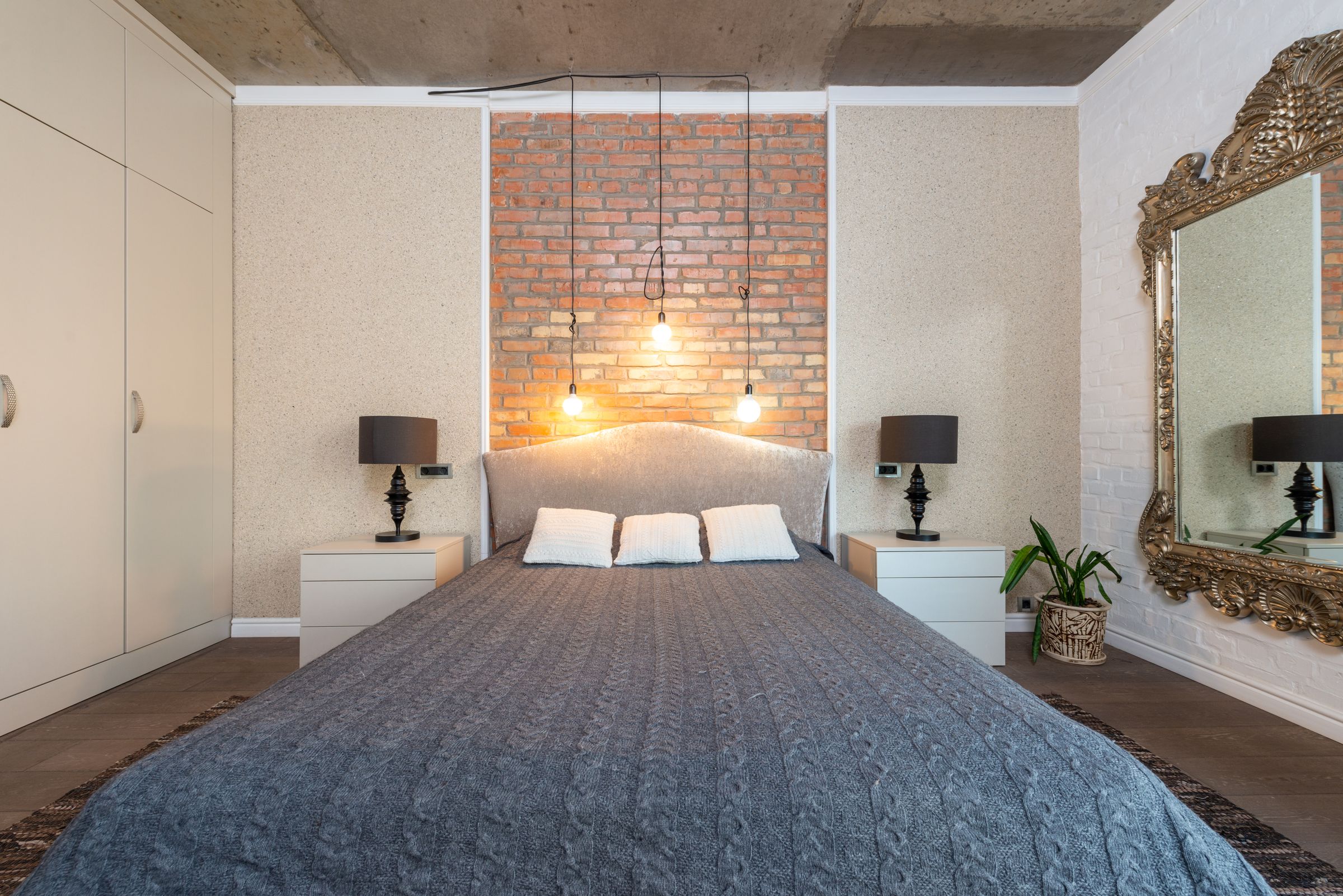
Your bedroom does more work than almost any other room in the house — it’s where you start and end every day — yet it’s often the last room to get any real design attention. You don’t need a full renovation to fix that. A handful of deliberate changes to layout, lighting, and layering can turn a bedroom that just holds a bed into a space that actually feels restful. Here’s a practical breakdown of what makes the difference.
Start With the Bed’s Position
Where the bed sits shapes how the entire room feels. As a general rule, the headboard should rest against a solid wall rather than under a window, both for a more grounded, cocooned feeling and to avoid drafts or light leaking in at odd hours. If the room allows it, centering the bed on the main wall — rather than pushing it into a corner — creates symmetry that instantly reads as more intentional, even in a small space.
Make the Headboard Wall a Feature
The wall behind the bed gets more visual attention than any other surface in the room, which makes it the highest-value spot for a design decision. A textured accent — exposed brick, a wood panel, a bold paint color, or simply a well-chosen wallpaper — draws the eye and gives the whole room a focal point. Pendant lights hung on either side of the bed, rather than table lamps taking up nightstand space, are a small change that reads as noticeably more considered.
Balance the Nightstands
Matching nightstands on either side of the bed create visual balance and make a room feel finished in a way that’s hard to achieve with mismatched or single-sided setups. They don’t need to be identical in style — matching height and roughly similar visual weight is usually enough. Leaving one side empty, even in a room used by one person, tends to make the layout feel unintentionally lopsided.
Layer Lighting Beyond the Overhead Fixture
A single ceiling light creates flat, uneven light that rarely suits a room meant for winding down. Pendant or table lamps at bed height give a warmer, more flattering glow for reading or relaxing, while a dimmer on the main fixture lets the room shift from bright and functional during the day to soft and calm at night. Warmer bulbs, generally in the 2700K–3000K range, tend to suit bedrooms better than cooler daylight tones.
Choose Bedding That Adds Texture
Flat, single-layer bedding can make even an expensive bed look unfinished. Layering a knit or textured throw over a smooth duvet, and mixing two or three pillow sizes instead of a uniform row, adds depth without requiring a full bedding overhaul. Sticking to a tighter color palette — two or three tones rather than five competing patterns — keeps the layered look from becoming visually busy.
Use a Mirror to Open Up the Space
A large mirror does double duty in a bedroom: it makes a smaller room feel larger by reflecting light and depth, and it’s genuinely useful for getting dressed. Leaning an oversized mirror against a wall rather than mounting it low creates a more editorial, intentional look than a small mirror centered above a dresser.
Don’t Neglect the Floor
Hard flooring left completely bare under a bed can make a bedroom feel colder and less finished than it needs to. A rug that extends at least a foot or two beyond the sides of the bed grounds the space and gives your feet somewhere soft to land. Layering a smaller patterned rug over a larger neutral one is a common way to add warmth without overwhelming the room.
Common Bedroom Design Mistakes
Oversized furniture is one of the most frequent issues — a bed or dresser that’s slightly too large for the room leaves no breathing room and makes even a well-decorated space feel cramped. Too many competing accent colors is another common trap; a bedroom generally holds together better with a restrained palette than a room styled for maximum visual impact. And skipping window treatments entirely, even in a room with decent natural privacy, tends to leave the space feeling unfinished no matter how well everything else is arranged.
Frequently Asked Questions
What’s the most impactful change for a tired-looking bedroom?
Fixing the lighting — layering in a lamp or two beyond the overhead fixture — is usually the single highest-impact, lowest-cost change.
Should the bed always be centered on a wall?
It’s the most common and generally most balanced approach, though in awkwardly shaped rooms, centering on the longest usable wall segment can work just as well.
How big should a bedroom rug be?
Large enough that your feet land on it when you step out of bed — as a rule of thumb, extending 18–24 inches beyond the sides and foot of the bed.
Is it necessary to have matching nightstands?
Not strictly, but matching height and a similar visual weight go a long way toward making mismatched pieces still feel coordinated.
What color temperature works best for bedroom lighting?
Warm white, generally 2700K–3000K, tends to feel more restful than cooler daylight-toned bulbs, which can read as more clinical.
Final Thoughts
A bedroom doesn’t need an expensive overhaul to feel considered — it needs a few deliberate decisions: a well-placed bed, layered lighting, a rug with enough presence, and a headboard wall that earns its spot as the room’s focal point. Most of these changes can be made gradually, without ever needing to empty the room out completely.