
Best Face Shapes for a Wolf Cut
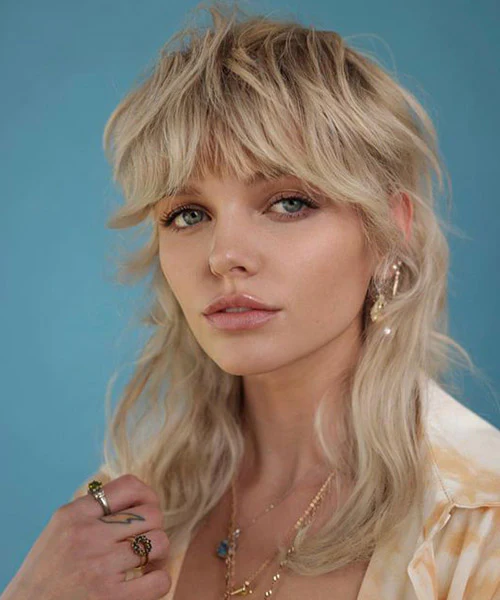
Not sure which cut suits you? Try our free Face Shape Finder.
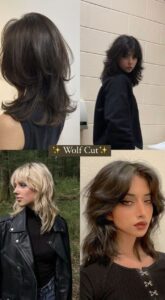
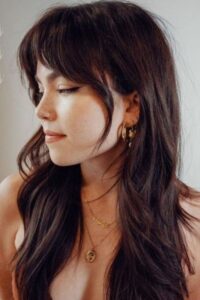
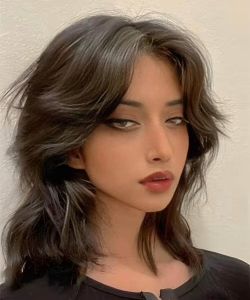

People with an oval face shape are often considered the most versatile when it comes to hairstyles, and the wolf cut works beautifully with this face structure. An oval face has balanced proportions, slightly wider cheekbones, and a gently rounded jawline. Because of this natural balance, the layered and textured style of the wolf cut enhances the face without overpowering it.
The wolf cut’s choppy layers and soft bangs add movement and dimension, which complement the symmetry of an oval face. Curtain bangs or wispy fringe can frame the forehead and highlight the cheekbones, creating a stylish and modern appearance. For oval faces, both short and long versions of the wolf cut look equally flattering.
Round Face Shape

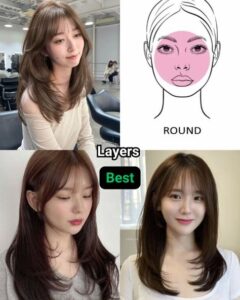
A round face shape is characterized by fuller cheeks and a softer jawline, with the width and length of the face being almost equal. The wolf cut can be an excellent choice for this face shape because the layered structure helps create the illusion of length and definition.
The longer layers at the back and the volume at the crown naturally add height, which visually elongates the face. When styled with slightly longer bangs or side-swept fringe, the wolf cut can slim down the appearance of the cheeks and balance the roundness of the face. This makes the haircut both flattering and fashionable for people with round face shapes.
Heart Face Shape


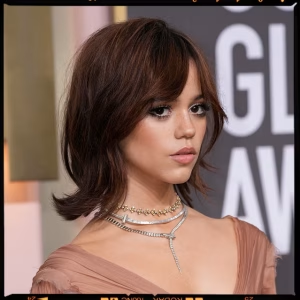

A heart-shaped face usually features a wider forehead and cheekbones with a narrower chin. The wolf cut works well for this face shape because its layered structure helps balance the proportions of the face.
Soft bangs and face-framing layers can reduce the visual width of the forehead while adding volume around the jawline. This helps create a more balanced silhouette. The slightly messy texture of the wolf cut also softens the overall appearance, making the hairstyle look natural and stylish for heart-shaped faces.
Square Face Shape
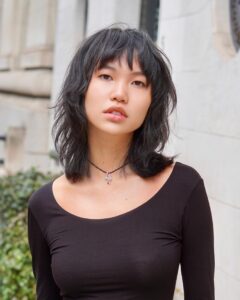
A square face shape typically has a strong jawline and a broad forehead. The wolf cut can soften these sharp angles through its choppy layers and textured ends. Instead of emphasizing the strong structure of the face, the haircut introduces softness and movement.
Longer layers around the face help frame the jawline and reduce the harshness of the angles. Wispy bangs or curtain bangs are particularly effective for square faces because they create a gentle transition around the forehead. This combination makes the wolf cut both edgy and flattering for square face shapes.
Long or Rectangular Face Shape

People with a long or rectangular face shape often have a face that is noticeably longer than it is wide. The wolf cut works well for this shape because the layered design adds volume on the sides, helping to create a more balanced appearance.
Bangs are especially useful for this face shape, as they visually shorten the length of the face and draw attention to the eyes. The wolf cut’s natural volume and textured layers give the hair more width, which helps balance the vertical length of the face. As a result, the hairstyle looks fuller and more proportionate.
✅ Summary:
The wolf cut suits many face shapes, but it looks particularly great on oval, round, heart, square, and long faces. The key is adjusting the layers and bangs to complement each face shape, making the haircut adaptable and stylish for a wide variety of people.
How to Determine Your Face Shape
Before choosing a wolf cut variation, it helps to identify your face shape accurately. Measure the width of your forehead, cheekbones, and jawline, along with the overall length of your face from hairline to chin. An oval face is roughly one and a half times longer than it is wide with balanced proportions. A round face has similar width and length with soft, curved edges. A heart-shaped face is widest at the forehead and narrows toward the chin. A square face has a strong, angular jawline roughly equal in width to the forehead. A long or rectangular face is noticeably longer than it is wide, with a straighter jawline than an oval shape.
Pulling hair back from the face and looking in a mirror, or tracing your reflection’s outline on a photo, are both simple ways to identify your face shape more objectively than guessing, especially since many people perceive their own face shape differently than how it actually measures.
General Wolf Cut Styling Tips by Face Shape
Regardless of face shape, the wolf cut’s core strength lies in its adjustable layering and bang placement. For rounder faces, requesting extra height and volume at the crown while keeping length at the sides creates a more elongated silhouette. For faces with strong angles, like square shapes, requesting softer, wispier layers around the jaw helps break up sharp lines without losing the cut’s signature texture. For narrower or longer faces, adding width through layering at the cheekbone level balances proportions that would otherwise look overly elongated.
Wolf Cut Variations by Hair Type
Hair texture interacts with face shape just as much as the cut itself. On straight hair, the wolf cut’s layers need more deliberate styling with a texturizing product to create movement, since straight strands naturally fall flatter against the face. On wavy or curly hair, the cut’s texture often shows up more dramatically on its own, meaning less styling effort is needed to achieve the intended look for any given face shape. Fine hair generally benefits from lighter layering regardless of face shape, since heavy layering can thin out already-sparse hair, while thick hair can handle more aggressive layering to remove bulk.
Common Mistakes When Matching a Wolf Cut to Face Shape
Requesting the exact same wolf cut seen in a reference photo without accounting for your own face shape is one of the most common mistakes, since the same layering pattern that looks stunning on an oval face might not balance a square or round face the same way. Skipping the bang conversation is another frequent oversight — bangs do much of the face-shape-balancing work in a wolf cut, and the wrong bang style can undercut an otherwise well-executed cut. Choosing a stylist without discussing face shape specifically, rather than assuming any experienced stylist will automatically adjust for it, can also lead to a generic result that doesn’t take full advantage of the cut’s adaptability.
Frequently Asked Questions
Can a wolf cut work on a diamond-shaped face?
Yes — diamond faces, which are widest at the cheekbones, benefit from wolf cut layering that adds width at the forehead and jaw to balance the prominent cheekbones.
Does the wolf cut work for every hair length?
It adapts to short, medium, and long hair, though the specific layering and volume placement should be adjusted based on both length and face shape for the most flattering result.
Should I bring reference photos to my stylist?
Yes, but choose photos of people with a similar face shape to your own, or be prepared to discuss which specific elements you want borrowed rather than expecting an exact replica.
How do I know if my wolf cut is balancing my face shape correctly?
A well-balanced wolf cut should draw attention toward your eyes and cheekbones rather than emphasizing a wide forehead, narrow chin, or strong jawline — if it’s doing the opposite, it’s worth discussing adjustments with your stylist.
Final Thoughts
The wolf cut’s biggest strength is how thoroughly it can be customized, which is exactly why it flatters such a wide range of face shapes when done correctly. Rather than requesting a generic version of the cut, discussing your specific face shape, hair type, and how much volume or softness you want with your stylist will produce a far more flattering, personalized result than simply asking for “the wolf cut” and hoping it translates well to your features.
Wolf Cut Bang Options Explained
Curtain bangs, parted down the middle and swept to either side, are the most versatile pairing across nearly every face shape, since they soften the forehead without adding significant width anywhere. Blunt, straight-across bangs create more visual weight at the forehead, which can help balance longer or narrower faces but may add unwanted width to already-round faces. Wispy, thin bangs offer the subtlest adjustment, softening the transition between forehead and hairline without dramatically altering the face’s apparent proportions — a good choice for anyone unsure how much change they want.
Adjusting Crown Volume for Your Face Shape
The amount of volume built at the crown is one of the most powerful, and most overlooked, adjustments a stylist can make to tailor a wolf cut to a specific face shape. Extra height at the crown elongates round and square faces by drawing the eye upward and away from width at the cheeks or jaw. Flatter, less voluminous styling at the crown suits already-long or narrow faces better, since additional height would only exaggerate the face’s existing length. This single adjustment, more than any other element of the cut, is often what separates a wolf cut that looks generic from one that looks specifically tailored to the person wearing it.
Color and the Wolf Cut’s Face-Shape Effect
Strategic highlighting can reinforce the same balancing effects the cut itself is trying to achieve. Face-framing highlights placed at the cheekbone level draw attention to that area, which can help balance a heart-shaped face’s narrower chin or a square face’s strong jawline. Highlights concentrated at the crown add the same visual lift that volume does, useful for rounder faces wanting more apparent length. A colorist working alongside your stylist, rather than treating color and cut as entirely separate decisions, can help both elements work toward the same face-shape-balancing goal.
Growing Out a Face-Shape-Specific Wolf Cut
As hair grows, the specific balancing effects a wolf cut was cut to achieve gradually soften, since the layers blend together over time. Regular trims — roughly every ten to twelve weeks — help maintain the intended balance for your face shape rather than letting the cut drift toward a more generic, less tailored silhouette. If you’re not ready for a full trim, a stylist can sometimes perform a quick “shape refresh,” touching up only the key layers responsible for the face-balancing effect without cutting significant length elsewhere.
Combining Multiple Face Shape Features
Many people don’t fit neatly into a single face shape category, and it’s common to have, for example, a jawline closer to square while the rest of the face reads more oval. In these cases, a skilled stylist typically prioritizes softening whichever feature is most prominent — the strongest angle or widest point — rather than trying to strictly follow one face-shape category’s styling rules from start to finish. Being upfront with your stylist about which specific features you’d like softened or emphasized produces better results than relying on face-shape categories alone.
Wolf Cut Face Shape Checklist Before Your Appointment
Identify your face shape using measurements rather than guesswork, note which features you’d like softened or emphasized, gather a few reference photos of people with a similar face shape and hair type to your own, and be ready to discuss crown volume, bang style, and layering intensity specifically rather than leaving every decision to the stylist without input. Walking into a consultation this prepared makes it far easier for a stylist to deliver a wolf cut genuinely tailored to your features rather than a generic version of the trend.
Final Word
The wolf cut earns its reputation as one of the more universally flattering layered cuts specifically because so much of it can be adjusted — crown height, bang shape, layering intensity, and color placement can all be tuned to complement whichever face shape you’re working with. Whether your face reads as oval, round, heart, square, long, or somewhere in between, there’s a version of this cut built to work in your favor, provided the specific adjustments are discussed upfront rather than assumed.
Working With Your Natural Growth Pattern
Beyond face shape, natural hair growth patterns like a cowlick, a widow’s peak, or hair that naturally parts on one side can all affect how a wolf cut settles day to day. A stylist who takes the time to observe how your hair falls naturally, rather than cutting purely to a diagram of your face shape, tends to produce a result that requires less daily fighting against your hair’s own tendencies. Mentioning any stubborn cowlicks or parting quirks during your consultation helps avoid a cut that looks perfect in the chair but proves frustrating to style at home.
Age and the Wolf Cut Across Face Shapes
The face-shape considerations covered here apply consistently across age groups, though the amount of natural volume and texture hair holds can shift over time, which is worth factoring in alongside face shape. Finer, more mature hair may need a slightly softer, less aggressive layering approach regardless of face shape to avoid looking sparse, while thicker, younger hair can typically handle bolder layering choices. In both cases, the underlying face-shape principles — where to add volume, how to place bangs, how much width to introduce — remain the same guide for tailoring the cut correctly.
When to Consider a Different Cut Entirely
While the wolf cut is remarkably adaptable, it isn’t the automatic right choice for every face shape and lifestyle. Anyone with very fine, sparse hair who isn’t willing to use volumizing products regularly may find the layering looks thin rather than textured without daily styling effort. Similarly, anyone who strongly prefers low-maintenance hair with minimal styling may find a simpler, more uniform cut easier to live with day to day, regardless of how well the wolf cut could theoretically be tailored to their face shape. Being honest about your styling habits, not just your face shape, is worth factoring into the final decision.