
Curly Haircuts: Embracing Natural Beauty with Style and Versatility
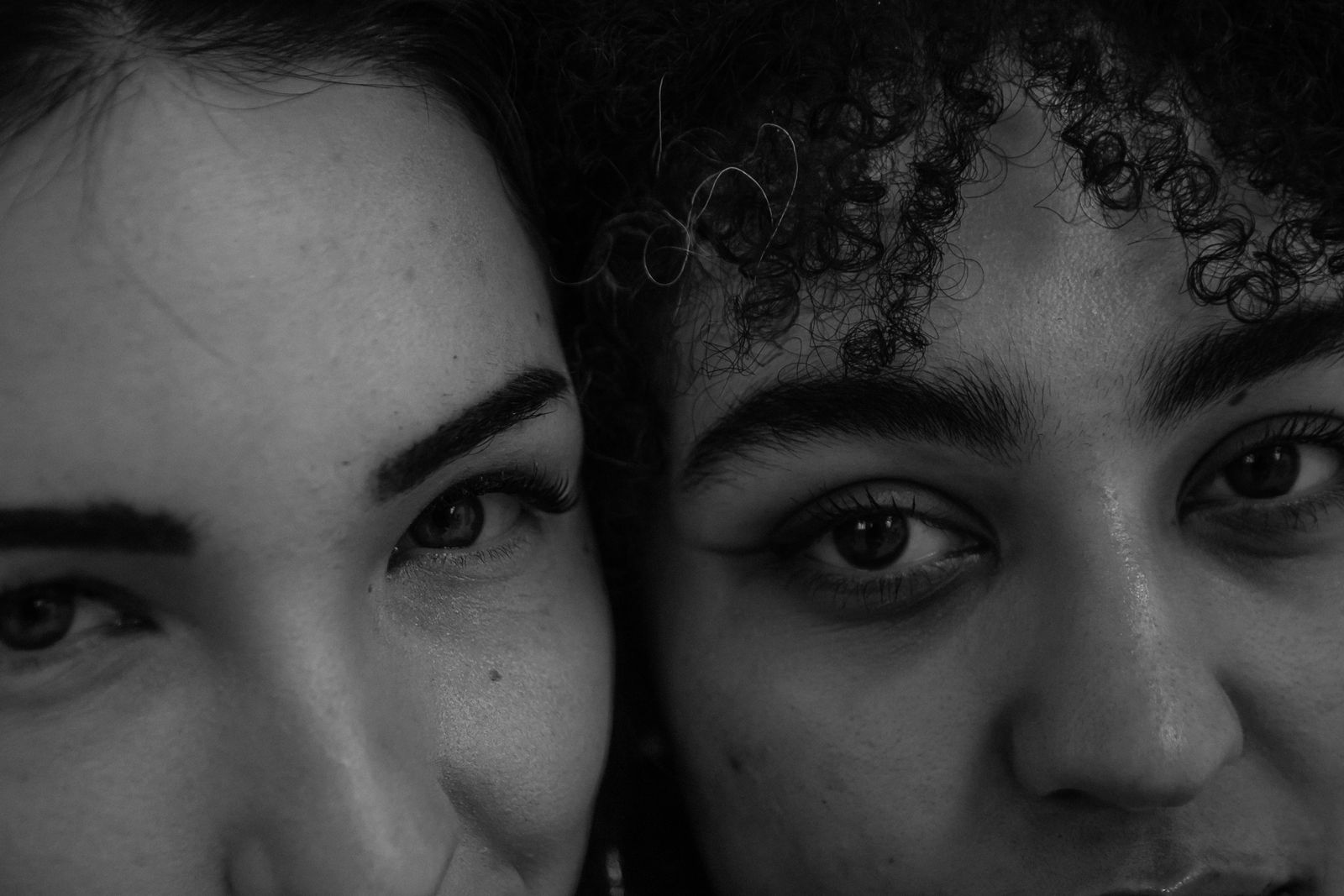
Curly haircuts are all about enhancing your natural texture. Unlike straight hair, which can be styled in many ways, curly hair tends to have more movement, body, and volume. The beauty of curly haircuts lies in their ability to create a lively, youthful look that complements your facial features. Curly cuts focus on working with the natural bounce of your curls, whether they are loose or tight, soft or defined.
Not sure what your hair type is? Try our free Hair Type Quiz.
The key to a perfect curly haircut is getting the right amount of layers. Layers can help shape and define your curls, giving them bounce and volume without creating unnecessary bulk. Whether your curls are naturally tight or soft, layers can help manage and enhance your curly texture.
Understanding Your Curl Pattern
Before choosing a cut, it helps to know roughly where your hair falls on the curl-type scale, since that pattern affects how much shrinkage to expect and which cuts will hold their shape best. Type 2 (wavy) hair forms loose S-shaped bends rather than true curls, and it tends to look best with longer layers that let gravity help define the wave rather than short cuts that can look shapeless. Type 3 (curly) hair forms springy loops ranging from loose corkscrews to tight ringlets, and it’s the pattern most of the cuts on this list are designed around, since it holds shape well at almost any length. Type 4 (coily) hair has the tightest curl pattern, with strands that coil close to the scalp, and it experiences the most shrinkage — sometimes 50 percent or more between wet and dry length — which is exactly why dry-cutting methods have become so popular for this texture. Knowing your general type before a haircut appointment makes it much easier to communicate with a stylist about how much length you actually want to keep.
Types of Curly Haircuts
Curly haircuts come in many styles and variations, and the right one depends on your curl type, face shape, and desired look. Here are some of the most popular curly haircuts to consider, from short and bold to long and layered.
1. Curly Bob Cut
The curly bob is a timeless and chic choice for women with curly hair. This haircut works especially well for women with tight curls or ringlets, as it highlights the curls and frames the face beautifully. A curly bob can be styled in a sleek, polished way for formal occasions or tousled for an effortlessly chic vibe. It’s a great option if you want to go shorter but still keep your natural curls intact.
For a modern twist, you can pair your curly bob with some bangs, such as curtain bangs or wispy bangs, to add extra dimension to your hairstyle. Because the cut sits at or above the shoulder, it also tends to bounce more freely with each step, which is part of why it photographs so well.
2. Curly Pixie Cut
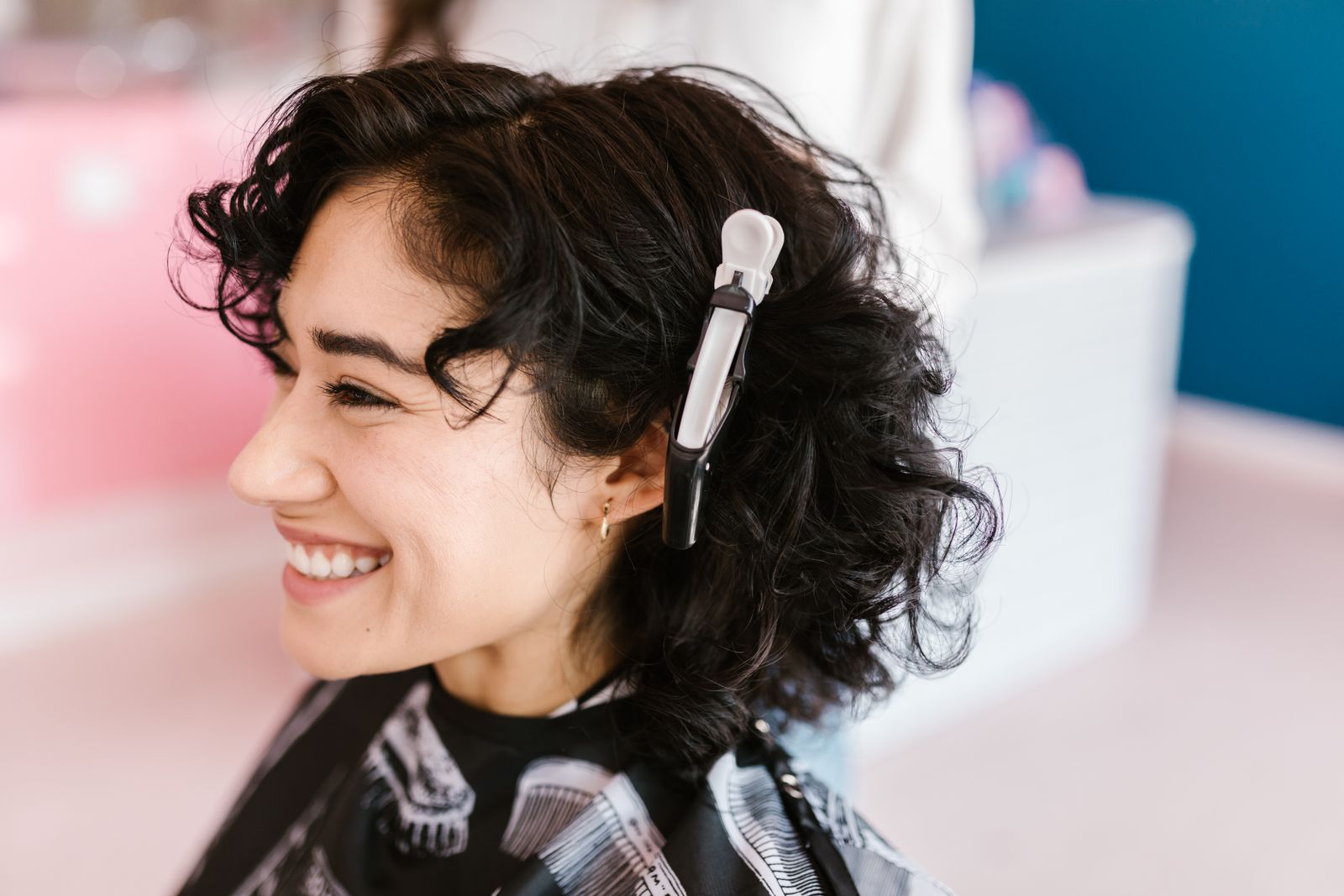
A curly pixie is one of the boldest ways to wear natural texture, and it has become increasingly popular as more women embrace their curls at every length. Because the hair is cut so close to the head, every curl pattern shows clearly, which means the cut needs to be done by someone who understands how your specific curl type springs up once it dries. What looks like a two-inch section of hair when wet can shrink to less than an inch once it curls.
The curly pixie is low-maintenance in terms of daily styling — a bit of curl cream scrunched in after washing is often all it needs — but it does require more frequent trims than longer cuts, roughly every four to six weeks, to keep the shape from growing out unevenly.
3. Curly Shag
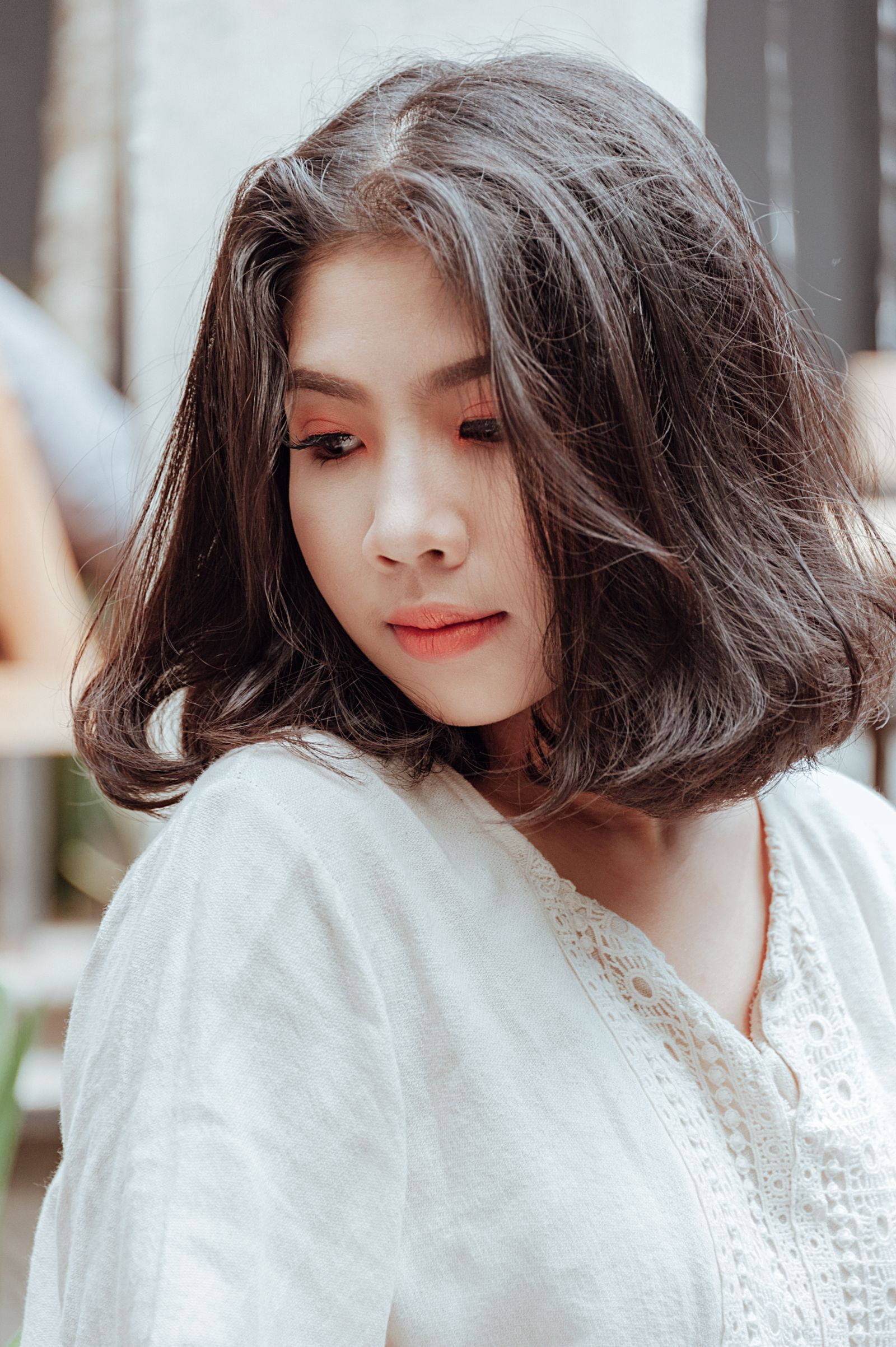
The shag has made a major comeback, and curly hair is arguably where it looks best. Heavy layering throughout the crown and sides gives curls room to separate and move independently instead of clumping into one solid shape, which creates the tousled, lived-in texture the shag is known for. It works on nearly any curl pattern, from loose waves to tight coils, because the layering does most of the visual work.
A curly shag pairs particularly well with curtain bangs or face-framing pieces, since the shorter layers around the face echo the shorter layers throughout the rest of the cut. It’s a forgiving style for growing out a more structured cut, since the layers blur the lines as length comes back in.
4. Long Layered Curls
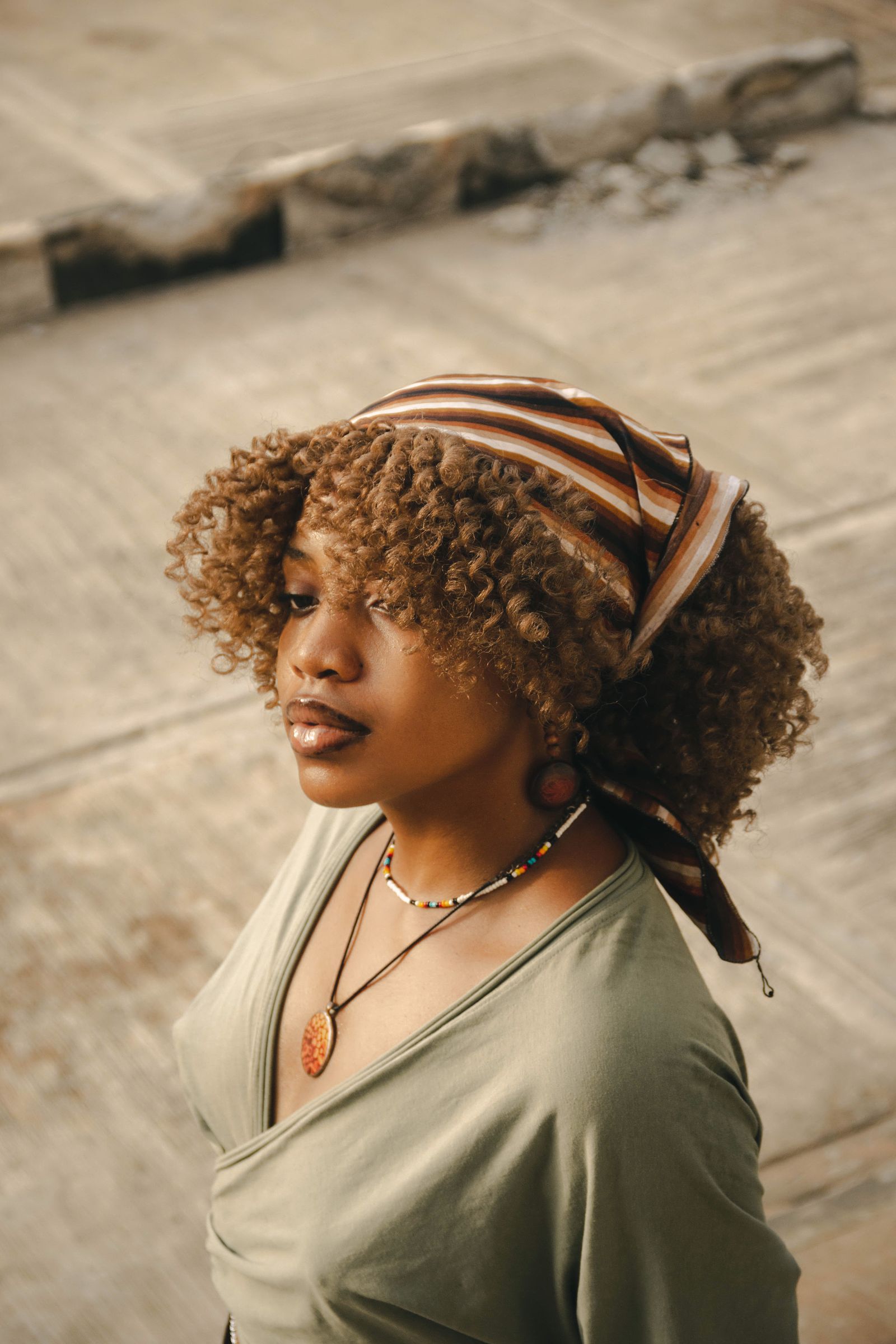
For curly hair that’s grown past the shoulders, layers become essential rather than optional. Without them, long curly hair can pull into a single heavy, triangular shape as the weight at the bottom stretches the curls out. Strategic layering starting around the chin or collarbone removes some of that weight and lets the curl pattern reassert itself throughout the length instead of only at the ends.
This cut suits curl types from loose S-waves to defined ringlets, and it’s one of the more versatile options on this list since it can be worn fully curly, roughened into a beachy wave, or smoothed straight without losing its shape.
5. Curly Lob (Long Bob)
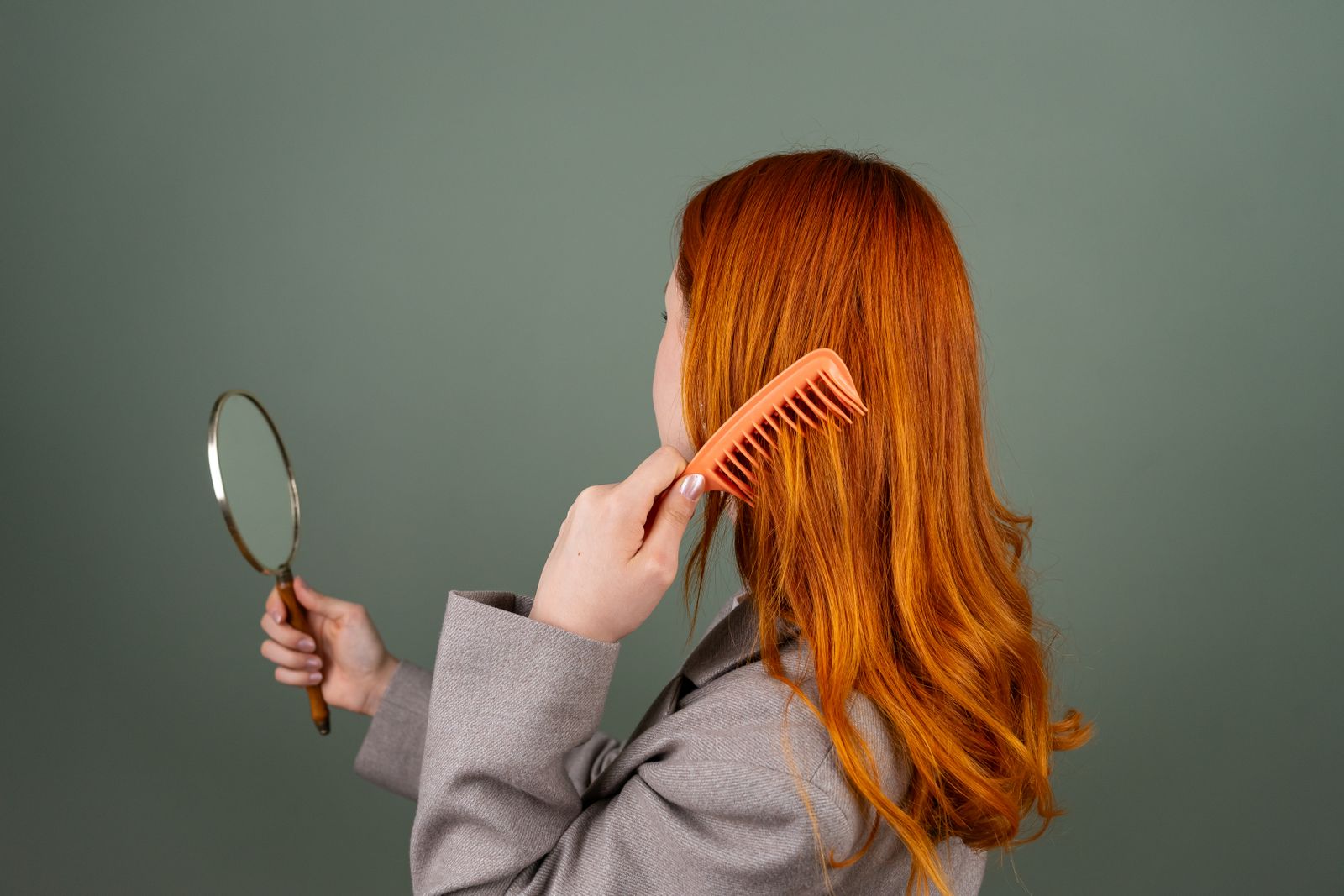
The curly lob sits in the sweet spot between a cropped bob and shoulder-skimming length, typically landing somewhere between the chin and the collarbone. It offers more versatility than a shorter bob — enough length to tuck behind the ears, half-up styles, or a small twist-out — while still keeping the maintenance and layering simple.
Because the ends land right around where curls tend to be heaviest, a curly lob benefits from at least a little face-framing layering, even if the rest of the cut is kept blunt. Without it, the ends can look flat compared to the fuller curls higher up.

6. Curly Mullet
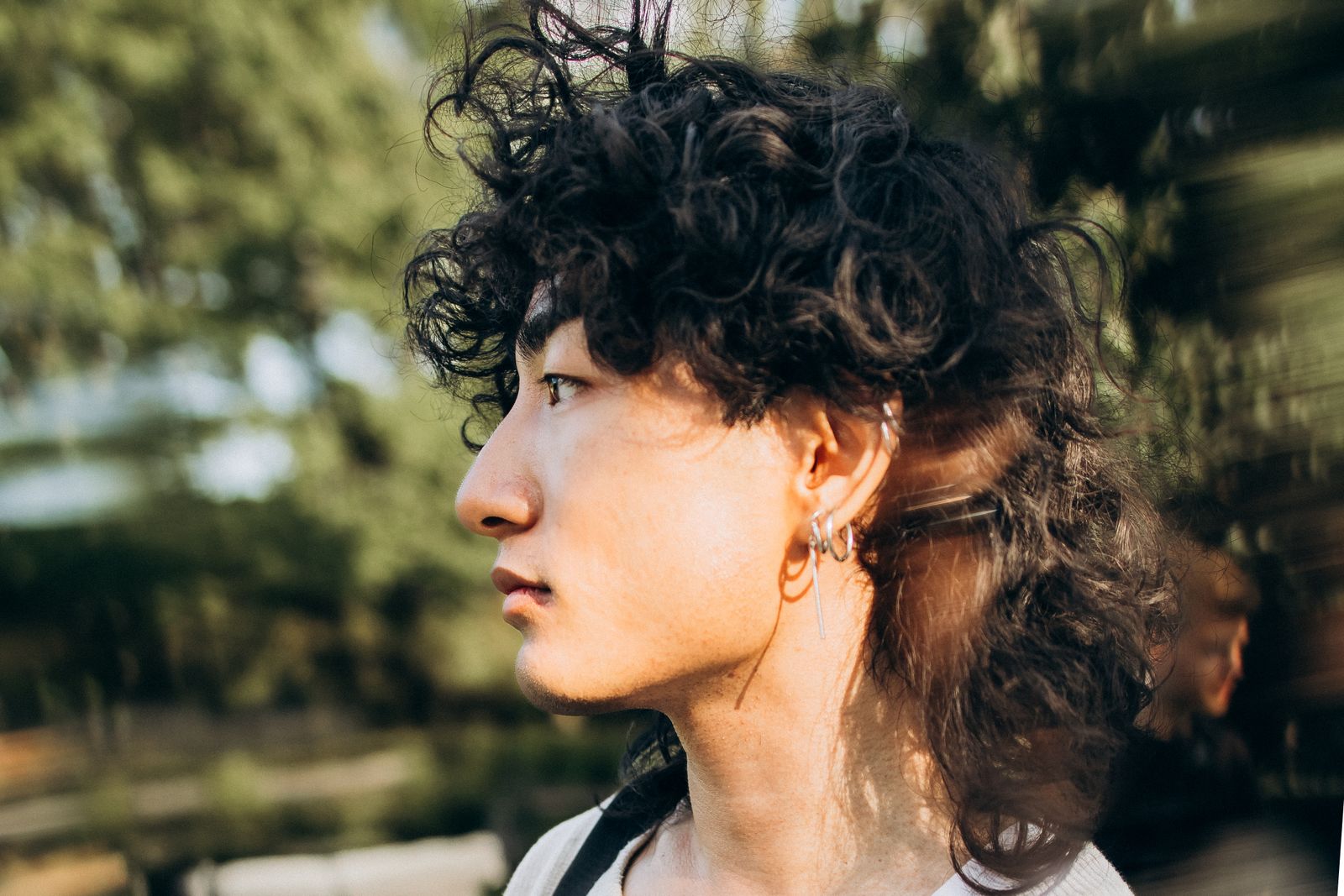
The mullet’s return to mainstream style has a natural home in curly hair, where the contrast between short, textured layers up top and longer length in the back reads as intentional rather than accidental. On curly hair, the shorter crown layers spring up and add volume, while the lower layers stay weighted down by length, creating a shape that’s dramatic without requiring much daily styling effort.
This is a cut best left to a stylist experienced with curl-cutting techniques, since the layering has to account for how dramatically each section will shrink once it’s dry — a mullet cut wet, without that adjustment, often ends up shorter and more uneven than intended.
7. Deva Cut (Curl-by-Curl Cutting)
The Deva Cut, and similar curl-by-curl cutting methods, involve cutting the hair while it’s dry and in its natural curl pattern, rather than cutting wet hair and hoping it falls the right way once it dries. Each curl is assessed and trimmed individually based on where it naturally falls, which typically produces a rounder, more even shape than a traditional wet cut on curly hair.
Because it’s more time-intensive and requires specific training, a curl-by-curl cut usually costs more and takes longer than a standard haircut, but for curl types that have struggled with uneven, wedge-shaped results from regular salons, many find it’s worth the investment.
Choosing the Right Curly Cut for Your Face Shape
Curl pattern matters, but face shape plays just as big a role in how a cut will actually look once it’s styled. Round faces generally benefit from cuts with height at the crown and length past the chin, since shorter, rounder curly cuts can add width exactly where a round face already has plenty. Square faces tend to look softer with layers that hit around the jaw and curls that fall forward at the cheekbones, breaking up the strong angle of the jawline. Oval faces are the most flexible and can wear nearly any curly cut on this list, from a tight pixie to a long layered shape, without much adjustment. Heart-shaped faces, which are wider at the forehead and narrower at the chin, generally look best with curls that add width at the jawline rather than the crown, which helps balance the proportions.
Hair density and curl tightness also affect how a cut translates from face shape guidelines to real life. Thick, dense curls can carry more length and volume than the same cut would produce on fine, sparse curls, so two people with the same face shape and the same requested haircut can end up with noticeably different results. Bringing this up directly with a stylist — describing your hair as fine, medium, or thick, in addition to your curl pattern — helps them adjust the amount of layering and thinning to suit your actual density rather than a generic version of the cut.
Styling Tips for Curly Haircuts
The cut itself is only half the equation — how you style curly hair day to day determines whether it looks intentional or frizzy. Applying products to soaking wet hair, rather than towel-dried hair, helps curls clump together and define properly instead of separating into frizz. The “plopping” method, where damp hair is wrapped in a microfiber towel or cotton t-shirt on top of the head for ten to twenty minutes, encourages curls to form without disturbing the pattern the way rough towel-drying does.
Diffusing on a low heat setting, rather than air-drying completely, tends to give curls more volume and hold, especially at the roots, where curly hair often falls flattest. Avoiding brushes on dry curls is one of the most common pieces of advice from curl specialists — brushing breaks up the curl clumps and creates frizz, so detangling should happen only on wet hair, coated in conditioner, with fingers or a wide-tooth comb.
Refreshing curls on non-wash days, rather than fully re-wetting and re-styling, extends the life of a style and reduces overall product buildup. A light mist of water mixed with a small amount of leave-in conditioner, scrunched gently into second- or third-day curls, can revive definition without disturbing the clumps that already formed. Sleeping with hair loosely gathered on top of the head in a “pineapple” style, rather than letting it fall flat against a pillow overnight, also helps preserve volume and shape between wash days, particularly for longer curly cuts.
Best Products for Curly Hair
Curly hair typically needs more moisture than straight hair, since natural oils from the scalp have a harder time traveling down a curved hair shaft. A sulfate-free shampoo, used less frequently than on straight hair, helps avoid stripping out that moisture. A leave-in conditioner applied to soaking wet hair, followed by a curl cream or gel to seal in the moisture and define the curl pattern, is the standard combination most curl specialists recommend. A silk or satin pillowcase, or a silk bonnet at night, reduces the friction that causes frizz and flattening while sleeping — a small change that makes a noticeable difference in how curls look the next morning without any restyling.
Tools matter almost as much as products. A microfiber towel or an old cotton t-shirt, used in place of a regular terrycloth towel, absorbs water without roughing up the hair cuticle the way standard towel fibers do. A diffuser attachment for a blow dryer spreads airflow across a wider area instead of blasting it directly at the roots, which helps curls dry in place rather than getting blown around and frizzed out. For anyone building a curly-hair routine from scratch, a leave-in conditioner, a curl-defining gel or cream, a microfiber towel, and a diffuser cover the essentials before any more specialized products are worth considering.
Common Curly Haircut Mistakes to Avoid
One of the most common mistakes is getting curly hair cut while it’s wet and stretched out, without accounting for how much it will shrink once it curls up and dries — a mistake that can leave a cut looking far shorter and less balanced than intended. Another is over-thinning the hair with texturizing shears, which can remove too much weight and cause curls to frizz out rather than hang in defined shapes. Skipping regular trims is a third common issue — curly hair hides split ends well, but leaving them unaddressed for too long can make curls look ragged and less defined over time, even if the length itself still looks fine at a glance.
A fourth mistake is choosing a stylist based only on general experience rather than specific curly-hair experience. Curly and straight hair behave differently enough under scissors that a cut which would look balanced on straight hair can look lopsided or wedge-shaped once curls spring up, so it’s worth asking specifically about a stylist’s experience with your curl type before booking, or looking through their portfolio for curly-hair examples rather than assuming any experienced stylist will get the shrinkage right.
Frequently Asked Questions
How often should curly hair be trimmed?
Most curly cuts hold their shape best with a trim every eight to twelve weeks, though shorter cuts like a curly pixie may need attention every four to six weeks.
Should curly hair be cut wet or dry?
Both approaches work, but they require different expertise. Dry cutting (as in a Deva Cut) lets a stylist see the exact curl pattern in real time, while wet cutting requires more experience predicting shrinkage.
Do layers make curly hair frizzier?
Well-placed layers typically reduce the appearance of frizz by removing excess weight and letting curls form cleaner, more defined shapes rather than clumping into one heavy mass.
Can fine curly hair carry a short cut?
Yes — shorter cuts like a curly bob or pixie can actually make fine curly hair look fuller, since there’s less length for the curls to be weighed down by.
Is it normal for curls to look different on each side of the head?
Yes, most people have some natural variation in curl pattern across their head, often looser at the crown and tighter at the nape. A good cut accounts for this rather than assuming perfectly uniform curls throughout.
Final Thoughts
Curly hair offers more versatility than it’s often given credit for, from cropped pixies to long, layered lengths, and the right cut can make daily styling dramatically easier. The common thread across every style on this list is working with the curl pattern rather than against it — choosing layers, length, and shape based on how the hair actually falls once it’s dry, not how it looks stretched out and wet. Bringing reference photos of your own curl type, not just a style you like on someone else, is one of the simplest ways to leave the salon with a cut that actually works for your hair.
It’s also worth remembering that a great curly cut often takes a wash or two to fully reveal itself. Fresh haircuts can look slightly different immediately after cutting than they will once you’ve washed, styled, and slept on them a couple of times, since the hair needs to settle back into its natural pattern after being combed and sectioned during the cut. Giving a new style a short adjustment period, rather than judging it on day one alone, is one of the more underrated pieces of advice for anyone trying a new curly cut for the first time.