
Entryway Decor Ideas That Make a Small Space Feel Welcoming
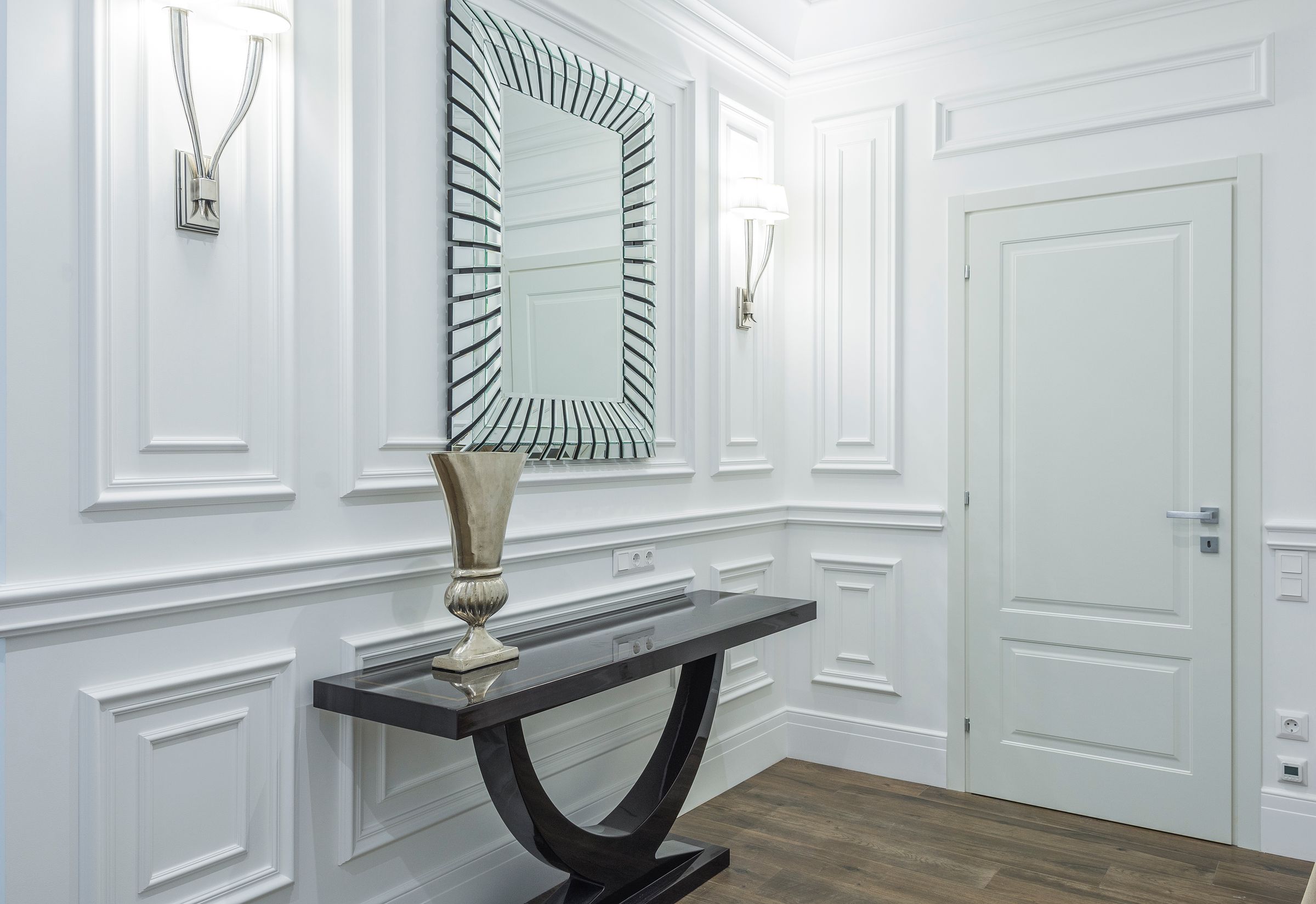
The entryway is the first thing you and every guest see — and often the first thing to collect clutter. It doesn’t need to be large to work hard: with the right furniture, storage, and lighting, even a narrow hallway can feel like an intentional, welcoming start to your home. Here’s how to get it right.
Start With a Drop Zone
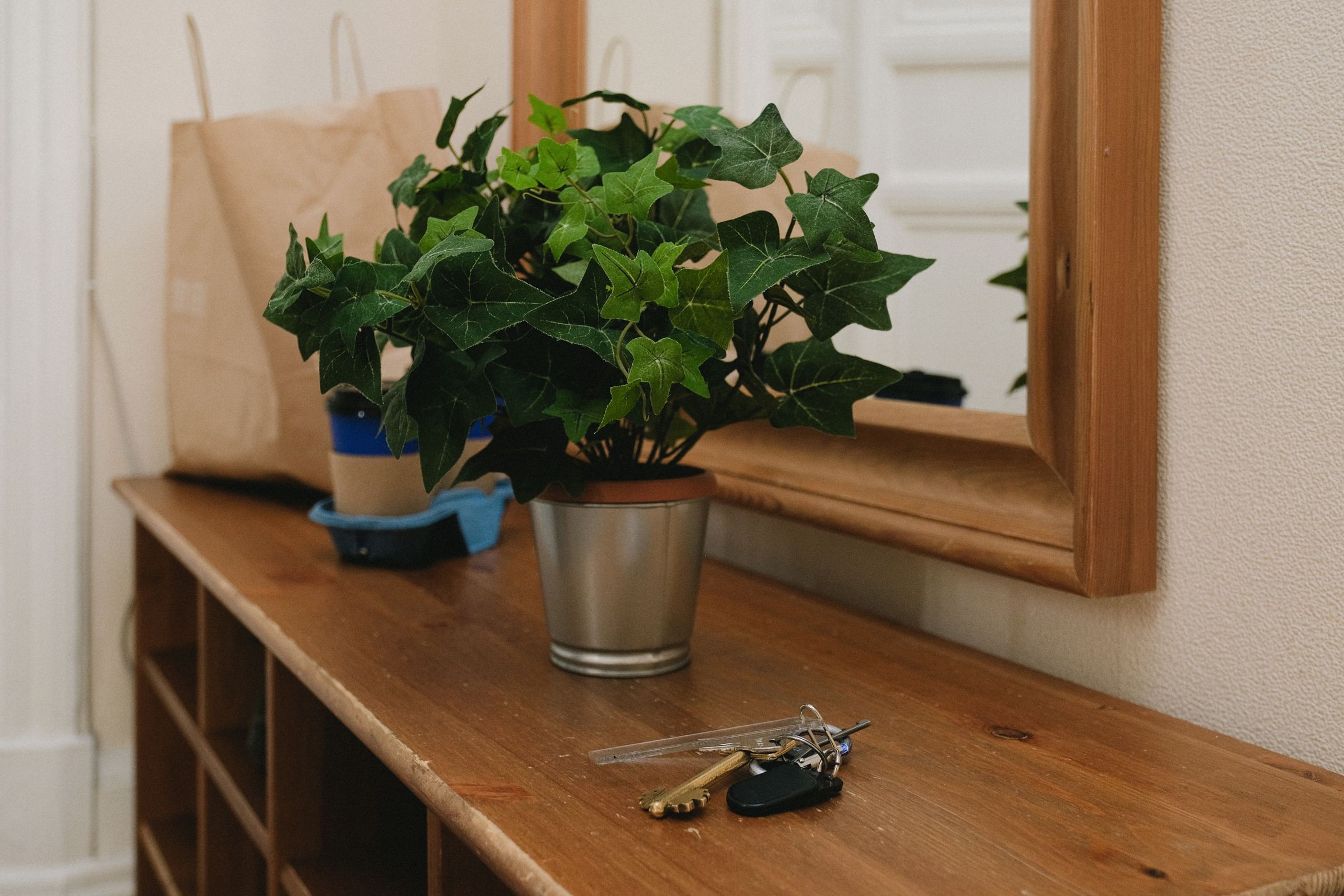
Every functional entryway needs a landing spot for keys, mail, and bags the moment you walk in. A console table, a slim bench, or even a wall-mounted shelf gives you a place to set things down instead of letting them pile up on the floor. In tight spaces, a narrow table just 10–12 inches deep can make a real difference without blocking the walkway.
Add a Mirror for Function and Light
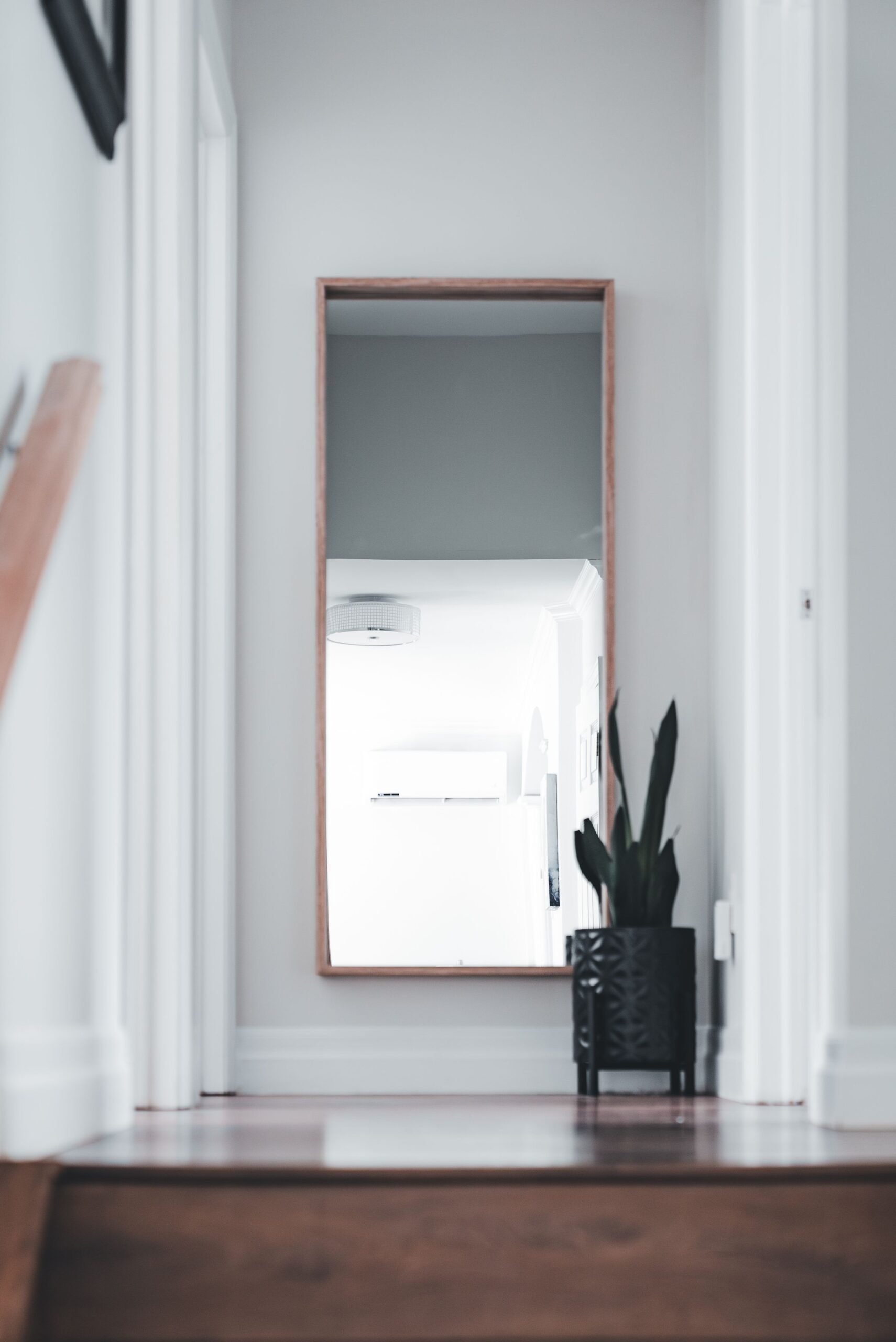
A mirror by the door is practical — a last glance before you leave — but it also does visual work, bouncing light around a space that often has none of its own. Leaning a large mirror against the wall above the console table reads as more editorial than a small one mounted at eye level, and it makes a narrow hallway feel noticeably wider.
Layer a Durable, Stylish Rug
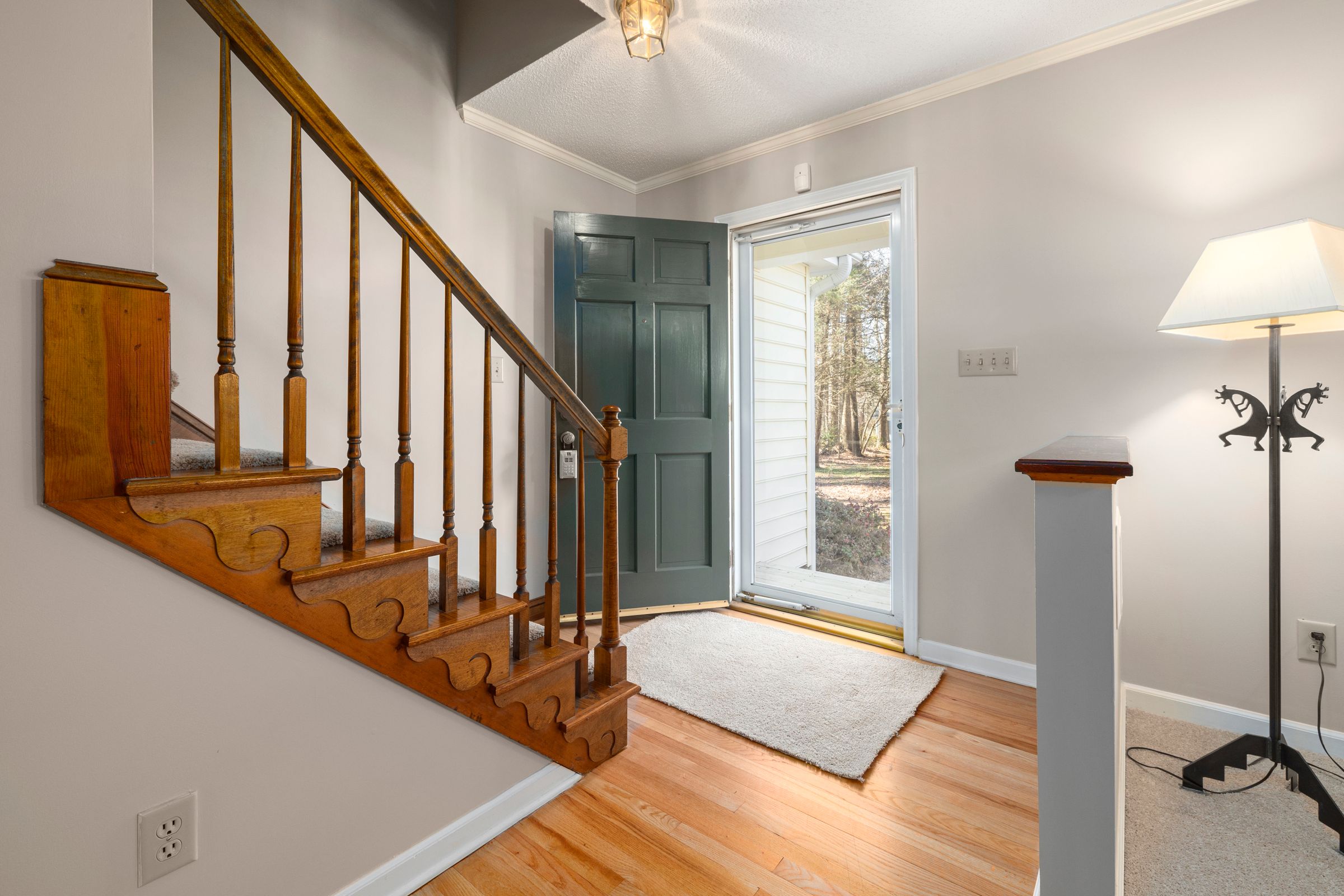
Entryways take more daily abuse than almost any other spot in the house, so the rug needs to earn its place. A flat-weave or indoor-outdoor rug handles dirt and moisture far better than a plush pile, and a runner in a busy pattern hides scuffs between cleanings. Sizing matters too — the rug should be long enough that both feet land on it when the door opens.
Give Shoes and Bags a Real Home
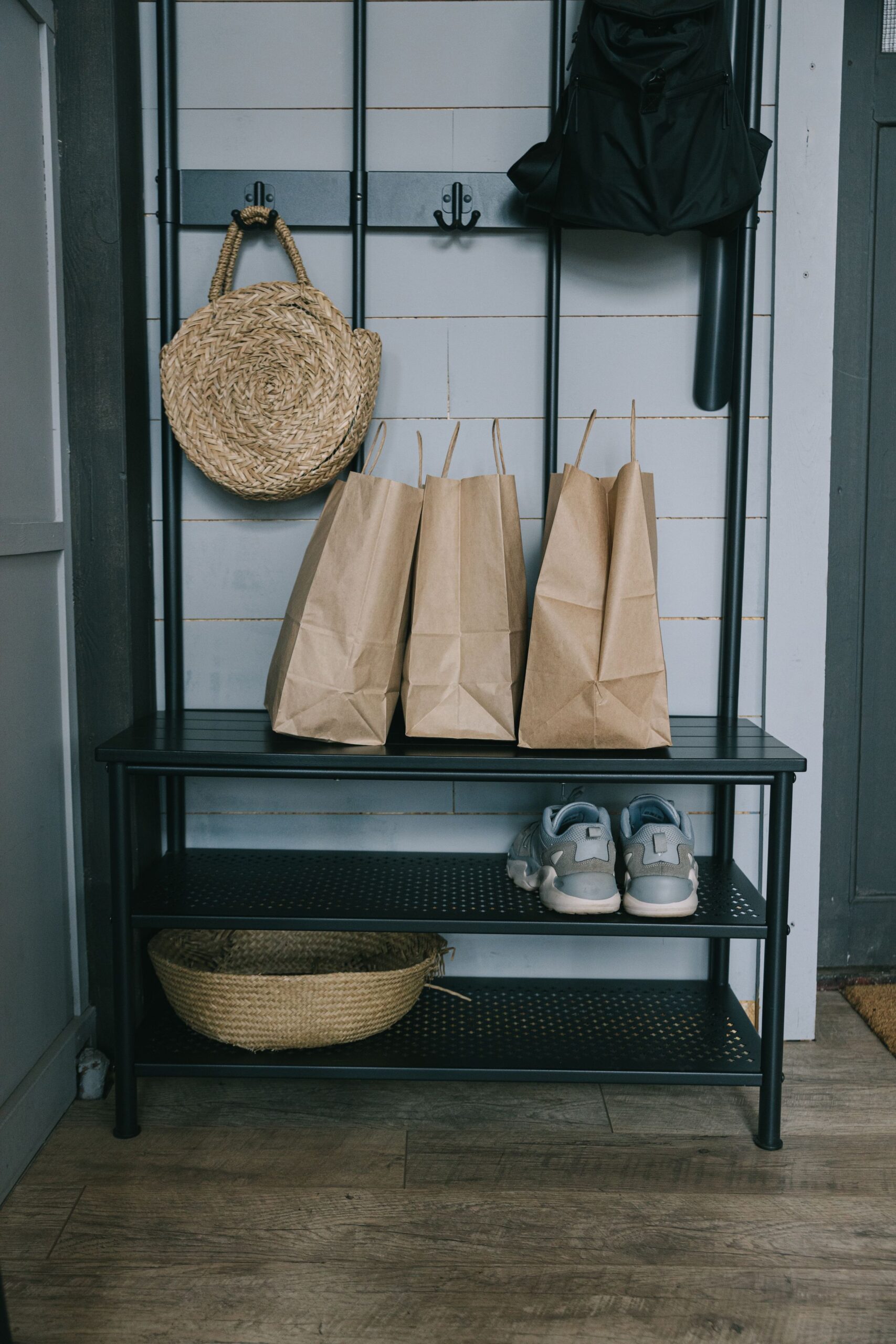
Nothing undoes a well-decorated entryway faster than a pile of shoes by the door. A closed bench with storage underneath, a slim shoe cabinet, or a few woven baskets tucked below the console table keep the essentials out of sight but still within reach. Labeling baskets by household member is a small step that keeps the system working past the first week.
Light It Properly
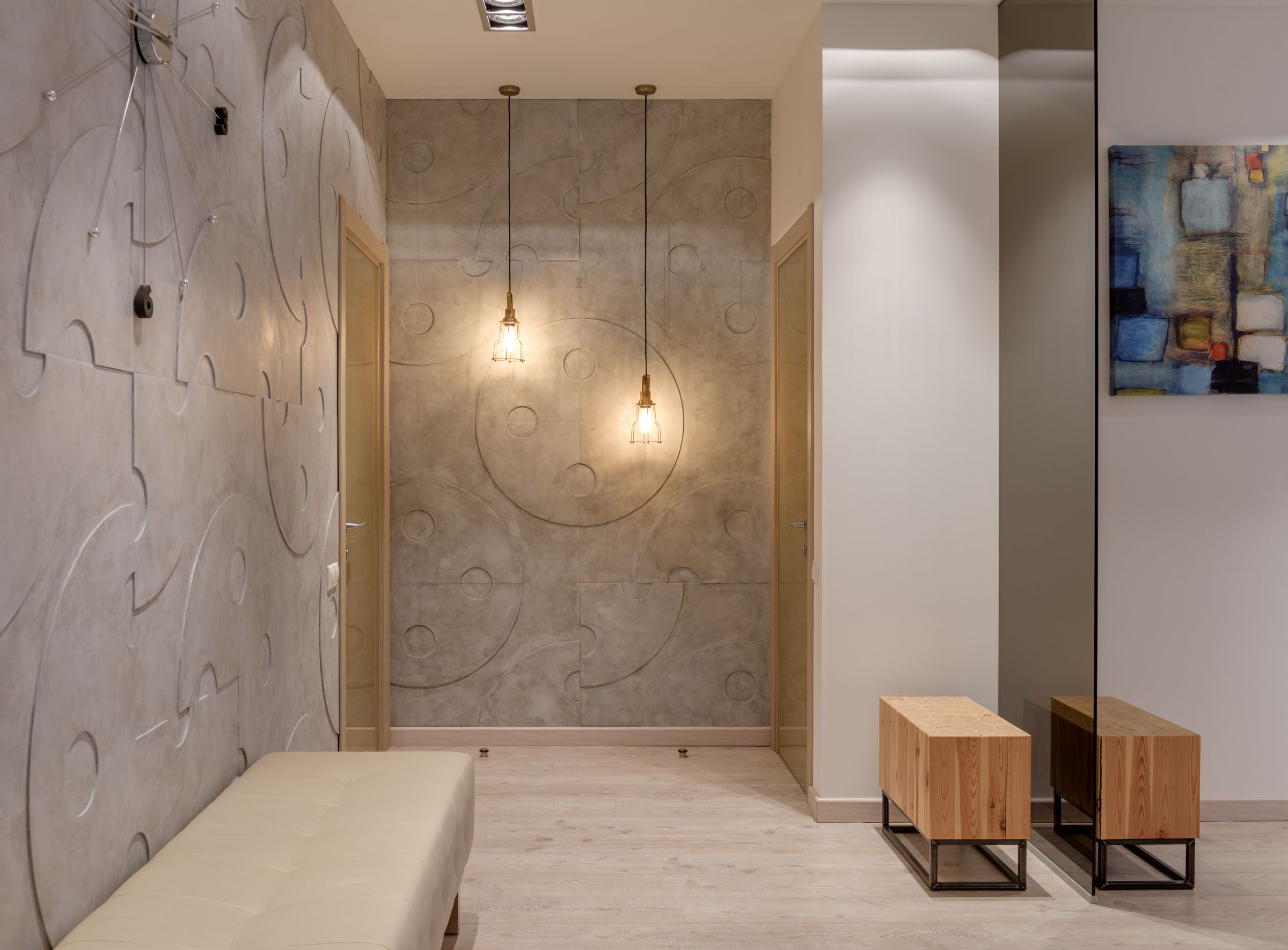
A single overhead fixture often leaves entryways feeling flat and under-lit, especially in the evening. Pairing an overhead light with a wall sconce or a small lamp on the console table adds warmth and makes the space feel considered rather than purely functional. Motion-sensor lighting is worth considering for entryways that don’t get natural light during the day.
Add a Personal Touch
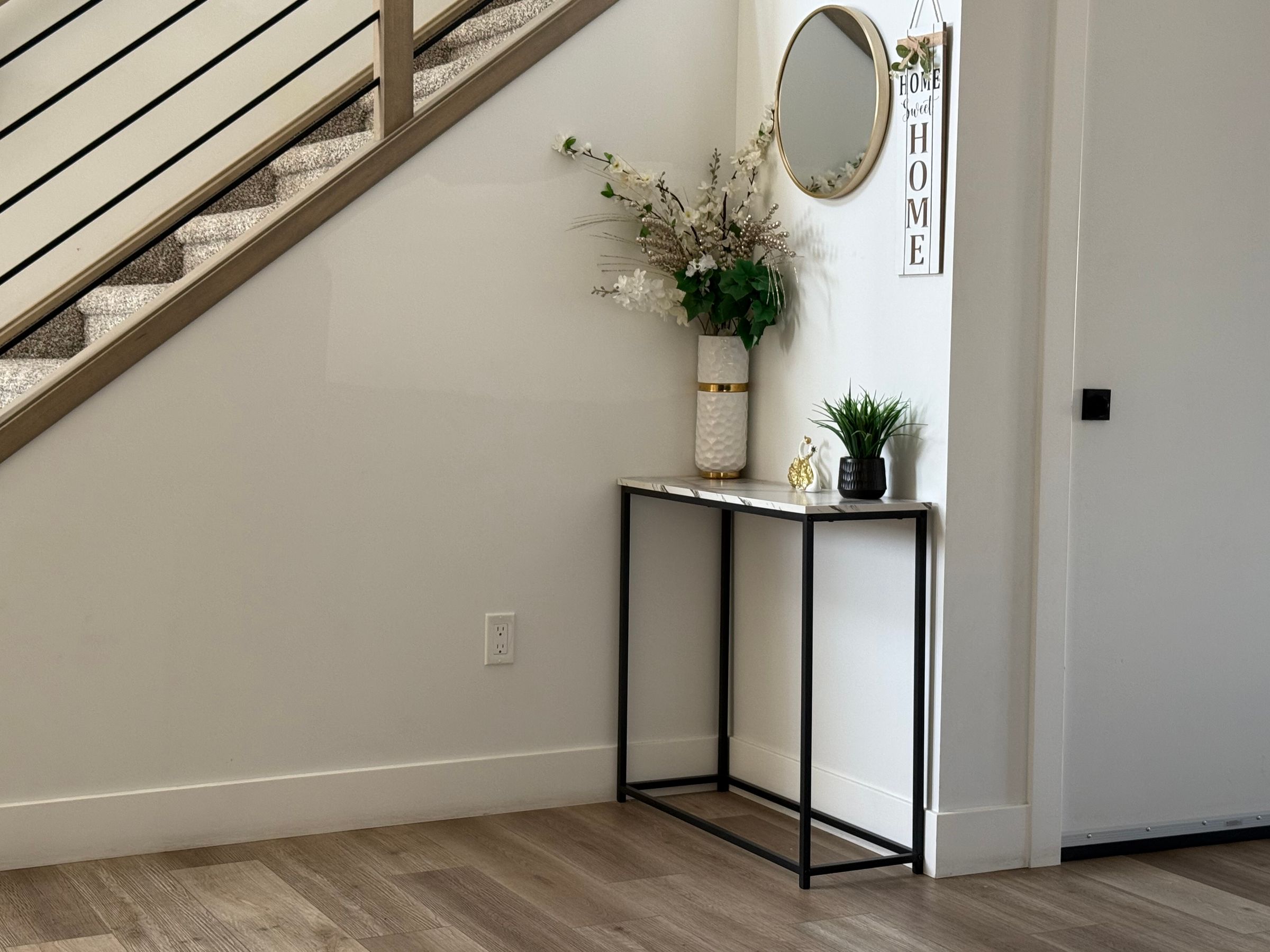
A completely utilitarian entryway can feel cold, even when it’s well organized. A piece of art, a framed photo, or a small catch-all tray for rings and loose change adds warmth without undoing the storage system. A single fresh or dried stem in a small vase on the console table is a low-effort way to make the space feel finished.
Keep the Palette Simple
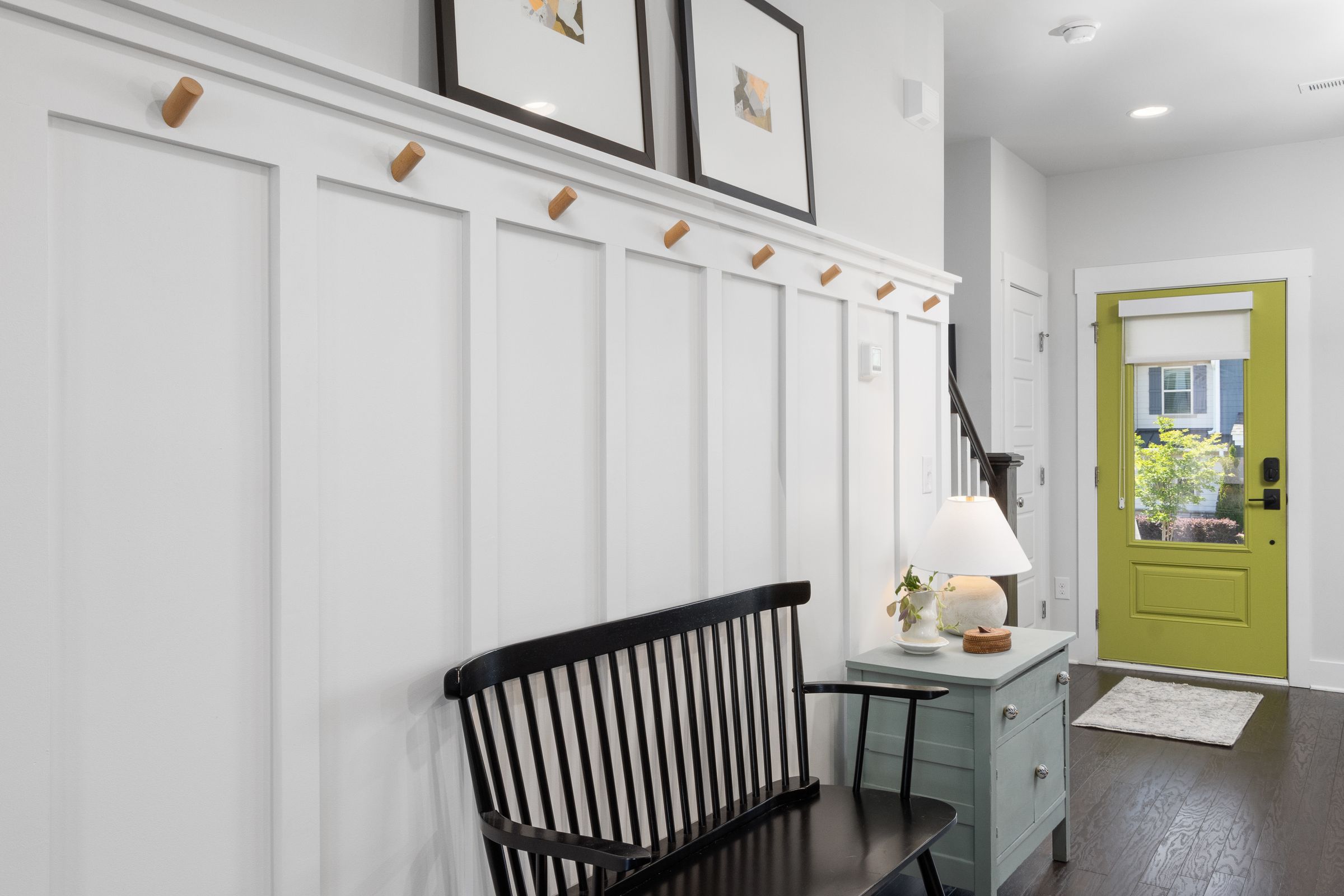
Because it’s a transitional space you move through rather than linger in, an entryway generally works best with a restrained color palette — two or three tones that echo what’s happening in the rest of the home. A bold accent color on a single element, like the bench or a piece of art, reads as intentional; the same color repeated across every surface can start to feel busy.
Common Entryway Mistakes
Oversized furniture is the most common issue — a console table or bench that’s too deep for the space makes the whole entryway feel cramped and blocks natural traffic flow. Skipping storage entirely is another frequent trap, since without a dedicated spot for shoes and bags, clutter accumulates almost immediately. And poor lighting, especially in windowless entryways, can make even a beautifully furnished space feel like an afterthought.
Frequently Asked Questions
What’s the minimum furniture an entryway needs?
A surface to set things down — even a small shelf — and a spot for shoes. Everything else is a bonus.
How deep should an entryway console table be?
10–14 inches works well for narrow hallways; anything deeper starts to block the walkway in tight spaces.
What type of rug holds up best by a front door?
Flat-weave or indoor-outdoor rugs, since they resist dirt and moisture far better than plush pile styles.
Is a mirror necessary in a small entryway?
Not strictly, but it’s one of the most effective low-cost ways to make a small, dark entryway feel larger and brighter.
How do I stop shoes from piling up by the door?
A closed bench, a shoe cabinet, or baskets specifically designated for shoes — an open floor with no system will collect clutter no matter how nice the rest of the space looks.
Final Thoughts
An entryway doesn’t need square footage to make a strong first impression — it needs a clear system: somewhere to set things down, somewhere for shoes to live, enough light to see by, and one or two personal touches that make it feel like part of the home rather than a pass-through space.