
The “Goddess Loc” and the Black Baddie: A Masterclass in Effortless luxury and Protective Styling
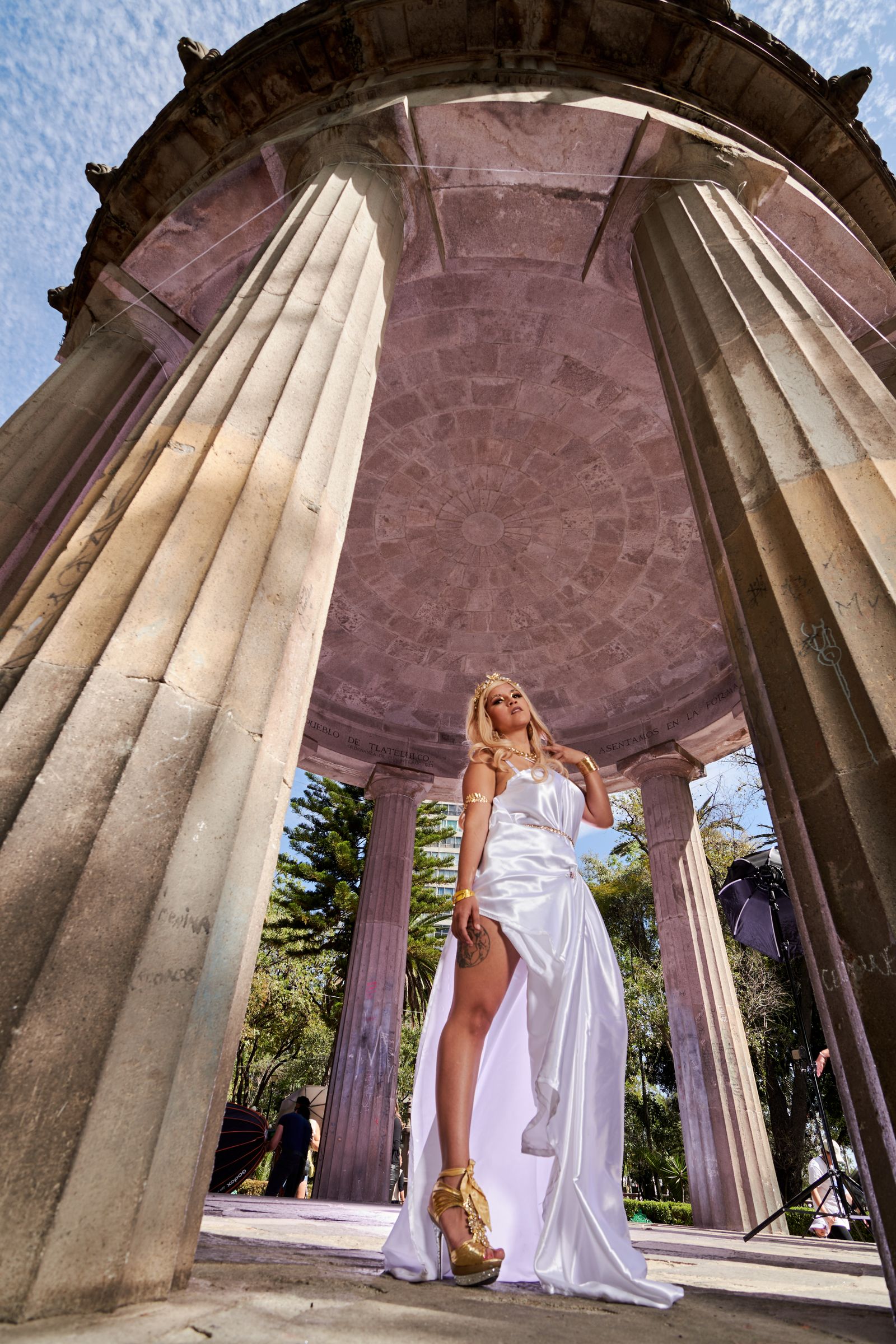
In the visual language of the “Black Baddie” subculture, hair is the ultimate architect. While cosmetics provide the color and streetwear defines the silhouette, the haircut dictates the geometry and determines the entire “vibe.” A definitive Black Baddie haircut doesn’t just look good; it communicates specific agency, financial power, and a commitment to the art of self-investment.
Not sure what your hair type is? Try our free Hair Type Quiz.
Previous discussions have centered on the high-precision horizontal blunt cut of the 30-inch install and the geometric point-cutting of the braided bob. However, a powerful, contrasting pillar of this subculture is the rise of a specific, high-maintenance protective cut that perfectly balances raw texture with refined glam: the Highly Defined Goddess Loc installation with Custom-Contoured Edges.
While sometimes generalized as “boho locs” or “faux locs,” in the Baddie subculture, this specific installation is a meticulous exercise in architecture, contouring, and the deliberate tension between raw and refined aesthetics.
The Anatomy of the Goddess Loc Cut
A Goddess Loc installation is not a single haircut; it is a complex assembly that relies on precise perimeter definition and internal structure. The specific “cut” happens during the installation itself, shaping the extensions to achieve a dramatic, yet natural, flow.
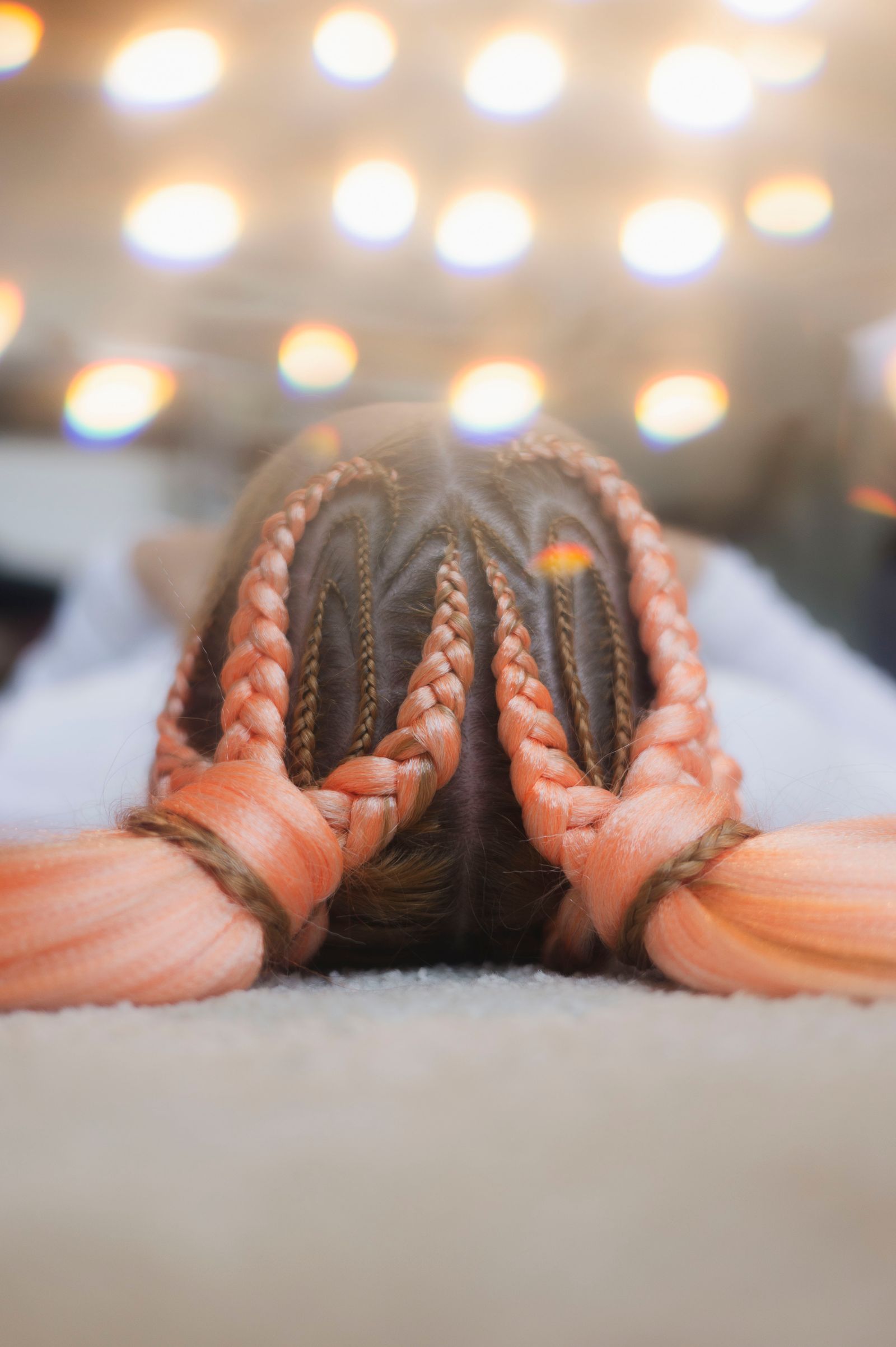
1. The Perimeter: Defined by Custom “Point-Cutting”
Unlike the heavy blunt edge of a straight install, the Goddess Loc requires a soft, tapered perimeter. When the loc extensions are attached (often by wrapping synthetic hair around a foundational braid), the very bottom of each individual loc must be custom-cut and sealed. To achieve the modern “Goddess” look, the stylist employs precision point-cutting at the tip. They are not cutting a straight line; they are tapering the end into a soft, textured point. This creates a cascade effect, allowing the ends to fall naturally, rather than “bunching up” in a solid, heavy mass. This technique is essential to prevent the style from looking weighted or artificial, prioritizing movement and a soft, “lived-in” texture.
2. The Interior: Strategic Length Variation
A successful Goddess Loc installation requires internal engineering. If every loc were cut to the identical length (e.g., 24 inches), the style would appear flat. A Baddie stylistic requirement is dimension and depth.
To achieve this, the interior sections (the crown and middle) are often installed with slightly different lengths of extensions, or the actual foundational braids are cut at staggered heights. This provides internal shape and body, allowing the style to appear voluminous and full without being overly dense. It creates a dynamic silhouette that flatters the head shape.
3. The ‘Baddie’ Pre-Condition: The Mandatory Edge-Work
The hallmark that definitively identifies a Goddess Loc installation as a “Baddie” style is the mandatory focus on the perimeter’s pre-condition. This means the baby hairs, or edges, must be meticulously sculpted.
This isn’t a “soft” wave; it is a high-precision architectural requirement. Stylists utilize professional-grade edge control gels and a fine-tooth comb to sculpt the edges into elaborate, swirling, high-gloss patterns on the forehead and temple. This gelled symmetry contrasts dramatically with the textured, matte finish of the locs themselves. It provides the necessary “polish” that defines the Baddie look, proving the wearer prioritizes maintenance and geometry, even with a “natural” style.
The Cultural Resonance of the Cut
In a subculture built on high-octane glam, the Goddess Loc represents effortless luxury. It is a protective style that looks expensive.

-
The High-Maintenance “Low Maintenance”: This cut is a performance. While it provides protective utility (the wearer’s natural hair is secured within the locs), the installation is labor-intensive (requiring 8 to 12 hours) and expensive. The Baddie celebrate this tension—choosing a style that requires significant upfront “effort” (investment) to then perform “ease.” It is the ultimate flex of financial agency.
-
Reclaiming the “Soft Life”: The movement and soft, cascading ends of point-cut Goddess Locs are visually “gentle.” This cut is the visual anchor for the “Soft Life Baddie,” emphasizing mental health, rest, and luxury travel. It contrasts the aggressive, “boss” energy of a high pony or blunt bob, aligning perfectly with the evolving desire for soft, flattering angles and a “nurtured” aesthetic.
The “Baddie” Evolution: Textural Contrast as Style
The Black Baddie subculture is flexible enough to accommodate different definitions of glam. The Goddess Loc represents a critical shift toward textural contrast rather than pure sleekness.
-
Contrast 1: Matt vs. Gloss. The textured, matte finish of the locs contrasts sharply with the glossy, gelled perfection of the edges.
-
Contrast 2: Raw vs. Refined. The point-cut, slightly frizzy ends contrast with the perfectly uniform, intricate braided base (visible at the roots).
This deliberate tension is what makes the cut modern and sophisticated. It doesn’t rely on a “finished” look in the traditional sense; it relies on the beautiful juxtaposition of different textures.
Conclusion: Definition through Contour
The Goddess Loc with Custom-Contoured Edges is a definitive Baddie style because it refuses to sacrifice definition. It might be a textured protective style, but it is not shapeless. Through precision point-cutting on the perimeter and the precise architectural sculpting of the edges, this cut provides the vital geometry and contouring needed to make a textured style look fierce, luxurious, and unmistakably Baddie.
This is not just a protective style; it is an architectural performance of confidence, complexity, and curated ease. It will continue to define the “Soft Baddie” narrative by proving that beauty doesn’t just lie in sleek perfection, but also in the sophisticated mastery of texture and defined contrast.
How Long Goddess Locs Last
A well-installed Goddess Loc set typically lasts six to eight weeks before needing a full redo, though many people stretch this to ten or twelve weeks with proper maintenance and minimal new growth showing at the root. The lifespan depends heavily on how well the scalp and edges are cared for during wear, since neglecting maintenance in the middle weeks tends to shorten how long the style looks fresh, even though the locs themselves remain structurally intact.
Maintenance During Wear
Keeping the scalp clean and moisturized is essential even though it’s hidden beneath the installation — a diluted, residue-free cleanser applied at the roots every one to two weeks prevents buildup and itching without unraveling the loc structure. A light oil or leave-in spray applied to the scalp and root area keeps skin healthy throughout the wear period. Wrapping hair in a silk or satin scarf at night protects both the locs and the edges from friction, which matters enormously for preserving the sculpted edge patterns that define the Baddie aesthetic specifically.
Cost and Installation Time
Given the eight-to-twelve-hour installation process and the skill required for the point-cutting and edge-sculpting techniques described here, Goddess Locs represent one of the more time-intensive and higher-cost protective styles available. Pricing varies significantly by region, length, and stylist experience, but it’s worth budgeting for a specialist with specific experience in this exact technique rather than choosing based on price alone, given how much the finished result depends on precise execution.
Choosing a Stylist for This Technique
Because the defining features of this look — tapered point-cut ends, staggered internal lengths, and sculpted edge patterns — require real technical skill, portfolio photos showing this specific installation style matter more than general braiding or loc experience. Asking to see examples of a stylist’s point-cutting technique specifically, rather than assuming any loc installer can deliver the same refined result, helps ensure the final look matches the architectural precision this style depends on.
Removing and Reinstalling
Removal should always be done carefully to protect natural hair health, typically by a professional who can safely unwind the foundational braids without unnecessary tension or breakage. Many people alternate this style with other protective options, giving natural hair a rest period between installations, which supports long-term hair health more than continuously reinstalling the same style back to back without any break.
Frequently Asked Questions
Do Goddess Locs damage natural hair?
When installed and removed properly by an experienced stylist, and maintained with regular scalp care, this style is considered protective rather than damaging, though excessive tension during installation can be an issue with any braided or loc style.
Can this style work on shorter natural hair?
Yes — the extensions provide the length and volume, so natural hair length underneath is far less limiting than it would be for a style relying entirely on natural hair.
How do I keep the edges looking fresh between touch-ups?
A small amount of edge control reapplied with a soft brush, along with nightly silk scarf protection, helps maintain the sculpted pattern for longer between full refresh appointments.
Is this style suitable for swimming or frequent workouts?
Yes, with some extra care — wearing a swim cap and thoroughly drying the roots after water exposure helps prevent the buildup and odor that can develop in braided or loc styles exposed to frequent moisture.
Final Thoughts
The Goddess Loc with Custom-Contoured Edges endures as a defining Baddie style because it delivers on every level — protective for natural hair, visually striking through its deliberate textural contrast, and technically impressive in its execution. For anyone considering the style, investing in a stylist with genuine expertise in this specific technique, and committing to the scalp and edge maintenance that keeps it looking fresh throughout its wear, are what separate a truly excellent installation from an average one.
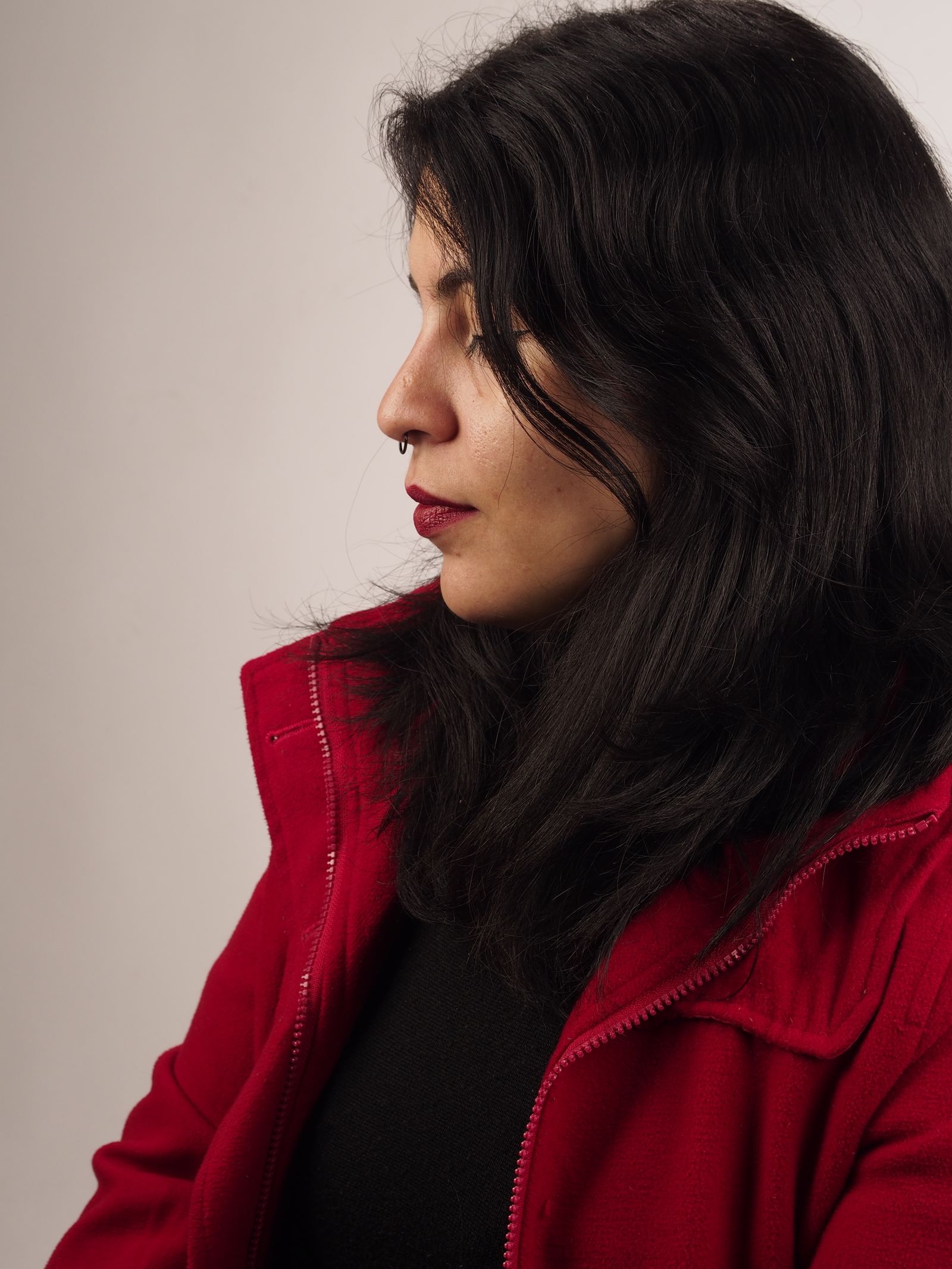
Styling Variations Within the Goddess Loc Aesthetic
Beyond the core installation technique, Goddess Locs offer considerable styling flexibility once installed. A half-up style pulls the crown section back while leaving the rest cascading, showing off both the sculpted edges and the natural movement of the point-cut ends. A high or low ponytail gathers the entire install for a sleeker, more polished look suited to formal occasions. Loose, fully-down styling remains the most common everyday choice, allowing the internal length variation and tapered ends to move naturally throughout the day.
Color and Goddess Locs
While natural black or dark brown remains the most common color choice, many stylists now offer Goddess Locs in warm honey tones, deep burgundy, or even balayage-style color gradients that fade from a darker root to lighter, sun-kissed ends. These color variations add another layer of the “raw vs. refined” contrast the style is known for, since the color placement can be as precisely engineered as the point-cutting technique itself. Choosing a color that complements skin tone, much like with natural hair color, remains an important consideration alongside the cut and texture decisions.
The Difference Between Goddess Locs and Faux Locs
While often used interchangeably, true Goddess Locs are distinguished by their specific soft, wavy, textured finish achieved through the point-cutting and internal engineering techniques described here, distinct from standard faux locs, which typically have a more uniform, smoother finish throughout. Understanding this distinction matters when communicating with a stylist, since asking specifically for “Goddess Locs” rather than generic “faux locs” helps ensure the stylist understands you want the softer, more textured, dimensional result rather than a more uniform alternative.
Preparing for Your Installation Appointment
Arriving with clean, detangled natural hair makes the installation process smoother and more comfortable, since a stylist working with already-prepped hair can focus entirely on the technical installation rather than spending appointment time on prep work. Bringing reference photos showing the specific length variation, edge pattern, and color you’re picturing helps communicate your vision clearly, particularly given how much this style depends on precise, individualized execution rather than a single standard template.
Aftercare in the First 48 Hours
The first two days after installation are the most important for setting the style correctly — avoiding excessive touching, sleeping with a silk scarf or bonnet from the very first night, and giving the scalp time to adjust to the new tension all help the installation settle properly. Many stylists recommend avoiding heavy styling products during this initial period, allowing the natural point-cut movement to establish itself before adding additional edge control or styling products in the following days.
Goddess Locs for Different Face Shapes
Like any hairstyle involving significant volume and length, Goddess Locs can be adjusted to flatter different face shapes. Rounder faces often benefit from keeping more length toward the front, drawing the eye downward and elongating the face, while a stylist might reduce volume directly at the cheek line. Angular faces, including square or heart shapes, tend to look softer with locs that fall forward around the jaw, since the texture and movement break up strong lines in a way that a sleeker style wouldn’t achieve as effectively. Discussing face shape alongside length and edge pattern during your consultation ensures the finished style is tailored specifically to you rather than a generic template.
Budgeting for Regular Reinstallation
For anyone planning to wear Goddess Locs as a recurring style rather than a one-time look, budgeting for the recurring cost and time commitment of reinstallation every couple of months is worth factoring into an overall hair care plan. Some people alternate this style seasonally with other protective options, both for hair health and to manage the cumulative cost, rather than committing to back-to-back installations indefinitely.
Bringing It All Together
What separates the Goddess Loc with Custom-Contoured Edges from a standard protective style is precisely the level of intention behind every element — the tapered point-cut ends, the staggered internal lengths, the sculpted edge work, all engineered to work together rather than existing as separate decisions. This is a style that rewards genuine expertise and careful aftercare, but for anyone willing to invest in both, it delivers a result that reads as effortlessly luxurious even though every element was, in fact, carefully planned. That tension between apparent ease and real technical precision is exactly what keeps this style at the center of the Baddie aesthetic.