
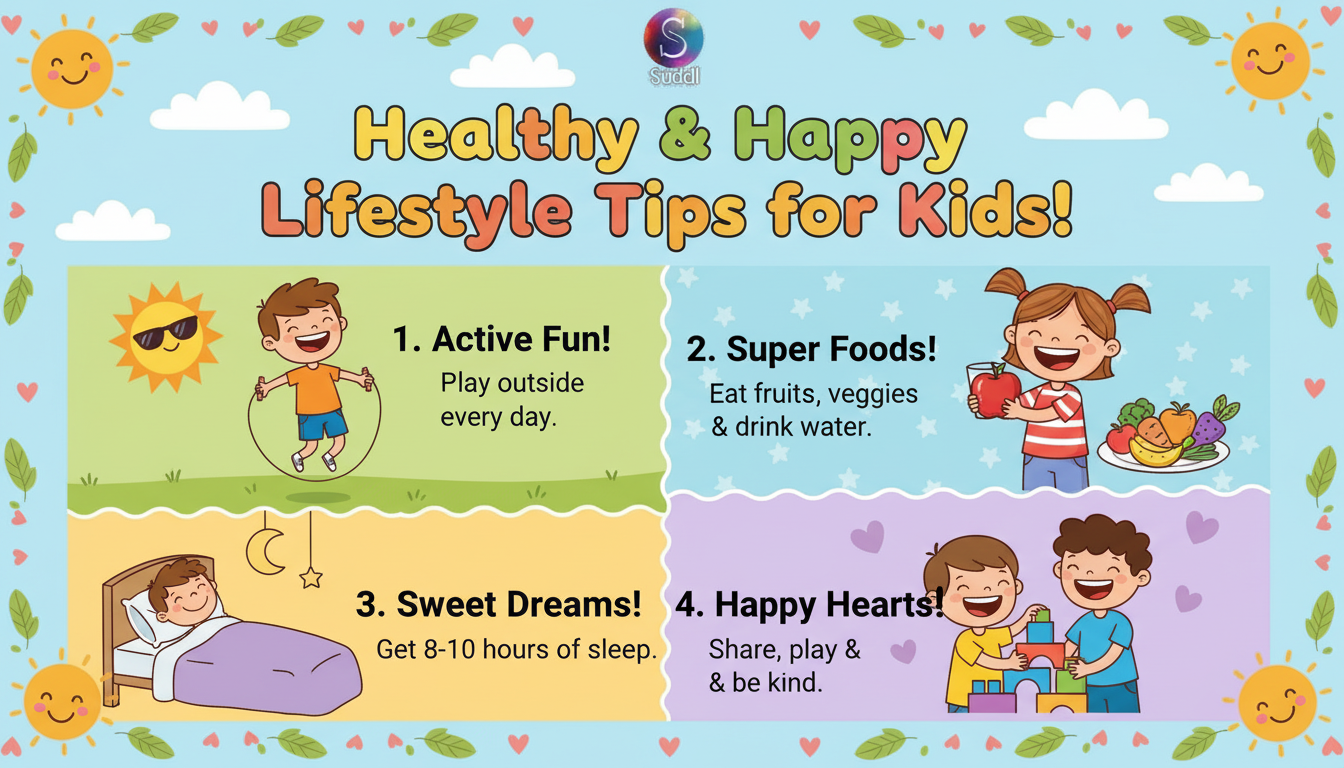
If you would like to discover more lifestyle tips, parenting ideas, and family inspiration, visit https://suddl.com/ where you can explore many helpful articles designed to support happy and healthy living for kids and families.
1. Encouraging Daily Physical Activity
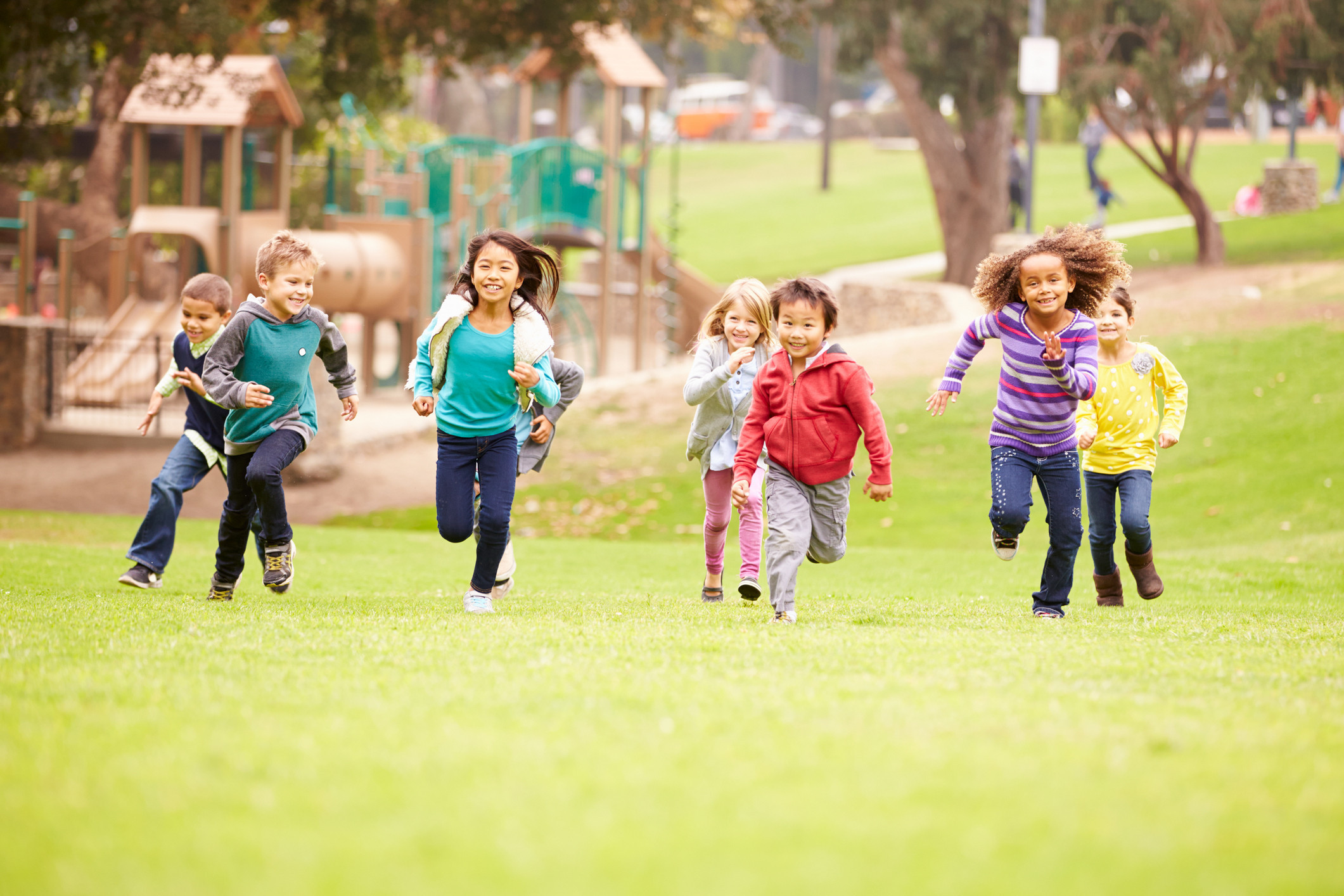


One of the most important elements of a healthy and happy lifestyle for kids is regular physical activity. Children naturally have a lot of energy, and engaging in daily movement helps them grow stronger, develop better coordination, and maintain overall health. Activities such as running, playing sports, riding bicycles, and simply playing outside with friends are excellent ways for kids to stay active. These activities support healthy bones, muscles, and heart function while also improving mood and mental well-being.
Outdoor play also encourages children to explore their environment and develop creativity. Whether they are climbing, jumping, or inventing games with friends, physical activity helps kids build confidence and teamwork skills. Parents can support this lifestyle by encouraging their children to spend time outdoors instead of sitting for long periods with screens. Even simple activities like family walks, weekend sports games, or dancing at home can make exercise fun and engaging.
Regular movement also helps children develop healthy habits that can last a lifetime. When kids learn to enjoy physical activity at a young age, they are more likely to continue staying active as adults. Encouraging active play every day creates a strong foundation for both physical and emotional health. For more helpful family lifestyle tips and ideas, visit https://suddl.com/ where you can find inspiration for healthy living.
2. Building Healthy Eating Habits
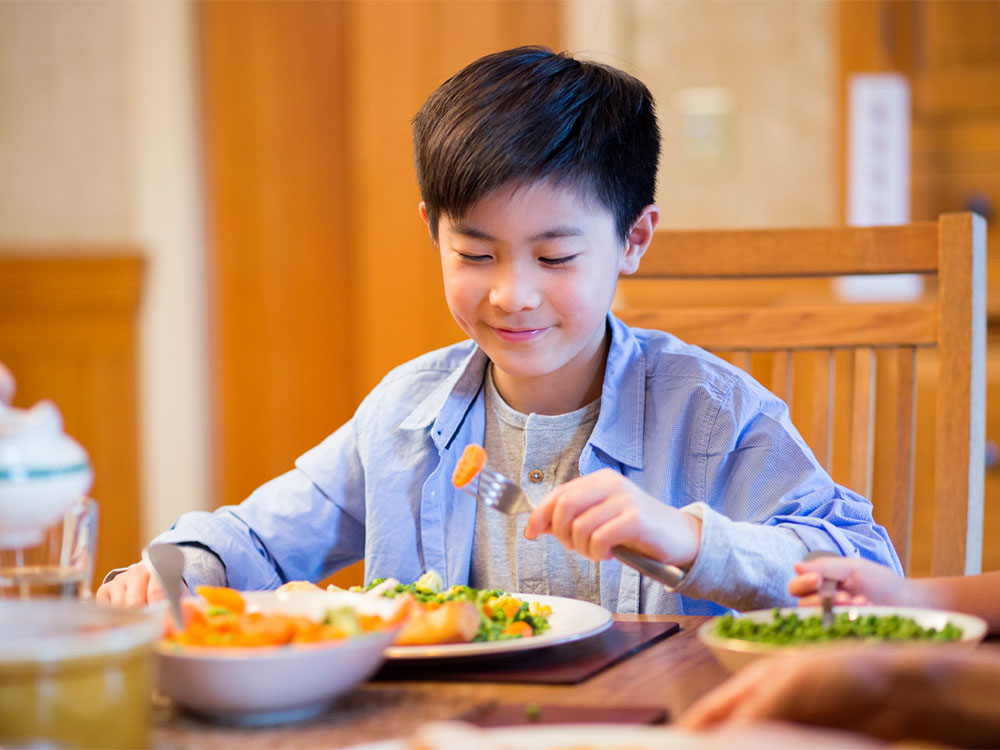
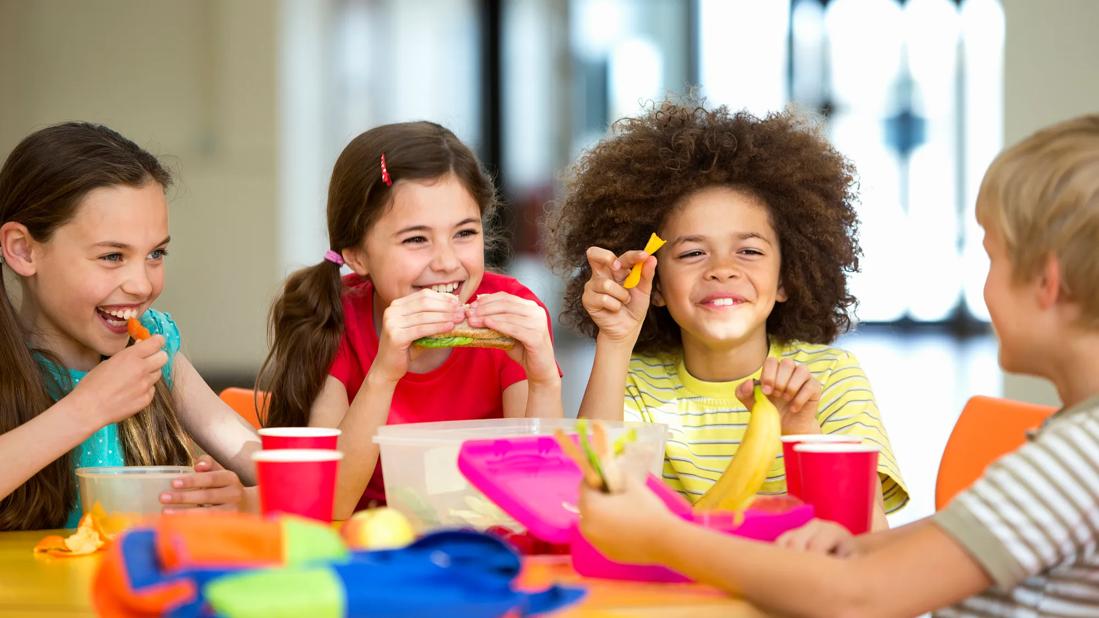
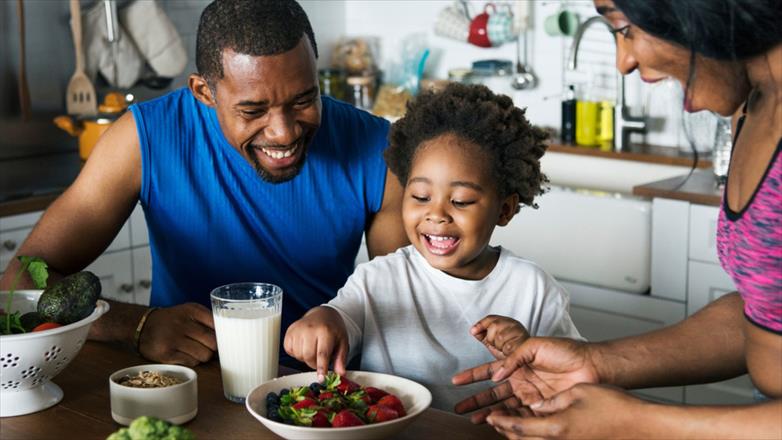
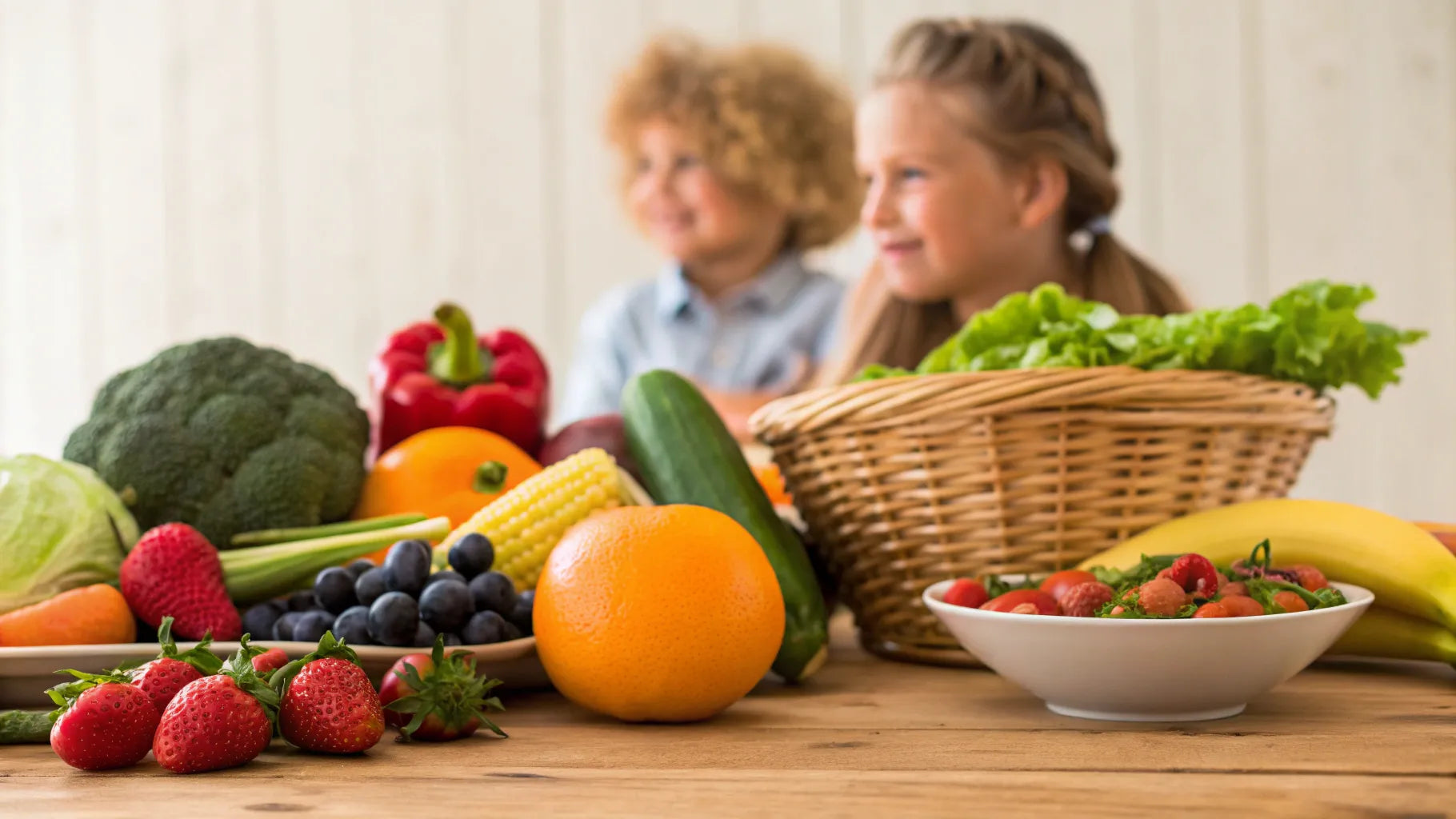
Nutrition plays a key role in supporting children’s growth, development, and energy levels. A balanced diet filled with fruits, vegetables, whole grains, dairy products, and lean proteins provides the nutrients kids need to stay healthy and active. Healthy eating habits help strengthen the immune system, improve concentration in school, and maintain a healthy body weight.
Parents and caregivers can make healthy eating fun by involving children in the process. Allowing kids to help choose fruits and vegetables at the grocery store or assist with simple meal preparation can make them more interested in trying nutritious foods. Colorful plates filled with different fruits and vegetables often encourage children to enjoy their meals. Replacing sugary snacks with healthier options like yogurt, nuts, or fresh fruit can also support better nutrition.
Another important habit is drinking enough water throughout the day. Water keeps the body hydrated and supports proper digestion and brain function. Teaching children the value of balanced meals and healthy snacks early in life helps them develop positive eating habits that benefit them for many years.
3. Encouraging Learning and Creative Activities
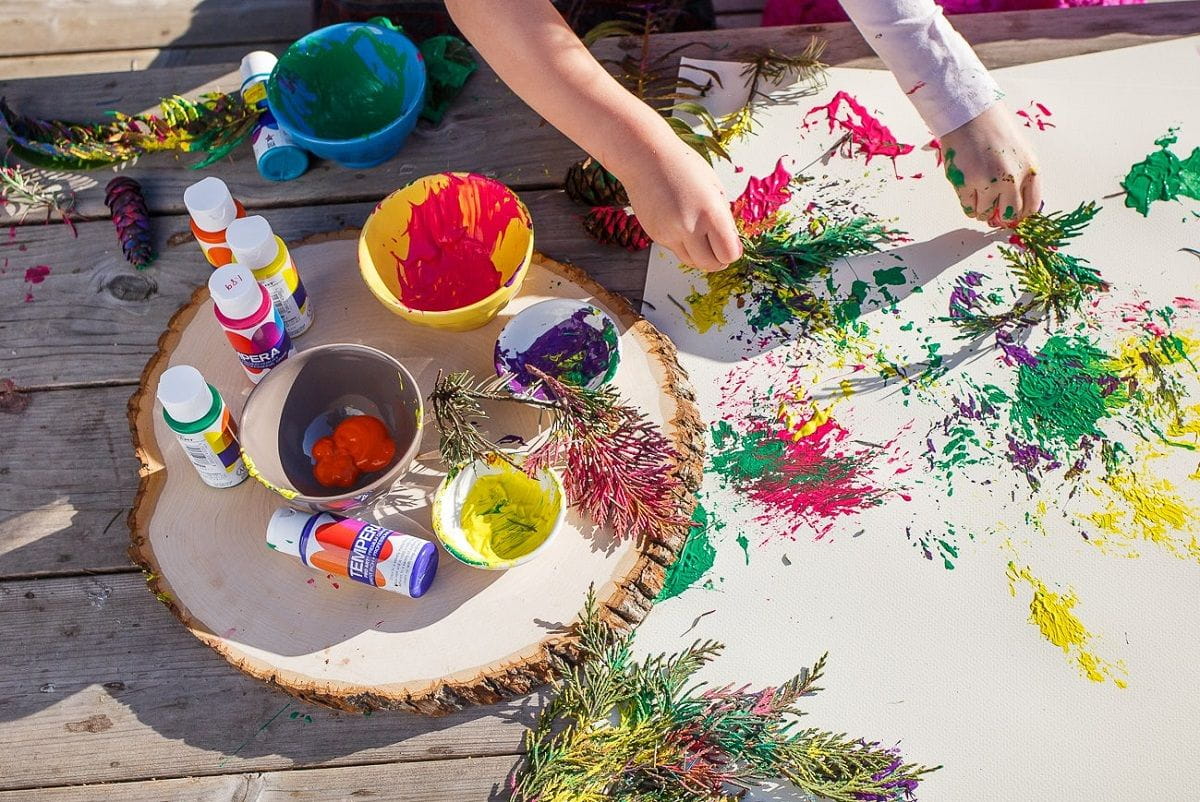

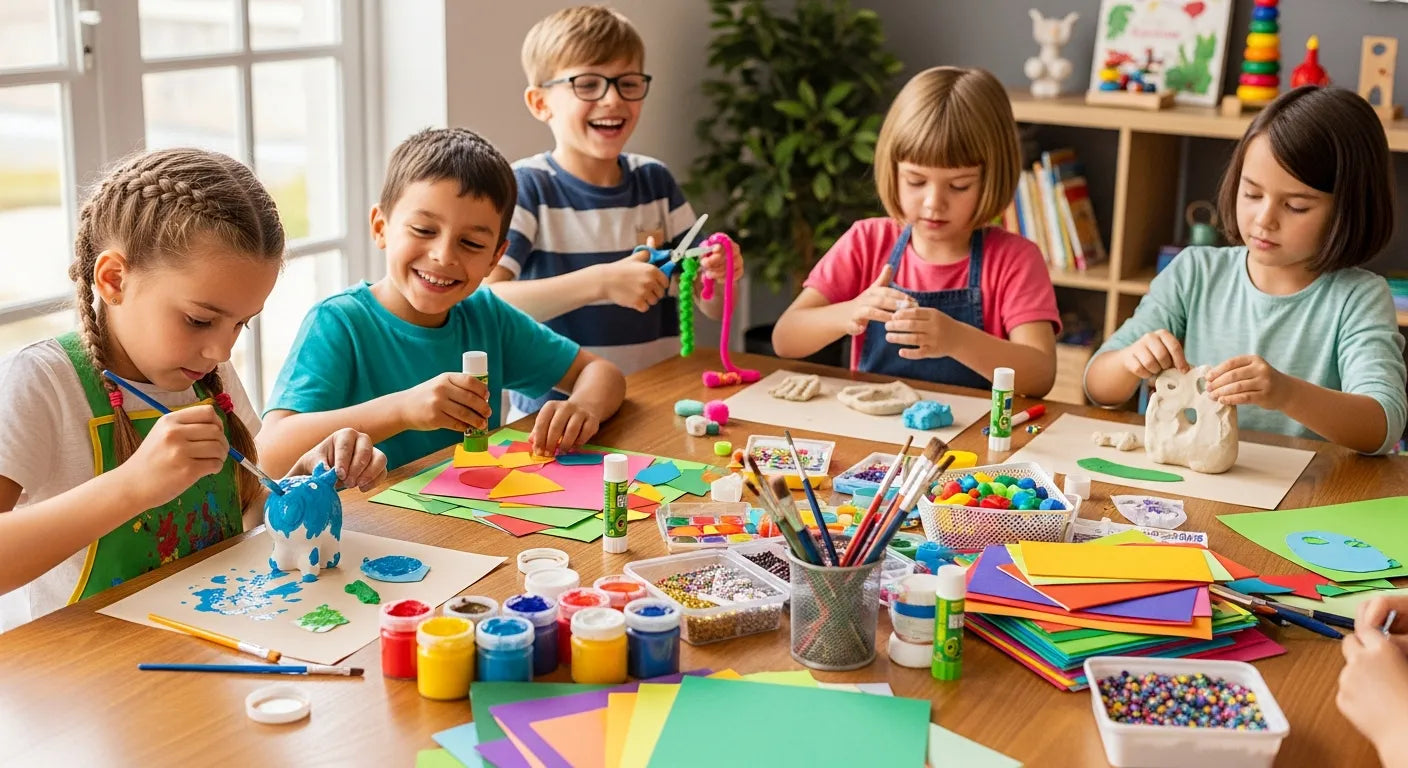
A healthy lifestyle for kids is not only about physical health—it also includes mental and emotional development. Encouraging learning and creative activities helps children develop curiosity, imagination, and problem-solving skills. Reading books, drawing, painting, building with blocks, or exploring science experiments are excellent ways for kids to learn while having fun.
Creative play allows children to express their thoughts and emotions in positive ways. Art projects, storytelling, and music activities help build confidence and communication skills. These experiences also help children develop patience and focus, which are important qualities for learning and personal growth.
Parents can support creativity by providing a variety of educational toys, books, and art materials. Setting aside time each day for learning activities can create a balanced routine that supports both school success and personal development. Encouraging curiosity and exploration helps children develop a lifelong love for learning.
4. Developing Positive Routines and Strong Family Connections




Healthy routines and strong family connections are essential for a child’s happiness and emotional well-being. Simple daily habits such as regular bedtime, family meals, and shared activities create stability and security for children. When kids know what to expect from their daily routines, they often feel more relaxed and confident.
Spending quality time together as a family helps strengthen relationships and build trust. Activities such as playing board games, reading bedtime stories, cooking together, or watching movies can create meaningful memories. These moments also give parents the opportunity to communicate with their children and understand their feelings and experiences.
Sleep is another important part of a healthy routine. Children need enough rest to support growth, learning, and emotional balance. Establishing a consistent bedtime schedule helps kids wake up refreshed and ready for the day. Limiting screen time before bed can also improve sleep quality.
By encouraging physical activity, healthy eating, creativity, and positive family routines, parents can help children build a strong foundation for a happy and balanced life. These habits not only support healthy development but also teach children valuable life skills that will benefit them in the future.