
Home Office Design Ideas for a Productive Workspace
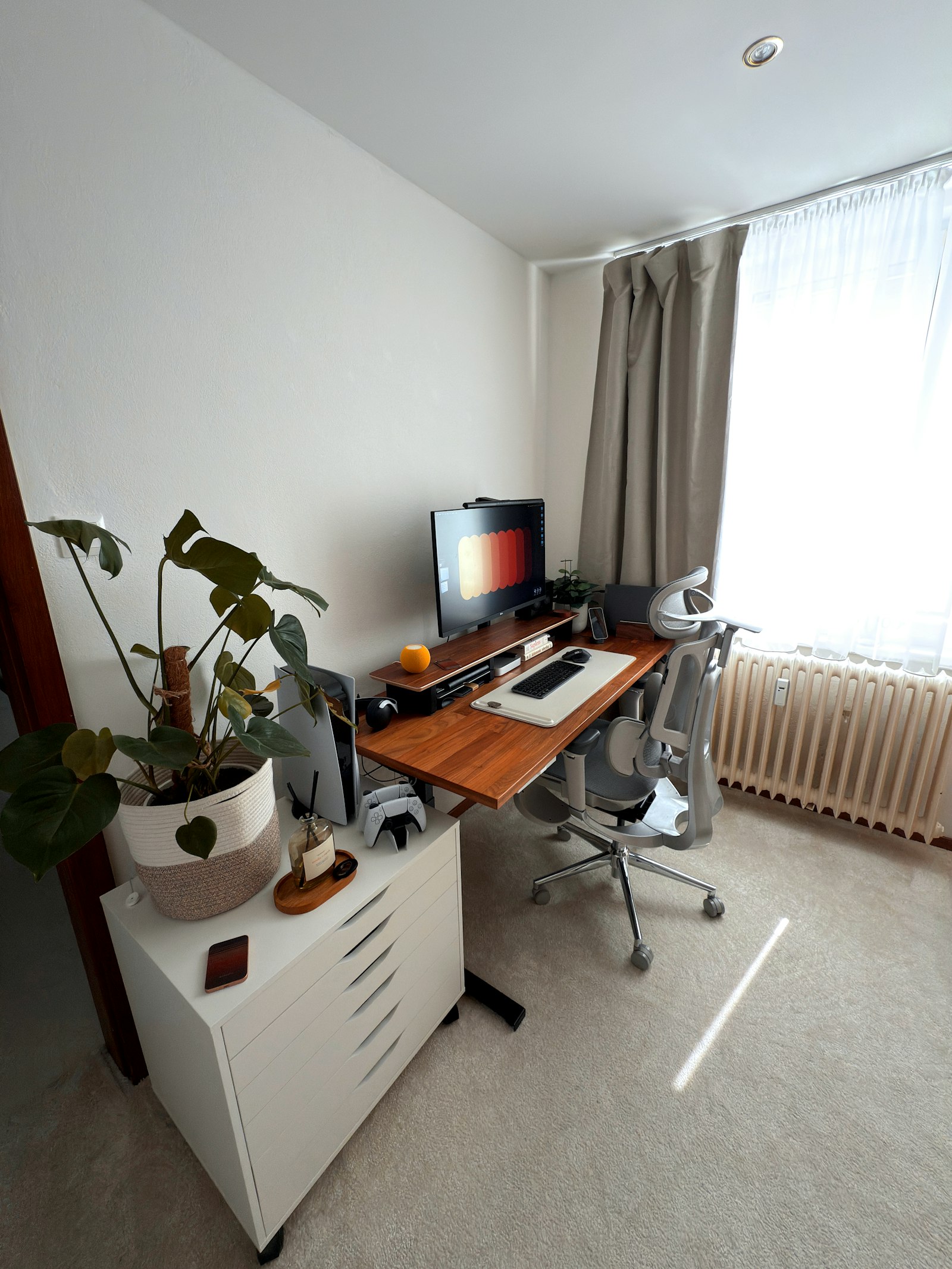
1. Pick a Spot With Real Boundaries
Even in a small home, a home office works best when it has some sense of separation from the rest of the house — physically or visually. A spare room is ideal, but a defined corner, a converted closet, or a nook behind a bookshelf can work just as well if it signals “this is where work happens.” The goal is a space you can mentally step into and out of, rather than a laptop that follows you from the couch to the kitchen table and back.
2. Invest in a Desk and Chair That Actually Support You
Of everything in a home office, the desk and chair are worth spending the most on, since they’re used for hours every day. A chair with proper lumbar support and adjustable height matters more than how it looks. Desk height should let your elbows rest at roughly a 90-degree angle when typing, and monitors (or a laptop stand) should sit at eye level to avoid neck strain. Small ergonomic fixes — a footrest, a wrist support, a monitor riser — pay off far more than decorative upgrades.
3. Layer Your Lighting
Relying on overhead light alone tends to create glare on screens and shadows on your desk. A dedicated task lamp positioned to the side of your dominant hand reduces both. Natural light is ideal for a desk position, but avoid facing a window directly on video calls, where it can wash you out on camera — sitting perpendicular to the window usually works better. Warm, adjustable lighting for evening work sessions helps signal to your body that it’s still possible to wind down later.
4. Build Storage Around What You Actually Need Nearby
An efficient workspace keeps only frequently used items within arm’s reach — a notebook, chargers, a cup for pens — and moves everything else off the desk entirely. Closed storage, like a cabinet or drawer unit, keeps papers and cables out of sight without requiring constant tidying. If you’re short on floor space, wall-mounted shelves or a pegboard above the desk add storage without taking up any desk real estate at all.
5. Make It a Place You Actually Want to Sit
Productivity aside, a home office should feel like somewhere you choose to be. A plant, a piece of art, or a photo that has nothing to do with work can make the space feel less clinical. A soft rug underfoot, a candle for the end of the day, or a comfortable throw on a nearby chair all help the office feel like part of your home rather than an outpost of it. The more you enjoy the space, the easier it is to actually use it consistently.