
Japandi Interior Design – Minimal, Calm & Functional Living
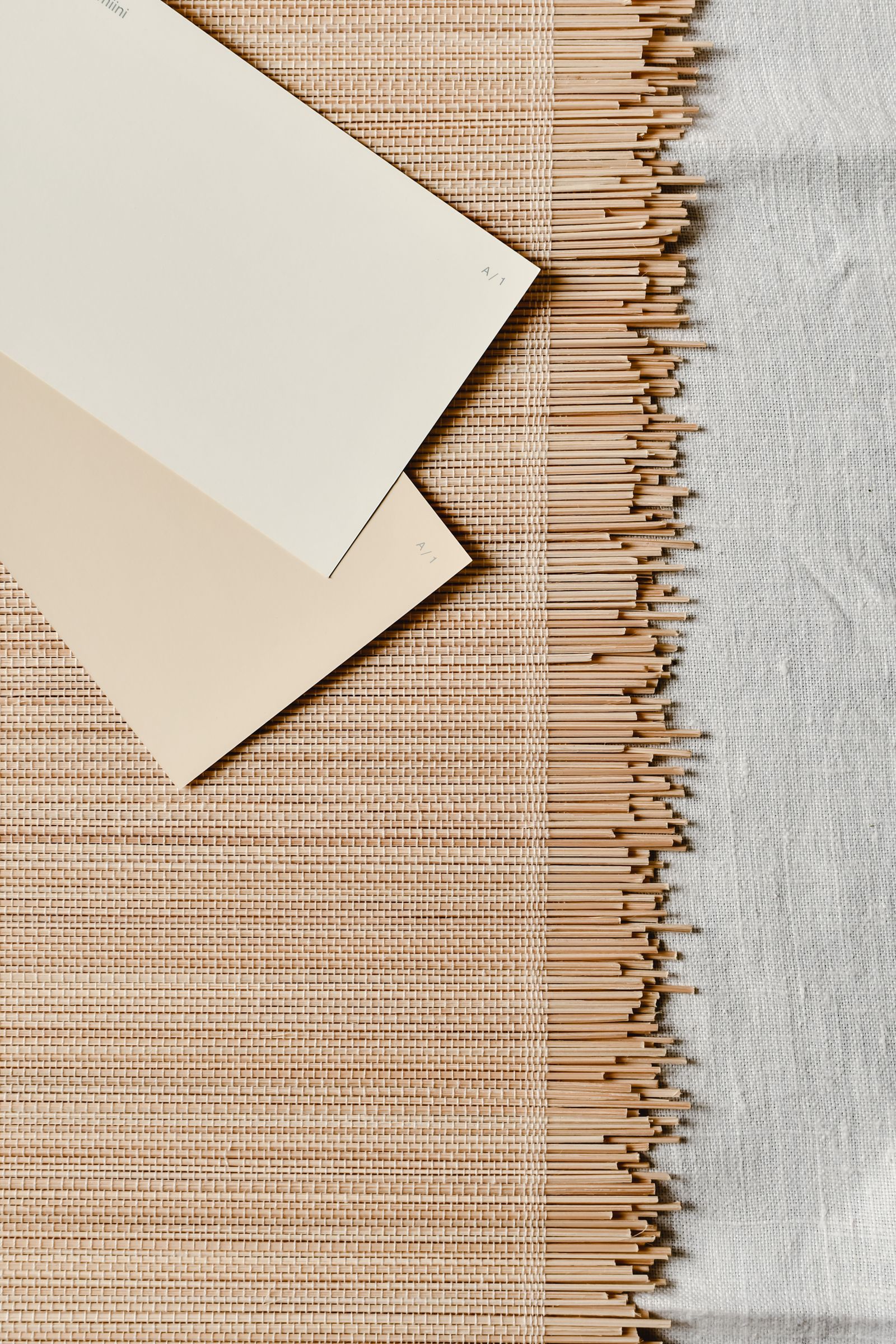
Japandi interior design is a beautiful fusion of Japanese minimalism and Scandinavian functionality. This design style focuses on simplicity, natural elements, and creating a peaceful environment. It combines the clean, uncluttered look of Japanese interiors with the warmth and coziness of Scandinavian design.
The main idea behind Japandi is “less but better.” Instead of filling a space with unnecessary items, it emphasizes quality, purpose, and balance. Every piece of furniture and decor has a role, making the space both functional and visually calming. This style is perfect for modern homes where comfort and simplicity are equally important.
2. Key Elements of Japandi Design
Japandi design is built around natural materials, simplicity, and craftsmanship. Wood is one of the most important elements, often used in furniture, flooring, and decor. Materials like linen, cotton, ceramic, and bamboo are also commonly used to maintain a natural and organic feel.
Clean lines and uncluttered spaces are key features. Furniture is simple yet elegant, with a focus on functionality. Instead of excessive decoration, Japandi interiors highlight subtle details and textures that add depth without overwhelming the space.
3. Color Palette and Mood
The Japandi color palette is soft, neutral, and calming. Shades like beige, white, grey, soft brown, and muted green are commonly used. These colors create a peaceful and balanced atmosphere that promotes relaxation.
Unlike bright and bold styles, Japandi interiors focus on subtle contrasts. Dark wood tones can be paired with light walls to create harmony. The overall mood is quiet, warm, and inviting—perfect for a stress-free living environment.
4. Furniture and Layout
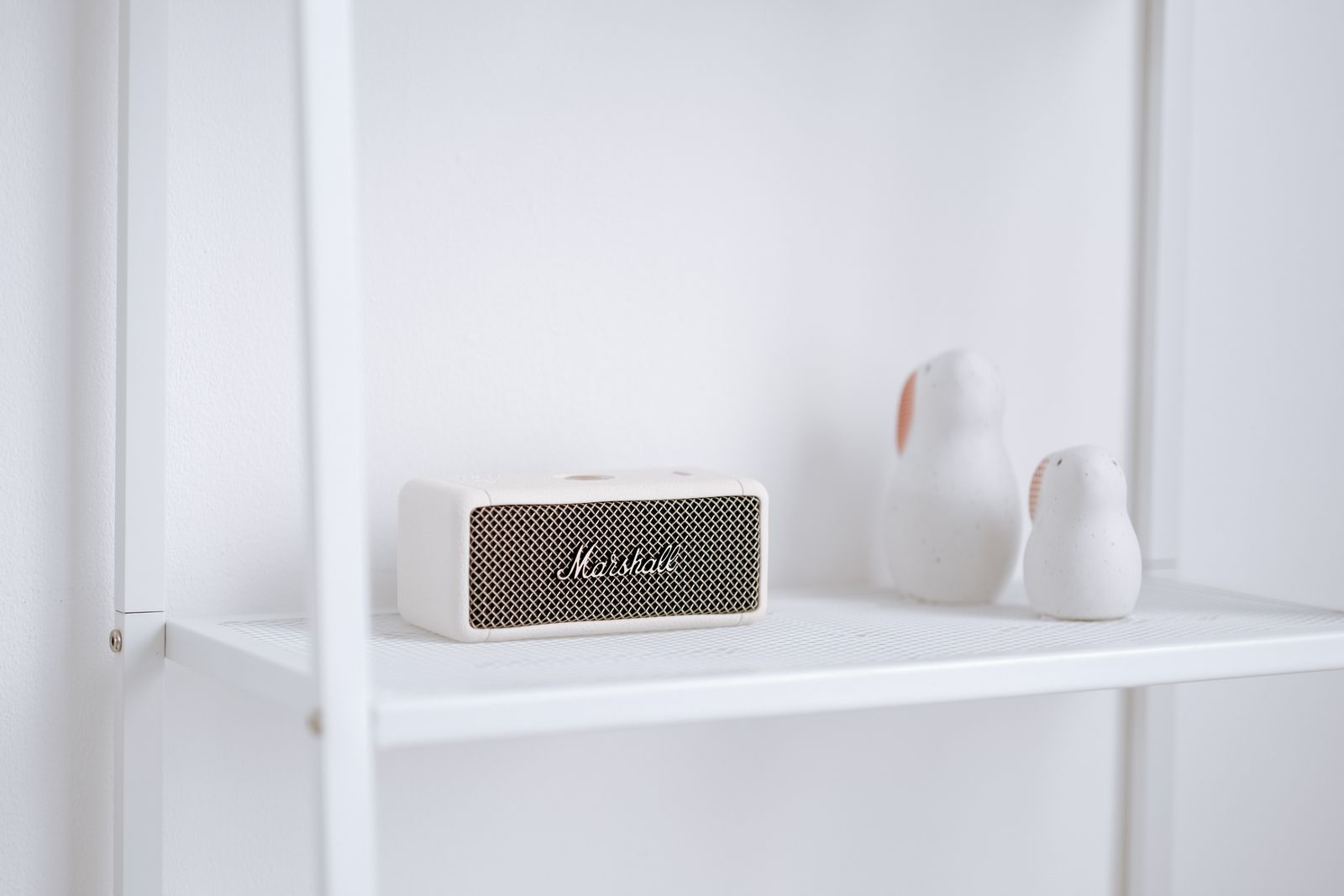
Furniture in Japandi design is low-profile, functional, and elegant. Pieces are usually simple in shape but high in quality. Low seating, wooden tables, and minimal storage units are commonly used to create a grounded and balanced look.
The layout focuses on open space and flow. Rooms are not overcrowded, allowing for easy movement and a sense of calm. Each item is carefully placed to maintain harmony and balance within the space.
5. Decor and Styling Ideas
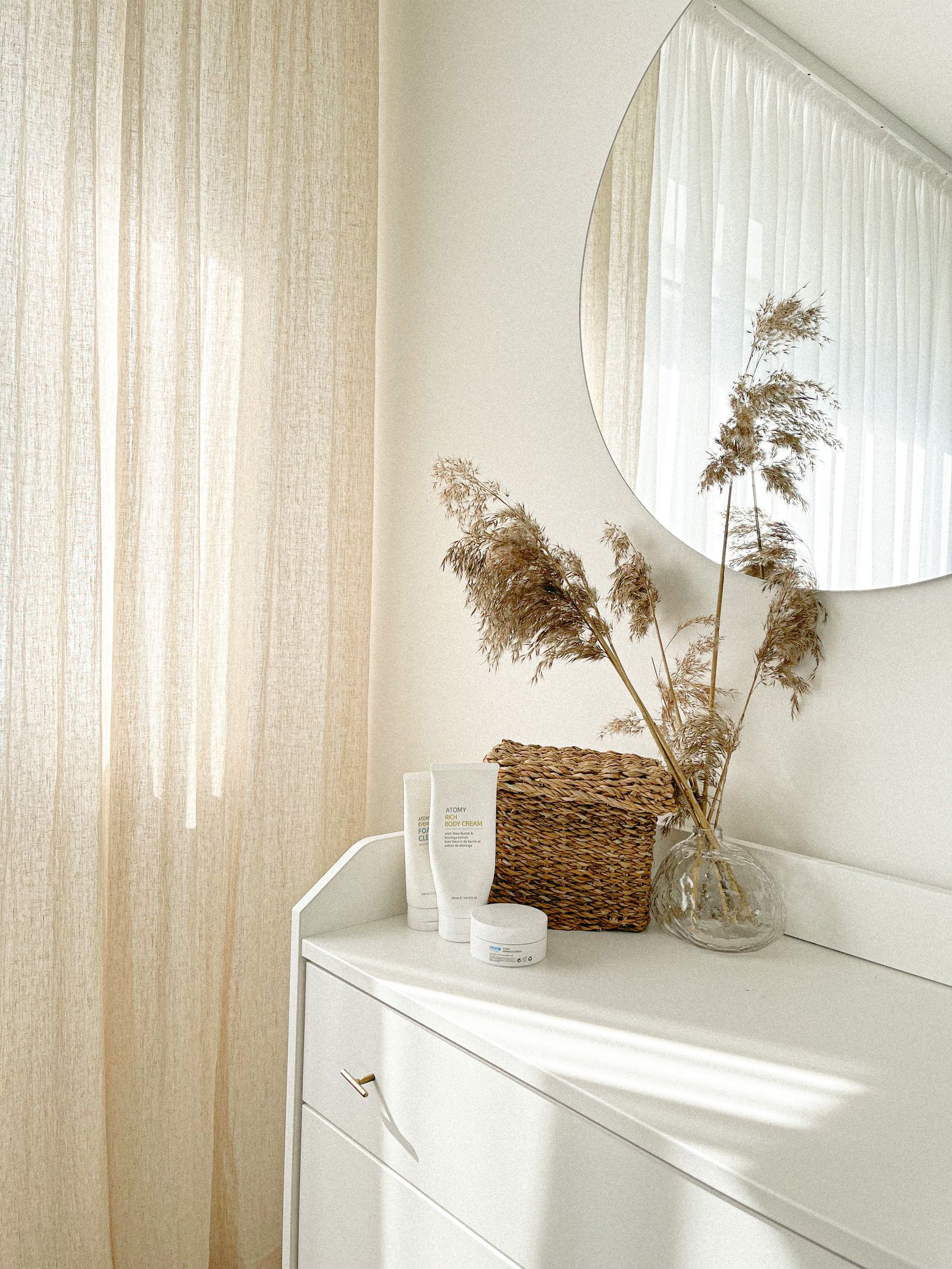
Decor in Japandi interiors is minimal but meaningful. Items such as ceramic vases, simple artwork, indoor plants, and handcrafted decor are used to enhance the space without cluttering it.
Plants play an important role in bringing life to the interior. Small greenery adds freshness and complements the natural materials used in the design. The key is to keep everything simple, balanced, and purposeful.
6. Benefits of Japandi Interior Design
Japandi interior design offers several advantages, especially for modern living. One of the biggest benefits is its calming effect. The clean layout and neutral colors help reduce stress and create a peaceful environment.
It is also highly practical. With fewer items and a focus on functionality, Japandi spaces are easy to maintain and keep organized. This makes everyday living more comfortable and efficient.
7. Why Choose Japandi Interior Design?
Japandi interior design is perfect for those who want a clean, modern, and peaceful home. It blends beauty with practicality, offering a timeless style that does not go out of trend.
This design encourages mindful living by focusing on what truly matters—comfort, simplicity, and quality. Whether you live in a small apartment or a large house, Japandi style can transform your space into a calm and elegant retreat.
The History Behind Japandi
Japandi emerged from recognizing the shared design philosophy between two seemingly distant cultures. Japanese design draws heavily from Zen Buddhist principles and the concept of “ma,” or negative space, valuing emptiness and simplicity as much as the objects within a room. Scandinavian design developed its own minimalism out of necessity, shaped by long, dark winters that made warmth, coziness, and functional simplicity essential rather than optional. Japandi essentially bridges these two independently developed philosophies, finding the overlap between Japanese restraint and Scandinavian hygge to create something that feels both calming and lived-in.
Choosing Furniture for a Japandi Space
Furniture selection is one of the most important decisions in a Japandi room, since each piece needs to justify its presence in a deliberately uncluttered space. Low-profile seating, floor cushions, and platform beds echo traditional Japanese furniture proportions, while the warm wood tones and soft, rounded edges bring in Scandinavian comfort. Investing in fewer, higher-quality pieces rather than filling a room with furniture is central to the style — a single well-made wooden dining table matters more to the overall effect than several mismatched, lower-quality pieces.
Bringing Natural Light Into a Japandi Room
Both Japanese and Scandinavian design traditions place enormous value on natural light, and a genuine Japandi space typically maximizes it wherever possible. Sheer linen curtains, rather than heavy drapes, let light filter through softly without fully exposing the room. Keeping window areas free of furniture and clutter allows light to move through the space more freely, reinforcing the calm, open feeling the style is known for. In rooms with limited natural light, warm-toned lighting fixtures with paper or fabric shades echo the same soft, diffused quality that natural light provides.
Japandi in Small Spaces
The philosophy of “less but better” makes Japandi particularly well suited to small apartments and compact homes, where every piece of furniture needs to earn its place regardless of design style. Multi-functional furniture — a storage bench, a low table that doubles as extra seating — fits naturally within Japandi’s minimalist ethos while addressing the practical constraints of limited square footage. A neutral, cohesive color palette throughout a small space also helps rooms feel larger and more connected than they would with visually busy, high-contrast design choices.
Common Mistakes When Designing a Japandi Space
Confusing minimalism with emptiness is one of the most common mistakes — a truly successful Japandi room isn’t sparse for its own sake, but carefully edited, with each remaining item chosen deliberately. Mixing in pieces that don’t share the style’s material and color language, like glossy, brightly colored furniture, can undermine the calm cohesion Japandi depends on. Skipping the natural material requirement — relying on synthetic materials that mimic wood or ceramic rather than the real thing — also tends to undercut the tactile, grounded quality that makes Japandi interiors feel genuinely calming rather than sterile.
Building a Japandi Space on a Budget
Japandi doesn’t require an unlimited budget, though the emphasis on quality materials means prioritizing fewer, better pieces over filling a room with cheaper furniture. Secondhand and vintage wooden furniture, refinished if needed, often fits the aesthetic beautifully while costing considerably less than new pieces. Simple, handmade ceramics and woven textiles from local artisans or secondhand shops can deliver the same textural warmth as higher-end designer pieces at a fraction of the cost, as long as the overall material and color palette stays consistent.
Frequently Asked Questions
Does Japandi work in a rental home?
Yes — since the style relies primarily on furniture, textiles, and decor choices rather than structural changes, it’s one of the more rental-friendly design aesthetics available.
Can bold colors ever work in a Japandi space?
Sparingly — a single muted, earthy accent color (deep green, rust, or charcoal) can work if used minimally, but the overall palette should remain neutral and calm to stay true to the style.
Is Japandi the same as minimalism?
Related but distinct — Japandi shares minimalism’s restraint but adds warmth through natural materials, texture, and a cozier overall feeling than stark, all-white minimalist interiors often have.
How many plants should a Japandi room have?
A few well-placed, simple greenery pieces work better than an abundance of plants, keeping with the style’s overall philosophy of purposeful, uncluttered decor.
Final Thoughts
Japandi’s staying power comes from how genuinely livable it is compared to more austere minimalist styles — it asks for intention and quality over quantity, but it doesn’t demand the kind of stark emptiness that can feel cold or impractical for everyday life. Whether applied to a full home or just one room, the same core principles apply: natural materials, a calm neutral palette, purposeful furniture, and enough restraint to let each remaining piece actually be appreciated rather than lost in visual clutter.
Japandi by Room
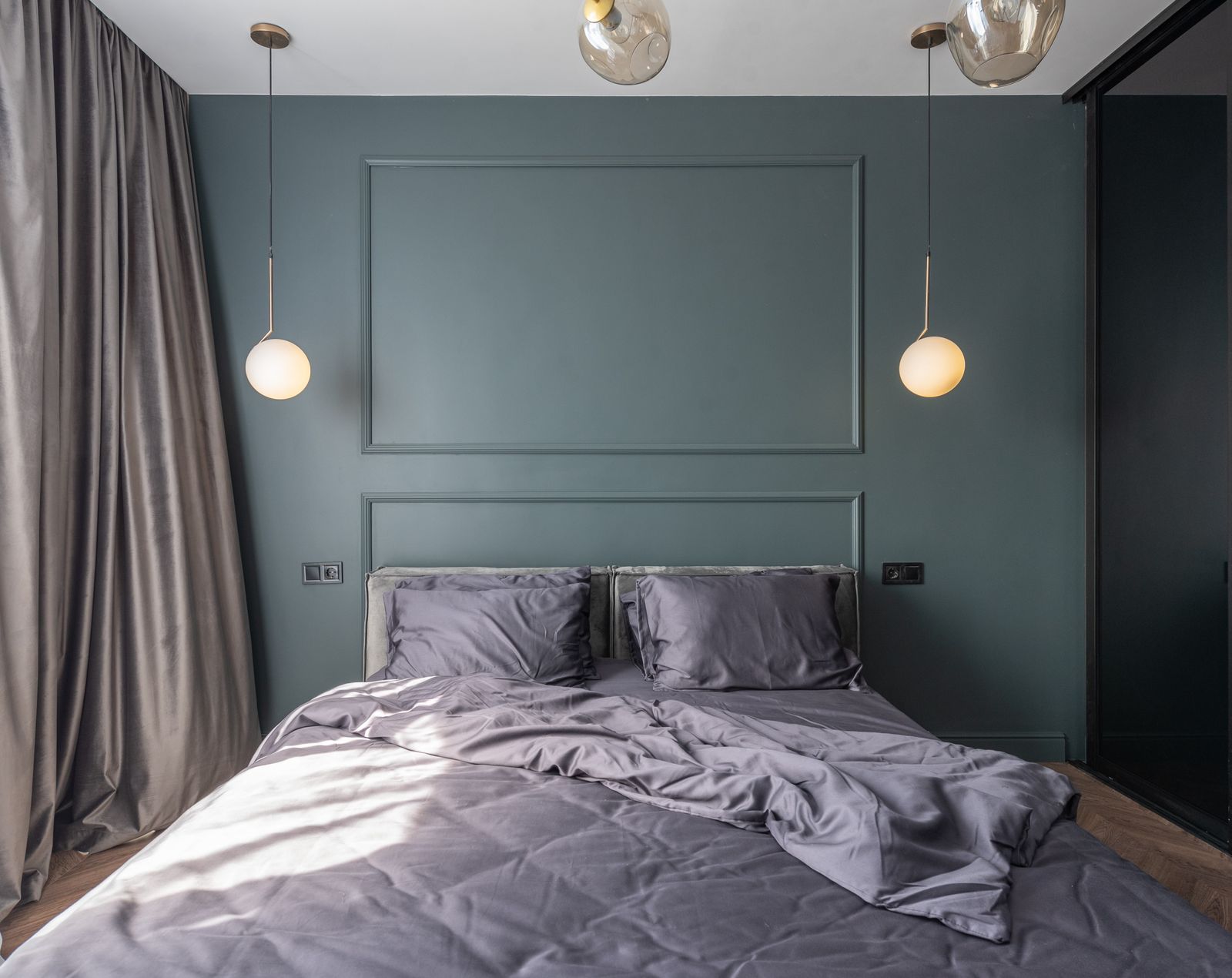
Different rooms call for slightly different applications of the same core principles. In a living room, a low wooden coffee table, a neutral linen sofa, and a single statement ceramic piece typically anchor the space without overwhelming it. In a bedroom, a platform bed, natural fiber bedding, and minimal nightstand decor create the calm, restful atmosphere the style is known for. In a kitchen, open wooden shelving displaying simple ceramics, paired with matte black or brushed brass hardware, brings the Japandi aesthetic into a space that’s often more functionally demanding than other rooms.
Textiles and Texture in Japandi Design
Because the color palette stays so restrained, texture does much of the visual interest work in a Japandi room. Nubby linen, raw cotton, woven jute, and natural wool all add tactile depth without introducing pattern or color that would compete with the style’s calm restraint. Layering different textures — a wool throw over a linen sofa, a jute rug beneath a wooden table — creates visual richness through touch and subtle contrast rather than through color or ornamentation.
Lighting Choices That Support the Aesthetic
Warm-toned lighting, generally in the 2700K to 3000K range, supports the cozy, calm atmosphere Japandi aims for far better than cooler, bluer light temperatures common in more clinical minimalist spaces. Paper or fabric pendant shades, inspired by traditional Japanese lanterns, filter light softly and add a sculptural element without introducing visual clutter. Floor and table lamps with simple, unadorned silhouettes in wood or matte metal finishes complete the lighting scheme without drawing unnecessary attention away from the room’s overall calm.
Incorporating Craftsmanship and Artisan Pieces
Both Japanese and Scandinavian design traditions place high value on visible craftsmanship — the slight imperfections of hand-thrown ceramics, the visible grain of solid wood furniture, the texture of hand-woven textiles. Seeking out artisan-made pieces, even just one or two per room, adds authenticity and story to a Japandi space in a way that mass-produced furniture generally can’t replicate. This doesn’t require an unlimited budget — local craft markets, small independent makers, and secondhand shops often offer these kinds of pieces at reasonable prices.
Balancing Function and Beauty
A core principle distinguishing Japandi from purely decorative design styles is the insistence that every object serve a genuine purpose. Before adding any new piece to a Japandi space, it’s worth asking whether it’s purely decorative or whether it also serves a function — a beautiful ceramic bowl that also holds keys, a handwoven basket that also stores blankets. This functional-first approach is part of why Japandi spaces tend to feel calm rather than empty, since nothing present is there purely for decoration without earning its place through use.
Transitioning an Existing Space to Japandi
Rather than starting from scratch, most people transition an existing room to Japandi gradually, removing excess decor first, then reassessing what’s left against the style’s core principles. Repainting walls in a soft neutral tone often makes the biggest immediate visual impact, followed by swapping out any brightly colored or heavily patterned textiles for natural, muted alternatives. Furniture replacement, being the most expensive step, is usually best done last and gradually, prioritizing the most visually prominent pieces first.
Sustainability and Japandi
The style’s emphasis on quality over quantity naturally aligns with more sustainable consumption habits, since buying fewer, longer-lasting pieces reduces the overall environmental footprint compared to frequently replacing cheaper furniture and decor. Choosing natural, biodegradable materials over synthetic alternatives further reinforces this sustainable quality, making Japandi a design philosophy that happens to align well with more environmentally conscious living, even though sustainability isn’t its primary stated goal.
Japandi vs. Other Minimalist Styles
Compared to Scandinavian design alone, Japandi introduces more deliberate asymmetry and a quieter, more contemplative quality drawn from Japanese aesthetics, rather than Scandinavian design’s typically brighter, whiter palette. Compared to pure Japanese minimalism, Japandi is generally warmer and cozier, incorporating more texture and comfort-focused elements than the sometimes austere quality of traditional Japanese interiors. Compared to industrial minimalism, which often leans into raw, unfinished materials like concrete and exposed metal, Japandi consistently favors natural, warm materials like wood and linen over anything that reads as cold or unfinished.
Working With a Designer vs. DIY Japandi
Given how much the style depends on careful editing and cohesive material choices, many people successfully take on a Japandi redesign themselves, particularly since the core principles — fewer, better pieces, natural materials, a calm palette — are straightforward to apply gradually over time. For anyone renovating more significantly or struggling to achieve the right balance, a designer experienced specifically in Japandi or similar minimalist styles can help avoid the common pitfall of a room that reads as simply empty rather than intentionally restrained.
Final Word
Japandi has earned its lasting popularity by solving a genuine tension many people feel in their homes — wanting simplicity and calm without sacrificing warmth and comfort. By combining Japanese restraint with Scandinavian coziness, it offers a template for mindful living that feels genuinely sustainable rather than trend-driven, one considered piece at a time rather than a complete overhaul all at once.
Whether you’re redesigning a single room or an entire home, starting with what genuinely serves your daily life — removing what doesn’t, keeping and elevating what does — is the most reliable way to arrive at a space that feels as peaceful as the Japandi philosophy promises, rather than simply following a design trend without understanding the thinking behind it.