
Modern Home Decor Ideas to Transform Your Living Space


Budgeting a Living Room Refresh
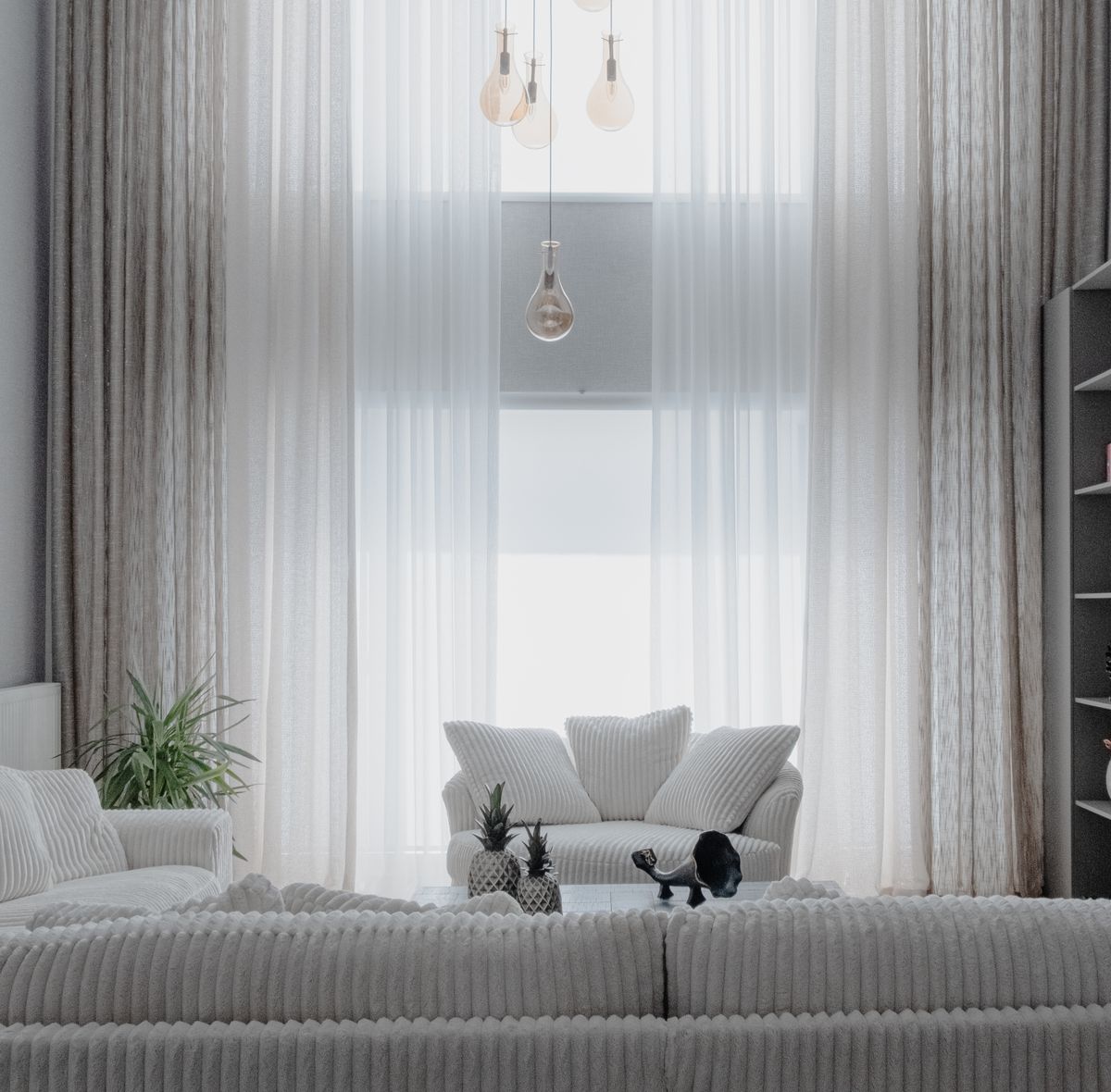
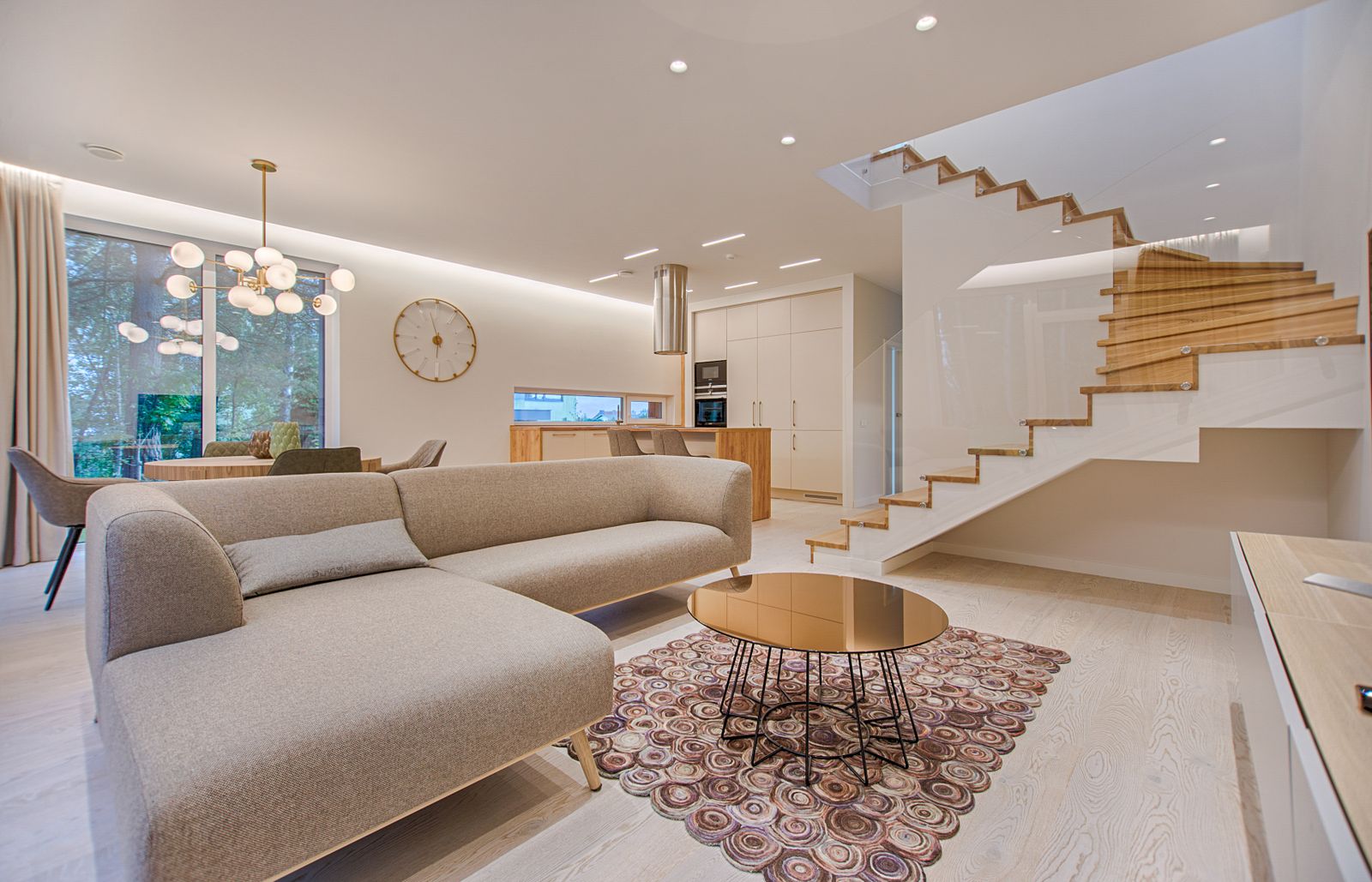
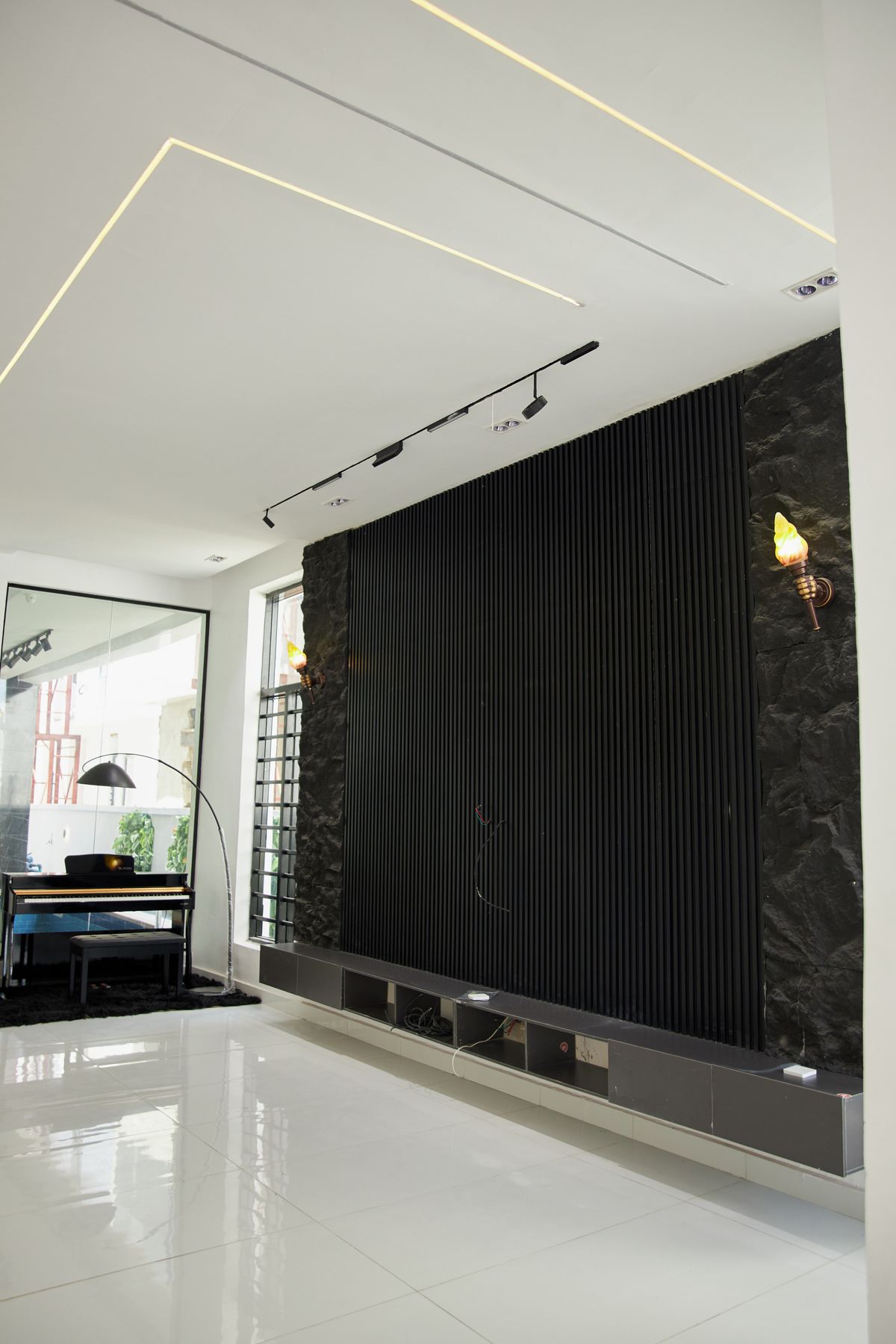
A full living room renovation can be costly, but many of the ideas above work as standalone updates. New lighting, an accent wall, or a gallery of wall art can transform the feel of a room for a few hundred dollars, while replacing major furniture pieces represents a larger investment worth planning separately. Prioritizing lighting and a few key furniture pieces first tends to deliver the most noticeable daily improvement per dollar spent.
Small Living Room Adaptations
Not every idea here requires a spacious room. Multi-functional furniture — a storage ottoman, a nesting coffee table, wall-mounted shelves instead of a bulky bookcase — makes smart use of limited square footage. A large mirror opposite a window can make a small living room feel noticeably brighter and more open, echoing the same trick used in small bathrooms and bedrooms.
Choosing a Color Palette
Neutral palettes remain the most popular choice because they photograph well and never feel dated, but a single bold accent wall or a few richly colored throw pillows have become an increasingly popular way to add personality without committing to a full room repaint. Two or three coordinating accent colors, repeated across cushions, art, and small decor pieces, tend to look more intentional than one color used everywhere.
Frequently Asked Questions
What’s the single best upgrade for a small budget?
New lighting and a few well-placed throw pillows or a rug typically deliver the most visible transformation for the lowest cost.
Do living room plants need a lot of maintenance?
Not necessarily — pothos, snake plants, and ZZ plants specifically tolerate low light and infrequent watering while still delivering the same fresh, natural look.
Is a gallery wall hard to put together?
Not with a bit of planning — laying frames out on the floor first in your intended arrangement before hanging anything helps avoid unnecessary nail holes and a lopsided final result.
How do I make a living room feel cozier without a full redesign?
Layering textures — a soft throw blanket, a textured rug, varied cushion fabrics — and switching to warmer, dimmable lighting both make a noticeable difference without any structural change.
Final Word
A stylish, comfortable living room doesn’t require an unlimited budget — it requires thoughtful choices about lighting, furniture function, and a handful of well-placed details that work together. Whether you tackle every idea on this list or start with just one or two, the goal remains the same: a space that feels genuinely welcoming every time you walk into it.
Choosing Materials That Last
Performance fabrics — stain-resistant, tightly woven upholstery originally designed for outdoor furniture — have become increasingly popular for living room sofas and chairs, especially in households with kids or pets, since they resist spills and wear far better than traditional fabric without sacrificing softness or style. Solid wood furniture costs more upfront than particleboard or veneer pieces but holds up considerably better over years of daily use and can often be refinished rather than replaced entirely when it starts to show wear.
Working With a Designer vs. DIY
Cosmetic updates — new throw pillows, rearranged furniture, fresh paint, and added wall art — are generally DIY-friendly projects that don’t require professional help. A full room redesign involving custom furniture, structural changes, or a whole-house color scheme benefits from professional input, particularly if you’re unsure how to make disparate pieces work together cohesively. Many designers offer hourly consultation services rather than full project management, which can be a cost-effective way to get expert guidance on layout and color without handing over the entire project.
Layout and Furniture Arrangement
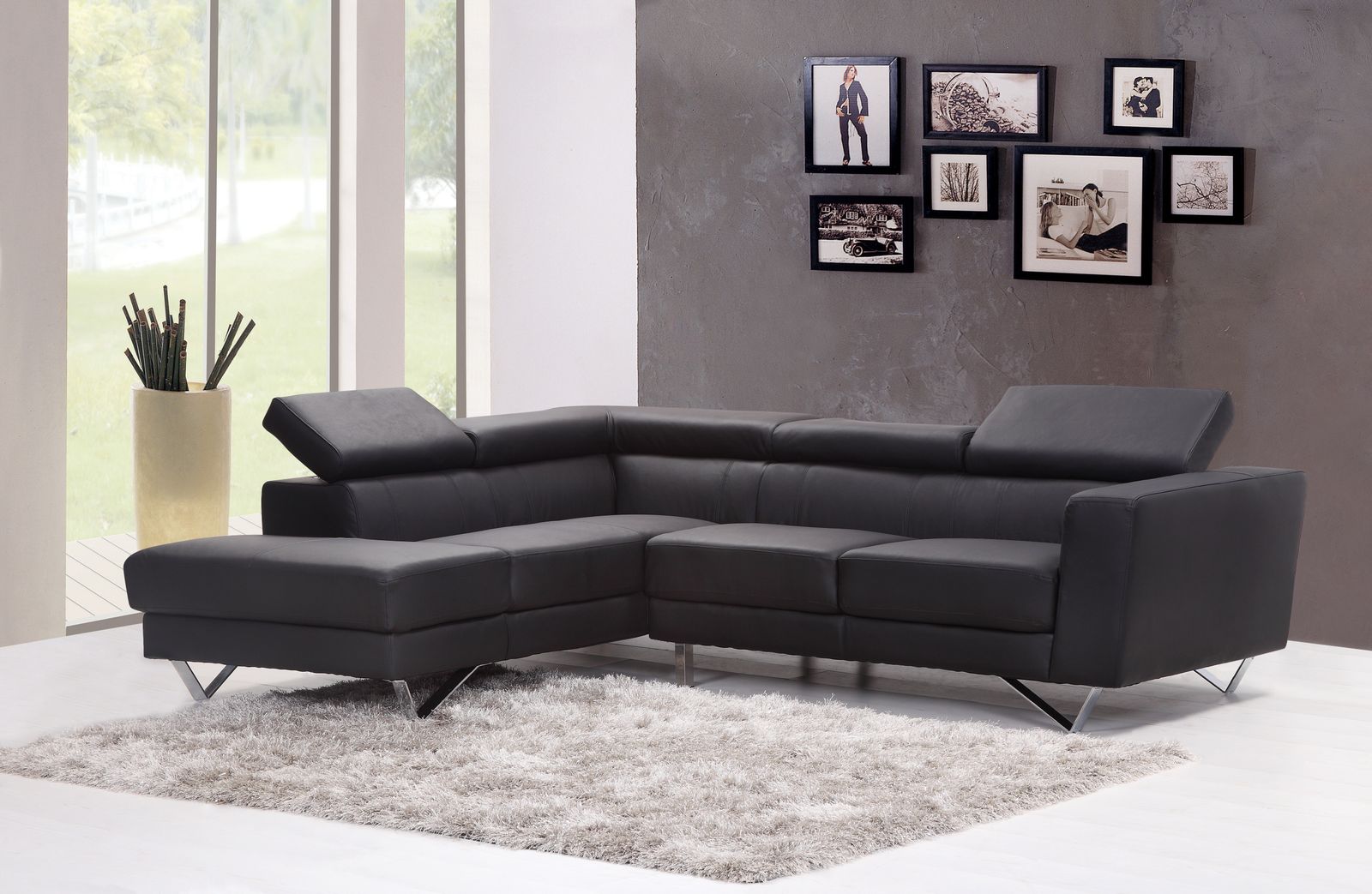
Good furniture arrangement matters as much as the pieces themselves. Floating a sofa away from the wall, rather than pushing every piece against the perimeter, often makes a room feel more intentional and encourages better conversation flow. Leaving enough walking space — generally around 30 inches — between major furniture pieces keeps a room feeling functional rather than cramped, even when it’s fully furnished. Anchoring a seating arrangement with a rug sized to fit under at least the front legs of the surrounding furniture, rather than a rug that floats in the middle looking too small, is one of the most common layout mistakes worth avoiding.
Living Room Ideas for Rentals
Renters can achieve much of this look without permanent changes. Removable wallpaper or peel-and-stick wall decals can update an accent wall without violating a lease. Furniture on casters or lightweight pieces that can be rearranged easily give flexibility without construction. A large area rug, a gallery of leaning or freestanding art, and a few well-chosen plants are some of the most cost-effective ways to instantly elevate a rental living room.
Lighting Layers Explained
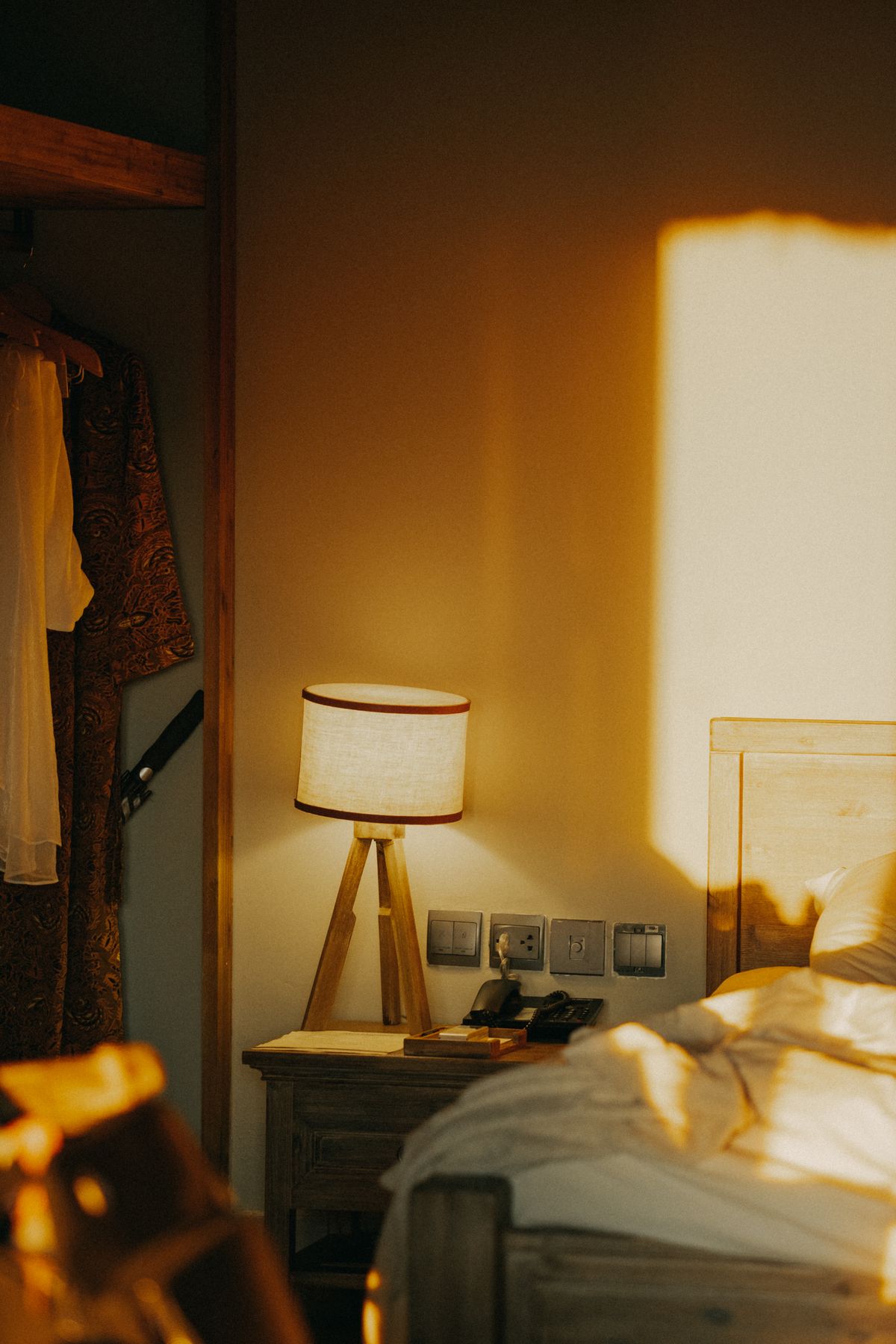
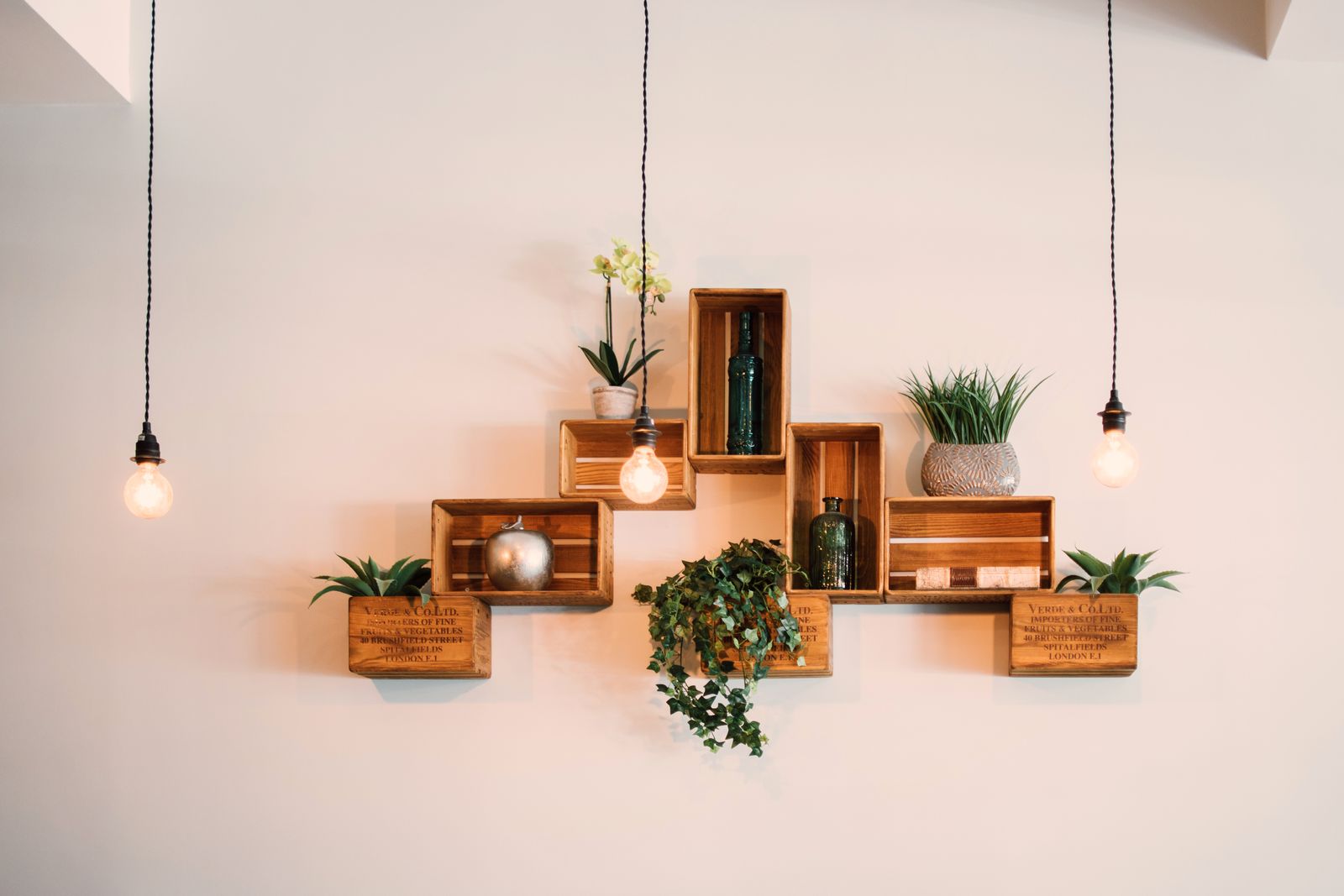
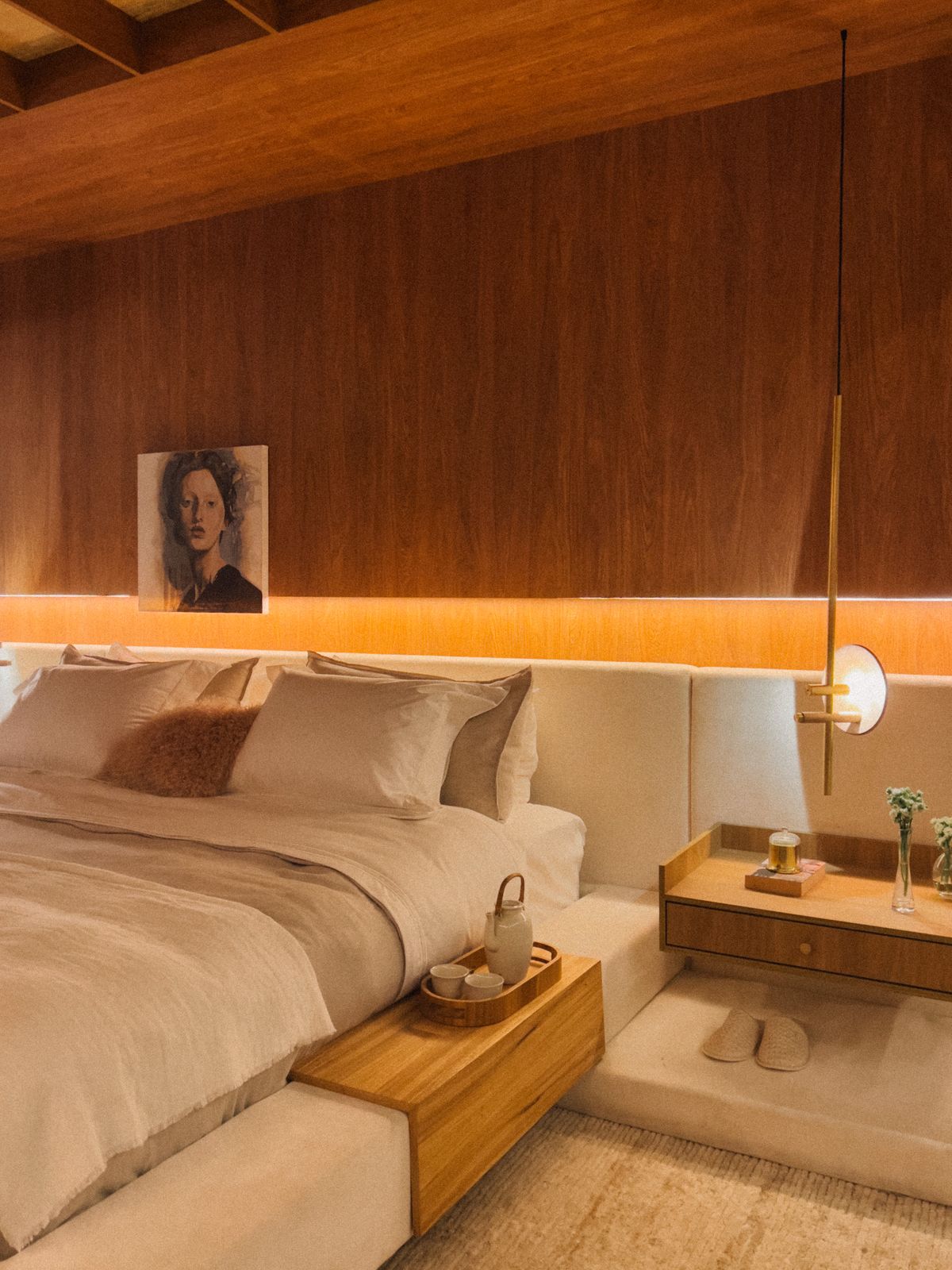
A genuinely cozy living room typically uses three distinct layers of lighting rather than a single overhead fixture. Ambient lighting sets the base brightness for the room. Task lighting — a reading lamp beside a favorite chair — supports specific activities without requiring the whole room to be brightly lit. Accent lighting, like a floor lamp in a corner or string lights along a shelf, adds warmth and dimension for evening use. Combining all three, with dimmer switches where possible, gives the flexibility to shift the room’s atmosphere throughout the day.
Common Living Room Design Mistakes
Choosing furniture that’s too large or too small for the room’s actual proportions is one of the most common mistakes, often resulting from shopping without measuring the space first — bringing exact measurements, including doorway widths for delivery, prevents this before any purchase is made. Overcrowding a room with too many decorative accessories undermines the calm, put-together feel this style depends on, while too few can make a room feel unfinished and cold. Skipping a rug entirely, or choosing one too small for the seating arrangement, is a subtle but common mistake that can make an otherwise well-designed room feel visually disconnected.
Seasonal Refresh Ideas
A living room doesn’t need a full redesign to feel refreshed each season. Swapping in heavier, textured throw blankets and warmer-toned candles for winter, then switching to lighter linen cushion covers and fresh flowers for summer, keeps the space feeling current without any structural changes. Rotating a few key accessories seasonally is a low-cost habit that keeps a living room feeling intentional and cared for throughout the year rather than static.
Sustainable Living Room Choices
Secondhand and vintage furniture pieces, mixed thoughtfully with newer items, allow a living room to feel curated and individual while reducing both cost and environmental impact compared to buying everything new. Natural, sustainably sourced materials — wool rugs, solid wood furniture, linen upholstery — tend to age more gracefully and last longer than synthetic alternatives, which matters both for sustainability and for how well a room holds up to years of daily use.
Planning Your Own Living Room Project
Before starting any updates, spend time in the space and note what genuinely bothers you day to day — insufficient seating, poor lighting, no clear focal point — rather than starting with the most visually striking idea from a design inspiration board. Addressing real daily frustrations first tends to deliver more lasting satisfaction than chasing trends, and it naturally guides which of the ideas covered in this guide are worth prioritizing for your specific space and budget.
Final Checklist Before You Start
List priorities in order before committing to any purchases: lighting and furniture layout first, since both affect daily comfort and how the whole room functions; storage and organization second, since clutter undermines even the most beautifully designed space; and decorative finishing touches last, since these are the easiest and cheapest to update if your taste changes down the road. Working through updates in this order tends to produce the most satisfying, lasting result for the least regret and rework later.
The Living Room as a Multi-Purpose Space
For many households, the living room now doubles as a home office, a play area, or an entertainment hub, which means flexible furniture matters more than ever. Furniture with hidden storage, a coffee table that adjusts to standing height for occasional work, and seating that can be easily rearranged all help a single room serve multiple functions without feeling permanently cluttered by any one of them. Designating specific zones within an open-plan living room — a reading corner, a media area, a conversation seating group — helps the space feel organized even when it’s serving several purposes throughout the day.
Bringing It All Together
The ideas covered here — from minimalist palettes to indoor plants, warm layered lighting, an accent wall, functional furniture, wall art, and smart storage — work best when combined thoughtfully rather than all at once. Start with the foundational elements before layering in the more decorative touches, and the result will feel like a considered, cohesive space rather than a collection of trends borrowed from different rooms entirely.
Whether your living room is large enough for a full seating group and a dedicated media area, or small enough to need every piece of furniture working double duty, the same underlying principles apply — thoughtful lighting, honest furniture choices, and a handful of finishing touches that feel personal rather than borrowed. Done well, a living room isn’t defined by square footage or budget alone, but by how genuinely comfortable it feels every time you walk in and sit down.