
Communication skills are essential for children’s success in school, friendships, and everyday life. The ability to express thoughts, listen carefully, and understand others helps children build confidence and strong relationships. Good communication skills also support learning, emotional development, and problem-solving.
Children begin learning communication skills from a very young age by observing and interacting with parents, caregivers, and teachers. However, these skills need continuous support and practice to develop fully. In today’s busy world, where technology often replaces face-to-face interaction, it is important to create opportunities for meaningful conversations.
Improving kids’ communication skills does not require complicated methods. Simple daily activities such as talking, reading, and listening can make a big difference. This article explores practical and effective ways to help children improve their communication skills.
👂 Encourage Active Listening
One of the first steps to improving communication skills is teaching children how to listen carefully. Listening is just as important as speaking. When children learn to listen actively, they understand instructions better and respond appropriately.
Parents can encourage listening by giving children full attention during conversations. Making eye contact and showing interest in what they say teaches children that listening is valuable. Asking questions about their day also encourages them to think and respond thoughtfully.
Games such as “Simon Says” or storytelling activities can improve listening skills in fun ways. These activities help children focus on instructions and develop patience.
📖 Promote Reading and Storytelling
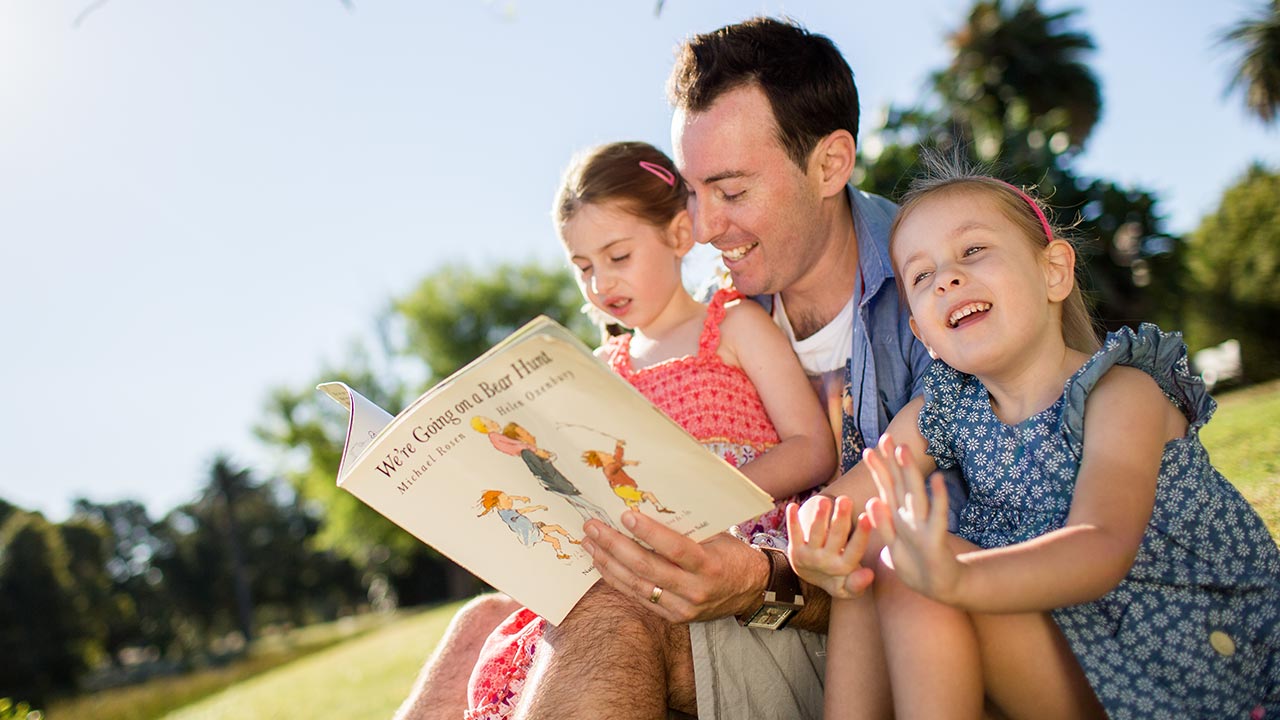
Reading is one of the most effective ways to improve communication skills. When children read books or listen to stories, they learn new words and sentence structures. This helps expand their vocabulary and improve language development.
Storytelling activities also encourage children to express their thoughts creatively. Parents can ask children to describe characters, predict what will happen next, or retell stories in their own words.
Reading together regularly strengthens both communication and imagination. It also creates a positive bonding experience between parents and children.
🗨️ Encourage Conversations at Home
4
Regular conversations at home help children become comfortable expressing their thoughts and feelings. Parents can create opportunities for conversation during meals, car rides, or family activities.
Open-ended questions encourage children to speak more. For example, instead of asking “Did you enjoy school?” parents can ask “What was the best part of your day?” This encourages detailed responses.
Listening patiently and avoiding interruptions makes children feel respected and valued. This builds confidence and encourages further communication.
🎭 Use Role-Playing Activities
Role-playing is a fun and effective way to improve communication skills. Children can pretend to be teachers, shopkeepers, doctors, or storytellers. These activities encourage them to use language creatively and practice real-life conversations.
Role-playing also helps children understand social situations. For example, practicing greetings, asking questions, or expressing feelings helps children develop confidence in social settings.
Parents and teachers can participate in role-playing activities to guide children and provide feedback.
✍️ Encourage Writing and Drawing
Writing and drawing activities help children express their ideas clearly. Keeping a simple journal or drawing pictures with descriptions improves both written and spoken communication.
Children can write short stories, create greeting cards, or draw scenes from their favorite stories. These activities help them organize thoughts and improve language skills.
Encouraging creativity through writing and drawing also strengthens imagination and self-expression.
👫 Provide Opportunities for Social Interaction
Social interaction is important for developing communication skills. Playing with friends, participating in group activities, or joining clubs allows children to practice speaking and listening.
Group games teach children how to take turns, share ideas, and cooperate with others. These experiences help them become confident communicators.
Parents can arrange playdates or encourage children to participate in team sports and school activities. These opportunities promote social confidence and communication development.
📱 Limit Screen Time
Excessive screen time can reduce opportunities for real-life conversations. Children who spend too much time on digital devices may struggle to develop strong communication skills.
Parents can limit screen time and encourage activities that involve talking and interaction. Family discussions, storytelling, and outdoor play provide better opportunities for communication practice.
Setting technology-free times, such as during meals or before bedtime, encourages meaningful conversations.
🌟 Teach Respectful Communication
Respectful communication helps children build strong relationships. Teaching children to use polite words such as “please,” “thank you,” and “excuse me” improves their social skills.
Children should also learn how to express disagreements respectfully. Teaching them to listen to others’ opinions and respond calmly prevents conflicts.
Modeling respectful behavior at home sets a positive example. Children learn communication skills by observing adults.
🧠 Build Confidence Through Praise
Confidence plays a key role in communication. Children who feel confident are more likely to speak openly and share their ideas.
Parents can build confidence by praising children’s efforts rather than focusing only on results. Encouraging children to speak in front of family members or participate in school presentations helps strengthen speaking skills.
Positive reinforcement motivates children to continue practicing communication.
📚 Encourage Participation in Activities
Activities such as drama, debate, music, and storytelling programs improve communication skills significantly. These activities encourage children to speak clearly, express emotions, and interact with others.
Drama and theater activities are particularly helpful because they involve speaking in front of an audience. Children learn to use body language, facial expressions, and voice tone effectively.
Participation in extracurricular activities builds confidence and communication abilities.
🌍 Long-Term Benefits of Good Communication Skills
Strong communication skills benefit children throughout their lives. Children who communicate well perform better academically because they can ask questions and understand instructions.
Good communication skills also help children build friendships and maintain positive relationships. They become better listeners and more empathetic individuals.
In the future, communication skills play an important role in career success. Many professions require teamwork, presentations, and effective interaction with others.
Developing communication skills early prepares children for success in school, work, and social life.
Conclusion
Improving kids’ communication skills is essential for their overall development and success. Through simple daily activities such as reading, storytelling, and conversations, parents and teachers can help children become confident communicators.
Encouraging listening, social interaction, and respectful communication builds strong language skills. Limiting screen time and providing opportunities for creative expression also support communication development.
In the end, communication is not just about speaking—it is about understanding, listening, and connecting with others. By supporting children in developing strong communication skills, parents help them build confidence, form meaningful relationships, and achieve success in all areas of life. 🗣️✨