
Small Garden and Backyard Ideas That Make the Most of Every Inch
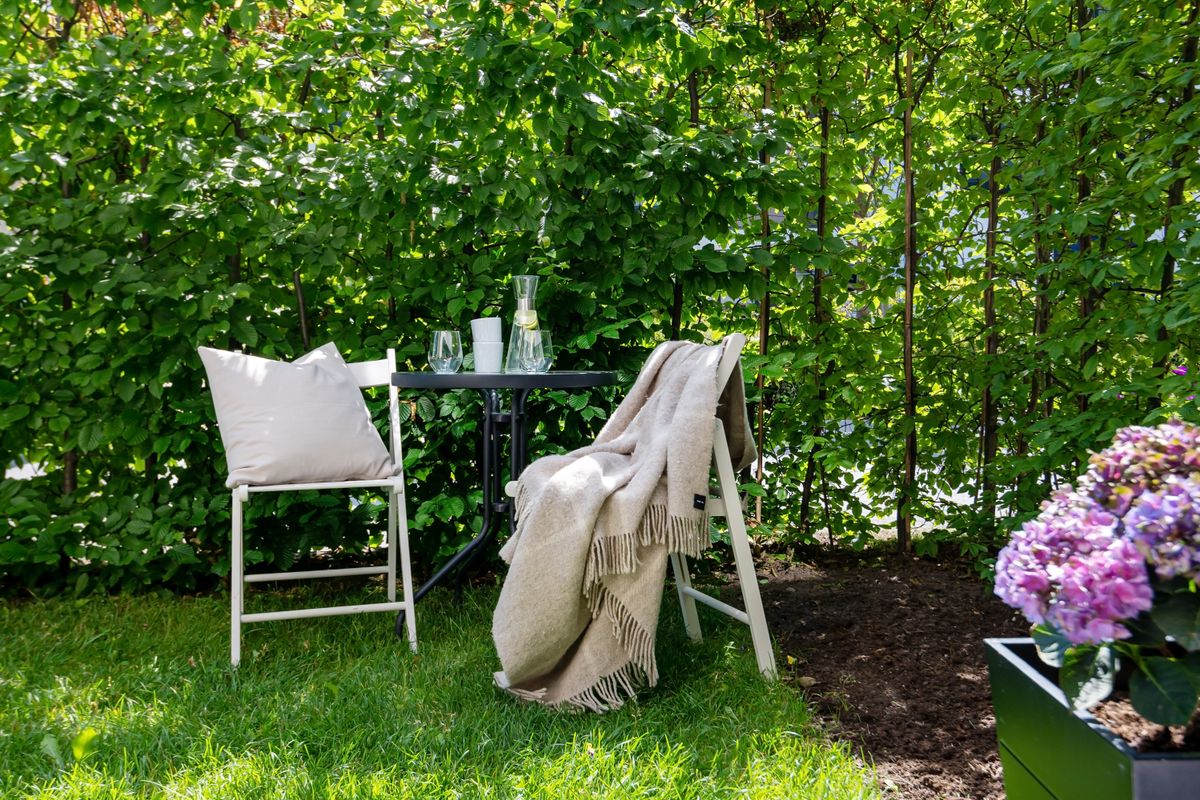
A small backyard doesn’t have to mean a small amount of style. With the right layout and a few intentional choices, even a compact garden or patio can feel layered, lush, and genuinely lived-in. The key is to think in zones and height rather than square footage alone — a small space that’s been planned with purpose almost always reads as bigger and more finished than a large space with no plan at all. Below are the ideas currently getting the most attention from homeowners and renters working with limited outdoor space, from full landscaping projects to small container setups that work on an apartment balcony, along with practical notes on getting each one right.
Planning your beds? Try our free Plant Spacing Calculator.
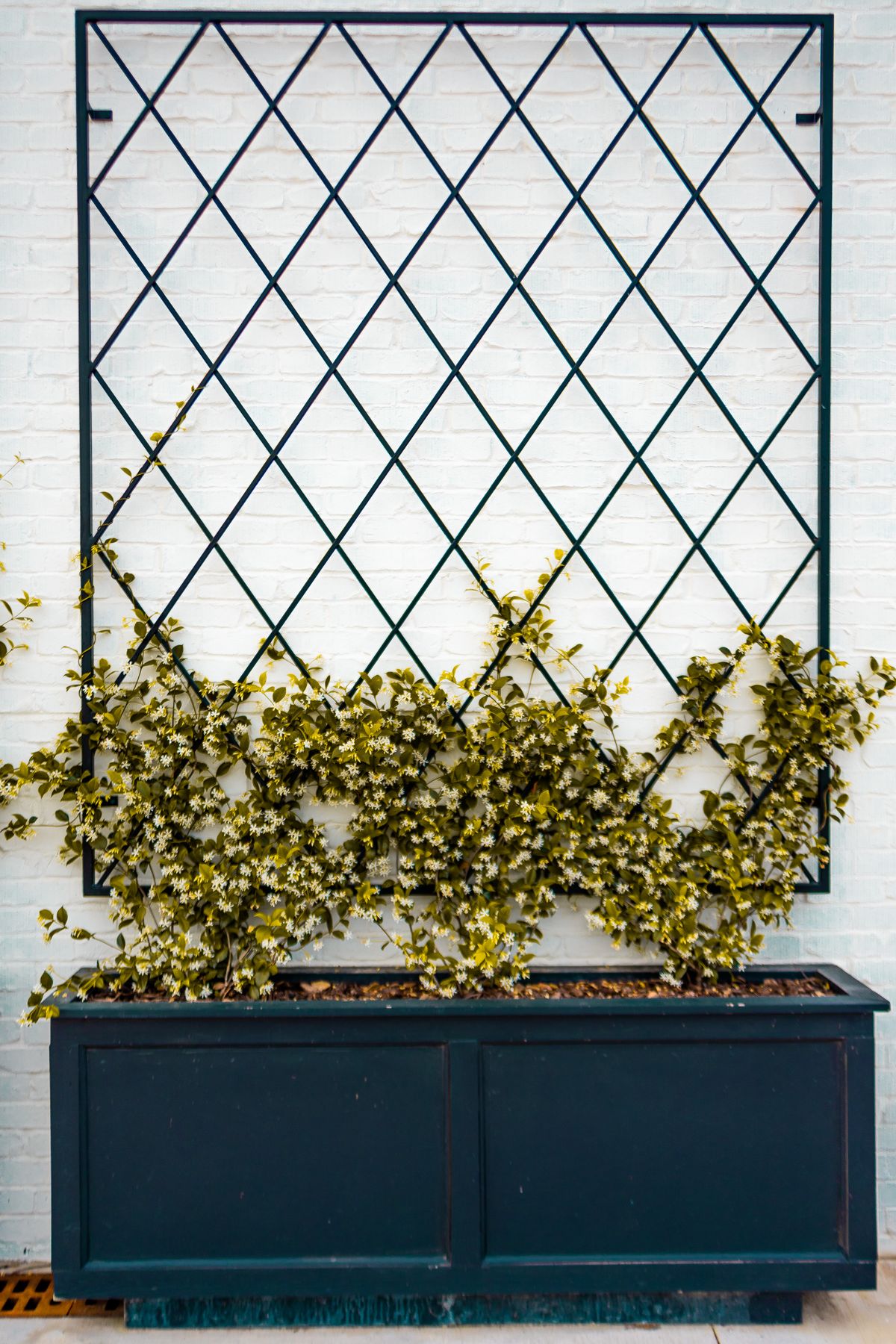
1. Vertical Gardening to Multiply Your Growing Space
When floor space runs out, the solution is to go up. Vertical gardening uses wall-mounted planters, trellises, and stacked shelving to turn a bare fence or wall into a genuine growing surface, often doubling the amount of plantable space in a small yard without taking up a single extra foot of ground. Climbing plants like jasmine, clematis, or even cherry tomatoes trained up a trellis add privacy and greenery at eye level, which does more visually for a small space than the same plants spread along the ground. A vertical herb wall near the kitchen door is a particularly popular version of this trend, since it’s both decorative and genuinely useful.
The most common mistake with vertical gardens is underestimating weight and water runoff — a fully planted wall system holds significantly more water than it looks like it should, so wall anchors need to be rated for wet soil weight, not just the empty planter. A simple fix is to install a narrow drainage tray or gravel bed at the base to catch runoff before it pools against the wall or fence.
2. A Cozy Fire Pit Gathering Area
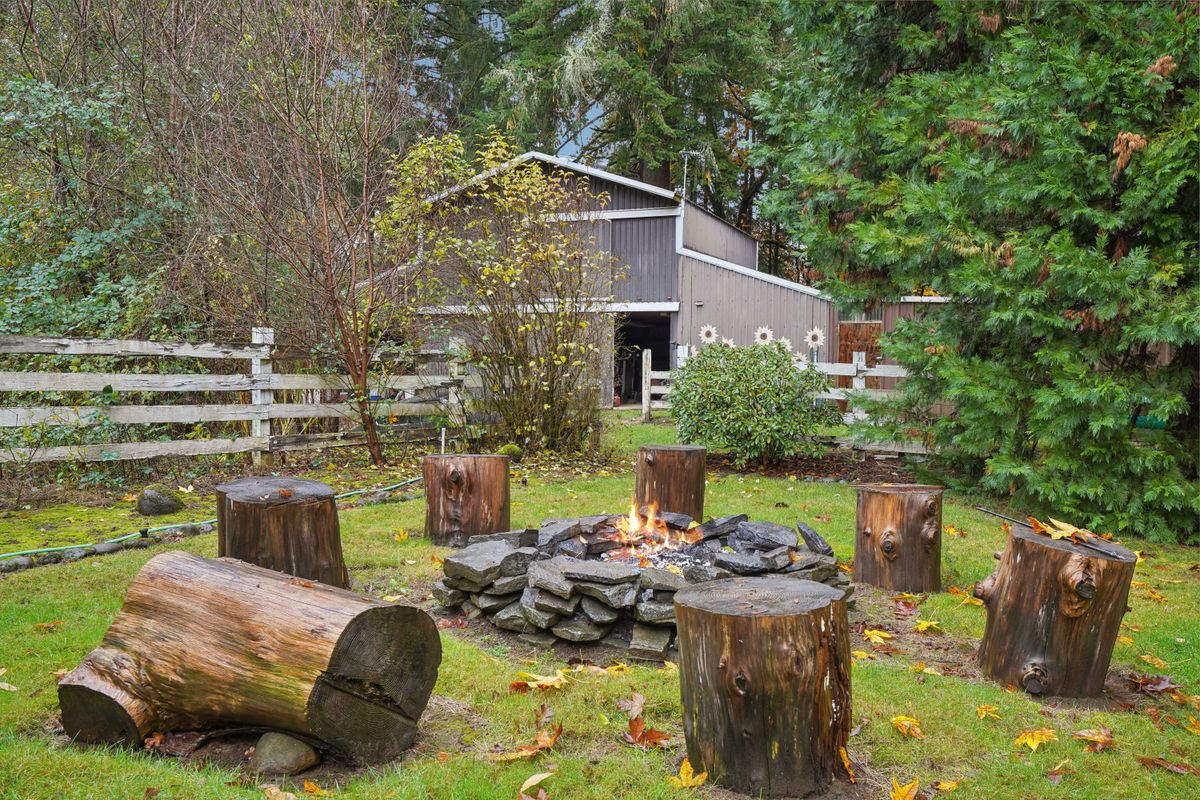
The fire pit has become the single most-saved backyard feature on home design platforms, and it’s easy to see why: it instantly creates a destination in the yard, a reason to actually use the space after dark. In a small backyard, a compact, portable fire pit surrounded by two or three simple chairs does the job just as well as an elaborate built-in version. Positioning it away from the house slightly, even by a few feet, helps it feel like its own little zone rather than an afterthought bolted onto the patio. Add a small side table for drinks and the space starts to feel like an actual outdoor room.
Local regulations on open flame vary widely, so it’s worth checking fire pit rules before buying — some areas restrict wood-burning pits but allow propane or gel-fuel versions, which also tend to be a better fit for very small or covered patios since they produce far less smoke and no floating embers.
3. Container and Pot Gardening for Total Flexibility
Container gardening remains one of the most practical approaches for small or rented outdoor spaces, since pots can be grouped, rearranged, or moved entirely as the seasons change. Grouping containers of varying heights — a tall planter in the back, medium pots in front, trailing plants spilling over the edges — creates the same layered look as an in-ground garden bed without any digging required. This approach is especially popular on balconies and patios where there’s no soil to plant in at all. Terracotta, concrete, and woven rattan planters each bring a different texture, and mixing two or three materials keeps a small collection of pots from looking flat.
Grouping odd numbers of pots — three or five rather than two or four — tends to look more natural and less rigidly arranged, a principle borrowed directly from interior styling. Self-watering planter inserts are also worth the small extra cost for anyone who travels often, since they can keep container plants alive for a week or more without attention.
4. String Lights and Layered Outdoor Lighting
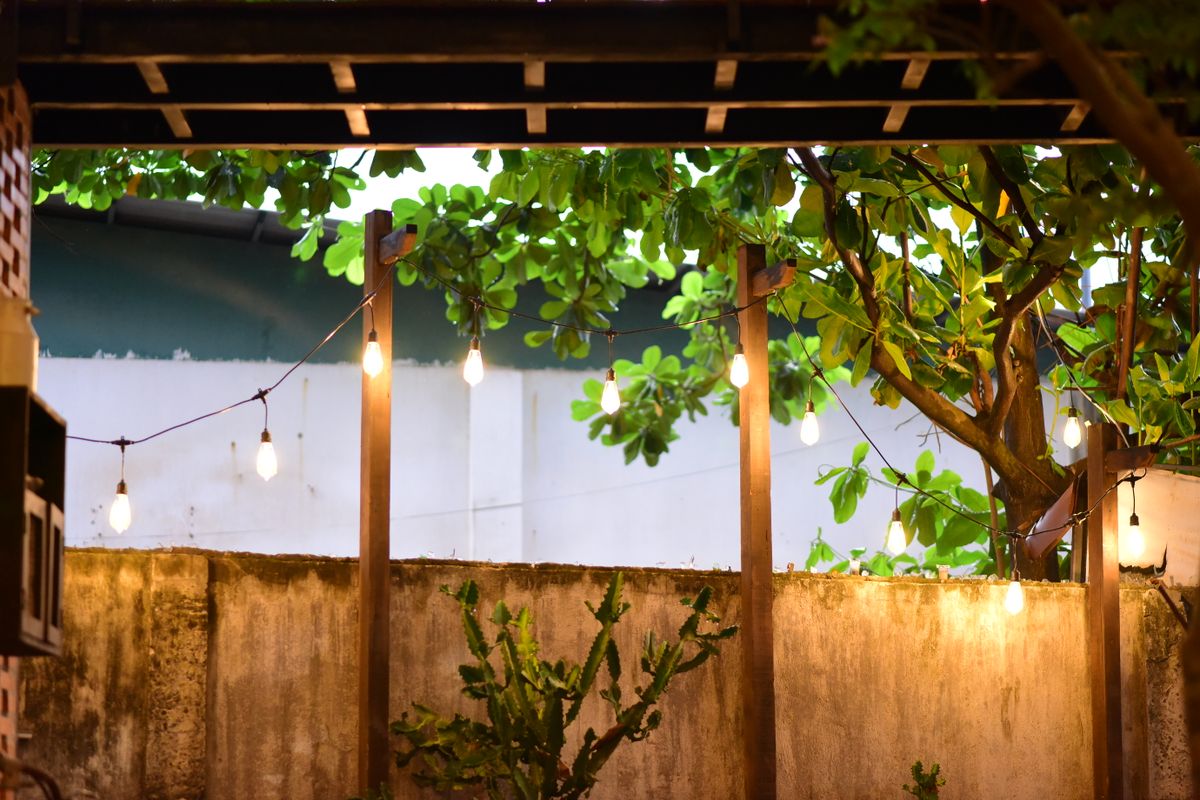
Lighting does more to make a small backyard feel finished than almost any other single addition. String lights strung overhead between a fence and a tree, or along a pergola beam, instantly extend the usable hours of a space into the evening and add warmth without requiring any electrical work. Layering in a few solar path lights along a walkway and a couple of lanterns at seating height rounds out the effect, avoiding the harsh, single-source look of one bright overhead fixture. Warm white bulbs (rather than cool white or blue-toned LEDs) consistently read as cozier and more inviting in outdoor settings.
A good rule of thumb is to layer lighting at three different heights — overhead string lights, seating-level lanterns, and ground-level path lights — the same layering principle interior designers use indoors. This avoids the flat, single-source look of one bright fixture and instead gives the space depth after dark.
5. A Small Water Feature or Mini Pond
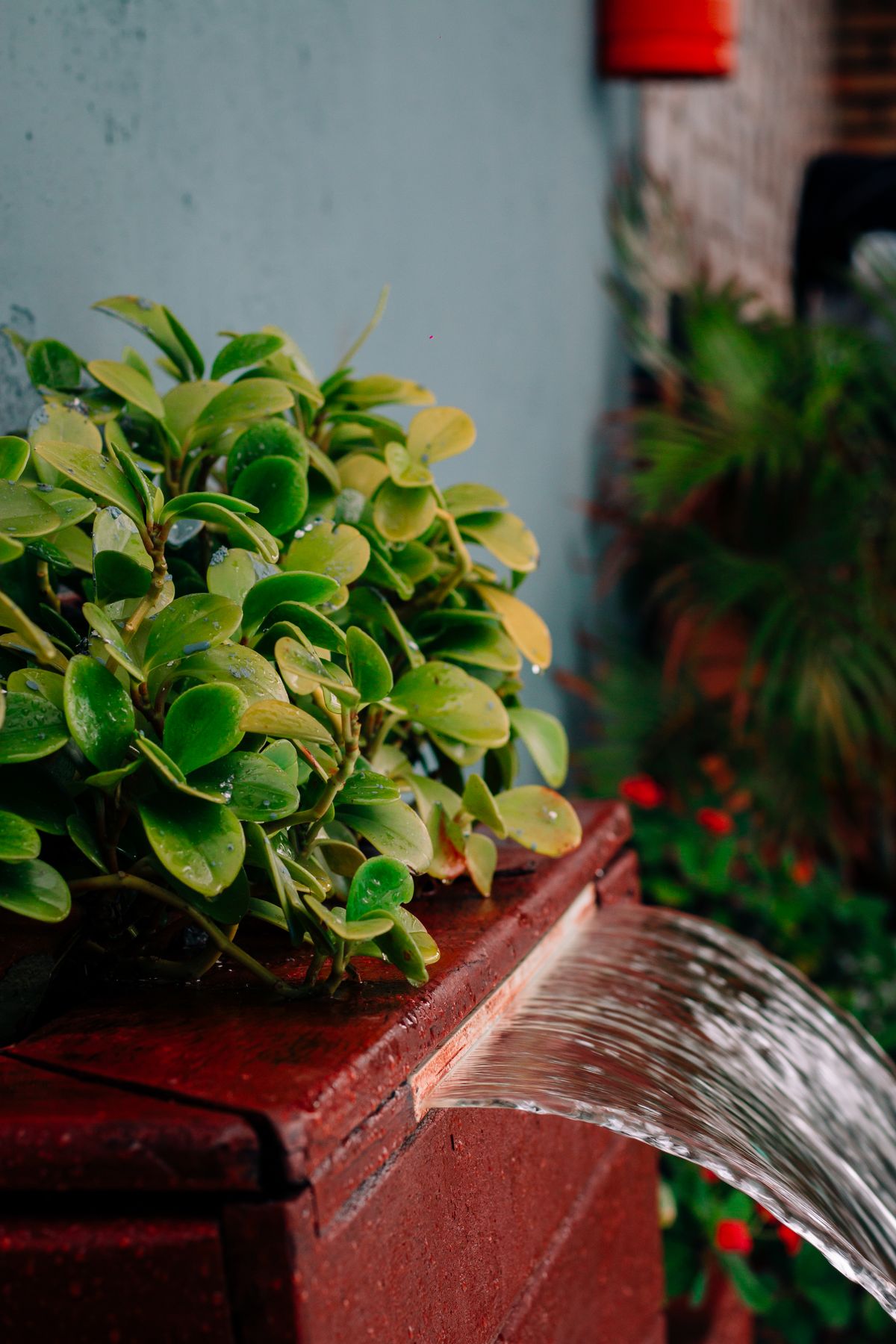
A water feature is one of the most dramatic upgrades available for a small garden, and it doesn’t require a full pond to have an impact. A compact bubbling urn fountain, a small pre-formed basin pond tucked into a corner, or even a large ceramic bowl with a solar-powered pump can introduce the sound of moving water, which has an outsized calming effect relative to its physical footprint. Small ponds can also support a few aquatic plants or even a handful of fish, adding a layer of life to the garden that static planting alone can’t provide.
Even the smallest water feature needs a plan for algae control and mosquito prevention — a solar aerator pump keeps water moving, which alone prevents most mosquito breeding, and a few floating aquatic plants like water lettuce naturally shade the water to slow algae growth without needing chemical treatment.
6. Clover Lawn as a Low-Maintenance Alternative
Traditional grass lawns are demanding — regular mowing, heavy watering, and frequent feeding — which makes them a poor fit for many small yards where the effort-to-payoff ratio just doesn’t make sense. Clover lawns have surged in popularity as an alternative: they stay green with far less water, naturally suppress weeds, and rarely need mowing more than a few times a season. Clover also fixes nitrogen in the soil, which benefits any nearby planting beds. For a small lawn area that’s more about ground cover than a play surface, clover is quickly becoming the default recommendation among landscapers.
Micro-clover, a smaller-leafed cultivar bred specifically for lawns, blends well with any remaining grass and tolerates foot traffic better than standard white clover, making it the better choice for a small yard that still gets regular use rather than a purely ornamental one.

7. Living Walls and Green Screens for Privacy
Privacy is one of the biggest challenges in a small backyard, especially in close-set suburban or urban lots. A living wall — a vertical panel system planted with a mix of ferns, succulents, or trailing greenery — solves this while adding significant visual texture at the same time. Simpler green screens, like a lattice panel with fast-growing vines, achieve a similar effect at a lower cost and with less specialized installation. Either option beats a plain wooden privacy fence for sheer visual interest, turning a functional boundary into one of the garden’s focal points.
Fast-growing options like star jasmine or Boston ivy can cover a lattice screen within a single growing season, while a full living wall system with pre-planted panels gives an instant finished look for anyone who doesn’t want to wait for plants to fill in.

8. Multi-Functional Seating With Built-In Storage
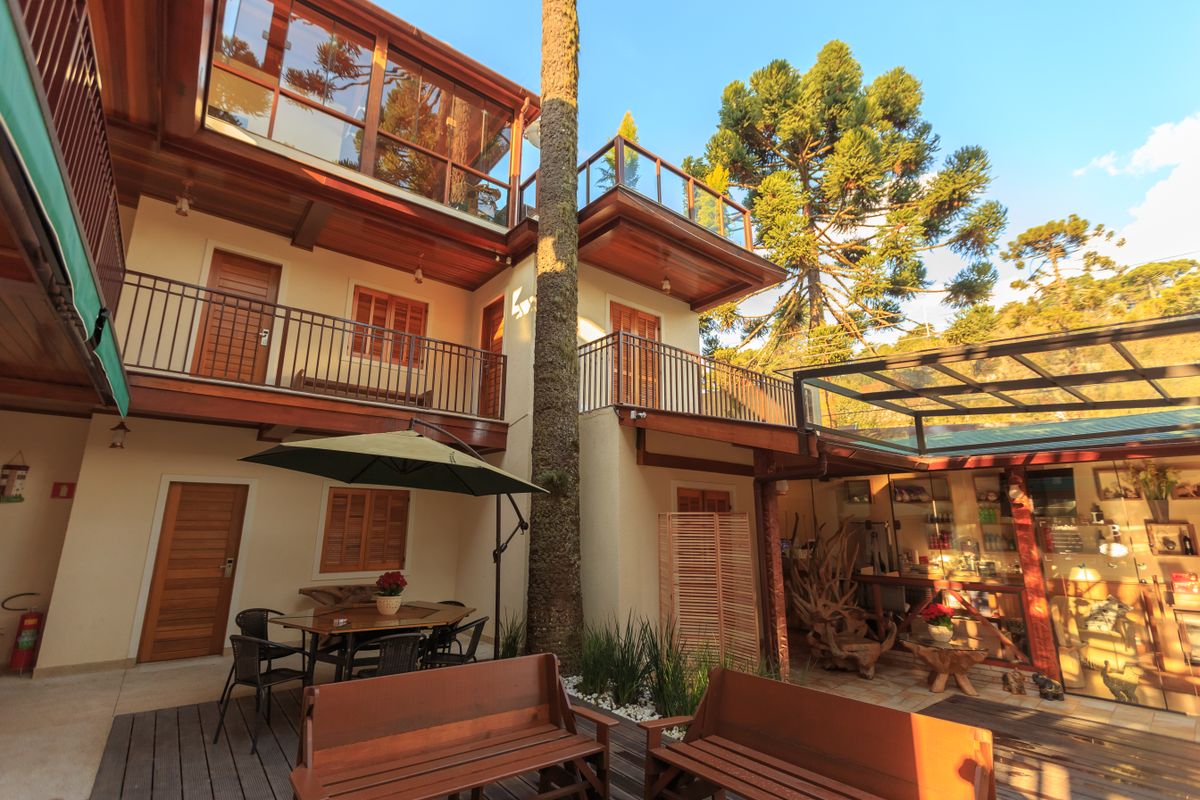
Furniture that does double duty is essential once outdoor square footage gets tight. Bench seating with a lift-up lid for storing cushions, garden tools, or hoses keeps clutter out of sight without requiring a separate shed. An L-shaped built-in bench along two edges of a small patio maximizes seating capacity in a footprint that a set of individual chairs would use far less efficiently. Choosing furniture with this kind of built-in function early in the planning process — rather than adding storage as an afterthought — tends to make the biggest difference in how spacious a small patio ultimately feels.
Weatherproof cushion storage matters as much as the bench itself — cushions left exposed to rain and sun fade and mildew within a season, so a storage bench that seals reasonably well pays for itself quickly in cushion longevity alone.
9. Raised Garden Beds for Structured Planting
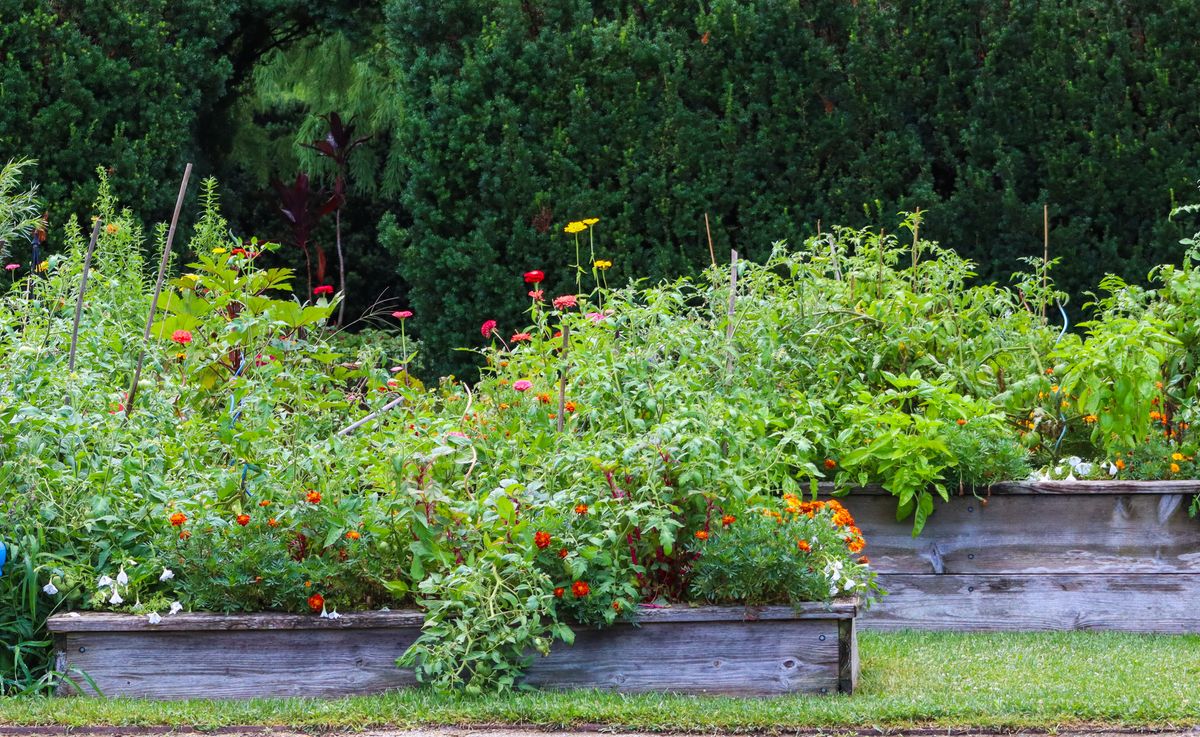
Raised beds bring definition to a small garden that loose, in-ground planting areas often lack. Because the edges are fixed, raised beds naturally organize a space into clear zones — one bed for vegetables, one for cut flowers, one for herbs — which reads as more intentional than a single sprawling planting area. They also improve drainage and soil quality, letting gardeners fill them with a custom soil mix rather than working with whatever is naturally in the ground. A pair of matching raised beds flanking a small path is a classic, high-impact layout for even a modest-sized yard.
Cedar and composite lumber both resist rot far better than standard pine, which matters since raised beds stay in constant contact with damp soil; the small extra upfront cost usually means avoiding a full rebuild within just a few years.
10. Pergolas and Shade Structures
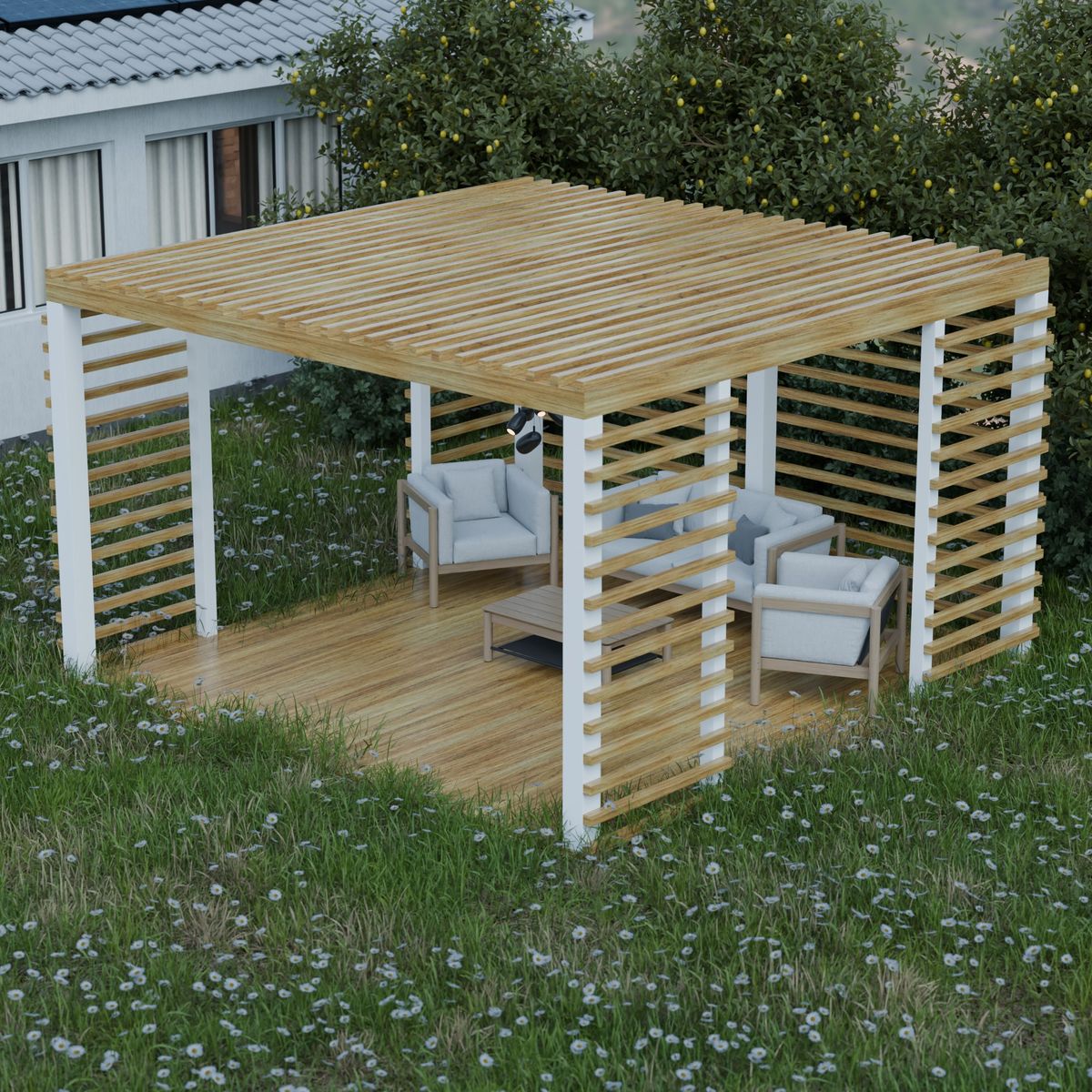
A pergola does for a small garden what a statement piece of furniture does for a small room — it adds height, structure, and a sense of intentional design without consuming much ground space. Draped with climbing vines or fitted with a retractable shade cloth, a pergola over a seating or dining area also makes the space usable during the hottest parts of the day, extending the number of hours the garden actually gets used. Even a simple, freestanding pergola kit, rather than a custom-built structure, can transform a flat, shadeless patio into a space that feels deliberately designed.
A retractable canopy or shade sail adds flexibility that a fixed roof structure doesn’t — full shade during peak sun, fully open on cooler days or for stargazing in the evening, which is especially useful in a small space that needs to work for more than one kind of weather.
11. Gravel Paths and Stepping Stone Walkways
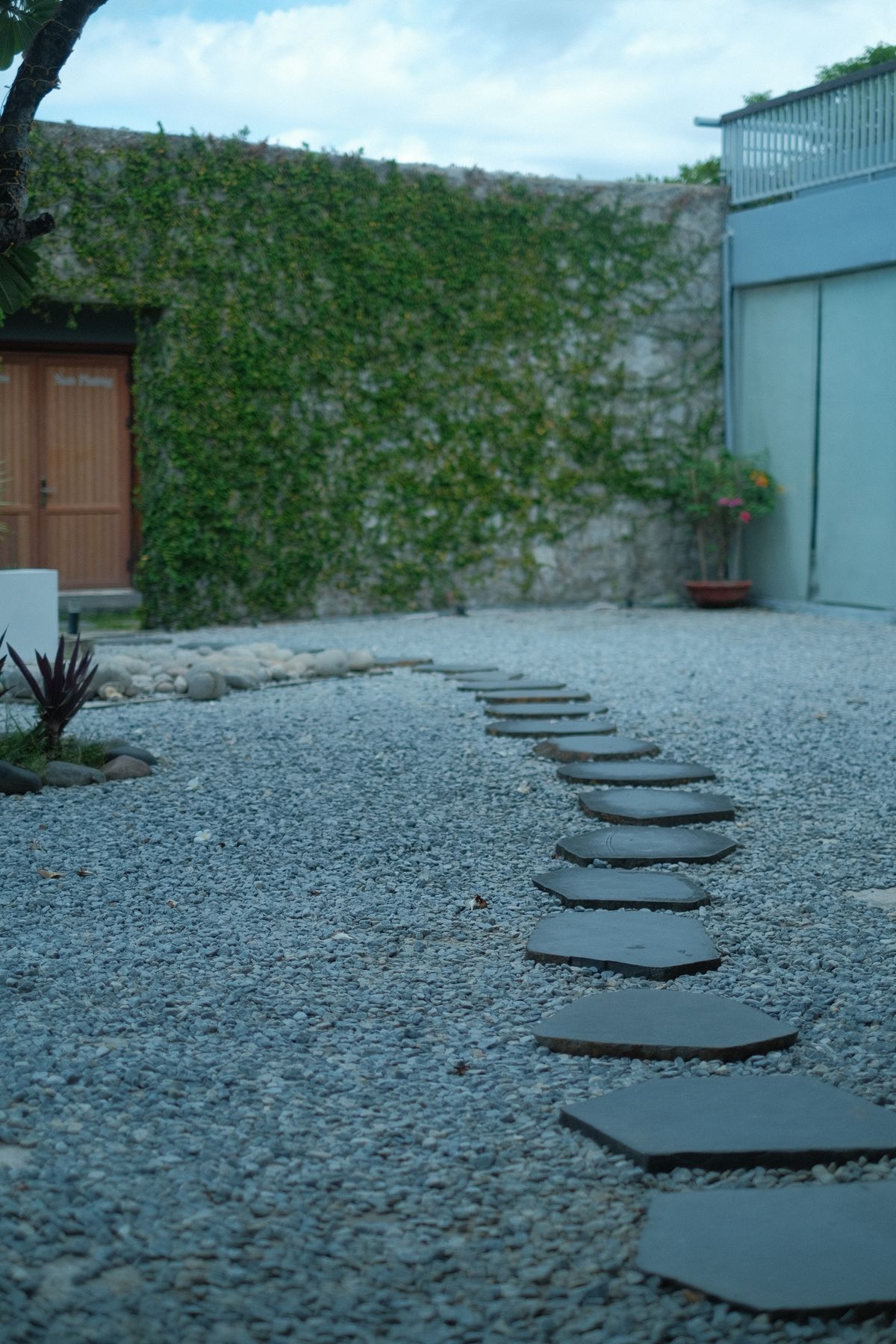
A defined path through a small garden does more than guide foot traffic — it visually divides the space into distinct areas, which almost always makes a small yard feel larger rather than smaller. Gravel is a popular, budget-friendly choice because it drains well and can be laid directly over existing soil with minimal prep work. Stepping stones set into gravel or ground cover add a more polished, intentional look and slow down the eye as it moves through the space, which is a subtle but effective way to make a short path feel like a more considered journey.
A layer of landscape fabric underneath gravel prevents weeds from pushing through and keeps the gravel from slowly sinking into the soil beneath it, which is the most common reason a gravel path looks messy and uneven within a year or two of installation.
12. A Potted Herb Garden Near the Kitchen
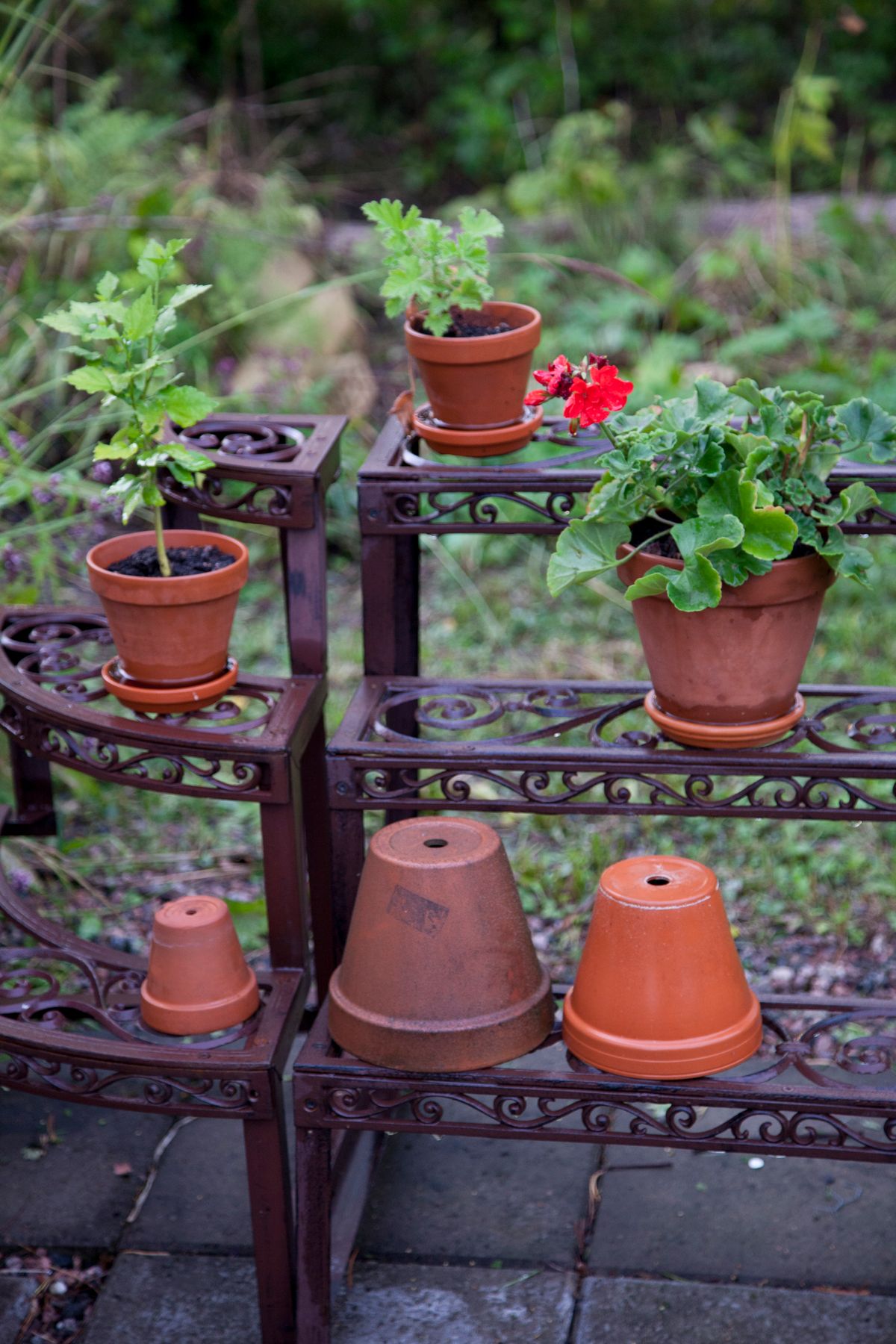
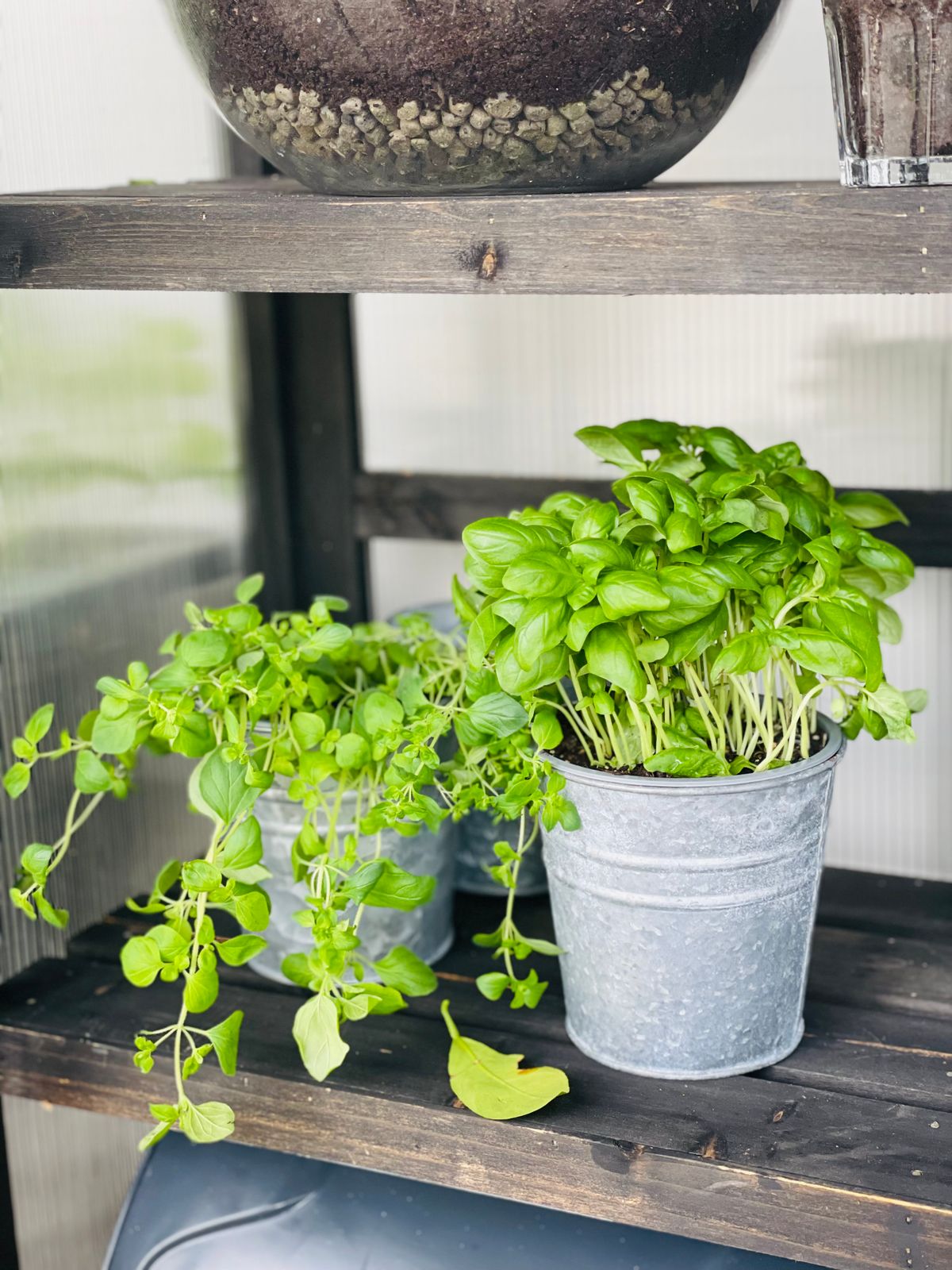
Practicality and style meet in a small herb garden positioned just outside the kitchen door. Basil, rosemary, thyme, and mint all do well in containers and reward minimal effort with a steady supply of fresh ingredients within arm’s reach of the stove. Grouped in matching pots on a small shelf or plant stand, an herb garden also adds greenery and fragrance to the most-used entry point of the house. It’s one of the lowest-cost ideas on this list and consistently one of the most satisfying, since it gets used almost every day rather than simply being looked at.
Mint is best kept in its own separate pot rather than mixed with other herbs — its roots spread aggressively and will quickly crowd out anything planted alongside it, even within a single container.
Planning a Small Garden on a Budget
Cost is often the real deciding factor in which of these ideas gets tackled first, so it helps to think in three rough tiers. The lowest-cost tier — potted herbs, a few solar path lights, string lights, and container groupings — can be done for well under a hundred dollars and completed in a single weekend, making it the natural starting point for anyone testing out a new layout before committing further. The mid-tier includes raised beds, a portable fire pit, and a simple lattice green screen, projects that typically run a few hundred dollars in materials and a weekend or two of labor for someone comfortable with basic tools.
The higher-investment tier covers built-in seating, a pergola, and any water feature beyond a small tabletop fountain — these usually benefit from at least researching a professional installer’s quote, even if the final decision is to do it yourself, since mistakes at this scale (a poorly leveled pergola footing, a pond liner installed without proper underlayment) are expensive to fix after the fact. A sensible approach is to complete one project from each tier over a full season rather than attempting everything at once — not only is this easier on the budget, it also gives enough time to actually live with each addition and confirm it earns its place before adding the next one.
Frequently Asked Questions
How small is too small for these ideas to work? Nearly all of the ideas on this list scale down further than people expect — container gardening, string lights, and a small herb garden all work on an apartment balcony as small as 4×6 feet. The only ideas that genuinely need a minimum footprint are built-in seating and a pergola, which typically need at least a 6×6 foot area to feel proportionate rather than cramped.
What’s the single best first project for a completely bare small yard? Lighting and a defined path consistently give the most visible transformation for the lowest cost and effort, and both make every other addition that follows look more intentional by comparison.
Do these ideas work for a shaded backyard, not just a sunny one? Yes — ferns, hostas, and most living wall plant mixes are shade-tolerant, and features like fire pits, string lighting, and water features don’t depend on sun exposure at all. Only vegetable-focused raised beds and most flowering container plants genuinely need several hours of direct sun to thrive.
Final Thoughts
None of these ideas require a complete backyard overhaul to make an impact — most can be added individually, over time, as budget and energy allow. The through-line across all of them is intention: treating even a small outdoor space as a real room worth designing, rather than leftover space behind the house. Start with whichever idea solves the most immediate problem, whether that’s privacy, shade, low-maintenance greenery, or simply somewhere pleasant to sit after dark, and the rest of the garden tends to take shape around it. Small spaces reward this kind of layered, gradual approach far more than they reward a single big renovation attempted all at once.