
Small Kitchen Design Ideas That Maximize Every Inch
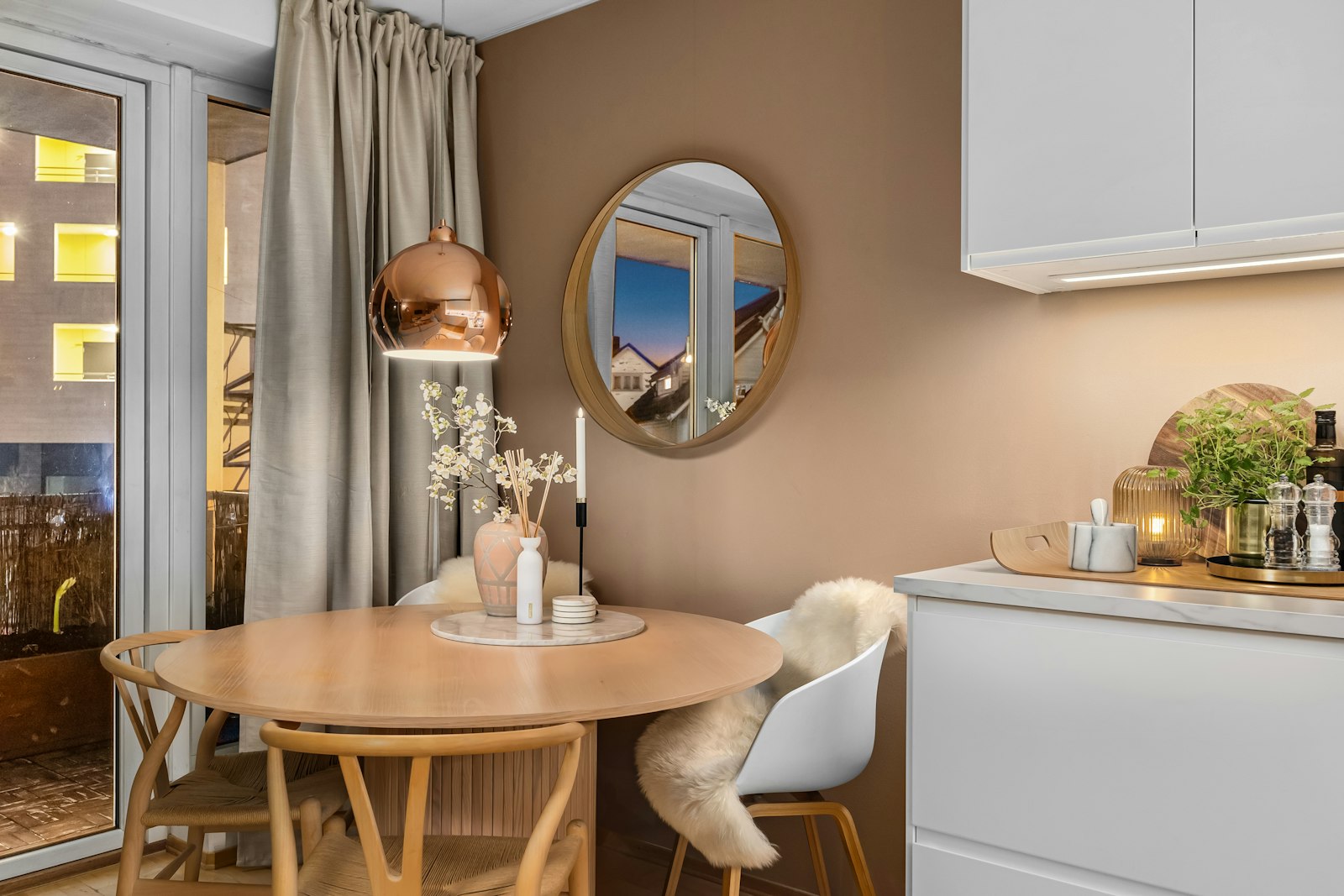
1. Go Vertical Before You Go Wider
When floor space is limited, the walls become your best resource. Tall, narrow cabinets that reach the ceiling capture storage that’s often left empty above standard-height uppers. A pegboard or magnetic strip near the stove keeps utensils and knives off the counter entirely. Hanging a pot rack, even a small wall-mounted one, frees up an entire cabinet that would otherwise be dedicated to cookware. The instinct in a small kitchen is to look for more floor space — but looking up almost always finds more of it first.
2. Choose Multi-Purpose Furniture and Fixtures
A small rolling cart can serve as extra counter space during cooking and then tuck away against a wall when you need the room back. Fold-down or drop-leaf tables work well as a compact prep surface or breakfast spot without permanently eating into your floor plan. If you’re able to choose your own appliances, a slim under-counter fridge or a two-burner cooktop can free up significant space compared to full-size versions, especially in a kitchen that mostly serves one or two people.
3. Keep the Palette Light to Open Up the Room
Small kitchens read larger with light, reflective surfaces. White or pale cabinetry, light countertops, and a glossy or satin backsplash all bounce available light around the room instead of absorbing it. If you want contrast, keep darker tones low — on a rug or lower cabinets — rather than on upper cabinets or walls, where dark color can make the ceiling feel like it’s pressing down. Mirrored or glass-front cabinet doors are another trick that adds a sense of depth to a tight galley kitchen.
4. Use Corners and Awkward Gaps Intentionally
Corner cabinets with a lazy Susan or pull-out shelving system turn dead space into genuinely usable storage. Thin gaps between the refrigerator and a wall are perfect for a slim rolling pantry cart designed specifically for that purpose. Even the space above the refrigerator, often ignored, can hold rarely-used appliances or serving pieces in labeled bins. In a small kitchen, no gap is too awkward to put to work.
5. Edit What Stays on the Counter
Counter space in a small kitchen is precious, so it’s worth being selective about what earns a permanent spot. Keep only the appliances you use daily — a coffee maker or electric kettle, for example — and store the rest. A single crock for the most-used utensils beats a countertop cluttered with every gadget you own. The less visual noise on the counters, the more spacious even a genuinely small kitchen will feel.