
Ultimately, the Smart Kids Club philosophy is about making education joyful, meaningful, and part of everyday life. When children feel supported, encouraged, and excited about learning, they grow into confident thinkers and creative problem-solvers. Every child has the potential to shine when given the right environment and opportunities. By turning ordinary moments into extraordinary lessons, families can inspire a lifelong love of knowledge. For more inspiring kids’ content, parenting tips, and creative ideas to support your child’s growth, visit https://suddl.com/ and join the journey toward smarter, happier learning every day.
Turning Everyday Moments into Learning Adventures
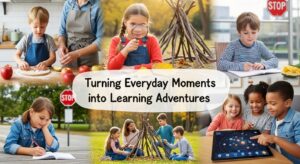
Learning doesn’t only happen in classrooms—it happens everywhere, every single day. The idea behind the “Smart Kids Club” is simple: make learning fun, natural, and part of daily life. When kids see education as an adventure rather than a chore, they become curious explorers of the world around them. From counting apples at the grocery store to reading street signs on a family walk, everyday experiences can become exciting learning opportunities. Children are naturally curious, and when parents and teachers nurture that curiosity, they build confidence and a love for discovery that lasts a lifetime.
Simple routines can become powerful teaching tools. Cooking together teaches math through measuring ingredients and science through understanding how heat changes food. Gardening introduces biology while building responsibility and patience. Even organizing toys can teach sorting, categorizing, and problem-solving skills. By turning daily tasks into interactive lessons, children learn without even realizing it. This playful approach helps them retain information better because it connects knowledge to real-life experiences. For more creative parenting and kids’ inspiration, visit https://suddl.com/ and discover new ways to make every day a learning journey.
Learning Through Play and Creativity
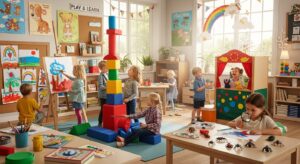
Play is one of the most powerful forms of learning for children. Through games, kids develop critical thinking, communication skills, and emotional intelligence. Board games teach strategy and patience, puzzles strengthen problem-solving abilities, and building blocks encourage creativity and spatial awareness. When children role-play as doctors, teachers, or astronauts, they expand their imagination and learn about the world in meaningful ways. Play-based learning fosters independence and helps kids build resilience by allowing them to experiment, make mistakes, and try again.
Creative activities are equally important. Drawing, painting, storytelling, and crafting stimulate both sides of the brain. Writing short stories or keeping a daily journal enhances language skills and self-expression. Music and dance improve memory and coordination while boosting mood and confidence. Even simple activities like scavenger hunts can teach observation skills and teamwork. When learning feels joyful, children become active participants rather than passive listeners. Encouraging creative exploration helps them develop a growth mindset—the belief that abilities can improve with effort. The Smart Kids Club approach celebrates this mindset by blending fun with educational growth.
Building Smart Habits and Lifelong Skills
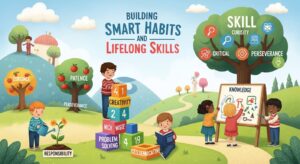
Being “smart” isn’t just about academic achievement; it’s also about developing positive habits and strong character. Teaching kids time management, organization, and responsibility prepares them for future success. Creating a simple daily routine that includes reading time, creative play, and outdoor activity encourages balance. Reading for just 15–20 minutes a day significantly improves vocabulary and comprehension skills over time. Setting small goals—like learning a new word daily or completing a puzzle—builds confidence and a sense of accomplishment.
Social and emotional learning is equally essential. Teaching kindness, empathy, and cooperation helps children build meaningful relationships. Group activities, team sports, or collaborative projects encourage communication and leadership skills. When kids learn to manage emotions and resolve conflicts calmly, they become stronger problem-solvers. Encouraging questions and open conversations at home creates a safe environment where children feel heard and valued. Praise effort rather than perfection, and celebrate progress instead of focusing only on results. The Smart Kids Club believes that every child has unique strengths, and nurturing those strengths builds well-rounded, capable individuals ready to take on challenges with optimism.
Making Technology a Positive Learning Tool
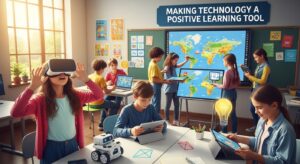
In today’s digital world, technology can be a powerful educational ally when used wisely. Educational apps, interactive videos, and online learning platforms offer engaging ways for kids to practice math, reading, and science skills. Virtual museum tours, language-learning apps, and coding games introduce children to global knowledge and modern skills. However, balance is key. Setting screen-time limits and choosing high-quality content ensures that technology supports learning rather than distracts from it.
Parents can enhance digital learning by participating alongside their children. Discuss what they watch, ask questions about what they learned, and encourage them to apply new knowledge offline. For example, after watching a nature documentary, kids can draw their favorite animal or research more facts about it. Combining digital exploration with hands-on activities reinforces understanding and keeps curiosity alive. The goal isn’t to replace traditional learning but to expand it with innovative tools.