
Introduction
Teaching kids the value of sharing and cooperation is one of the most important lessons parents and teachers can provide. These skills help children build friendships, work well with others, and develop empathy. Sharing and cooperation are not only important at home but also in school, playgrounds, and future workplaces.
Children are not naturally born with the ability to share easily—it is a skill that must be taught and practiced over time. Young children often prefer to keep their favorite toys or snacks to themselves. However, with guidance and encouragement, they gradually learn that sharing brings happiness and strengthens relationships.
In today’s world, where teamwork and communication are highly valued, teaching cooperation early prepares children for success in many areas of life. This article explores the importance of sharing and cooperation and offers practical ways to teach these valuable skills.
🌟 Understanding the Meaning of Sharing
Sharing means allowing others to use or enjoy something you have. It may involve sharing toys, food, time, or attention. When children share, they learn to think about others’ needs and feelings.
Sharing helps children develop empathy, which is the ability to understand how others feel. For example, when children share toys with friends, they learn that making others happy can also bring joy to themselves.
Parents can start teaching sharing at an early age. Simple activities such as passing toys back and forth or sharing snacks help children understand the concept. Over time, children begin to see sharing as a positive and rewarding behavior.
🤝 The Importance of Cooperation in Daily Life
Cooperation means working together to achieve a common goal. It requires communication, patience, and teamwork. Children who learn cooperation early are better prepared to handle group activities in school and social settings.
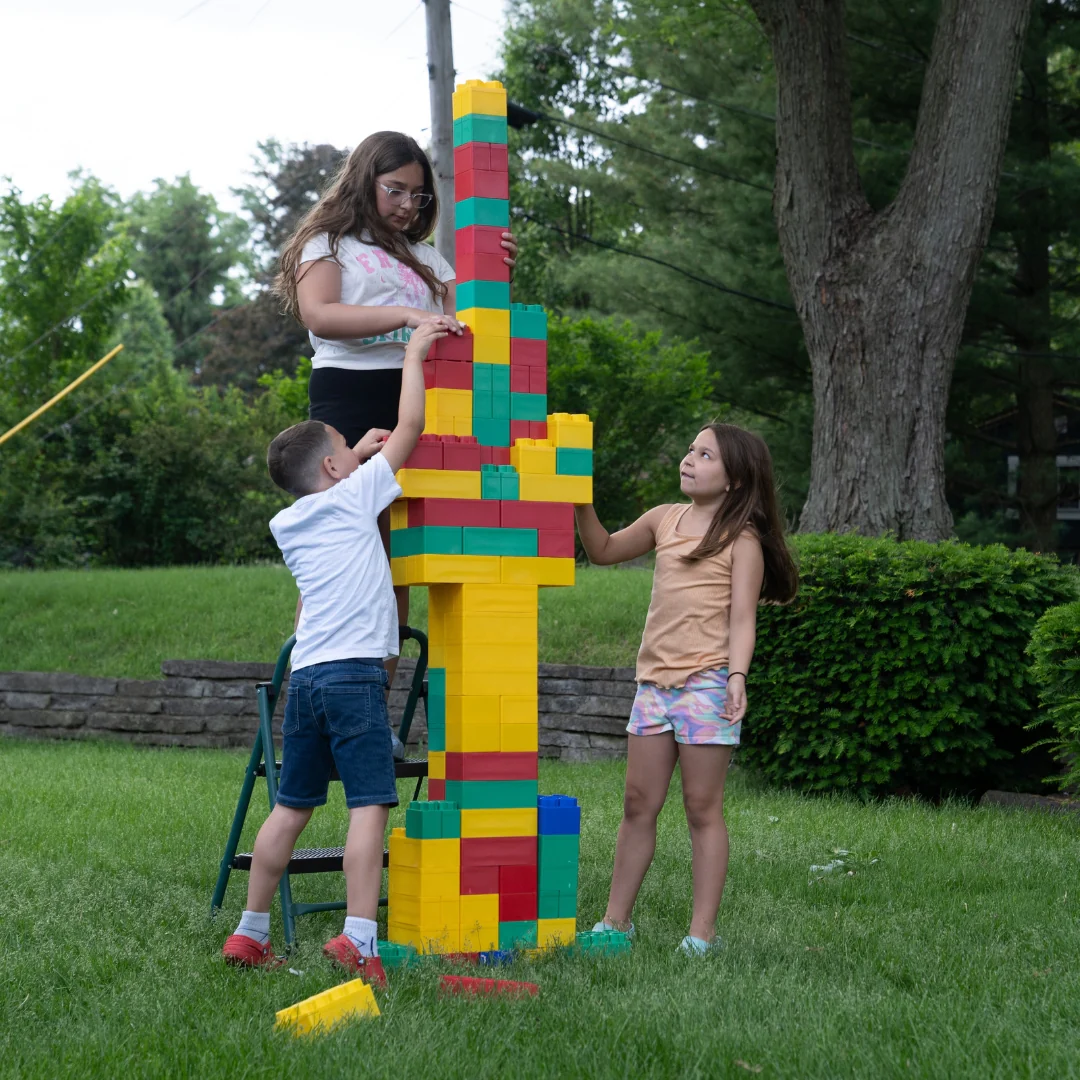
For example, when children work together to clean up toys or build something, they learn to divide tasks and support each other. Cooperation teaches children that teamwork leads to better results than working alone.
Learning cooperation also helps reduce conflicts. Children who cooperate understand the value of listening to others and respecting different opinions.
😊 Building Social Skills Through Sharing


Sharing helps children develop strong social skills. When children share, they learn how to communicate effectively and build friendships. These social interactions teach children how to express their feelings and understand others.
Taking turns is an important part of sharing. For example, waiting patiently for a turn on the swing teaches children patience and respect. These experiences help children interact positively with peers.
Strong social skills also increase children’s confidence. Children who know how to share and cooperate feel more comfortable participating in group activities.
🧠 Teaching Empathy and Kindness
Empathy and kindness are closely connected to sharing and cooperation. When children understand how others feel, they are more likely to act kindly.
Parents can teach empathy by encouraging children to think about others’ feelings. For example, asking questions like “How would you feel if someone didn’t share with you?” helps children understand the importance of kindness.
Kind actions such as helping a friend or sharing a snack build positive relationships. These habits encourage children to become caring and compassionate individuals.
Teaching empathy also helps children handle conflicts peacefully. They learn to consider others’ perspectives before reacting.
🎯 Encouraging Teamwork Through Activities
Teamwork activities are an excellent way to teach cooperation. Games and group projects encourage children to work together and share responsibilities.
For example, building a puzzle together requires children to share pieces and communicate ideas. Sports activities such as soccer or relay races also promote teamwork.
Parents and teachers can organize activities that require collaboration. These experiences teach children that success often depends on teamwork rather than individual effort.
Encouraging teamwork helps children develop leadership and cooperation skills that benefit them throughout life.
🏡 Teaching Sharing at Home
Home is the best place to begin teaching sharing and cooperation. Parents can create opportunities for children to share with siblings or family members.
Simple routines such as sharing snacks or helping set the table encourage cooperative behavior. Parents can also involve children in household chores, such as cleaning or organizing, which require teamwork.
Modeling sharing behavior is equally important. When children see parents sharing with others, they learn by example.
Positive reinforcement, such as praising children when they share, encourages them to continue practicing this behavior.
👫 Handling Conflicts and Teaching Problem-Solving
Conflicts are common when children are learning to share. Disagreements over toys or activities provide opportunities to teach problem-solving skills.
Parents should guide children in resolving conflicts calmly. Encouraging children to express their feelings and listen to others helps them find solutions.
Teaching phrases such as “Can I have a turn after you?” or “Let’s share this together” promotes respectful communication.
Problem-solving skills developed through sharing help children handle challenges more effectively.
📚 Sharing and Cooperation in School
Schools play a significant role in teaching sharing and cooperation. Classroom activities often involve group projects and teamwork.
Teachers encourage students to share materials, work together, and support classmates. These experiences help children adapt to group settings and develop social confidence.
Participating in classroom discussions also teaches children to listen to others’ ideas and contribute their own thoughts respectfully.
School environments provide valuable opportunities to practice cooperation and teamwork.
🌍 Long-Term Benefits of Sharing and Cooperation
Learning to share and cooperate offers long-term benefits that extend into adulthood. These skills help individuals build strong relationships and succeed in professional environments.
Adults who learned cooperation during childhood often work well in teams and communicate effectively. Sharing also promotes generosity and community involvement.
Additionally, cooperation improves problem-solving skills and encourages creative thinking. These abilities are essential in today’s collaborative world.
Teaching sharing and cooperation early prepares children for successful and fulfilling lives.
🌟 Tips for Parents to Encourage Sharing and Cooperation
Here are some practical tips to help children learn sharing and cooperation:
- Start Early: Introduce sharing during toddler years.
- Use Positive Reinforcement: Praise children when they share.
- Model Good Behavior: Demonstrate sharing in daily life.
- Create Group Activities: Encourage teamwork through games.
- Teach Patience: Help children learn to take turns.
- Encourage Communication: Teach children to express needs politely.
These strategies make learning sharing enjoyable and meaningful.
Conclusion
Teaching kids the value of sharing and cooperation is essential for their social and emotional development. These skills help children build friendships, resolve conflicts, and work effectively with others.
By encouraging empathy, teamwork, and kindness, parents and teachers can help children understand the importance of sharing. Simple daily activities provide opportunities to practice cooperation and strengthen relationships.
In the end, sharing and cooperation are not just social skills—they are life skills that shape children into caring, responsible, and confident individuals. When children learn to share and work together, they build a foundation for success in school, relationships, and future careers. 🤝✨