
The Complete Guide to Kids Care: Nurturing Healthy, Happy Children
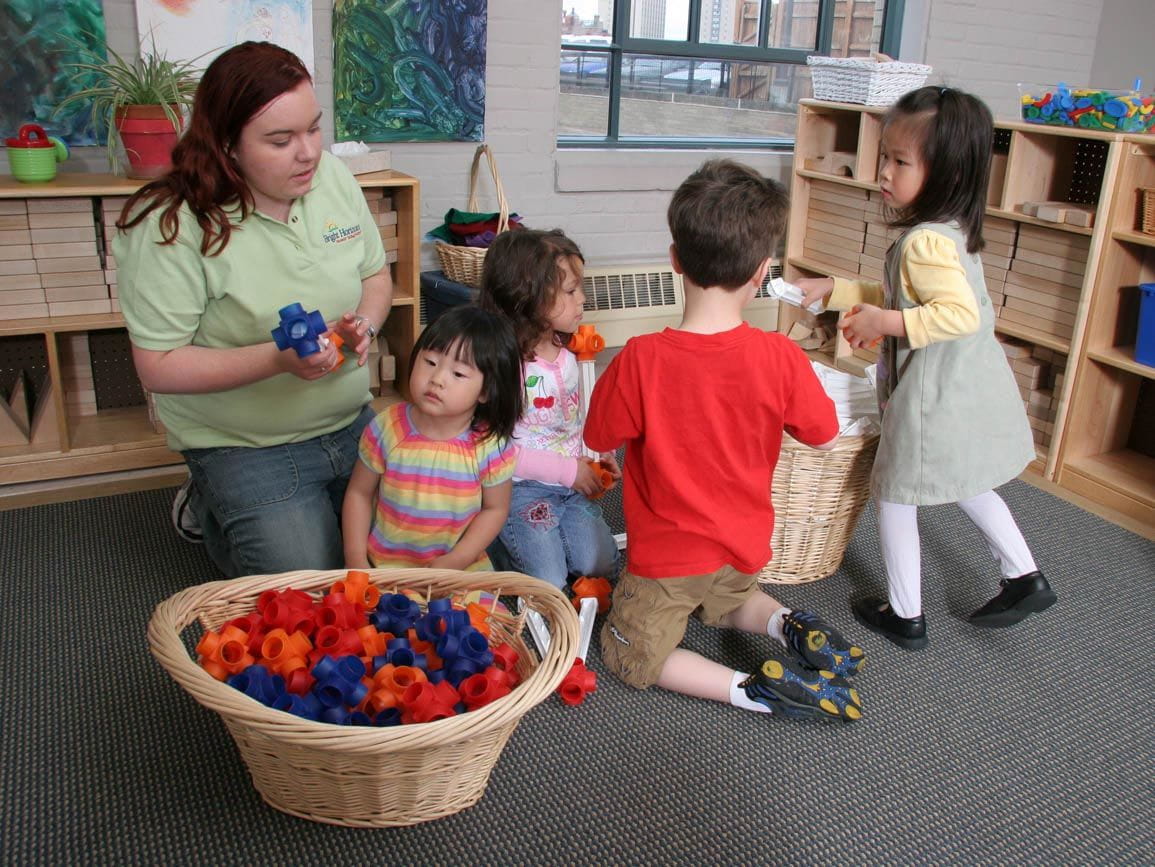
Kids care is one of the most important responsibilities in life, shaping not only a child’s present well-being but also their future personality, health, and success. Proper care involves more than just meeting basic needs—it includes emotional support, education, nutrition, and safety. Children thrive in environments where they feel loved, secure, and understood. When parents and caregivers actively engage with kids, they build trust and confidence, which becomes the foundation for lifelong resilience and happiness. Understanding a child’s unique needs at different stages of growth is key to providing effective care.
Nutrition and Healthy Eating Habits
Physical Activity and Exercise
Physical activity is essential for maintaining a healthy body and mind. Kids should engage in at least an hour of physical activity daily, whether through sports, outdoor play, or structured exercise. Activities like running, cycling, and playing games help improve strength, coordination, and cardiovascular health. Exercise also boosts mood and reduces stress, making children happier and more focused. Limiting screen time and encouraging outdoor play can significantly improve a child’s overall well-being. Active kids tend to sleep better and develop stronger social skills through interaction with peers.
Emotional Well-Being and Mental Health
Emotional care is just as important as physical care. Children experience a wide range of emotions but may not always know how to express them. Parents and caregivers should create a safe space where kids feel comfortable sharing their thoughts and feelings. Listening actively and validating their emotions helps build emotional intelligence. Encouraging open communication, teaching coping skills, and providing reassurance during difficult times are essential aspects of mental health care. A child who feels emotionally supported is more likely to develop confidence, empathy, and strong interpersonal relationships.
Education and Learning Environment
Education is a cornerstone of kids care, shaping their knowledge, skills, and future opportunities. Creating a positive learning environment at home can enhance a child’s academic performance and curiosity. Parents should encourage reading, creativity, and problem-solving activities. Supporting homework, engaging in educational games, and maintaining communication with teachers can help children stay on track. It’s important to recognize that every child learns differently, so patience and adaptability are key. A supportive learning atmosphere fosters a love for knowledge and lifelong learning.
Hygiene and Personal Care
Teaching children good hygiene habits is essential for preventing illnesses and promoting self-care. Simple practices like washing hands regularly, brushing teeth twice a day, and maintaining personal cleanliness can significantly reduce the risk of infections. Parents should lead by example and make hygiene routines fun and engaging for kids. Establishing daily routines helps children develop discipline and responsibility. As they grow older, kids should be encouraged to take ownership of their personal care, building independence and confidence.
Safety and Protection
Ensuring a child’s safety is a top priority in kids care. This includes creating a secure home environment, teaching safety rules, and supervising activities. Childproofing the home by securing sharp objects, covering electrical outlets, and installing safety gates can prevent accidents. Educating kids about road safety, stranger danger, and emergency situations empowers them to protect themselves. Online safety is also increasingly important in today’s digital world. Monitoring screen usage and guiding children about responsible internet behavior can help keep them safe.
Building Strong Relationships and Social Skills
Social development is a key aspect of kids care. Interacting with family members, friends, and peers helps children develop communication skills, empathy, and teamwork. Encouraging group activities, playdates, and family bonding time can strengthen relationships. Teaching values such as kindness, respect, and cooperation helps children become responsible and caring individuals. Positive reinforcement and praise can boost self-esteem and motivate good behavior. Building strong social skills early in life prepares children for future personal and professional interactions.