
The Fade Haircut: A Modern Classic for Men
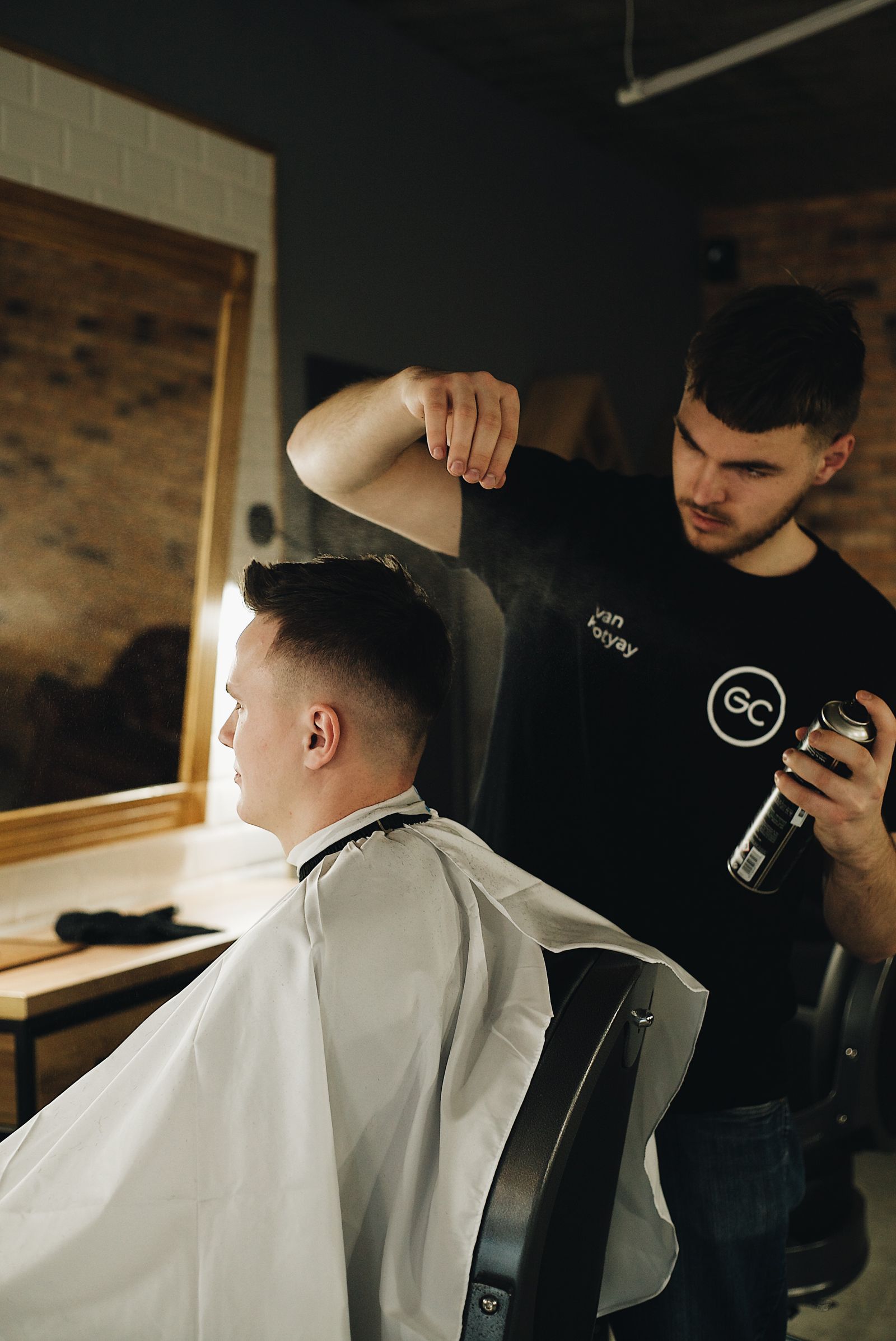
The fade haircut is one of the most popular and timeless men’s hairstyles in the world. Clean, sharp, and versatile, it has remained a favorite for decades because it suits many face shapes, hair types, and personal styles. Whether a man wants a polished professional look, a casual everyday style, or a bold modern appearance, the fade haircut can be adapted to fit his needs. Its biggest strength lies in its flexibility. It can be subtle and low-key or dramatic and eye-catching, depending on how it is cut and styled.
Not sure which cut suits you? Try our free Face Shape Finder.
What Defines a Fade Haircut
At its core, the fade haircut is defined by a gradual transition in hair length. The hair is longer at the top and slowly becomes shorter as it moves down the sides and back. In some cases, the fade goes all the way down to the skin, creating an extremely neat and fresh finish. This gradual blending effect is what gives the haircut its signature clean and modern appearance. A well-done fade looks smooth and balanced, with no harsh lines unless those lines are intentionally part of the style.
The History of the Fade
The history of the fade haircut goes back many years. It became especially well known through military haircuts because of its clean, disciplined appearance. Later, it gained wider popularity in barber culture, hip-hop fashion, sports, and mainstream men’s grooming. Over time, the fade evolved from a practical haircut into a fashion statement. Today, it is seen everywhere, from barbershops and offices to fashion magazines and social media. Men of all ages choose fade haircuts because they offer a stylish look without appearing overly complicated.
Low, Mid, and High Fades Explained
One reason the fade haircut is so admired is that it comes in several different versions. The most common types are the low fade, mid fade, and high fade. A low fade begins just above the ears and creates a softer, more subtle look. It is ideal for men who want a neat haircut without too much contrast. A mid fade starts slightly higher on the sides and creates a stronger balance between subtle and bold. It is often considered the most versatile option. A high fade begins near the temples and creates a more dramatic contrast between the top and the sides. This version has a striking, fashion-forward appearance and works especially well for men who like sharper, bolder haircuts.
Skin Fades and Taper Fades
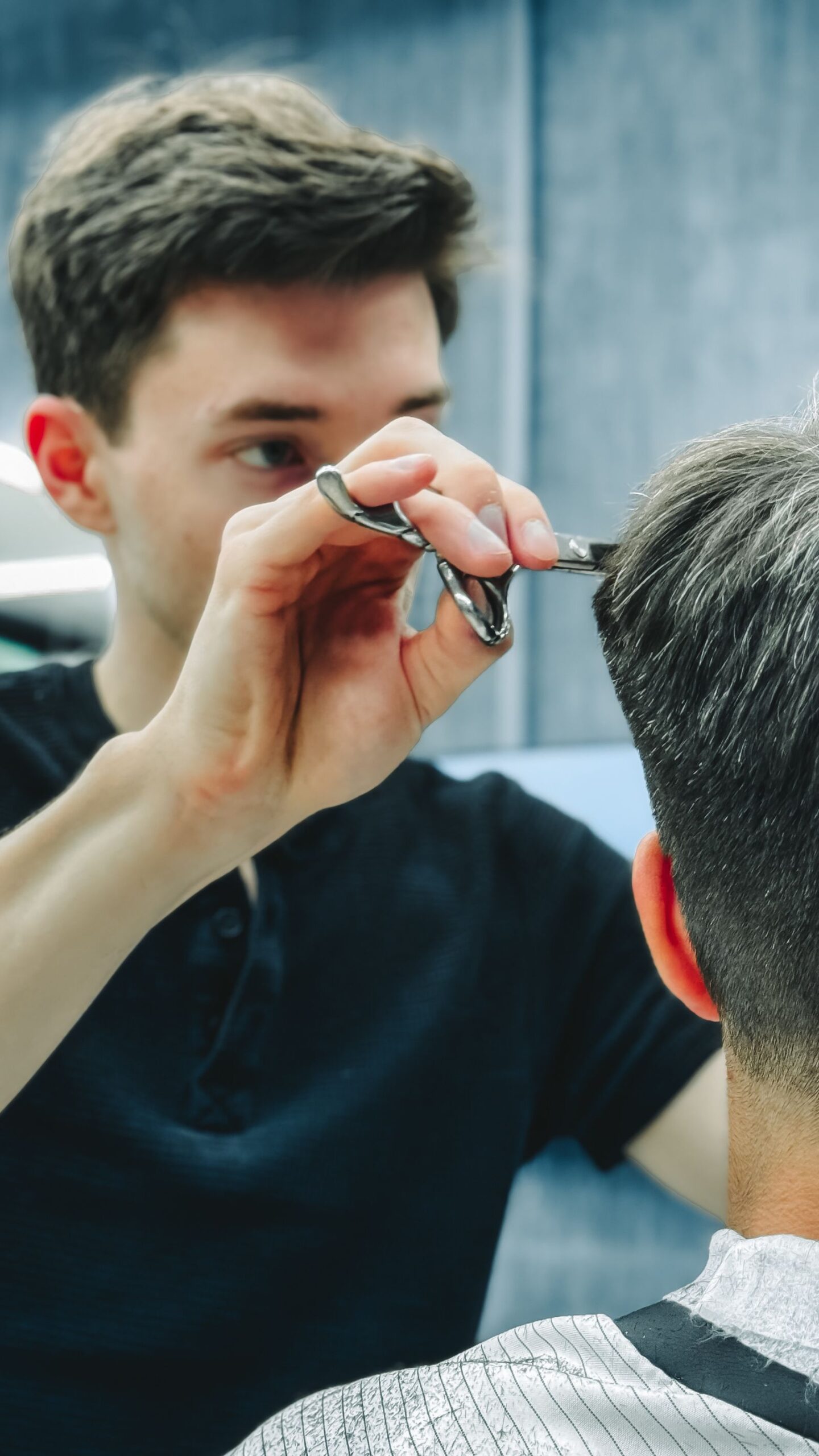
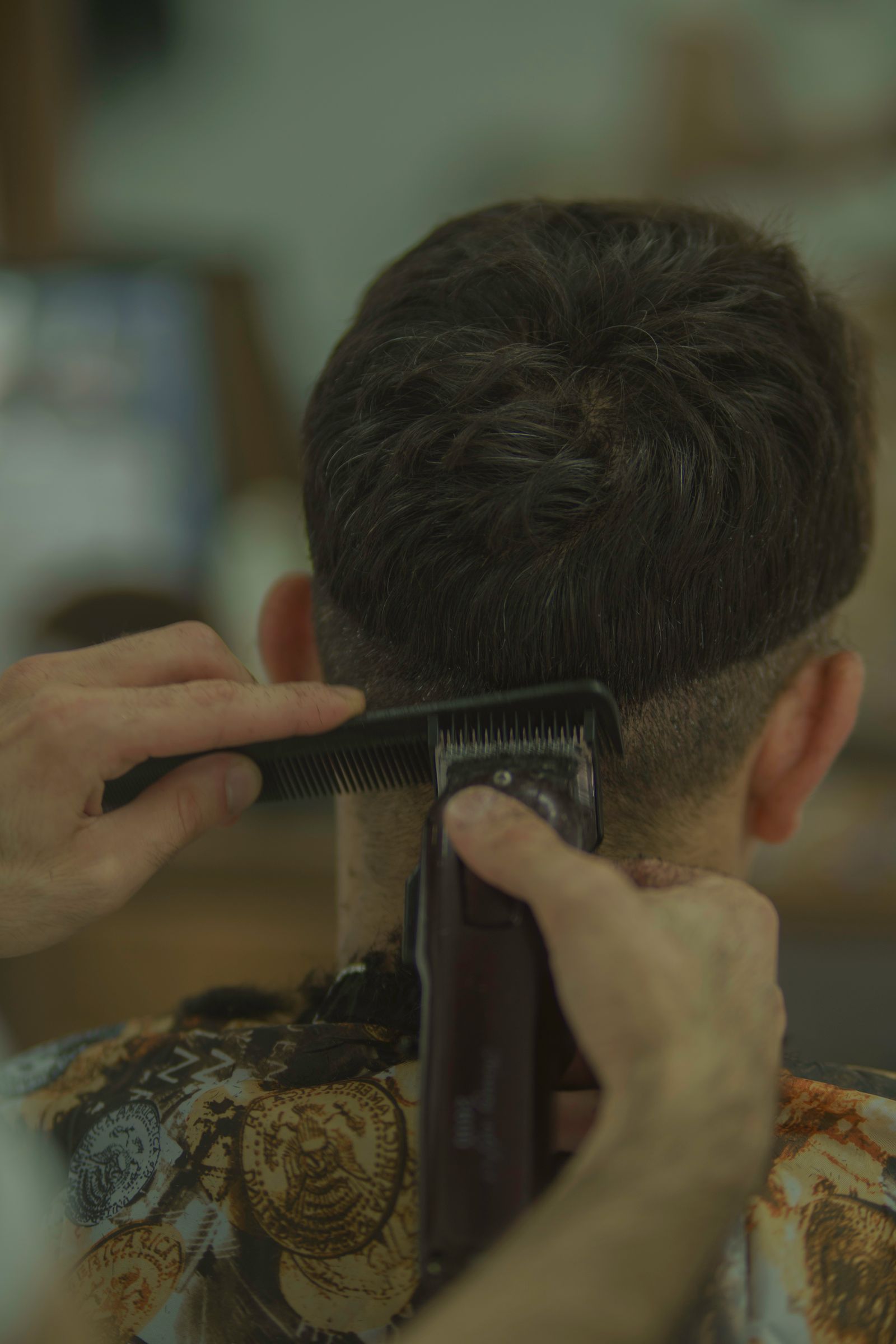
There is also the skin fade, which has become extremely popular in recent years. In a skin fade, the shortest part of the haircut blends all the way down to bare skin. This creates a very clean and polished finish. Skin fades can be combined with low, mid, or high fade placements depending on the desired result. Another variation is the taper fade, which is more conservative and usually focuses around the sideburns and neckline rather than fading the entire side of the head. This makes it a good choice for men who want a professional and classic appearance.
Pairing a Fade With a Top Style
The fade haircut also works well with many hairstyles on top. This is one of the main reasons it remains so popular. A fade can be paired with a pompadour for a stylish and refined look, or with a quiff for added height and texture. It can also work with short crops, buzz cuts, curly tops, textured fringes, comb-overs, slick backs, and even longer, messy styles. The contrast between the faded sides and the fuller top helps highlight the chosen hairstyle, making it appear more defined and intentional.
Fades for Different Hair Textures
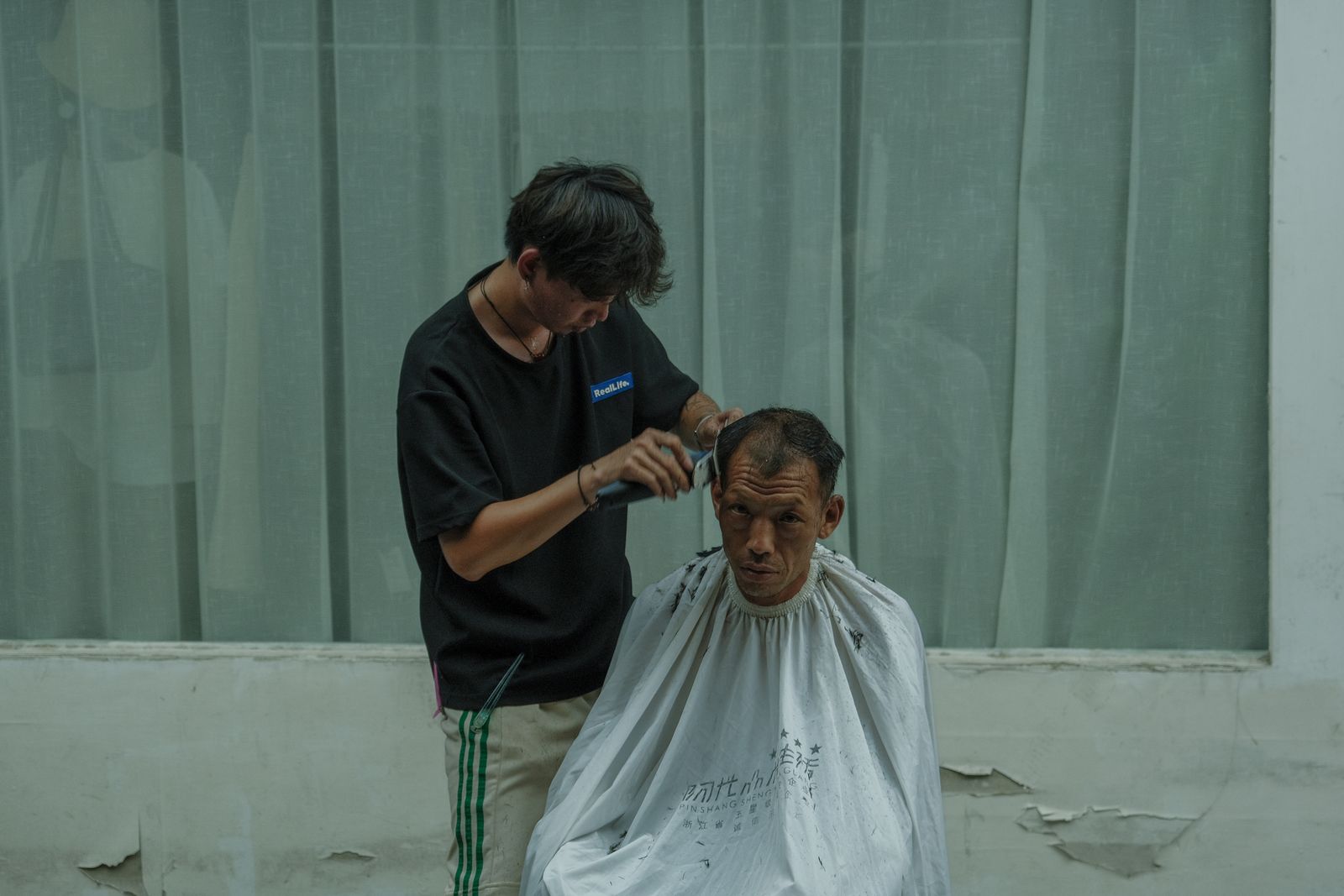
For men with straight hair, the fade creates a crisp and structured appearance. For men with wavy hair, it adds shape and keeps the style from looking too bulky. For men with curly or coily hair, the fade can enhance natural texture and make curls on top stand out beautifully. This makes the fade one of the most inclusive and adaptable hairstyles in modern barbering. It can be customized for different hair textures without losing its signature clean finish.
Fades and Face Shape
Face shape is another reason the fade is such a smart choice. A skilled barber can adjust the fade to flatter the features of the client. For example, a higher fade can help create the illusion of more length for rounder faces, while a lower fade may better suit men with longer or narrower faces by keeping the look more balanced. The fade can also be paired with facial hair to create harmony between the haircut and beard. Many men choose a fade that blends smoothly into the beard, creating a seamless and stylish transition from hair to facial hair.
Why a Fade Always Looks Groomed
Another major advantage of the fade haircut is its clean appearance. It instantly makes the wearer look groomed and fresh. Even when the top is styled casually, the faded sides keep the overall haircut looking organized. This is why the fade works well in many settings. It is appropriate for formal events, business environments, social outings, and everyday life. It manages to look trendy while still being neat and practical.
Maintenance and Upkeep
However, maintaining a fade haircut does require regular upkeep. Because the style depends on clean blending and short sides, it can lose its sharp appearance fairly quickly as the hair grows out. Most men with fades visit the barber every two to three weeks to keep the haircut looking fresh. Skin fades may need even more frequent touch-ups because the contrast is more noticeable once the hair begins to grow back. Daily styling needs depend on the length and texture of the hair on top. Some men only need a little matte clay or light pomade, while others may use a blow dryer, styling cream, or texture spray to achieve their desired look.
How to Ask Your Barber for a Fade
When asking for a fade haircut, clear communication with the barber is important. It helps to know whether you want a low, mid, or high fade, and whether you prefer a skin fade or a more traditional fade. It is also useful to explain how much length you want to keep on top and how you usually style your hair. Bringing a photo reference can make the process easier and help ensure the result matches your expectations.
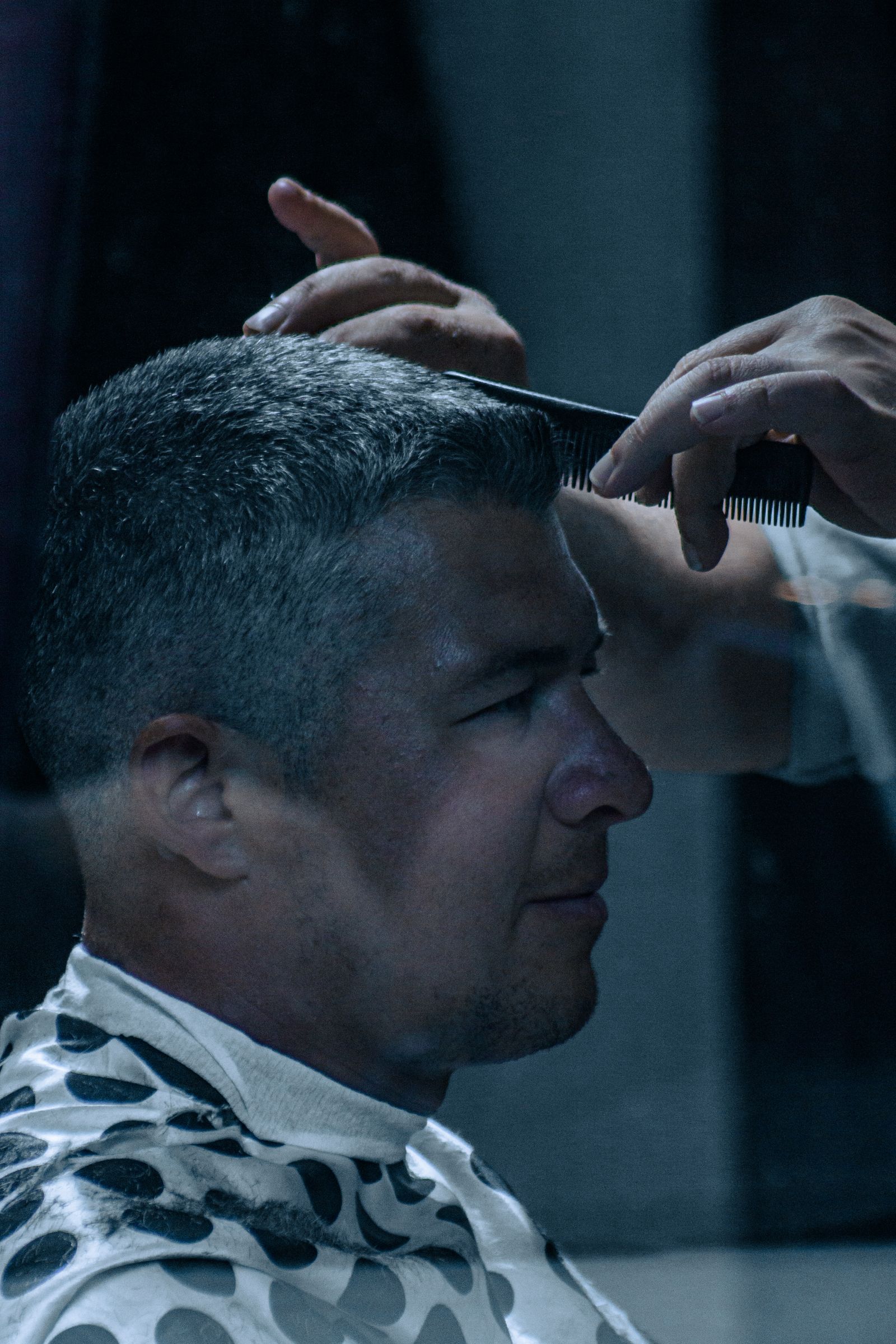
A good barber will also recommend adjustments based on your hair type, face shape, and lifestyle.
The fade haircut is not just about following a trend. It has lasted for so long because it truly works. It offers structure, cleanliness, and style in one haircut. It can be understated or bold, classic or modern, depending on how it is customized. This range is what makes it one of the most reliable choices in men’s grooming.
Final Thoughts
In conclusion, the fade haircut is a modern classic that continues to dominate men’s hairstyle trends for good reason. Its sharp appearance, flexibility, and ability to suit different hair types and personal styles make it one of the most practical and stylish haircuts available. From low fades to high fades, from skin fades to taper fades, this haircut offers endless possibilities. For any man looking for a hairstyle that is fresh, masculine, and adaptable, the fade haircut remains one of the best choices.
Products for Styling a Fade
What’s on top of a fade often needs its own dedicated product depending on the desired finish. A matte clay or paste delivers a natural, textured look with low shine, popular for casual and everyday styling. A pomade offers more hold and shine, suited to slicked-back or polished looks for formal occasions. A texturizing powder or spray adds grip and volume for styles that need extra lift, particularly on finer hair that can otherwise look flat on top even with sharp, well-maintained sides. Regardless of product choice, applying to slightly damp hair and working from the roots outward tends to give more even, longer-lasting results than applying to fully dry hair.
Fade Haircuts and Facial Hair
A well-blended fade paired with intentional beard grooming creates one of the most polished overall looks in men’s grooming. Many barbers now offer combined haircut and beard services specifically to ensure the fade at the sides transitions smoothly into the beard line rather than leaving an awkward, disconnected patch of longer hair between the two. For men who prefer to stay clean-shaven, the crispness of a fresh fade alone still delivers a similarly sharp, put-together look without needing a beard to complete it.
Choosing a Barber for a Fade
Not every barber specializes equally in fades, since the technique requires precise clipper work and a steady hand to create a seamless gradient rather than visible lines or steps between lengths. Looking at a barber’s portfolio specifically for fade examples, rather than general haircut photos, is one of the most reliable ways to gauge whether they can deliver the clean blend a good fade depends on. Word-of-mouth recommendations and online reviews that specifically mention fade quality are also worth more than generic five-star ratings when choosing where to book.
Fade Haircuts for Different Age Groups
The fade’s adaptability extends across age groups just as much as hair types and face shapes. Younger men often lean toward higher, more dramatic fades paired with bold top styles, while older men frequently prefer a more conservative low or mid fade that reads as polished and professional without drawing excessive attention. Neither approach is more correct — the fade’s core appeal is exactly this flexibility to suit whatever level of boldness someone is comfortable with, regardless of age.
Common Fade Haircut Mistakes to Avoid
Going too high or too dramatic on a first fade is a common regret, particularly for anyone transitioning from a much longer, less structured haircut — starting with a lower, more conservative fade and going bolder at a follow-up visit tends to produce fewer regrets than requesting the most dramatic version immediately. Waiting too long between touch-ups is another frequent issue, since the whole appeal of a fade depends on the sharp gradient staying crisp, which fades (in the other sense of the word) within just a couple of weeks as hair grows out unevenly. Choosing a barber based purely on convenience or price without checking fade-specific reviews or portfolio work can also lead to an uneven, poorly blended result that undermines the whole point of the haircut.
Cost of a Fade Haircut
Pricing for a fade varies considerably by location and barber experience, but it’s generally comparable to or slightly higher than a standard men’s haircut, given the additional skill and time required for precise blending. Many barbershops offer package pricing that combines a fade with a beard trim or hot towel shave, which can offer better value than booking each service separately for anyone who wants the complete, polished look regularly.
Frequently Asked Questions
How often does a fade need to be redone?
Most men visit their barber every two to three weeks to keep a fade looking sharp, with skin fades sometimes needing even more frequent touch-ups.
Can a fade work with very curly or coily hair?
Yes — fades are especially popular on curly and coily hair types, since the tapered sides create contrast that makes natural curl texture on top stand out even more.
Is a skin fade more painful or irritating than other fades?
Not typically, though skin fades do expose more scalp to potential razor irritation, so using proper aftercare products and going to an experienced barber helps minimize any discomfort.
Do fades work for receding hairlines?
Yes, often very well — a fade can actually help disguise a receding hairline by creating a gradual transition rather than drawing attention to a sharp, uneven hairline.
Fades in Professional Settings
Because the fade reads as clean and disciplined by default, it remains one of the safest haircut choices for professional environments with conservative dress codes. A low or mid fade paired with a neat, classic top style rarely raises eyebrows in even the most traditional office settings, while still offering considerably more personality and shape than a basic short back-and-sides. This balance of professionalism and style is a major reason the fade has stayed a default recommendation for men navigating job interviews, client-facing roles, and formal events.
Growing Out a Fade
Unlike some haircuts that look distinctly unkempt as they grow out, a fade transitions relatively gracefully since the gradient blending softens naturally rather than creating an abrupt line. That said, most men choose to keep visiting the barber regularly rather than deliberately growing a fade out, since the whole style depends on the crisp contrast between lengths that only regular maintenance preserves. For anyone transitioning away from a fade toward a longer overall style, working with a barber to gradually blend the growing sides rather than stopping haircuts abruptly tends to produce a smoother, less awkward transition period.
Bringing It All Together
The fade haircut’s decades-long popularity comes down to a genuinely rare combination: it looks sharp with almost no daily effort, adapts to virtually any hair type, face shape, and personal style, and reads as appropriate in settings ranging from a boardroom to a night out. Whether you choose a subtle low fade or a dramatic skin fade, the underlying principle is the same — clean, deliberate blending that makes any top style look more intentional and polished than it would on its own.
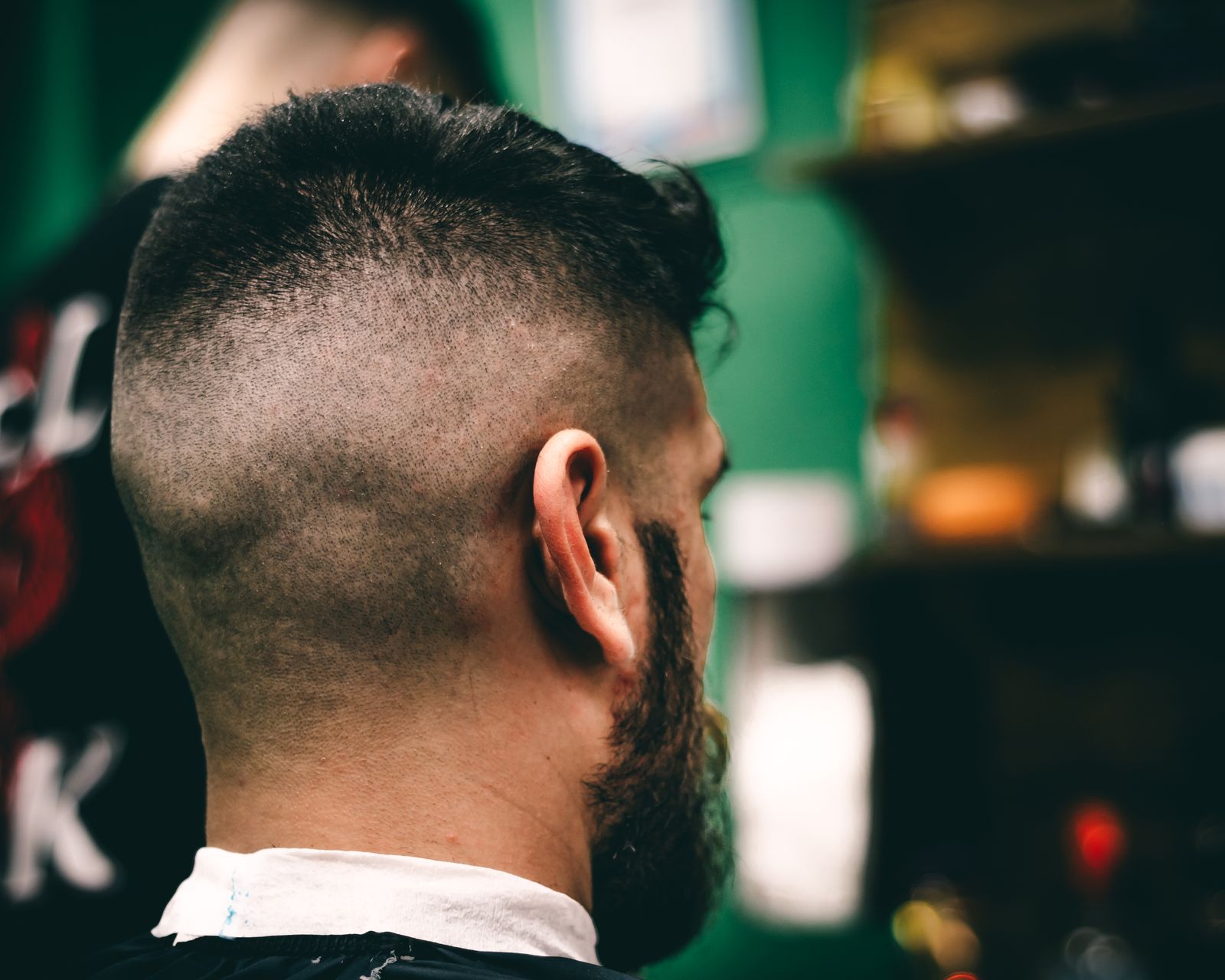
For anyone still deciding which version to try first, a mid fade with a moderate taper remains the safest, most broadly flattering starting point — versatile enough to work for nearly any face shape, hair type, and lifestyle, and easy to adjust bolder or more conservative at your next appointment once you know how you like it.