
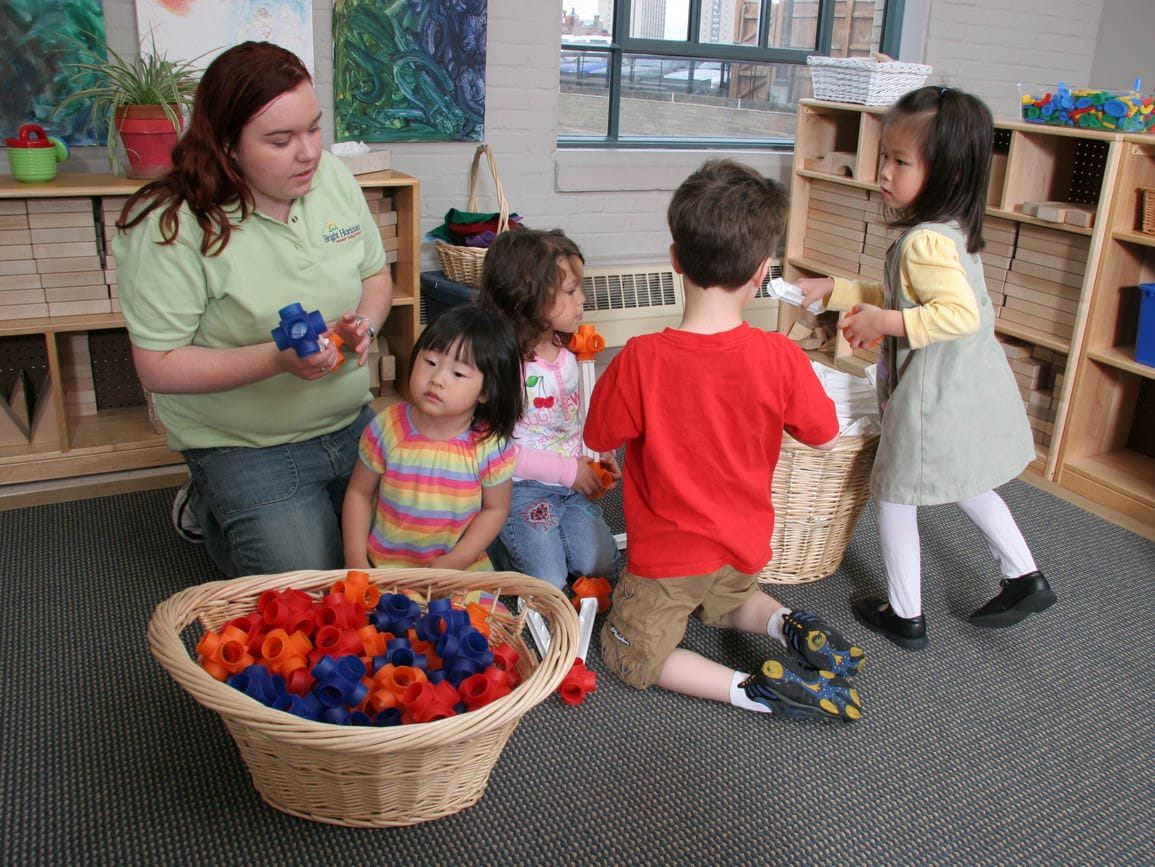
Teaching kids responsibility at home is one of the most valuable lessons parents can give their children. Responsibility is not something children learn overnight; it develops gradually through daily experiences and guidance from parents and caregivers. When children are given simple responsibilities at home, they begin to understand the importance of contributing to the family, taking care of their belongings, and completing tasks on time.
In today’s busy world, many parents do tasks themselves because it feels quicker and easier. However, involving children in household responsibilities helps them develop independence, confidence, and discipline. From cleaning up toys to helping set the table, these small actions teach life skills that benefit children throughout their lives.
Teaching responsibility at home not only supports personal development but also prepares children for future challenges. It builds habits that shape their character and help them grow into capable and reliable adults.
🌱 Building Independence in Children
One of the biggest benefits of teaching responsibility at home is helping children become independent. When kids learn to handle small tasks on their own, they begin to feel capable and confident. Independence allows children to trust their abilities and make decisions without relying entirely on others.
Simple responsibilities such as putting away toys, organizing school supplies, or packing their school bag encourage independence. These tasks may seem small, but they help children learn how to manage their daily routines. Over time, children develop problem-solving skills as they figure out how to complete tasks efficiently.
Parents can support independence by giving age-appropriate responsibilities. Younger children can handle tasks like picking up toys, while older children can assist with cooking, laundry, or cleaning. Encouraging independence early in life prepares children to handle responsibilities at school and in adulthood.
💪 Developing Self-Confidence and Self-Esteem
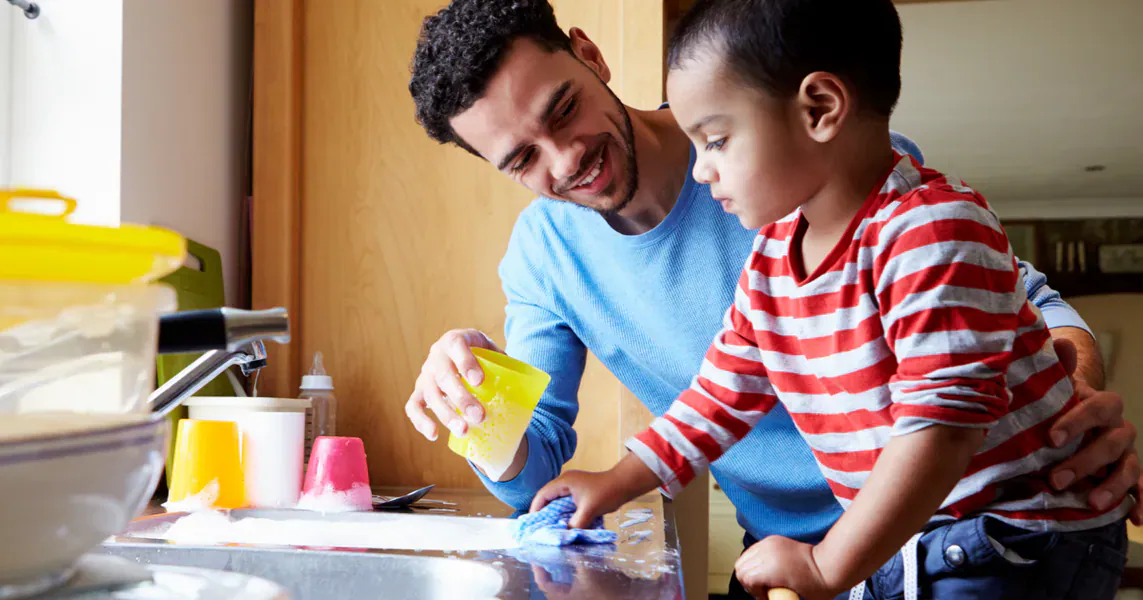
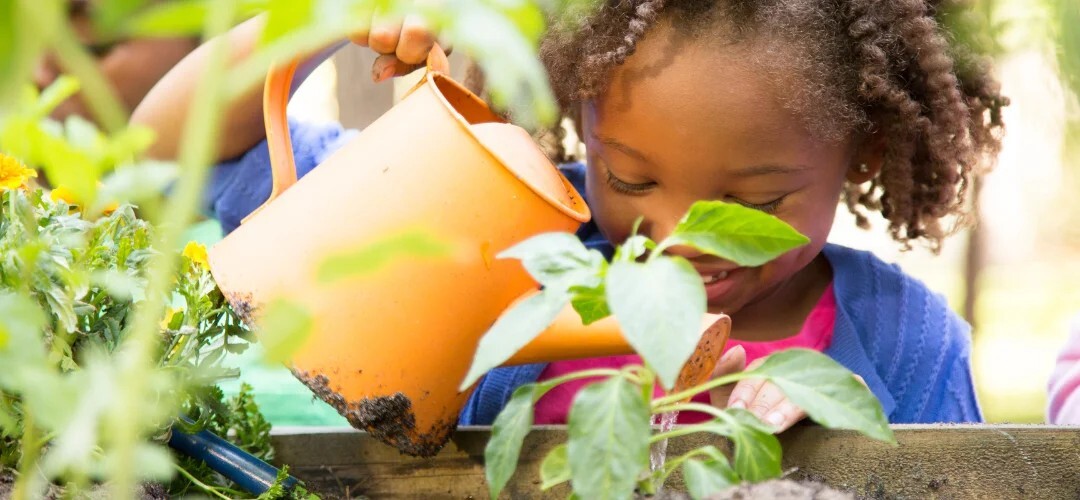
Responsibility helps children build confidence and self-esteem. When children complete tasks successfully, they feel proud of their achievements. This sense of accomplishment motivates them to take on new challenges.
For example, when a child helps wash dishes or water plants, they feel like an important member of the family. Praise from parents reinforces positive behavior and encourages children to continue being responsible. Over time, children develop a belief in their abilities, which supports their emotional growth.
Confidence gained through responsibility also improves performance in school and social settings. Children who feel capable are more likely to participate in activities, share ideas, and take initiative.
🧹 Teaching Time Management Skills
Responsibility at home helps children learn how to manage their time effectively. Completing chores within a certain time teaches children how to plan and organize their activities.
For instance, children who are responsible for completing homework and household tasks learn to balance their schedules. They understand the importance of finishing work before playing or watching television. These time management skills are essential for academic success and future employment.
Parents can help children manage time by setting clear routines. Daily schedules that include time for chores, homework, and play help children understand priorities. When children follow routines consistently, they develop discipline and good habits.
🤝 Encouraging Teamwork and Cooperation


Responsibility at home also teaches children teamwork and cooperation. When family members share responsibilities, children learn the value of working together to achieve common goals.
Group activities such as cleaning the living room or preparing meals encourage cooperation among family members. Children learn to communicate, share tasks, and support each other. These teamwork skills are useful in school projects, sports, and workplace environments.
Working together also strengthens family bonds. Children feel connected to their family when they participate in shared responsibilities. This sense of belonging improves relationships and promotes a positive home environment.
🧠 Developing Problem-Solving Skills
When children are given responsibilities, they often face small challenges that require problem-solving. For example, a child organizing toys may need to decide where each item belongs. These experiences encourage children to think critically and find solutions.
Problem-solving skills developed at home help children become more creative and resourceful. They learn how to handle unexpected situations and overcome obstacles. Instead of relying on others, responsible children learn to approach challenges with confidence.
Parents can encourage problem-solving by allowing children to complete tasks independently. Offering guidance rather than immediate solutions helps children develop their thinking skills.
📚 Teaching Accountability and Discipline
Responsibility teaches children accountability—the understanding that their actions have consequences. When children forget to complete tasks, they learn that responsibilities must be taken seriously.
For example, if a child does not pack their school bag, they may forget important materials. Experiencing the result of their actions helps children understand the importance of being responsible. Over time, children become more disciplined and careful in completing tasks.
Discipline gained through responsibility supports academic success and personal growth. Children who learn accountability early are more likely to follow rules and meet expectations.
🏡 Preparing Children for Adult Life
Teaching responsibility at home prepares children for adult life. Everyday responsibilities such as cooking, cleaning, and managing personal belongings are essential life skills. Children who learn these skills early are better prepared to live independently as adults.
As children grow older, responsibilities can become more advanced. Teenagers can learn budgeting, meal planning, and household management. These experiences help them become self-sufficient individuals capable of handling real-life challenges.
Preparing children for adulthood also reduces stress when they leave home for college or work. Responsible children adapt more easily to new environments and responsibilities.
🎯 Teaching Respect for Others and Belongings
Responsibility also teaches children to respect their environment and the people around them. When children take care of their belongings, they understand the value of maintaining order and cleanliness.
For example, children who clean their rooms learn to appreciate the effort required to maintain a tidy home. They also learn to respect shared spaces and family property. Respect for belongings extends to respect for others, encouraging kindness and empathy.
Parents can model respectful behavior by demonstrating responsibility in their own actions. Children learn best by observing adults who take care of their responsibilities seriously.
👨👩👧 Tips for Teaching Responsibility at Home
Parents can make responsibility a positive experience by using simple strategies:
- Start Early: Introduce small tasks at a young age, such as picking up toys.
- Give Clear Instructions: Explain tasks clearly so children understand expectations.
- Be Consistent: Assign regular chores to build habits.
- Offer Praise: Recognize efforts and celebrate achievements.
- Set Realistic Goals: Choose tasks suitable for the child’s age.
- Lead by Example: Show responsibility through your own actions.
These strategies make learning responsibility enjoyable and effective.
🌟 Benefits for the Whole Family
Teaching responsibility benefits the entire family, not just children. When children contribute to household tasks, parents feel less overwhelmed. Shared responsibilities create a balanced and organized home environment.
Families that work together experience stronger relationships. Cooperation builds trust and mutual respect among family members. Children also develop gratitude as they understand the effort required to maintain a home.
A responsible household promotes harmony, reduces conflicts, and encourages positive communication.
Conclusion
Teaching kids responsibility at home is one of the most important steps in raising confident, capable, and independent individuals. Through simple daily tasks, children learn valuable life skills such as independence, teamwork, time management, and accountability.
Responsibility shapes character and prepares children for future challenges. It builds confidence, strengthens family relationships, and promotes discipline. By encouraging responsibility at home, parents help children develop habits that support lifelong success.
In the end, responsibility is more than completing chores—it is about building strong values and preparing children for a successful future. When children learn to take responsibility early, they grow into reliable adults who contribute positively to their families and communities. 🏠✨