
The Modern Gentleman’s Guide: Evolution, Artistry, and the Power of a Great Haircut
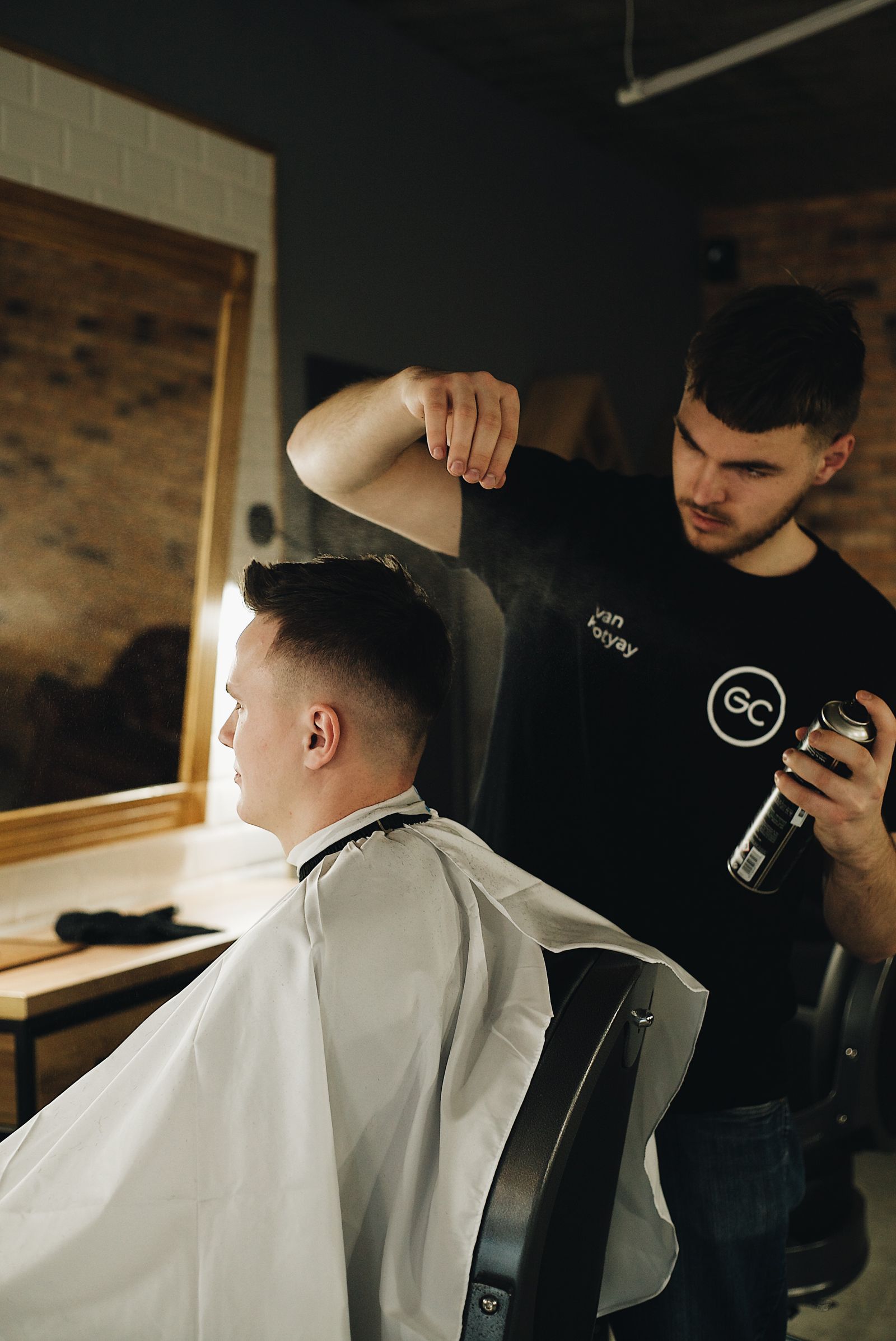
For centuries, a man’s haircut has been more than just a grooming necessity; it has been a social signifier, a professional calling card, and a primary tool for self-expression. From the powdered wigs of the 18th-century aristocracy to the rebellious pompadours of the 1950s and the skin fades of today, hair is the one accessory a man wears every single day.
Not sure which cut suits you? Try our free Face Shape Finder.
In the modern era, the “trip to the barber” has undergone a massive renaissance. It is no longer just a functional 15-minute task. It is an experience—a blend of traditional craftsmanship and contemporary style. Understanding the nuances of men’s hair is about more than knowing the difference between a #2 and a #3 guard; it’s about understanding face shapes, hair textures, and the psychological boost that comes with a fresh taper.
The Foundation: Understanding Your Face Shape
The “perfect” haircut isn’t universal; it is mathematical. A skilled barber looks at the geometry of a man’s head before picking up the shears. The goal of any great haircut is to create the illusion of an oval face shape, which is widely considered the most balanced.
-
Round Faces: To offset the width of the cheeks, men with round faces should opt for styles that add height and volume on top while keeping the sides tight. The Classic Undercut or a Pompadour helps elongate the face.
-
Square Faces: Known for a strong jawline, square faces are versatile. They can handle very short crops like the Buzz Cut or longer, textured styles that soften the angles.
-
Heart/Triangular Faces: Since the forehead is wider than the chin, styles with volume on the sides or a Mid-Length Scissor Cut help balance the proportions.
-
Oval Faces: The “lucky” shape. Almost any style—from a long man-bun to a tight military fade—works well here.

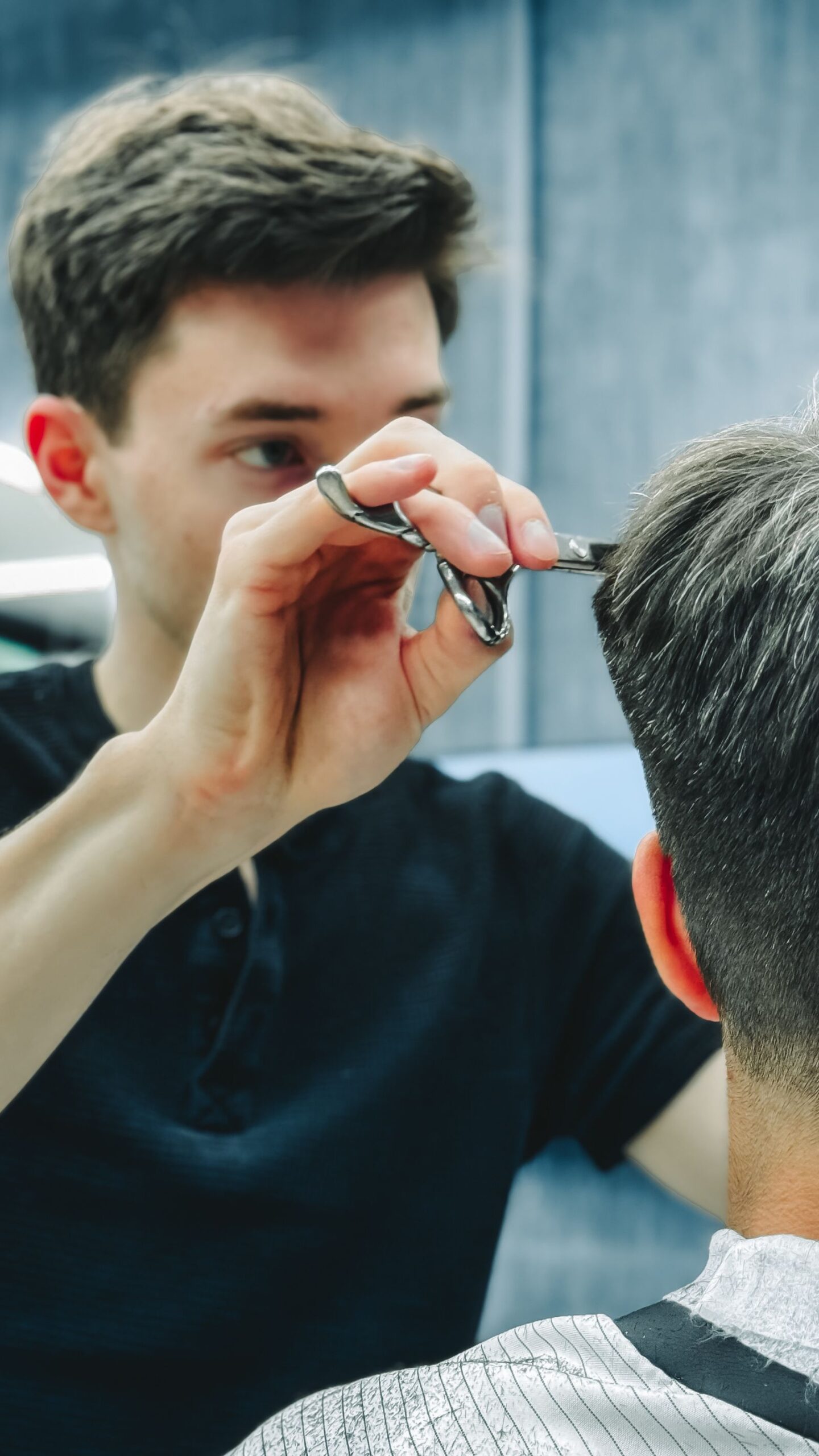
The Modern Classics: Styles That Never Die
While trends come and go, a few core styles have stood the test of time, evolving slightly to meet modern tastes.
1. The Fade (Skin, Drop, and Taper)
The fade is the backbone of modern barbering. It involves a gradual transition from long hair to short hair, usually ending at the skin.
-
The Skin Fade: A high-contrast look where the hair disappears into the scalp.
-
The Taper: A more conservative version where the sideburns and neckline are faded, but the rest of the sides retain some length.
-
The Drop Fade: The fade line “drops” behind the ear, following the natural curve of the skull for a more ergonomic, stylish silhouette.
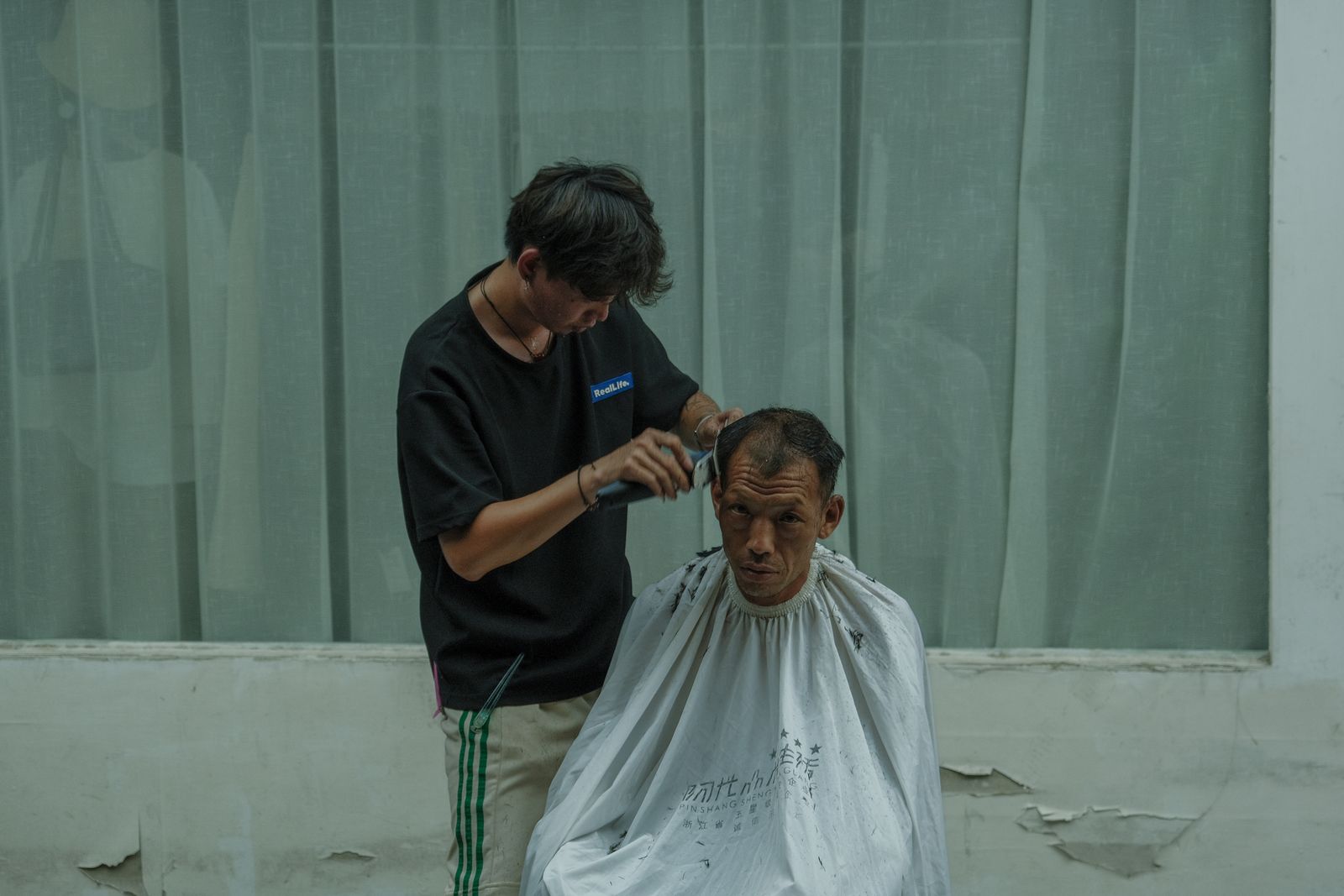
2. The Quiff and Pompadour
Heavily influenced by 1950s rock-and-roll culture, these styles focus on volume at the front. The Quiff is generally more textured and “messy,” while the Pompadour is slicked back with high-shine pomade. Both require a blow-dryer and a round brush to achieve that gravity-defying lift.
3. The Textured Crop (The “French Crop”)
Popularized by shows like Peaky Blinders, this style features a heavy fringe pushed forward with short, faded sides. It’s the ultimate low-maintenance look for men with thinning hair or those who want a “wake up and go” aesthetic.
4. The Side Part (The Executive Contour)
The quintessential “gentleman’s cut.” Clean, professional, and timeless. It works best with a slight taper on the sides and a hard-part line shaved in for extra definition. It is the uniform of the corporate world that still transitions perfectly to a night out.
Texture and Hair Type: Working With What You Have
A common mistake men make is showing a barber a photo of a style that their hair type simply won’t support. Texture is the “grain” of your hair, and it dictates how the style will sit.
-
Straight Hair: Great for slicked-back looks and side parts, but it can often look “limp.” To fix this, barbers use thinning shears or point-cutting to add internal texture and volume.
-
Wavy Hair: This is the most sought-after texture because it has natural volume. A Mid-Length Bro Flow or a messy quiff works beautifully here.
-
Curly/Coily Hair: Maintenance is key. Curly hair needs moisture. Styles like the High-Top Fade or a Textured Drop Fade celebrate the natural bounce of the curls while keeping the edges sharp and clean.
The Toolbelt: Products and Maintenance
A haircut only looks 10/10 on the day you leave the shop. To maintain that “fresh out of the chair” look, a man needs the right arsenal.
-
Matte Clay/Paste: Best for textured, messy styles. It provides a strong hold without the “greasy” look.
-
Pomade (Water-Based): The go-to for slick-backs and side parts. It offers high shine and a firm hold but washes out easily.
-
Sea Salt Spray: A secret weapon for men with fine hair. Spritzing this on damp hair before blow-drying adds “grit” and thickness.
-
Beard Oil/Balm: If you have facial hair, the haircut doesn’t end at the sideburns. A well-groomed beard completes the silhouette and keeps the skin underneath healthy.
The Psychology of the Cut
There is a documented psychological phenomenon often referred to as the “fresh-cut feeling.” When a man sits in a barber’s chair, it is one of the few times he allows himself to be cared for in a ritualistic way. The hot towel, the straight-razor neck shave, and the precision of the clippers provide a sense of order.
A great haircut boosts confidence, improves posture, and can even change how others perceive your competence and authority. It’s an investment in your personal brand. In professional settings, a sharp, well-maintained look suggests attention to detail—a trait highly valued in any industry.
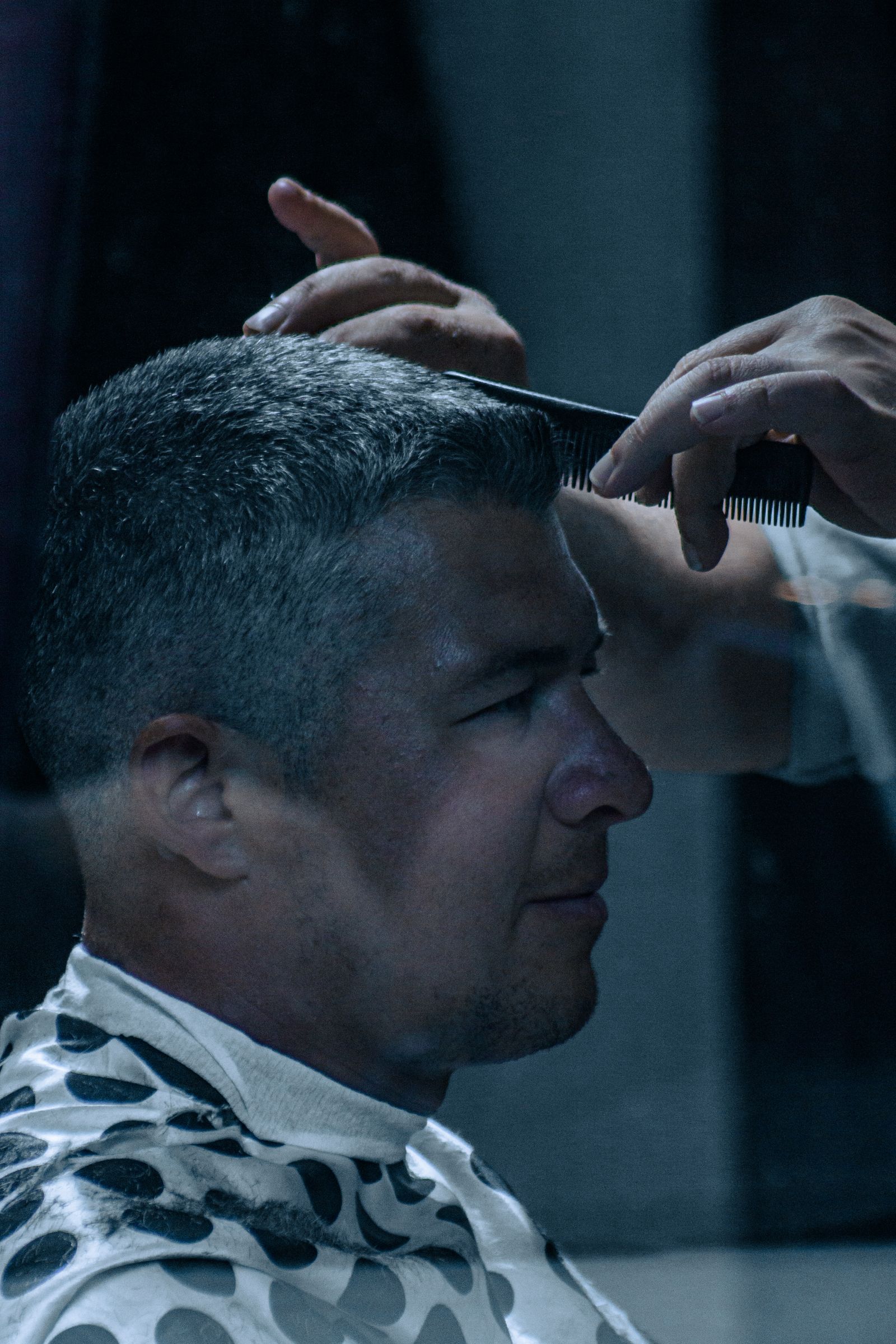
Sustainability and the Future of Barbering
We are seeing a shift toward “organic barbering,” where shops use paraben-free products and focus on sustainable practices. Additionally, technology is entering the space with 3D face-scanning apps that can “test” a haircut on your digital twin before the first snip is made. However, at its heart, barbering remains one of the few industries that cannot be replaced by AI or automation. It requires the human eye, a steady hand, and the ability to listen to a client’s story.
Conclusion
A man’s haircut is the bridge between his internal identity and his external presentation. Whether you choose the rugged charm of a textured crop, the sharp discipline of a skin fade, or the classic elegance of a side part, your hair tells a story. It speaks of your heritage, your profession, and your personality.
By understanding your face shape, choosing a style that fits your lifestyle, and building a relationship with a skilled barber, you aren’t just “getting a trim.” You are refining the best version of yourself.
How Often Should a Man Get a Haircut
Maintenance frequency depends heavily on the style. Short, faded cuts need attention every two to three weeks to keep the sharp contrast between lengths looking fresh, since regrowth is most visible on high-contrast styles. Longer, textured styles like a French crop or mid-length flow can often stretch to five or six weeks between visits, since the growing length blends more naturally into the existing shape. Building a consistent relationship with one barber, rather than visiting whoever’s available each time, tends to produce more reliable results over time, since a barber familiar with your hair’s specific growth pattern and cowlicks can adjust the cut accordingly.
Building a Grooming Routine Around Your Cut
A great haircut is only the starting point — the daily routine that maintains it matters just as much. Washing hair two to three times a week rather than daily helps preserve natural oils that many modern short styles actually benefit from, since a bit of texture and grip makes styling products work more effectively than on freshly stripped, squeaky-clean hair. Applying product to slightly damp rather than bone-dry or soaking-wet hair tends to give the most even, natural-looking distribution, and working product in with fingers rather than a comb preserves the textured, piece-y look that most modern men’s styles are going for.
Choosing a Barber vs. a Salon
Traditional barbershops tend to specialize specifically in men’s cutting techniques — clipper work, fades, straight-razor lines — while general salons often split their attention across a broader range of services. For classic, precision-dependent styles like a skin fade or a hard side part, a dedicated barber’s specific expertise usually shows in the final result. For more creative, texture-focused cuts that blend traditional barbering with color or styling techniques more common in salons, some men find a stylist with cross-training in both worlds delivers the best of both approaches.
Common Haircut Mistakes Men Make
Bringing a single reference photo without discussing how it needs to be adapted for your own hair type and face shape is one of the most common mistakes — the same haircut can look completely different depending on natural texture, density, and growth pattern. Going too long between trims and then requesting a dramatic change all at once often produces a less refined result than a barber gradually shaping the style over a couple of visits. Neglecting the daily maintenance routine — skipping product, using the wrong tools, or never learning basic styling technique — is another frequent issue that leaves even a well-executed haircut looking flat or unfinished by the second or third day.
Haircuts and Personal Branding
Beyond aesthetics, a consistent, well-maintained haircut functions as a form of personal branding, particularly in professional contexts where first impressions carry real weight. Choosing a signature style and maintaining it reliably, rather than changing dramatically every few months, tends to build a stronger, more recognizable personal image over time. This doesn’t mean never experimenting — it means being deliberate about when and how a change happens, treating a haircut as part of an overall personal presentation strategy rather than an isolated decision made in the barber’s chair.
Frequently Asked Questions
What’s the best haircut for a receding hairline?
A shorter overall style, like a crop or a fade with minimal length on top, tends to disguise a receding hairline more effectively than longer styles that draw attention to the changing hairline.
How do I know if a style will suit my hair texture?
A consultation with a barber who assesses your hair type in person, rather than relying solely on a reference photo, is the most reliable way to know whether a specific style will translate well to your actual hair.
Is it worth paying more for a specialist barber?
For precision-dependent styles like fades, yes — the technical skill required to execute a clean, seamless blend genuinely varies between barbers, and it shows in the final result.
How can I make a haircut last longer between visits?
Choosing a slightly more conservative version of a style, rather than the most dramatic option, generally extends the time before regrowth becomes noticeable and the cut needs a full refresh.
Adapting Classic Styles for Modern Life
Many of today’s most popular men’s haircuts are updated versions of styles that have existed for decades, adjusted to fit contemporary preferences for lower maintenance and more natural texture. The modern pompadour, for instance, typically uses less product and a softer overall shape than its 1950s predecessor, favoring a more textured, lived-in finish over the stiff, heavily lacquered look of the original. This pattern — taking a proven classic silhouette and softening it for modern sensibilities — explains why so many “trending” haircuts are really just fresh takes on styles that have already proven their staying power.
Travel and Haircut Maintenance
For men who travel frequently or relocate, finding a new barber capable of replicating a familiar style is one of the more underrated grooming challenges. Bringing detailed notes — guard numbers used on the sides, how much length is typically left on top, any specific texturizing techniques a previous barber used — helps a new barber pick up where the last one left off, rather than starting from scratch with only a vague verbal description or an outdated photo.
When to Change Your Signature Style
While consistency has real branding value, there are legitimate reasons to revisit a long-held signature style: significant hair thinning or a receding hairline that no longer suits the previous cut, a major life or career change that calls for a different image, or simply personal boredom with a look that’s been maintained unchanged for years. When making a change, working gradually with a trusted barber — adjusting length or texture incrementally over a couple of appointments — tends to produce a more considered result than an abrupt, drastic change made on impulse.
The Role of Confidence in How a Haircut Reads
Two men with technically identical haircuts can present very differently depending on how they carry themselves, which is part of why grooming professionals often emphasize that a haircut is only one component of an overall look. Good posture, well-fitted clothing, and basic skincare all work alongside a sharp haircut to create the complete impression that a great cut alone can’t fully deliver. Investing in a quality haircut is worthwhile, but treating it as one piece of a broader personal presentation, rather than a standalone fix, tends to produce more noticeable results overall.
Final Word
The modern gentleman’s approach to haircuts blends respect for barbering tradition with a genuinely practical understanding of what works for individual hair type, face shape, and lifestyle. Whether you gravitate toward the discipline of a clean fade, the volume of a pompadour, or the low-maintenance ease of a textured crop, the principles covered here — understanding your face shape, working with your natural texture, and building a relationship with a skilled barber — apply regardless of which specific style you choose. A great haircut isn’t really about following a trend; it’s about finding the version of a timeless idea that genuinely fits you.