
The Pixie Cut Hairstyle for Women: Bold, Modern & Effortlessly Chic
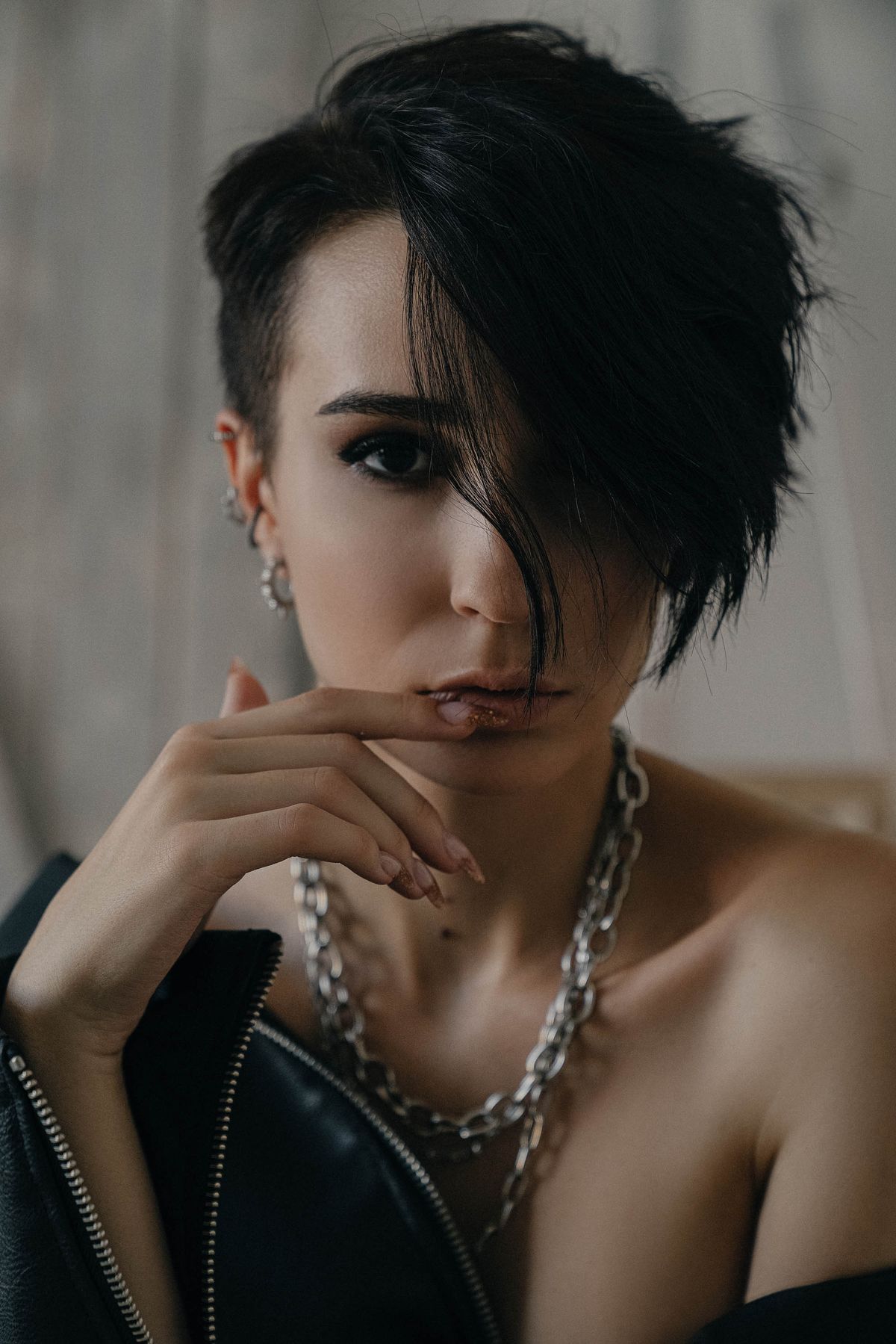
The pixie cut is one of the most iconic short hairstyles for women, known for its bold yet feminine appearance. It features very short sides and back with slightly longer layers on top, creating a soft and stylish silhouette. Despite its short length, the pixie cut carries a strong sense of personality and confidence.
Not sure which cut suits you? Try our free Face Shape Finder.
Women choose this hairstyle because it is low-maintenance yet highly fashionable. It highlights facial features such as the eyes, cheekbones, and jawline, making them more prominent. The pixie cut is perfect for women who want a fresh, modern transformation that feels both elegant and empowering.
💫 2. Edgy Pixie Cut for a Bold Statement
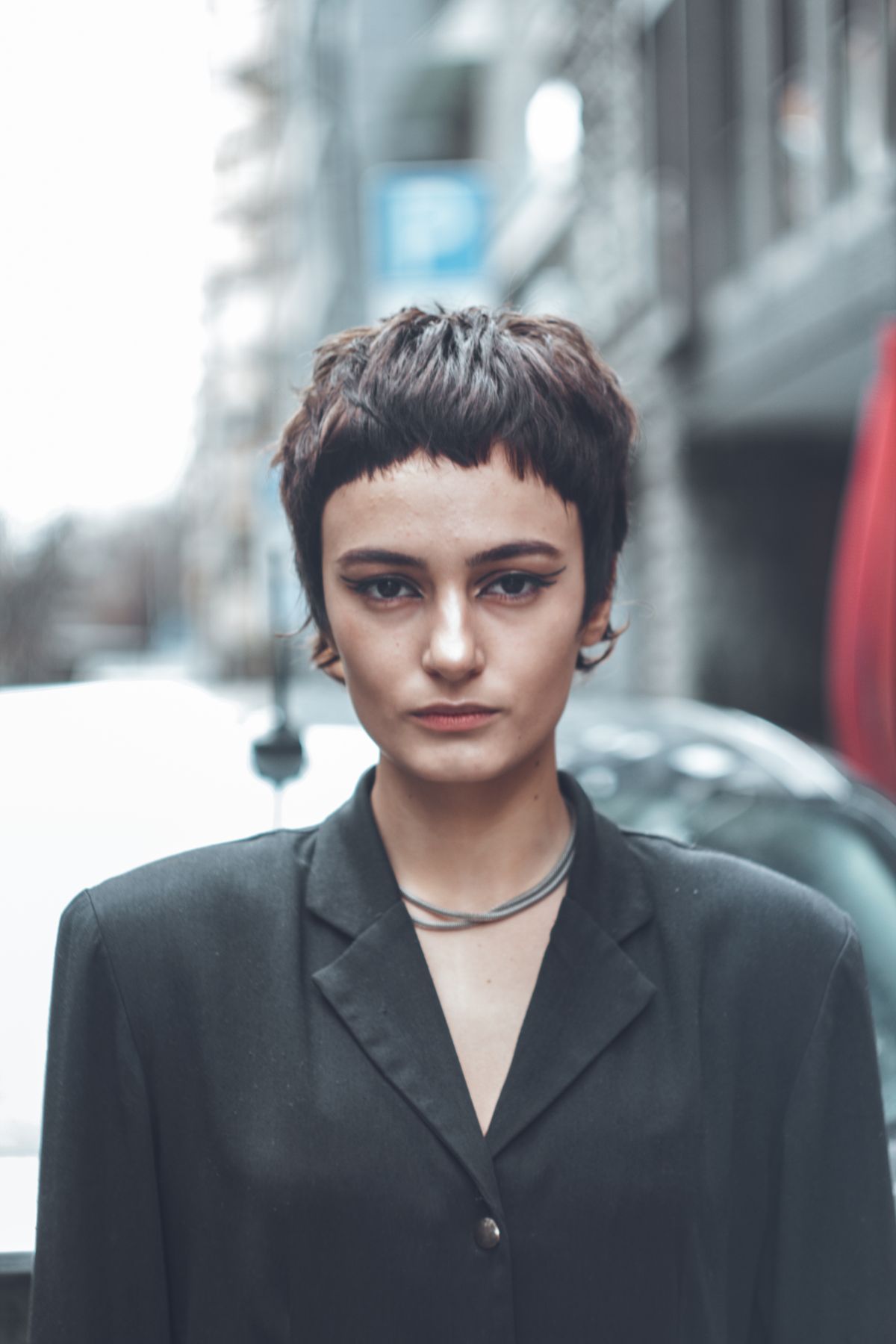
The edgy pixie cut is designed for women who love bold, fashion-forward styles. It often includes sharp layers, undercuts, or textured spikes that create a dramatic and modern look. This version of the pixie cut stands out and makes a strong style statement.
It is especially popular among women who enjoy experimenting with their appearance. The edgy pixie adds attitude and confidence while maintaining a chic and controlled shape. It is perfect for creative personalities who want a hairstyle that reflects their individuality.
🌿 3. Soft Textured Pixie for Natural Elegance
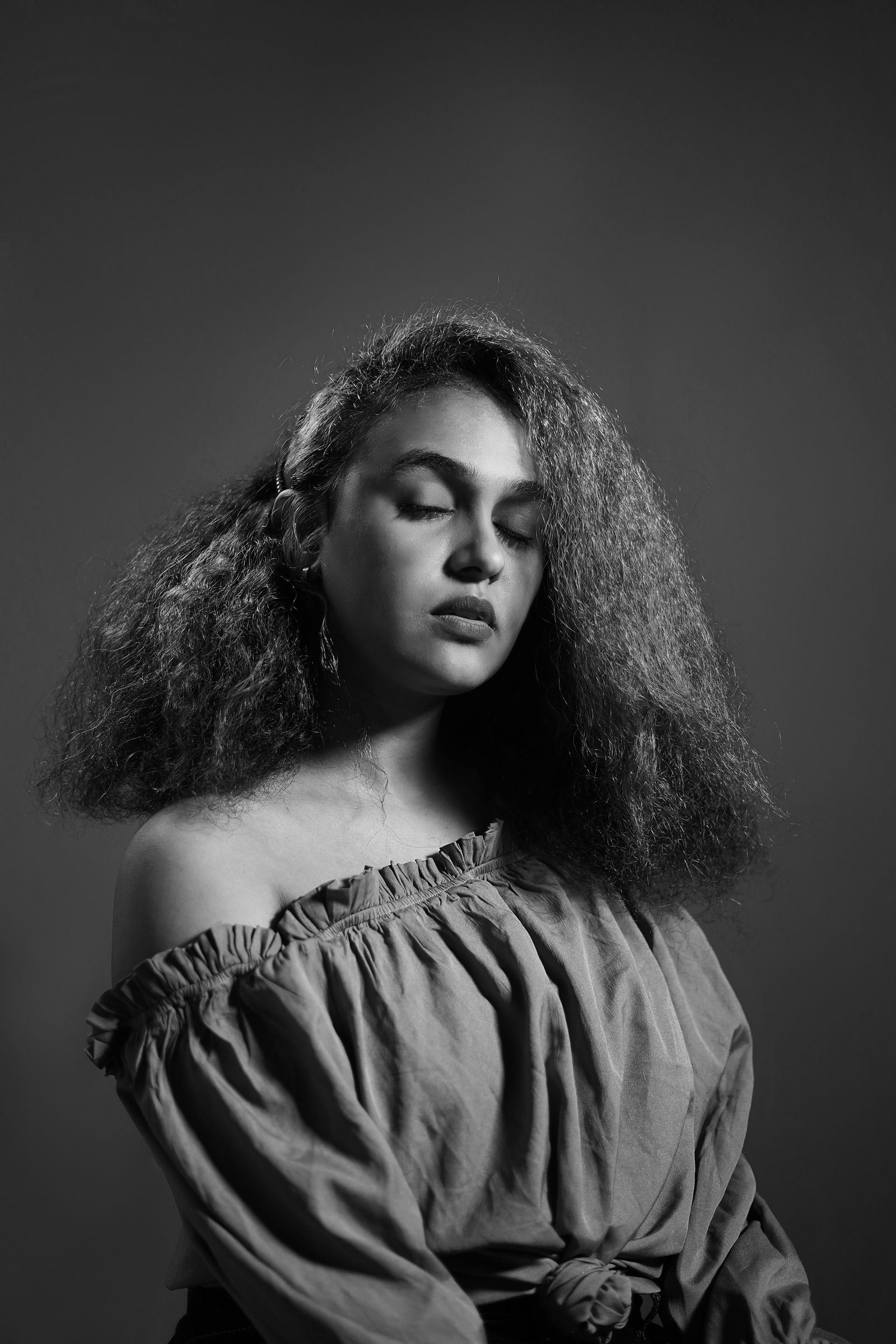
The soft textured pixie cut offers a more relaxed and natural look compared to sharper versions. It uses gentle layers to create movement and volume, giving the hair a lightweight and airy feel. This makes it ideal for everyday wear.
This style is perfect for women who prefer a low-maintenance yet stylish haircut. The texture adds softness around the face, making it more flattering and feminine. It is an effortless hairstyle that still looks polished and modern.
✂️ 4. Asymmetrical Pixie Cut for a Trendy Look
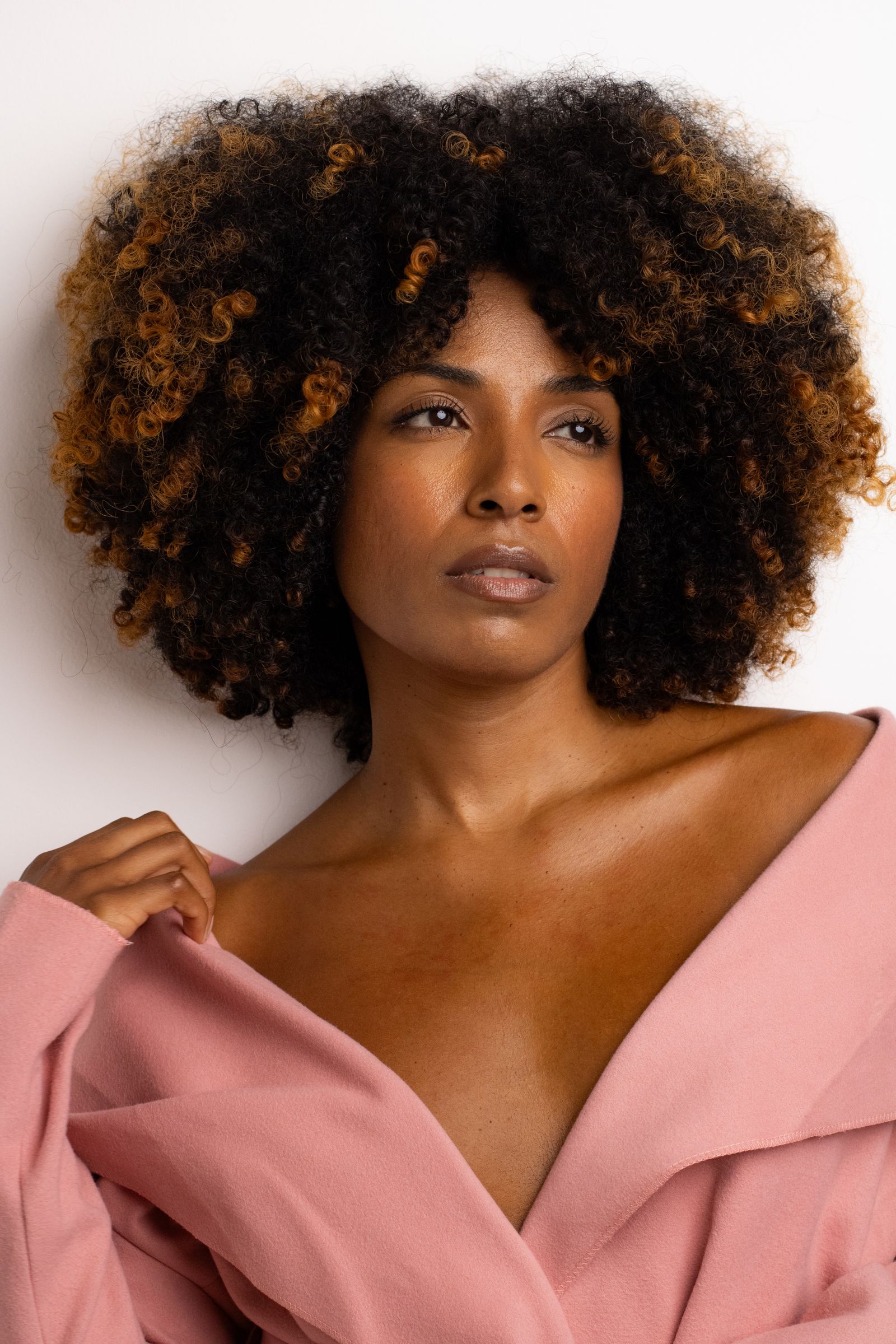
The asymmetrical pixie cut is a stylish variation where one side is slightly longer than the other. This uneven design adds a modern and artistic touch to the classic pixie shape. It is a popular choice among fashion-conscious women.
This hairstyle creates visual interest and frames the face in a unique way. It is perfect for those who want a trendy, runway-inspired look without going too extreme. The asymmetry adds personality and sophistication to short hair.
💁♀️ 5. Pixie Cut with Bangs for a Soft Frame
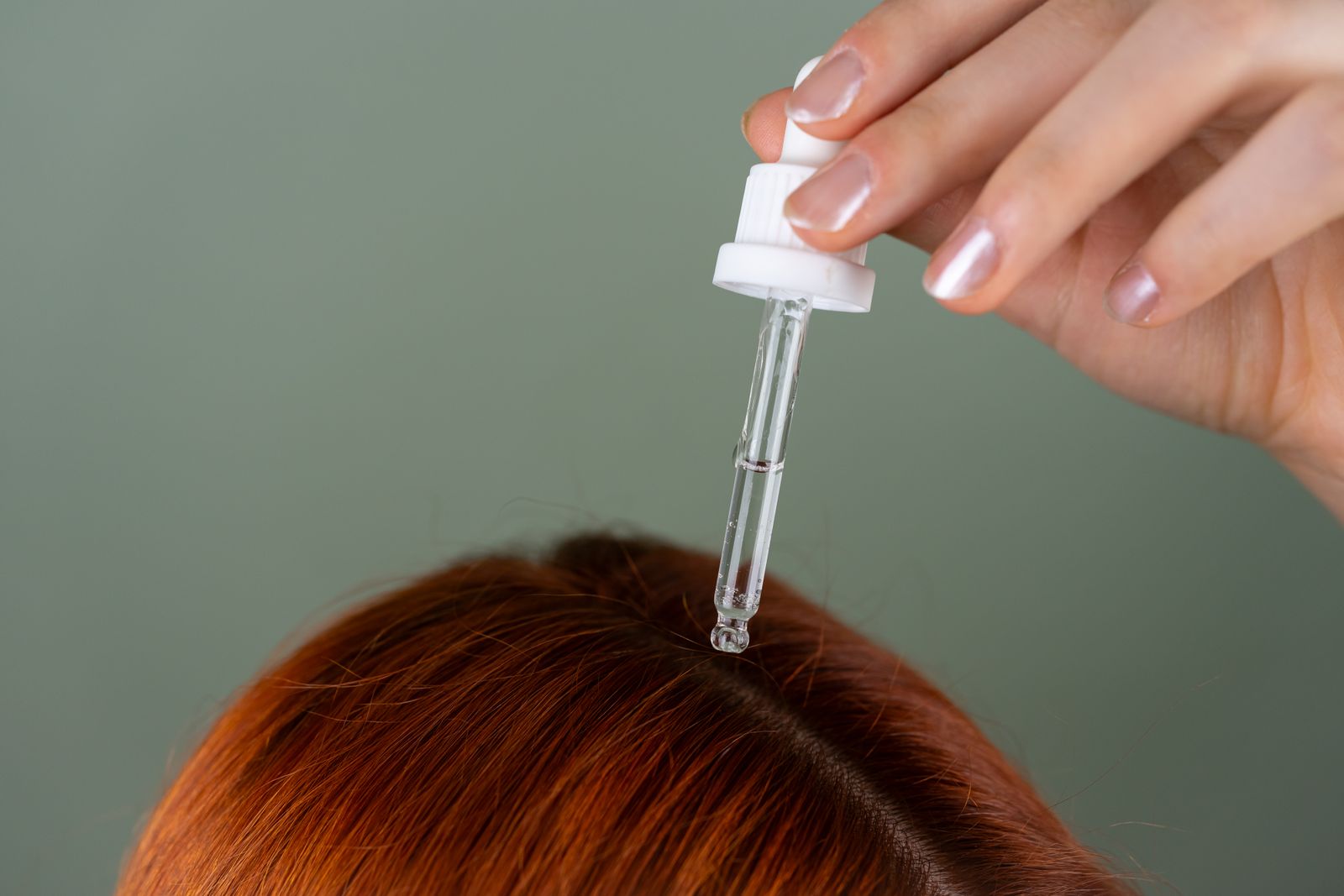
Adding bangs to a pixie cut creates a softer and more youthful appearance. Side-swept or wispy bangs help frame the face gently, making the hairstyle more balanced and feminine. This variation is widely loved for its charm and versatility.
Pixie cuts with bangs are especially flattering for women who want to soften sharp facial features. The bangs can also be styled in different ways, allowing flexibility while maintaining the short and stylish pixie structure.
💡 6. Easy Styling & Maintenance of Pixie Hair
One of the biggest advantages of the pixie cut is how easy it is to maintain. It requires minimal washing time and dries quickly, making it perfect for busy lifestyles. Regular trims are needed to keep its shape neat and stylish.
Styling a pixie cut is simple—just a bit of wax, gel, or mousse can add texture and definition. Depending on the occasion, it can be styled sleek and smooth or messy and voluminous. This makes it a highly practical yet fashionable choice.
🌸 7. Suitability for Different Face Shapes
The pixie cut is surprisingly versatile when it comes to face shapes. For oval faces, almost any variation of the pixie looks flattering. For round faces, adding volume on top helps create a lengthening effect.
Women with square or angular faces benefit from softer layers that reduce sharpness. With the right styling, the pixie cut can be customized to enhance natural beauty for every face shape, making it universally appealing.
🌟 8. Final Thoughts on the Pixie Cut
The pixie cut is more than just a hairstyle—it is a statement of confidence, independence, and modern beauty. It combines practicality with style, offering a fresh and bold transformation for women of all ages.
Whether soft and feminine or edgy and dramatic, the pixie cut adapts to different personalities and fashion preferences. Its timeless appeal ensures that it will always remain one of the most iconic short hairstyles in the world. 💇♀️✨
Growing Out a Pixie Cut
The awkward in-between stage is the biggest concern most people have before committing to a pixie, and it’s a valid one — hair typically goes through a period of looking neither short nor long somewhere around the three to five month mark. Working with a stylist during this phase rather than avoiding the salon actually makes the transition smoother, since strategic trims can keep the shape looking intentional even as length is added, rather than letting it grow out into a shapeless, overgrown pixie. A grown-out pixie generally transitions into a pixie-bob or a short bob shape before reaching shoulder length, and many people choose to stop and stay at that stage rather than continuing to grow it out fully.
Using pins, headbands, or small clips strategically during the growing-out phase can help manage the awkward lengths at the temples and nape, which are often the last sections to catch up to the rest of the cut.
Best Products for Styling a Pixie Cut
A matte styling paste or wax is the most versatile product for a pixie, since it can create both a sleek, defined look and a more textured, piecey finish depending on how much is used and how it’s worked through the hair. A volumizing mousse applied to damp hair before blow-drying helps build lift at the root, which matters more on a pixie than almost any other cut since there’s little length for gravity to add movement on its own.
A pomade with a bit of shine works well for a sleeker, more polished pixie look for formal occasions, while a dry texturizing spray keeps a messier, edgier version looking intentional rather than simply unstyled. Because pixie cuts dry so quickly, many people find they can style the entire look in under five minutes once they’ve found the right combination of products for their hair type.
Pixie Cuts for Curly and Wavy Hair
A pixie cut on curly or wavy hair behaves differently than on straight hair, since the curl pattern adds its own volume and shrinkage on top of the cut itself. Curly pixies often end up shorter in appearance than the same length would look on straight hair, so it’s worth discussing curl shrinkage specifically with a stylist before the first cut. The upside is that curly and wavy pixies often need less daily styling, since the natural texture does much of the volumizing work that straight-haired pixies rely on products to achieve.
Maintenance and Trim Schedule
Because there’s so little length to begin with, a pixie cut shows growth more obviously and more quickly than longer styles — most people need a trim every three to five weeks to keep the shape crisp, particularly around the nape and sideburns where regrowth is most noticeable. This is worth factoring into the decision to get a pixie, since the ongoing maintenance commitment is genuinely higher than for longer cuts, even though daily styling time is much lower.
Frequently Asked Questions
Will a pixie cut suit me if I have a round face?
Yes — adding height and volume at the crown, rather than keeping the cut flat on top, helps elongate a round face and is one of the most commonly recommended adjustments for this face shape.
Does a pixie cut work on thick hair?
Yes, though it typically requires more thinning and layering to remove bulk than a pixie cut on fine hair would need, so it’s worth discussing hair density specifically with your stylist.
How long does it take to grow a pixie cut to shoulder length?
On average, hair grows about half an inch per month, so reaching shoulder length from a pixie typically takes a year to a year and a half, depending on the pixie’s original length and your hair’s individual growth rate.
Is a pixie cut appropriate for professional settings?
Yes — pixie cuts are widely considered polished and professional, and a sleeker styling approach with a bit of shine product makes it especially suited to formal or corporate environments.
Final Thoughts
The pixie cut remains one of the boldest and most rewarding haircut choices precisely because it removes the option of hiding behind length — every angle of your face is on display, which is exactly why it reads as such a confident choice. Between its soft, edgy, asymmetrical, and bangs variations, there’s enough range within the pixie family to suit nearly any face shape, hair type, or personal style, provided you’re prepared for the more frequent trims a short cut like this requires.
Pixie Cut Color Ideas
Because there’s so little surface area on a pixie compared to longer cuts, color choices tend to have an outsized visual impact — a bold shade or contrast reads far more dramatically on short hair than the same color would on shoulder-length or longer hair. Platinum blonde is one of the most popular pairings with an edgy pixie, since the high contrast between skin tone and hair amplifies the cut’s boldness. Soft balayage or subtle highlights work well on more natural, textured pixie variations, adding dimension without competing with the haircut itself for attention.
Root-to-tip color transitions, like a dark root with a lighter mid-length, read differently on a pixie than on longer hair since there’s less length for the transition to actually show — many colorists adjust the placement significantly for short cuts rather than applying the same technique used on longer hair. Vivid or fashion colors, from pastels to jewel tones, are also particularly well suited to pixie cuts, since maintaining a consistent, unnatural color is far more manageable across a small amount of hair than a full head of longer length.
Celebrities Who Have Worn the Pixie Cut
The pixie cut has a long history of being associated with confident, individualistic style, largely because of a string of high-profile actresses and musicians who chose it as a deliberate departure from more conventional long hairstyles. Its recurring popularity across different decades — rather than being tied to one specific era — is part of why it’s considered a genuinely timeless cut rather than a passing trend, unlike many shorter styles that come in and out of fashion in sync with broader hair trends.
How to Ask Your Stylist for the Right Pixie
Because “pixie cut” covers such a wide range of actual shapes — from very close-cropped to a longer, more textured version — being specific about length, especially at the sides and back, helps avoid a result that’s shorter or more severe than intended. Bringing multiple reference photos representing different aspects of what you want (the fringe length from one, the amount of volume from another) tends to produce better results than a single photo, since your stylist can identify exactly which elements to prioritize for your specific hair type and face shape.
It’s also worth discussing your comfort level with maintenance honestly. A pixie that needs trims every three weeks to look its best is a real commitment, and a stylist can adjust the initial cut slightly to stretch the time between appointments if frequent salon visits aren’t realistic for your schedule.
Common Mistakes to Avoid
Going too short on a first pixie cut is one of the most common regrets, particularly for anyone coming from much longer hair — a more gradual transition through a bob or lob first can help you gauge your comfort with short hair before committing to the shortest, most dramatic version. Choosing a stylist without specific pixie or short-hair experience is another common mistake, since precision matters enormously on short cuts in a way it doesn’t on longer hair, where small errors are far less noticeable.
Skipping the maintenance conversation upfront is a third mistake worth avoiding — going in without a clear sense of how often you’ll need trims can lead to disappointment a few weeks later when the shape starts growing out faster than expected.
Pixie Cuts by Age
The pixie cut is sometimes stereotyped as a style for older women, but it’s genuinely worn well across every age group, just with different styling approaches. Younger women often lean into edgier, more textured or asymmetrical versions, while an older woman might prefer a softer, rounder pixie with more volume at the crown to complement changing hair density. Neither approach is more “correct” — the cut is flexible enough to be customized for whatever look someone actually wants at any age, and the idea that it’s an age-restricted style says more about outdated hairstyling conventions than the haircut itself.
Transitioning to a Pixie From Long Hair
Cutting off a significant length of hair all at once can feel like a bigger decision than it needs to be, and some people find it easier to go through an intermediate bob or lob first rather than jumping straight from long hair to a pixie in one appointment. Others prefer to commit fully in one sitting, reasoning that a gradual transition just prolongs the adjustment period. Both approaches are valid — the right choice mostly comes down to personal comfort with sudden change versus a more incremental one.
Many salons will also offer to save a length of donated hair if you’re transitioning to a pixie from significant length, which is worth asking about if you’d like to contribute to a hair donation program as part of the cut.
Whatever route you take, giving yourself a short window to adjust — rather than judging the cut immediately after leaving the salon — tends to help. Hair often looks slightly different once you’ve washed and styled it yourself a couple of times, and confidence in a dramatic new cut usually grows within the first week or two as it becomes part of your routine rather than something unfamiliar.
And if it truly doesn’t suit you the way you hoped, remember that hair grows back — a pixie cut is one of the more reversible bold style decisions you can make, with most of the length returning within a year to eighteen months if you decide to go longer again.
In the meantime, accessories like statement earrings, bold lip colors, or patterned headscarves can help you experiment with your new short-hair look while you settle into it, since a pixie cut tends to put more visual focus on the face and neckline than longer hairstyles typically do.
Skincare and makeup routines sometimes shift too, since there’s nowhere for a pixie to hide an uneven complexion or tired eyes the way longer hair falling around the face can. Many people find this a welcome push toward a slightly more deliberate beauty routine rather than a drawback of the cut.
Ultimately, a pixie cut rewards confidence more than any other haircut on this list — worn with intention, it reads as one of the most striking choices available, short or long.