
The Radiant Appeal of Auburn Hair Color for Women
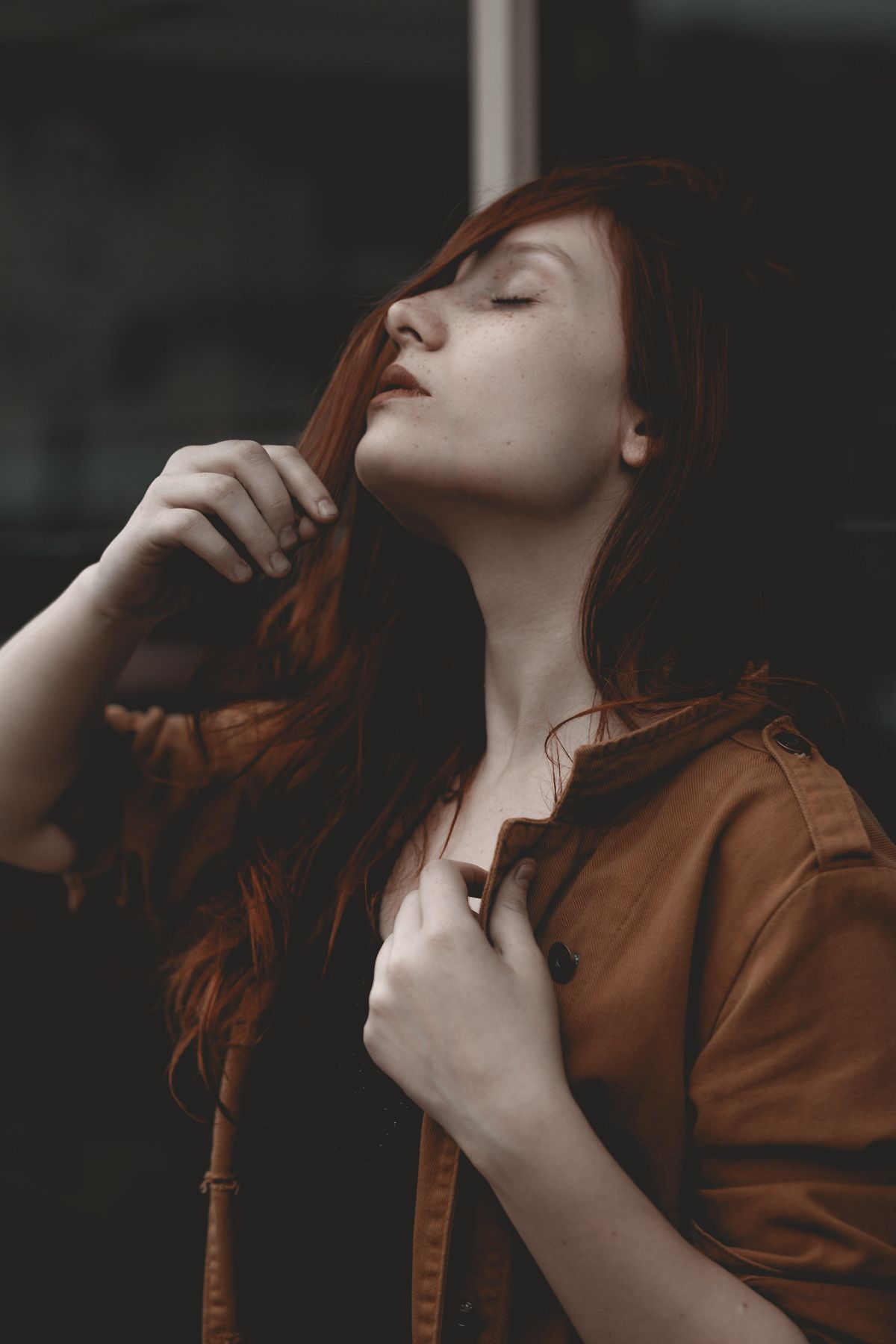
Auburn hair is one of the most captivating and naturally rich hair colors for women, sitting beautifully between red and brown tones. This unique blend creates a warm, dimensional shade that feels both vibrant and grounded. Unlike pure red hair, auburn is more balanced and wearable, while still offering that eye-catching warmth. It enhances natural beauty by adding depth, shine, and a soft glow to the overall appearance. Auburn hair has long been admired for its timeless elegance and subtle boldness, making it a favorite across cultures and fashion eras.
Not sure which shade suits you? Try our free Color Season Quiz.
Why Auburn Hair Stands Out Naturally
One of the most striking features of auburn hair is how naturally it stands out without looking artificial. Its red undertones catch light beautifully, creating a soft glow that changes throughout the day. In sunlight, the copper and red hues become more visible, while indoors the brown base gives a rich, grounded appearance. This natural shift makes auburn hair dynamic and visually interesting, ensuring it never looks flat or dull. It is a color that feels alive and constantly evolving with lighting and movement.
Suitability Across Different Skin Tones
Auburn hair is highly versatile when it comes to complementing different skin tones. On fair skin, it creates a soft, glowing contrast that enhances facial features and adds warmth. For medium and olive complexions, auburn blends seamlessly, bringing out a natural radiance. On deeper skin tones, richer auburn shades create a bold yet elegant effect that feels luxurious and refined. This adaptability makes auburn one of the most universally flattering hair colors when chosen in the right shade.
The Beauty of Auburn in Different Lighting
Auburn hair is especially beautiful because of how it interacts with light. In bright sunlight, the red and copper tones become more vibrant, giving the hair a glowing, fiery effect. Indoors or in softer lighting, the brown undertones dominate, creating a rich and sophisticated appearance. This dual personality makes auburn hair incredibly dynamic. It never looks the same twice, which adds depth and charm to the overall style.
Styling Versatility of Auburn Hair
Auburn hair works beautifully with a wide range of hairstyles. Soft waves enhance its warm tones and create a romantic, effortless look. Straight styles highlight its shine and smooth texture, giving a polished finish. Curly hairstyles add volume and make the red undertones more dynamic and vibrant. Braided styles reveal the depth of the color, showcasing subtle variations within the strands. This versatility makes auburn perfect for both casual and formal looks.

Seasonal Beauty of Auburn Hair
Auburn hair is a year-round favorite because it adapts beautifully to every season. In autumn, it blends perfectly with warm, earthy colors, enhancing cozy seasonal aesthetics. During summer, sunlight intensifies its copper tones, giving a radiant beachy glow. In winter, auburn adds warmth and richness to darker outfits, creating elegant contrast. In spring, it feels fresh and natural, complementing light and airy styles. This seasonal flexibility keeps auburn stylish throughout the year.
Maintenance and Hair Care Tips
Maintaining auburn hair requires proper care to preserve its vibrancy. Color-safe, sulfate-free shampoos help prevent fading and maintain richness. Deep conditioning treatments keep the hair hydrated and smooth, especially since red tones can sometimes fade faster than others. Gloss treatments help refresh the color and enhance shine between salon visits. Protecting hair from heat styling and sun exposure also ensures the shade stays bold and beautiful for longer.
Confidence and Personality Expression
Choosing auburn hair often reflects confidence, creativity, and individuality. Its warm, rich tones naturally draw attention while still feeling elegant and wearable. Many women find that this color enhances their personality and boosts self-confidence. It is bold without being overwhelming, making it ideal for those who want a noticeable yet refined transformation. Auburn hair represents a balance of strength and softness, making it a powerful style choice.
Final Thoughts
Auburn hair is one of the most beautiful and versatile hair colors for women, offering a perfect blend of red warmth and brown depth. Its ability to suit different skin tones, adapt to all seasons, and shine in various lighting conditions makes it a timeless choice. With proper care, auburn remains vibrant, glossy, and full of life. For women seeking a natural yet striking transformation, auburn hair is a truly elegant and unforgettable option.
Ways to Wear Auburn Hair
Auburn on Short Hair
On a bob or lob, auburn reads as especially vibrant and warm, since the shorter length reflects light evenly across the whole head. It’s a particularly striking pairing for anyone with fair to medium skin, echoing a natural, sun-warmed look rather than an obviously artificial color.
Auburn Balayage
A balayage approach blends auburn tones into a darker natural base, often starting deeper at the root and warming into copper-red strands toward the mid-lengths and ends. This variation requires less frequent maintenance than an all-over color, since the graduated technique grows out gracefully without an obvious root line.

Auburn on Long Hair
On longer hair, auburn shows more tonal variation from root to end, particularly where the ends have naturally warmed from sun exposure over time. Many people let a bit of natural depth show at the root rather than maintaining a completely uniform color, which reads as more effortless and less obviously salon-processed.

Deep Auburn vs. Bright Copper Auburn
Auburn spans a range from a deep, brownish red-brown to a brighter, more copper-forward version that leans closer to true red. Choosing where to land on this spectrum depends on how much boldness you want and how your skin tone responds to warmer versus cooler red tones — worth testing with a colorist using specific reference photos before committing to a full application.
Who Auburn Hair Suits
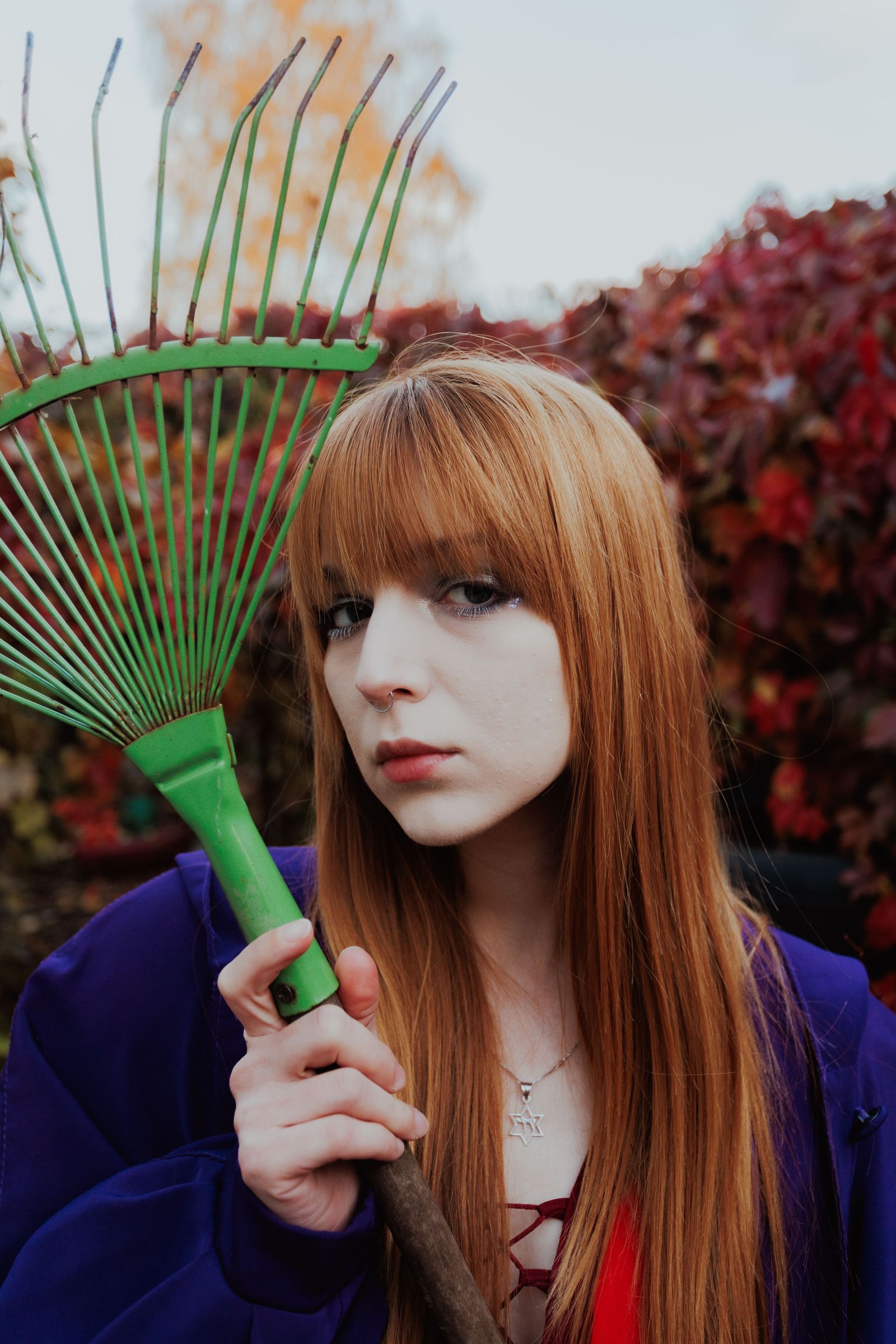
Auburn tends to flatter fair to medium skin tones especially well, particularly those with warm or peachy undertones, since the color echoes rather than contrasts against the skin’s own warmth. Green and hazel eyes are frequently mentioned as a particularly striking pairing with auburn, since the warm hair tone makes lighter eye colors appear even more vivid by contrast.
How to Achieve Auburn Hair
Natural blondes and light brunettes typically have the easiest path to auburn, often needing only a demi-permanent or permanent formula with warm red-brown pigments layered over their existing base. Darker brunettes may need a touch of lightening first to allow the red tones to show through clearly rather than simply deepening the existing dark color without much visible change.
Because auburn ranges so widely between deep and bright, bringing very specific reference photos showing exactly how warm or how deep you want helps a colorist avoid a result that skews too plain brown or too orange.
Maintaining Auburn Hair
Like other red-based colors, auburn fades faster than purely brown or blonde shades, since red pigment molecules wash out more quickly. A color-safe, sulfate-free shampoo formulated for red or color-treated hair helps slow this fading considerably. A color-depositing conditioner or gloss used every couple of weeks between salon visits keeps the warmth looking fresh rather than gradually fading toward a duller, more muted brown.
Common Mistakes to Avoid
Using a purple shampoo intended for cool blondes is a common mistake with auburn, since purple toner can cancel out the warm red tones, leaving the color looking muddy rather than vibrant. Skipping regular gloss refreshes is another frequent issue, since auburn fades toward a duller color faster than most other shades if left unmaintained. Choosing a colorist without specific experience formulating red tones can also lead to results that skew too orange or too brown.
Frequently Asked Questions
Does auburn work on naturally dark hair?
It’s achievable, though a colorist may need to lighten the hair somewhat first to let the red-brown tones show clearly rather than being obscured by very dark natural pigment.
How often does auburn need a touch-up?
Root touch-ups are typically needed every four to six weeks, with a toning gloss recommended every two to three weeks.
Is auburn the same as red hair?
Not quite — auburn is a red-brown blend, generally more muted and brunette-leaning than a pure, vivid red.
Will auburn suit tan or olive skin?
Yes, particularly deeper, less bright versions of auburn, which tend to complement warmer, olive undertones especially well.
Final Thoughts
Auburn remains one of the most consistently flattering warm hair colors precisely because of its range — from a subtle, brunette-adjacent depth to a brighter, more copper-forward statement. For anyone drawn to warmth without committing to a full red, it offers a striking, versatile middle ground.
Auburn vs. Other Warm Shades
Compared to strawberry blonde, auburn sits considerably deeper and more brunette-leaning, while strawberry blonde stays lighter and more pastel in comparison. Compared to a true copper, auburn carries more brown depth and less pure orange saturation, reading as more sophisticated and less overtly bold. Compared to cherry cola, auburn leans more orange-red rather than cherry cola’s cooler, more purple-red undertone.
Auburn for Different Hair Textures
On straight hair, auburn shows as a smooth, even wash of warm color. On wavy or curly hair, the tone appears more dimensional, since each bend and coil catches and releases light differently, creating natural-looking depth variation that particularly suits this shade’s warm complexity.
Transitioning to Auburn
Coming from a significantly darker natural color, reaching a bright auburn is usually a multi-step process, since safely lightening dark hair to allow red-brown tones to show clearly takes time and careful attention to hair health. Coming from a previous red or copper color is often more straightforward, since much of the underlying warm pigment is already present.
At-Home Care Between Salon Visits
A root touch-up kit matched specifically to your auburn formula extends time between full salon visits. Color-depositing masks used weekly help refresh vibrancy and keep the color from fading toward a flatter, less dimensional brown between more permanent color services.
Auburn Through the Seasons
This shade tends to look especially vibrant in warmer months, when natural sunlight brings out its golden-red undertones. In colder months, a slightly deeper formulation can keep the color from looking washed out against paler winter skin and darker seasonal wardrobes.
Cost Considerations
Because auburn often requires a custom-mixed formula and fades faster than a simple brown, it typically represents a more ongoing investment. Budgeting for a gloss or toning appointment every three to four weeks, alongside full root touch-ups every six to eight weeks, gives a realistic sense of total maintenance cost.
Auburn and Freckles
Much like strawberry blonde, auburn has a natural association with freckled, fair complexions, which makes the combination read as especially cohesive even when achieved artificially. For anyone with freckles, auburn tends to enhance rather than compete with them.
Is Auburn Right for You?
If you’re drawn to warmth with a bit more depth than strawberry blonde offers, auburn is worth serious consideration. Bring reference photos showing the exact balance of red and brown you want, discuss your hair’s current condition honestly with your colorist, and commit to the gloss maintenance that keeps auburn looking vibrant rather than gradually fading.
Auburn and Eyebrow Color
Since natural brows are often darker than a new auburn shade, many people choose to warm or lighten their brows slightly to match, particularly for a more dramatic transition from a cooler or darker base color. A subtle brow tint that leans warmer usually looks more cohesive than leaving cool-toned brows untouched against warm auburn hair.
Auburn on Natural Grey Hair
For those covering natural grey, auburn offers good coverage, since its warm red-brown pigment tends to blend grey strands more seamlessly than a flat, cool brown would. The warmth also helps soften the regrowth line between touch-up appointments compared to a stark, single-tone color.
Choosing a Colorist for Auburn
Because auburn requires balancing red and brown pigment precisely, it’s worth choosing a colorist who can show previous examples of auburn results specifically, rather than assuming general coloring experience translates directly. Portfolio photos on hair similar to your own starting color and texture are one of the most reliable ways to gauge whether a colorist will deliver the tone you’re picturing.
Auburn and Hair Health
Because auburn often involves depositing pigment rather than aggressive lightening, it tends to be gentler on hair health than very light blonde services, though the color still benefits from regular deep conditioning. A weekly hydrating mask and leave-in treatment help maintain the glossy shine that makes auburn look genuinely rich rather than flat.
Auburn Makeup Coordination
Warm hair colors like auburn tend to pair especially well with terracotta or brick-toned lip colors and warm bronze eyeshadow, since these tones echo the hair’s own richness. Cooler makeup tones can still work but sometimes benefit from a touch of warmth added elsewhere to keep the overall look cohesive.
A Note on Patch Tests
As with any permanent or semi-permanent red-based color, a patch test 48 hours before a full application is worth doing if you’ve never had this type of color before, since reactions to certain dye compounds, while uncommon, can occur. A reputable salon typically offers this as standard practice for first-time color clients.
Bringing It All Together
Whether you land on a deep, brunette-adjacent auburn or a brighter, more copper-forward version, the fundamentals stay the same: a colorist experienced with red tones, consistent maintenance with color-safe products, and realistic expectations about how quickly warm colors fade without upkeep. Approached that way, auburn remains one of the more dependable warm color choices, flattering a wide range of skin tones while still feeling distinctly different from standard blonde or brunette.
Start with a consultation rather than jumping straight into a color appointment if you’re unsure — a good colorist will assess your current hair condition, discuss a realistic timeline if any lightening is needed, and help you settle on the exact warmth and depth that suits both your skin tone and your comfort with ongoing maintenance, rather than defaulting to the boldest version available.