
The Shag Haircut: Effortless, Edgy & Full of Texture
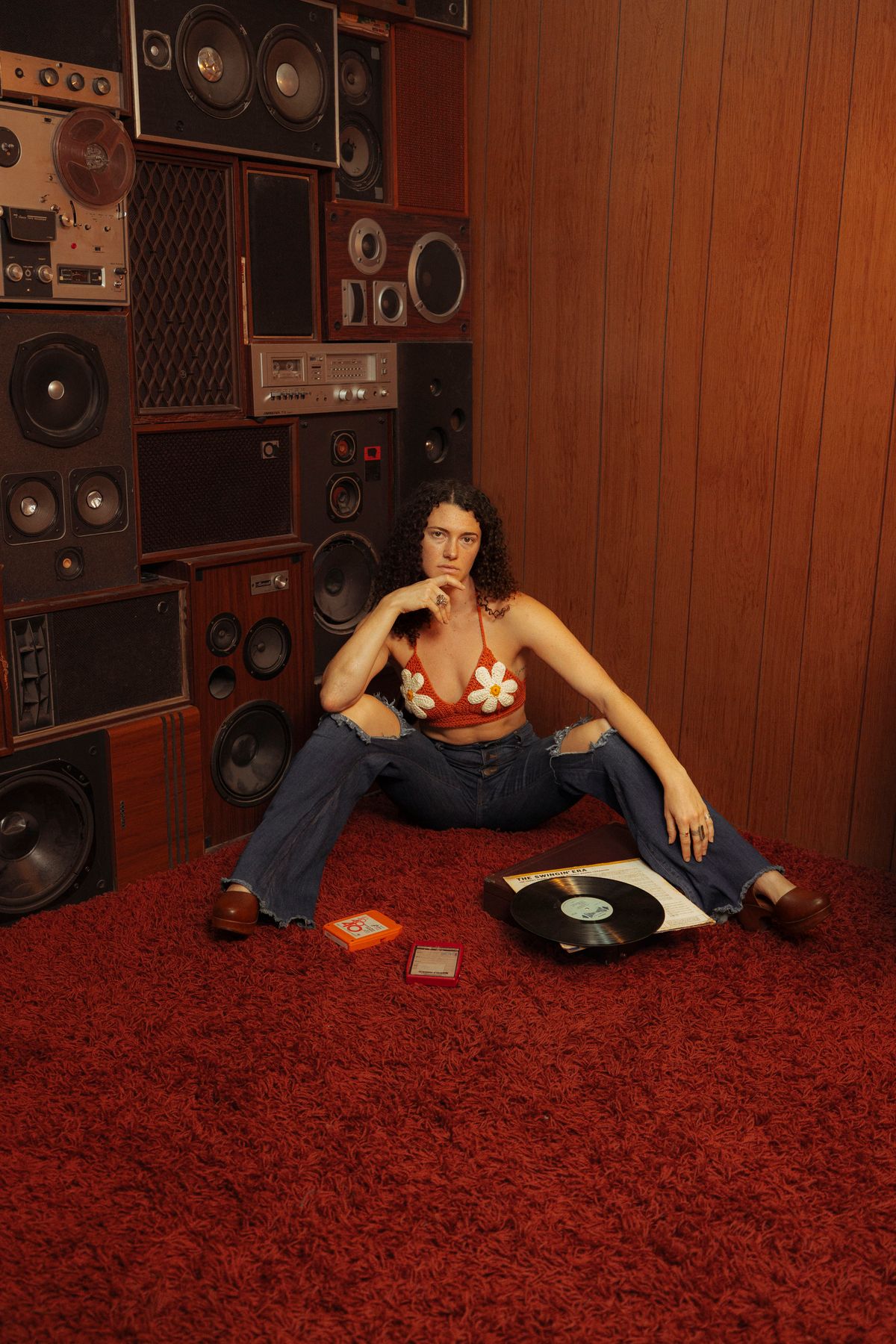
The shag haircut is one of the most iconic and effortlessly stylish hairstyles for women. Known for its choppy layers, natural texture, and slightly messy finish, this haircut creates a bold yet relaxed look. Originally popular in the 1970s, the shag has made a powerful comeback in modern fashion with a softer, more wearable twist. It is perfect for women who want a hairstyle that looks cool, confident, and full of personality without requiring too much effort.
Not sure which cut suits you? Try our free Face Shape Finder.
✨ Signature Layers That Define the Shag
What makes the shag haircut truly unique is its layered structure. The layers are cut at different lengths throughout the hair, creating a textured and slightly tousled appearance. Unlike traditional layers that aim for smooth blending, shag layers are intentionally uneven to add movement and depth. This gives the hair a carefree, lived-in look that feels both stylish and natural.
💨 Volume and Texture for a Lively Look
The shag haircut is perfect for adding volume and texture, especially at the crown. The layered design lifts the hair, making it appear fuller and more dynamic. Whether your hair is naturally straight or wavy, the shag enhances its texture and gives it a lively, bouncy feel. This makes it an excellent choice for women who want to avoid flat or lifeless hairstyles.
💁♀️ Perfect with Bangs
Bangs are often a key feature of the shag haircut. Curtain bangs or wispy fringes blend beautifully with the layers, framing the face and adding softness to the overall look. These bangs can be styled in different ways—swept to the side, parted in the middle, or left natural—making the hairstyle even more versatile and customizable.
🌿 Works for Different Hair Types
One of the biggest advantages of the shag haircut is its adaptability to different hair types. For straight hair, it adds much-needed texture and dimension. For wavy or curly hair, it enhances natural movement and reduces heaviness. Women with thick hair benefit from the removal of excess bulk, while those with fine hair enjoy the illusion of added volume.
🎀 Low-Maintenance and Easy Styling
The shag haircut is ideal for women who prefer low-maintenance hairstyles. It does not require perfect styling to look good—in fact, the slightly messy finish is part of its charm. A simple air-dry or quick tousle with your fingers can create a stylish, effortless look. This makes it perfect for busy lifestyles or those who enjoy a more relaxed beauty routine.
🌟 Styling Options for Every Occasion
Despite its casual vibe, the shag haircut can be styled in many different ways. You can enhance its texture with soft curls for a romantic look or keep it natural for a laid-back feel. It can also be tied into a ponytail or half-up style while still maintaining volume and character. This versatility makes it suitable for both everyday wear and special occasions.
💖 A Modern Take on a Retro Classic
The shag haircut beautifully blends retro inspiration with modern trends. While it maintains its classic layered structure, today’s version is softer, more refined, and highly customizable. It has become a favorite among celebrities and influencers, making it one of the most fashionable hairstyles in recent years.
💇♀️ Conclusion: Bold, Stylish & Effortlessly Cool
The shag haircut is more than just a hairstyle—it is a statement of individuality and effortless style. With its textured layers, natural volume, and relaxed finish, it offers a perfect balance between edgy and elegant. Whether you prefer a soft and feminine version or a bold, rock-inspired look, the shag haircut adapts to your personality with ease. It is a timeless choice that continues to evolve while staying true to its iconic roots. 💇♀️✨
Shag Variations by Length
The shag haircut adapts dramatically depending on how much length is kept, and each version creates a noticeably different vibe while keeping the same layered foundation.
Short Shag
A short shag, typically landing around the chin or just below the ears, maximizes texture and volume since there’s less weight pulling the layers down. This version tends to look the most retro of the three, closely echoing the 1970s originals the style is based on, and it works especially well for anyone who wants a dramatic change with minimal ongoing length to manage.
Medium Shag
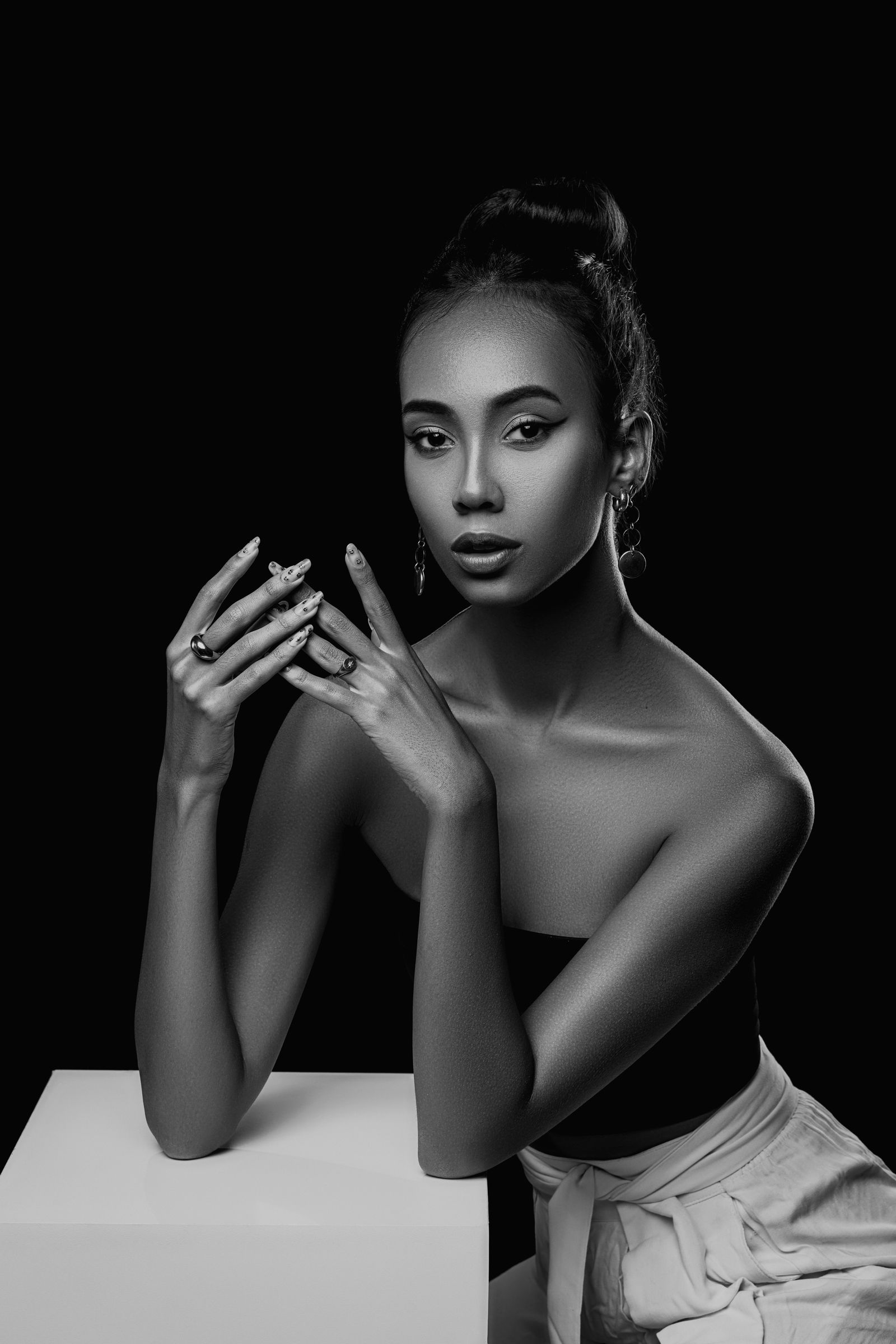
Landing around the shoulders, a medium shag is the most commonly requested version, since it balances noticeable texture with enough length for versatile styling — half-up looks, loose waves, or a simple air-dry all work well at this length. It’s often considered the most “wearable” version for anyone transitioning from a longer, less textured cut.
Long Shag
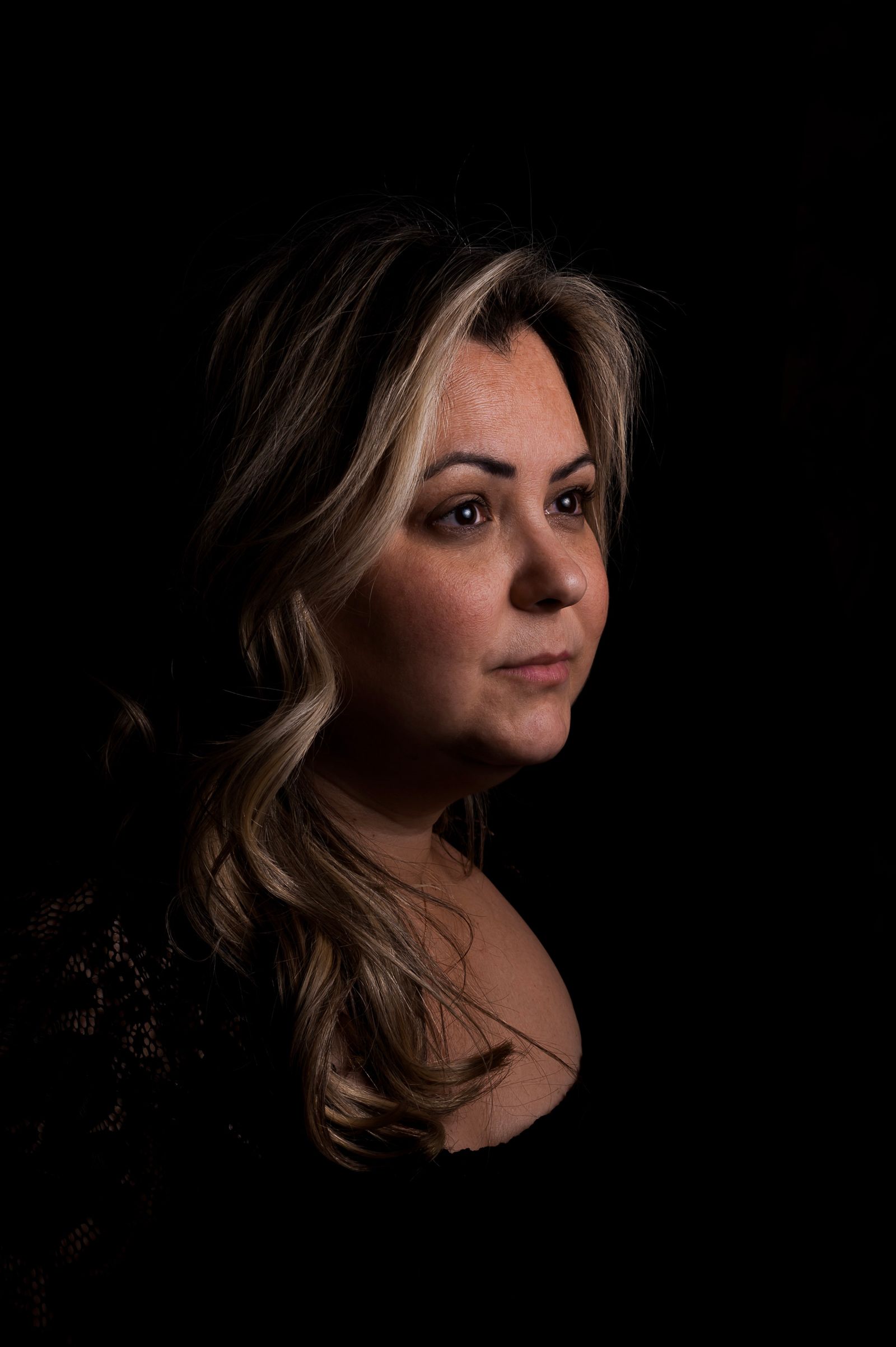
A long shag keeps length past the shoulders while still applying heavy layering throughout, particularly around the crown and face-framing sections. This version requires the most patience to style into its full textured shape, since longer hair naturally wants to fall straighter, but it offers the most flexibility for switching between a soft, romantic look and a bolder, more disheveled one.
Who the Shag Haircut Suits
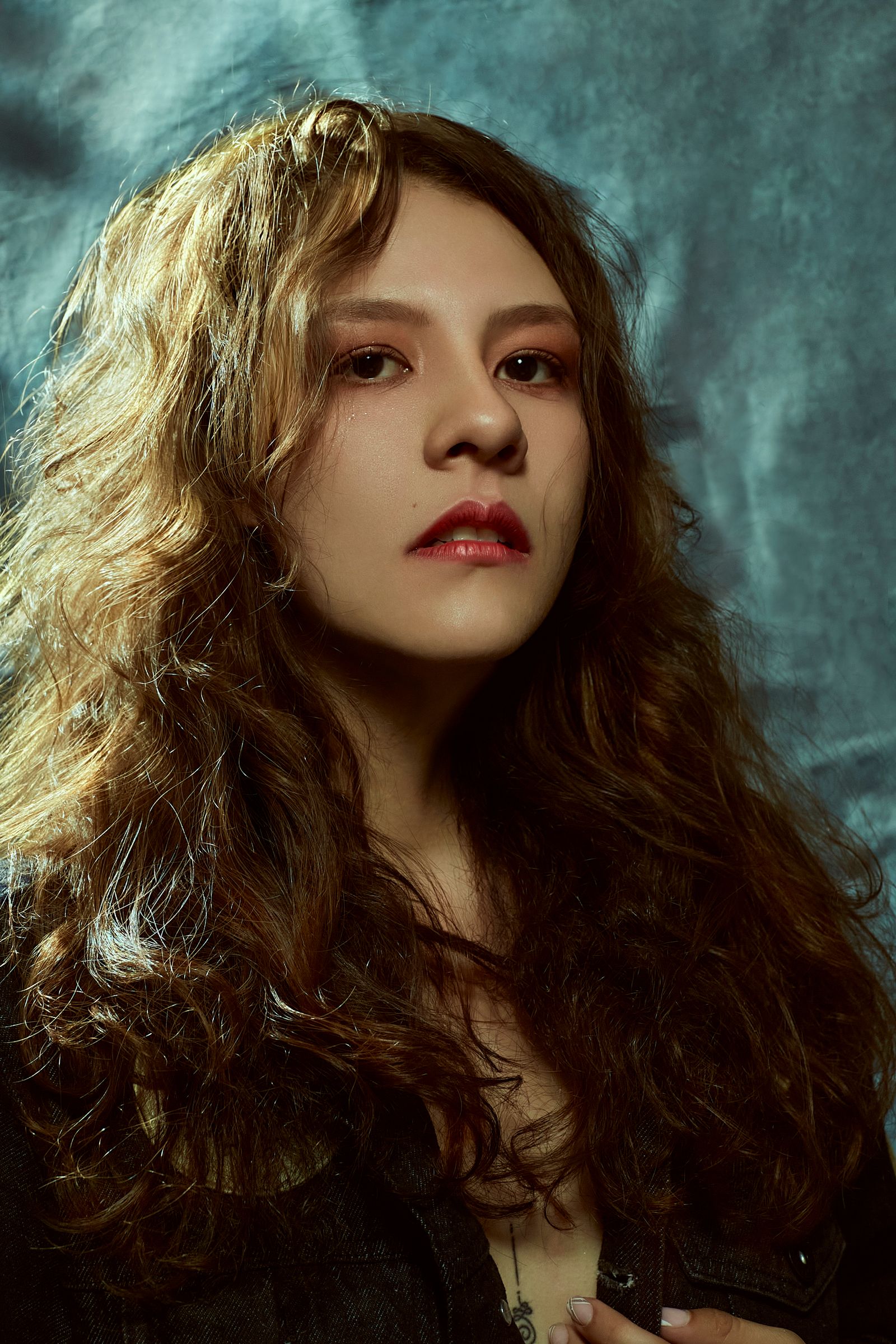
The shag is one of the more universally flattering layered cuts because the layering itself can be adjusted to soften or enhance a wide range of face shapes. Round faces benefit from added height and face-framing layers that draw the eye downward and elongate the overall shape. Square or angular faces look softer with wispy, uneven ends that break up strong lines around the jaw. Long or narrow faces can actually gain the appearance of width through heavier layering at the sides.
Hair type matters too. Wavy and curly hair tend to show off shag layering most dramatically, since the natural texture amplifies the separation between layers. Straight hair can still wear a shag beautifully, but often needs a bit of styling — a texturizing spray or loose curl — to bring out the same dimension that wavy hair shows naturally.
How to Style a Shag Day to Day
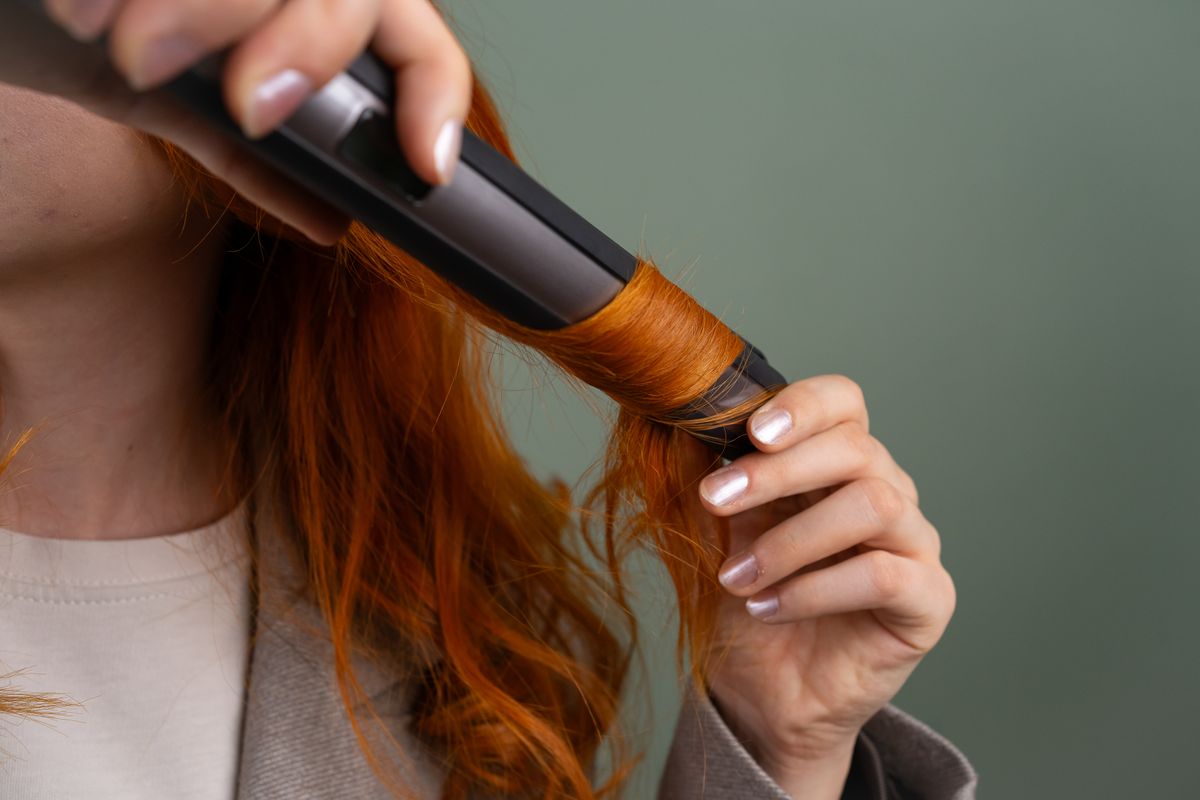
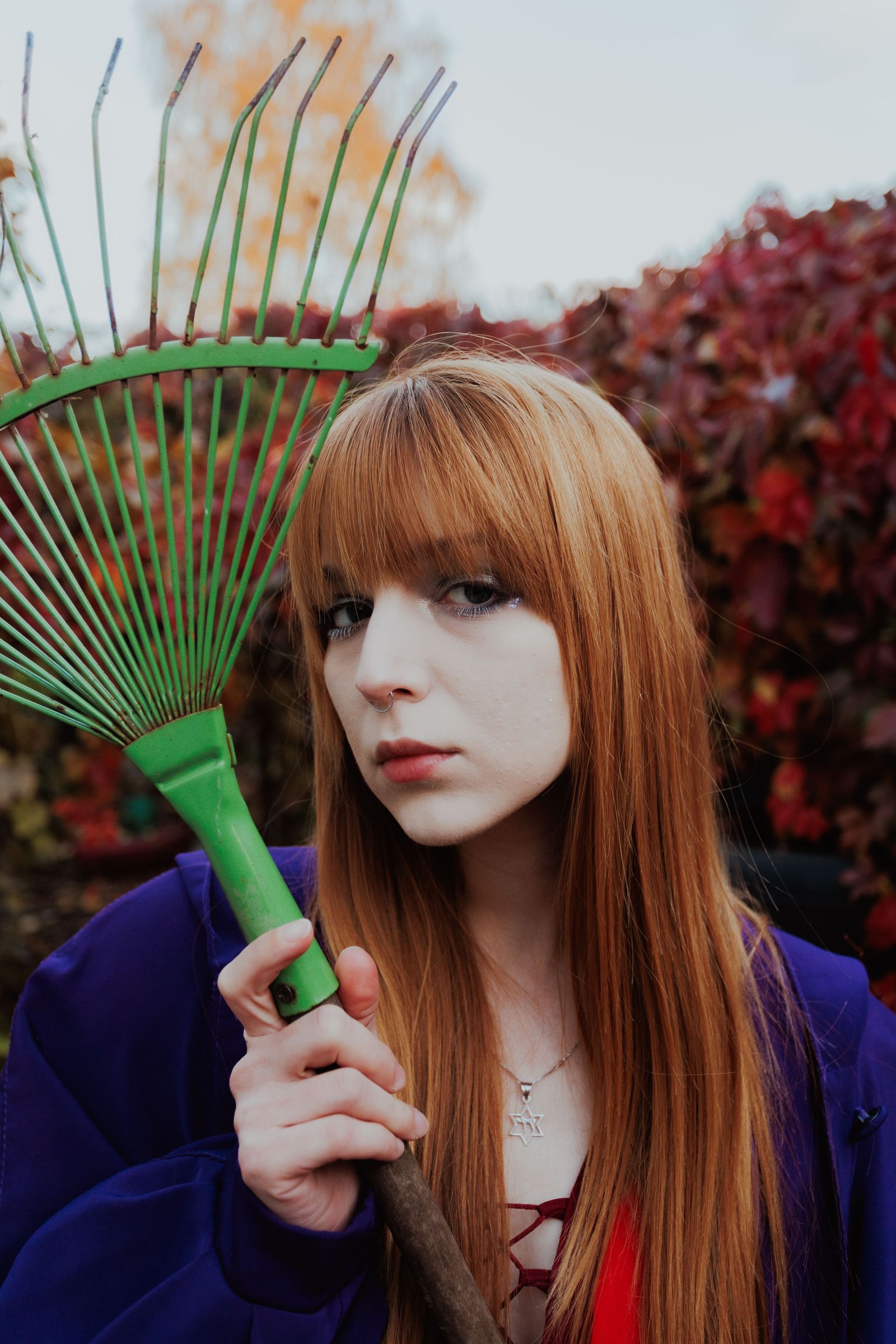
Texture is the whole point of a shag, so styling routines built around adding texture rather than smoothing it out tend to work best. A sea salt or texturizing spray applied to damp hair before air-drying enhances natural movement without extra heat styling. For a bit more definition, a curling wand used on alternating sections — curling some pieces away from the face and leaving others straight — mimics the intentionally imperfect layering the cut is known for.
Dry shampoo is a genuine styling tool for a shag, not just a wash-day extender — it adds grip and texture to hair that’s too clean and slippery to hold shape well. Many people find their shag actually looks better on day two or three than immediately after washing, for exactly this reason.
Shag Maintenance and Trim Schedule
A shag needs more frequent trims than a single-length cut to keep the layering crisp — roughly every eight to ten weeks for most versions, though a longer shag can sometimes stretch to twelve weeks since the layering is less concentrated at any one length. Skipping trims doesn’t ruin the style outright, but the texture gradually softens into something closer to simple long layers, losing the more dramatic, choppy character that defines a true shag.
Shag vs. Wolf Cut vs. Mullet
All three cuts rely on heavy layering, which leads to frequent confusion between them. The shag applies layering evenly throughout the head for a consistently textured silhouette. The wolf cut concentrates more volume specifically at the crown for a bolder, more voluminous top section. The mullet creates a sharp contrast between short front sections and significantly longer back sections. If you’re unsure which to ask for, describing the amount of length contrast you want — subtle and even versus dramatic and concentrated — helps a stylist steer you toward the right one.
Frequently Asked Questions
Does a shag work well on thin hair?
Yes — the layering removes the appearance of flat, sparse ends and adds the illusion of fuller volume, particularly at the crown.
Can a shag be grown out easily?
It grows out more gracefully than many layered cuts since the layers blend together gradually, though the choppy texture will soften over time without trims.
Is a shag high-maintenance to style daily?
Not typically — many people simply air-dry with a texturizing product, since a slightly undone finish is part of the intended look rather than something to avoid.
What bangs pair best with a shag?
Curtain bangs are the most common pairing, since they blend directly into the face-framing layers already built into the cut, but wispy micro-bangs also work well for a bolder, more retro finish.
Final Thoughts
The shag has outlasted most haircut trends precisely because it isn’t tied to one specific length or face shape — it’s a layering philosophy that can be adapted to short, medium, or long hair, straight or curly texture, with or without bangs. Bringing reference photos that match your own hair length and texture, rather than a single length you’re unfamiliar styling, is the simplest way to leave the salon with a version that actually works day to day rather than one that only looks right freshly styled.
Products That Work Best for a Shag
A lightweight sea salt spray remains the single most useful product for a shag, since it builds texture without the heaviness that thicker styling creams can add. A texturizing powder or clay worked only into the roots can boost volume at the crown specifically, which is often where a shag needs the most lift to keep its shape from falling flat by midday.
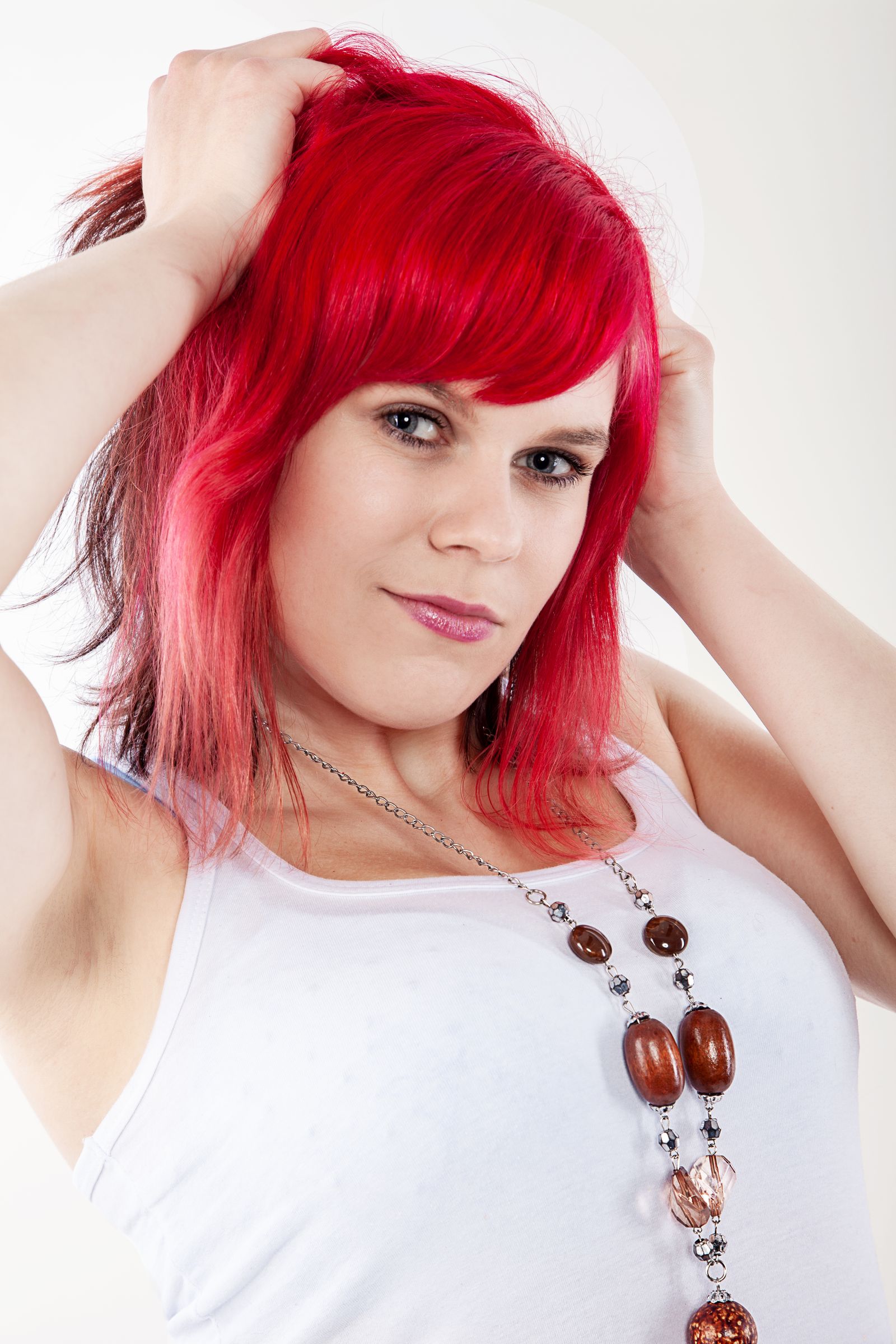
For anyone who blow-dries, a diffuser attachment on a low setting helps preserve natural texture rather than smoothing it away, which matters since a fully smooth shag loses much of what makes the cut recognizable. A small amount of finishing oil on just the ends can tame frizz without weighing down the volume built through the rest of the style.
The History Behind the Shag’s Comeback
The shag first became popular in the 1970s through musicians and actresses who wanted a hairstyle that photographed well on stage and on camera without requiring constant touch-ups between takes or sets. Its recent resurgence follows a similar pattern, driven largely by short-form video where texture and movement read clearly on camera in a way that a sleek, flat style often doesn’t. The modern version tends to be softer and less exaggerated than its 1970s predecessor, with more attention paid to face-framing layers than the original’s more uniform, all-over choppiness.
Common Mistakes When Getting a Shag
The most frequent mistake is going to a stylist without shag-specific experience and ending up with layers that are too uniform, producing a softer, less distinctly textured result than intended. Another is over-styling with heat tools daily, which can leave the ends looking frizzy and damaged rather than intentionally tousled — the difference between a good shag and a bad one often comes down to healthy-looking ends versus visibly fried ones. Skipping trims for too long is a third common issue, since the layering softens into simple long layers as it grows out, losing the shag’s signature choppy character.
Coloring a Shag Haircut
Color choices interact strongly with shag layering, since highlights or lowlights placed strategically through the layers make the texture read more clearly, especially from a distance or in photos. Face-framing balayage is a particularly common pairing, since it brightens exactly the layers that fall around the face and adds dimension without requiring a full-head color service. Solid, single-process color can still work well on a shag, but the layering itself has to do more visual work without color contrast helping define each section.
For those with natural texture, letting some grey or lighter regrowth show at the root before a full color refresh can actually complement a shag’s intentionally undone aesthetic, whereas a more polished, uniform haircut usually shows regrowth more obviously and unflatteringly.
Cost and What to Expect at the Salon
A shag cut typically takes longer than a standard trim because of the sectioning required to build consistent, deliberate layering rather than a single overall length reduction. Expect roughly 45 minutes to just over an hour depending on your starting length and how dramatic the layering needs to be. Because it requires more technical skill than a basic one-length cut, some salons price it as a specialty service — it’s worth confirming pricing when booking rather than assuming it matches a standard haircut.
More Frequently Asked Questions
Is a shag the same as layers in general?
Not exactly — while a shag does use layering, the cut is defined by choppier, more uneven layer lengths than typical soft layering, producing more visible texture and separation.
Can a shag be worn straight for formal events?
Yes, though the layers will still create more movement and separation than a single-length style would, even when smoothed.
How much length is usually removed for a shag?
It varies by starting length and desired texture, but many people are surprised how little overall length is lost — the dramatic effect comes mostly from the layering pattern rather than aggressive shortening.
Will a shag work on hair that’s previously been color-damaged?
Generally yes, though a stylist may suggest a healthy trim first, since the cut’s texture draws attention to hair condition and won’t disguise split or damaged ends the way a blunt cut can.
Bringing reference photos that show hair similar in length, thickness, and texture to your own remains the single most useful thing you can do before a shag appointment, since the same layering pattern can look dramatically different depending on those starting conditions. A stylist experienced with shags will often adjust the specific angles and number of layers on the spot once they see your hair in person, rather than following a reference photo exactly, so treating the conversation as a starting point rather than a strict blueprint tends to produce the best results.
However you wear it — short and retro, long and romantic, or somewhere in between — the shag remains one of the few haircuts that genuinely looks better with a little imperfection, which is exactly why it continues to outlast far more rigid, symmetrical trends.
Shag Haircut for Different Hair Densities
Thick hair often benefits most dramatically from a shag, since heavy layering removes bulk that can otherwise make thick hair feel heavy and difficult to style. Thin or fine hair needs a more careful approach — too many aggressive layers can leave visible gaps or an overly wispy, sparse-looking result, so a stylist working with fine hair typically uses fewer, more strategically placed layers to build the appearance of volume rather than removing weight that isn’t there to begin with. Medium-density hair tends to be the most forgiving starting point, able to handle a wide range of layering intensity without looking either too thin or too heavy.
Describing your hair’s density honestly to a stylist, rather than only its length, helps them calibrate the cut correctly from the first snip.