
The Timeless Beauty of Long Layered Hair Style for Women

Long layered hair is one of the most popular and timeless hairstyles for women because it adds movement, softness, and natural beauty to long hair. Instead of keeping hair one-length and heavy, layers are cut at different lengths to create dimension and flow. This gives the hair a lighter, more voluminous appearance without losing its length.
Not sure which cut suits you? Try our free Face Shape Finder.
One of the biggest advantages of long layers is how effortlessly they fall. The hair moves naturally with every step, creating a soft and feminine look. It works well for both straight and wavy textures, making it a versatile choice for women of all ages.
💇♀️ 2. Face-Framing Layers for a Defined Look
Face-framing layers are designed to highlight and enhance facial features. These shorter front layers gently shape the face, drawing attention to the eyes, cheekbones, and jawline. This makes the hairstyle more flattering and personalized.
This style is especially popular because it softens strong facial features and adds balance. Whether you prefer a subtle or dramatic look, face-framing layers can be adjusted to suit different face shapes and personal styles.

🌊 3. Wavy Layered Hair for a Romantic Look
When long layered hair is styled with waves, it creates a romantic and effortless look. The layers enhance the movement of the waves, making the hair appear fuller and more dynamic. This is one of the most loved hairstyles for casual outings and special occasions.
Soft waves also highlight the different lengths of the layers, giving depth and texture. It’s a perfect balance between elegance and a relaxed, natural vibe, making it a go-to style for modern women.

💁♀️ 4. Straight Long Layers for a Sleek Finish
Straight long layered hair offers a polished and sophisticated appearance. The layers help prevent the hair from looking too heavy or flat, while still maintaining a smooth and sleek finish. This style is perfect for professional settings and formal occasions.
When straightened, the layers subtly catch light, adding dimension and shine. It creates a clean and modern look that emphasizes healthy, well-maintained hair.
🌟 5. Voluminous Layers for Thick Hair
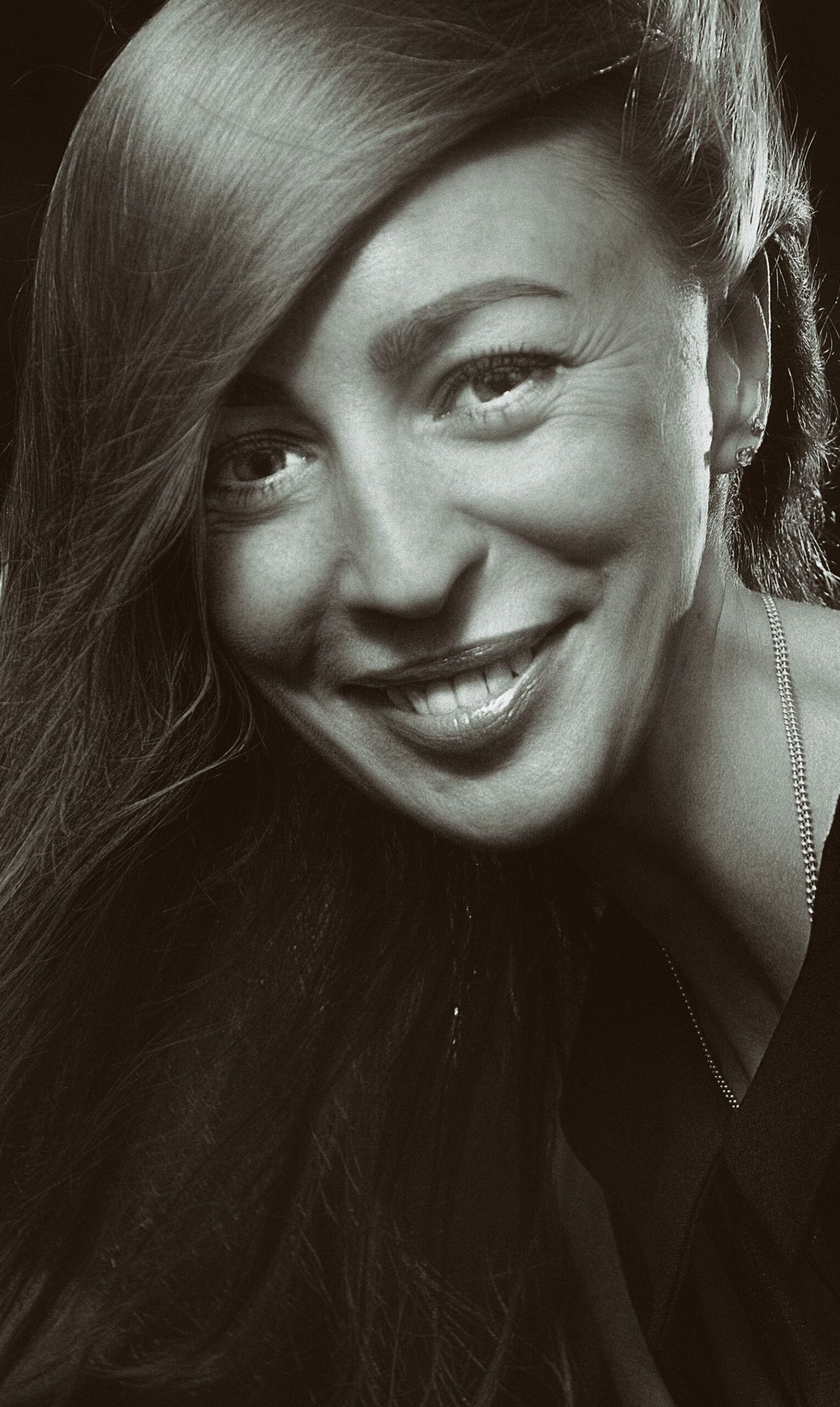
For women with thick hair, long layers are a perfect solution to reduce heaviness while maintaining volume. The layers remove excess bulk and create a lighter, more manageable shape without sacrificing fullness.
This style gives the hair bounce and movement, making it look more lively and stylish. It also helps distribute volume evenly, preventing the hair from looking too heavy at the bottom.
💫 6. Subtle Layers for a Natural Everyday Style
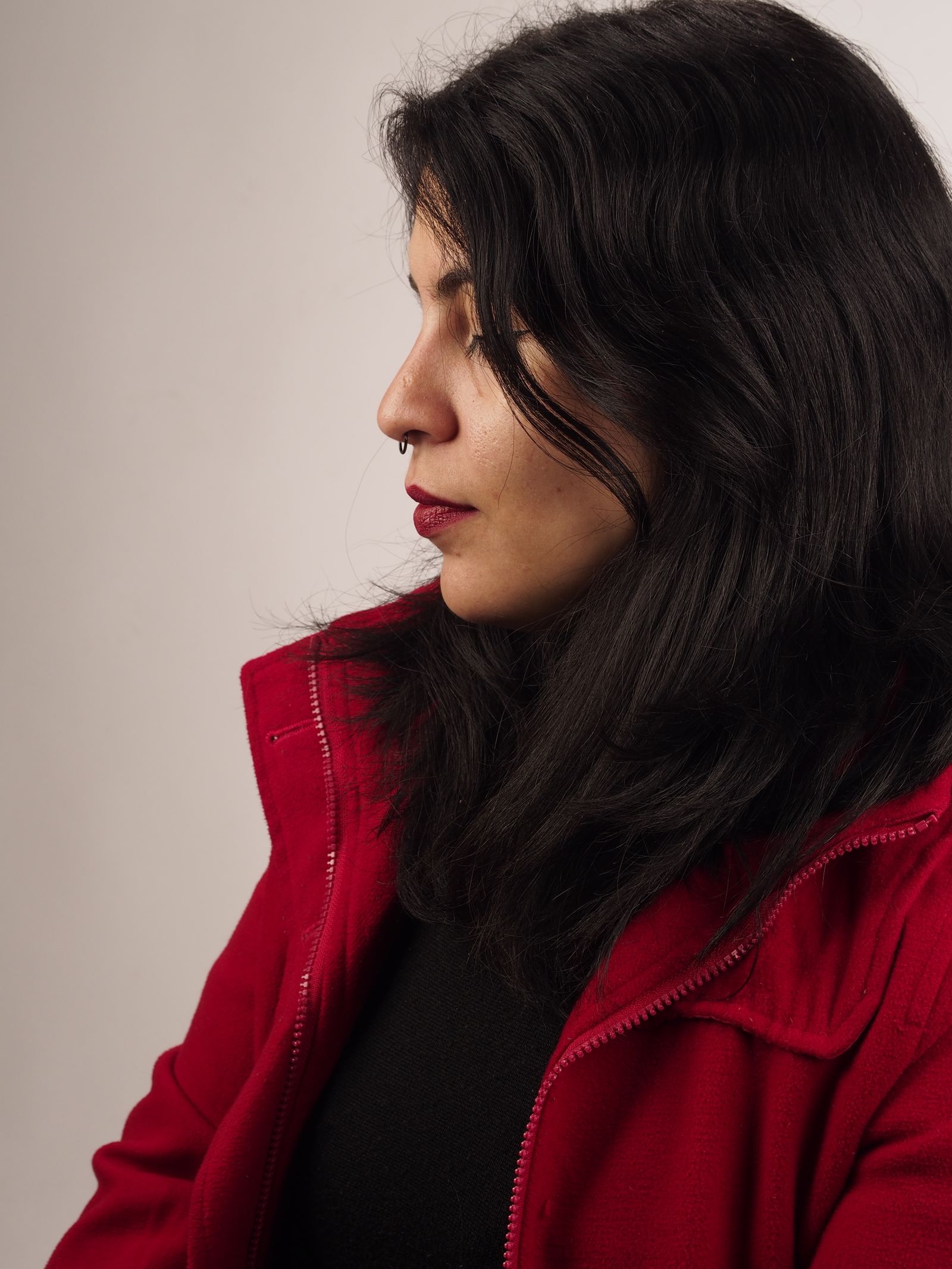
Not all layers need to be dramatic. Subtle layers offer a very natural and soft transition in hair length, making them perfect for everyday wear. This style enhances natural beauty without looking overly styled.
It is ideal for women who want low-maintenance hair that still looks fresh and healthy. The subtle layers add just enough movement to keep the hairstyle interesting and modern.
🎀 7. Styling Versatility of Long Layered Hair
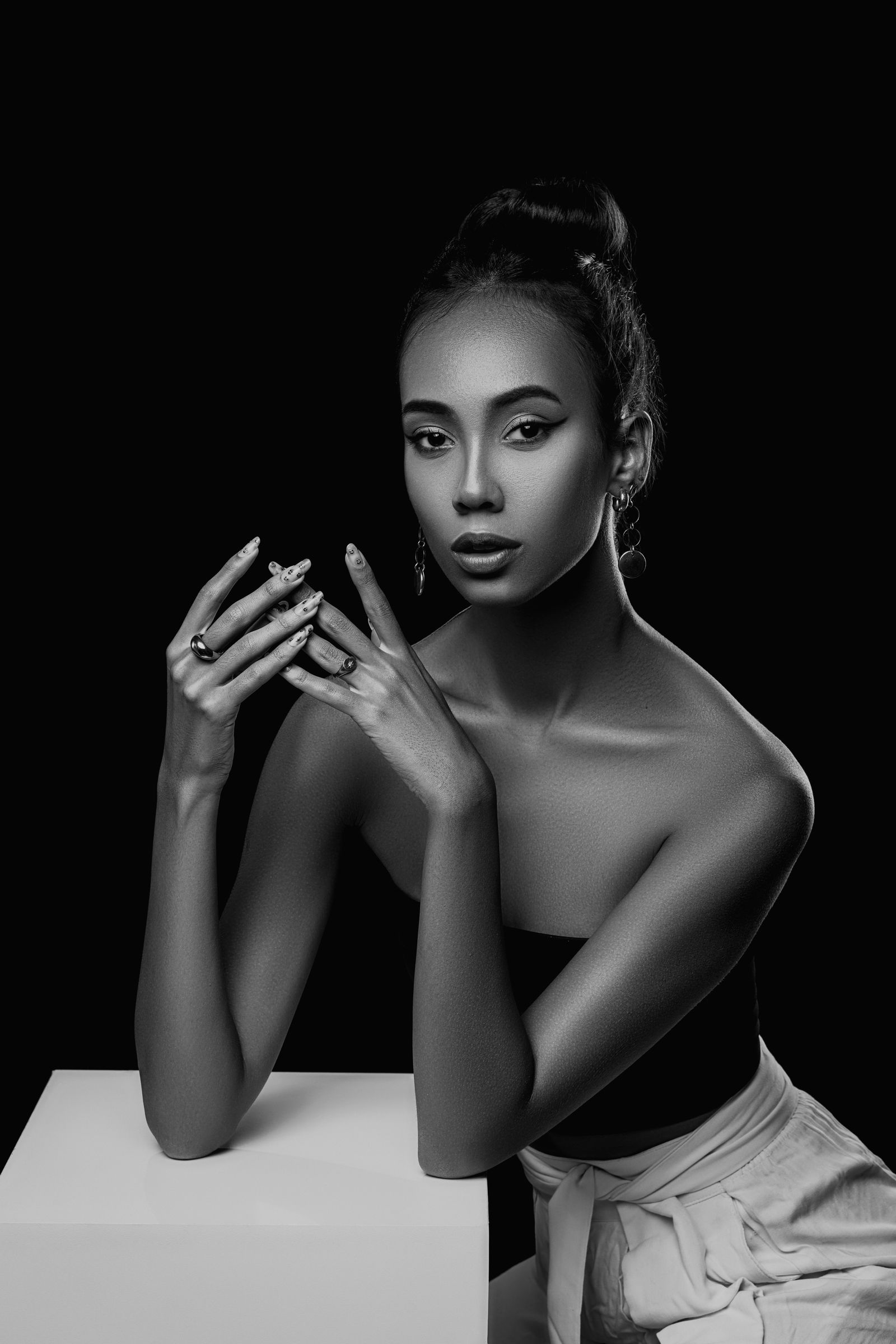
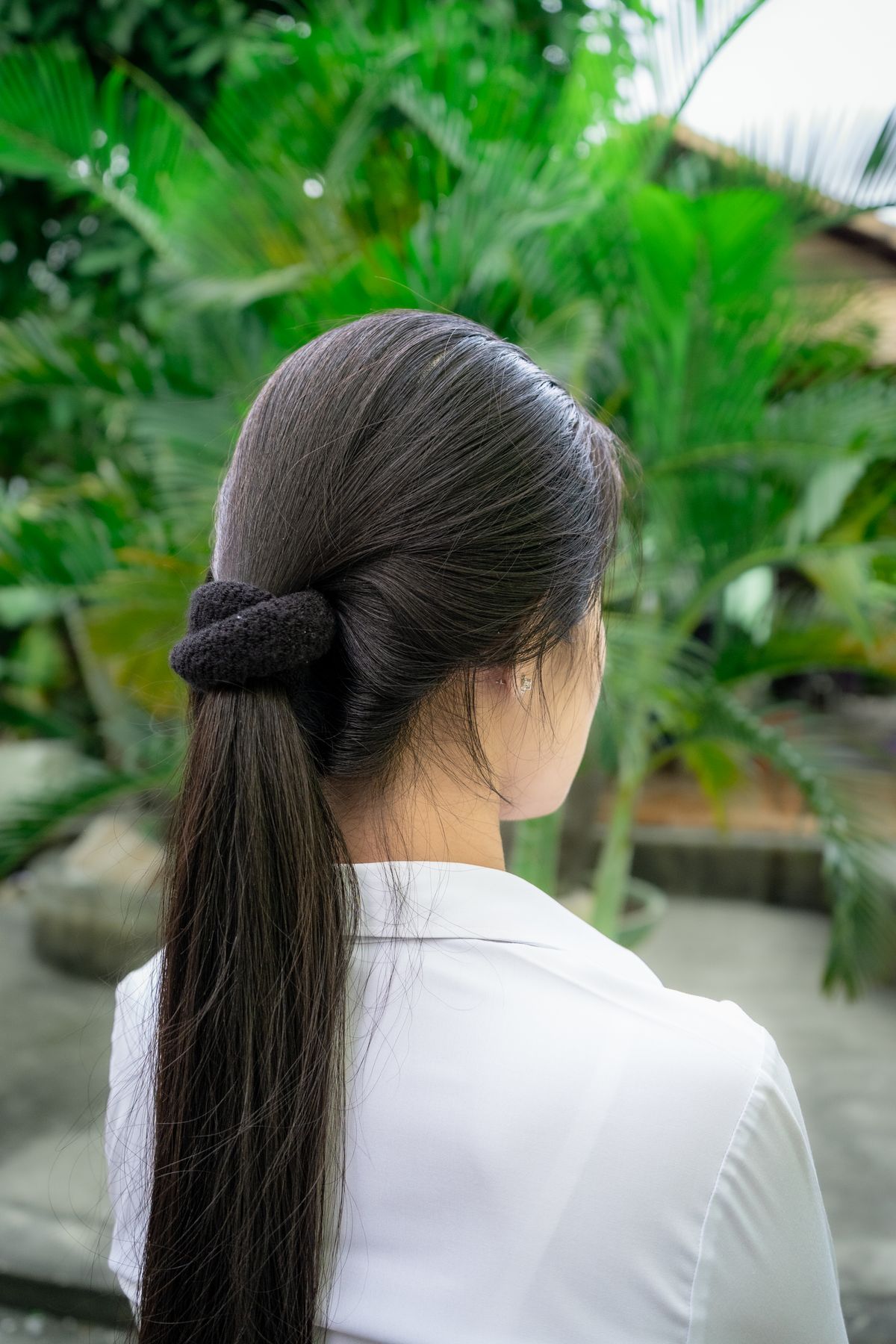
One of the biggest strengths of long layered hair is its versatility. It can be styled in countless ways including ponytails, buns, braids, and half-up styles. Layers help these hairstyles look more textured and voluminous.
Even simple styles like a ponytail look more stylish because layers add dimension and softness. This makes layered hair perfect for both casual days and special occasions.
🌺 8. Final Look and Beauty Impact
Long layered hair is more than just a hairstyle—it is a symbol of elegance, confidence, and timeless beauty. It enhances natural hair texture, frames the face beautifully, and adds movement that makes hair look alive and healthy.
Whether styled straight, wavy, or tied up, long layers always create a graceful and feminine appearance. This is why it remains one of the most loved hairstyles across generations.
🌟 Final Thoughts
Long layered hair continues to be a top choice for women because of its versatility, beauty, and low-maintenance elegance. It suits all hair types and face shapes while offering endless styling possibilities. With the right care and styling, it always delivers a soft, modern, and effortlessly beautiful look. 💇♀️✨
Who Long Layers Suit Best
Long layered hair is often called universally flattering, and the reason comes down to how customizable the layering itself is. Round faces benefit from layers that start around the chin and add length-giving movement near the jaw, while square faces look softer with face-framing pieces that curve inward rather than falling in a straight line. Oval faces can wear almost any layering pattern without much adjustment, and heart-shaped faces often look best with layers that add width near the jawline to balance a wider forehead.
Hair density plays just as large a role as face shape. Thick hair generally needs more aggressive layering to remove bulk and prevent the classic heavy, triangular silhouette that can develop when long, thick hair is left mostly one length. Fine hair needs a lighter touch, since too many aggressive layers can thin it out further rather than add the appearance of volume.
How to Style Long Layers for Different Occasions
For an everyday look, air-drying with a lightweight mousse or texturizing spray lets the layers fall naturally while still adding a bit of definition and movement. For a more polished, professional appearance, a round brush used while blow-drying can smooth the layers into a sleek, cohesive shape that still shows subtle dimension rather than looking completely flat.
For special occasions, loose curls or waves tend to show off long layers most dramatically, since the different lengths catch and hold curl differently, creating natural-looking texture rather than a uniform curl pattern throughout. Half-up styles are also particularly flattering on long layered hair, since the shorter face-framing layers stay down to soften the face while the rest is pulled back.
Maintenance and Trim Schedule
Long layered hair generally needs a trim every eight to twelve weeks to keep the shortest layers from growing out and blending too much into the rest of the length, which would gradually soften the intended shape. Because there’s more overall length to care for than in a shorter cut, regular deep conditioning and occasional protein treatments become more important too, particularly at the ends of the shortest layers, which tend to be the oldest and most processed hair on the head if the style has been maintained for a long time.
Best Products for Long Layered Hair
A lightweight leave-in conditioner helps manage the increased surface area that comes with more layers, since each layer’s ends need their own moisture rather than relying on natural oils that mostly reach the bottom of one-length hair. A volumizing spray applied at the roots keeps thick, long layered hair from looking weighed down, while a smoothing serum on just the ends controls flyaways without making the whole style look greasy or flat.
Heat protectant is worth using consistently on long layered hair specifically, since the shorter top layers are often styled with more direct heat exposure than the rest of the length, given how frequently they’re touched up throughout the day.
Long Layers and Bangs
Adding bangs to long layered hair is one of the most popular ways to customize the style further. Curtain bangs blend seamlessly into face-framing layers that are already part of the cut, extending the softening effect around the whole face rather than introducing a separate, distinct section. A full, blunt fringe creates more contrast against the flowing length behind it, offering a bolder, more graphic look for anyone who wants their bangs to stand out rather than blend in.
Common Mistakes With Long Layered Cuts
Going too short on the top layers is one of the most frequent regrets, since it can be difficult to predict exactly how dramatic the layering will look until it’s already cut and styled — starting with more conservative, longer layers and having a stylist remove more at a follow-up appointment is generally safer than requesting the most dramatic version outright. Skipping regular trims is another common issue, since the ends of the shortest layers show damage and split ends faster than most people expect, given how frequently they’re exposed to brushing, styling, and heat.
Frequently Asked Questions
Do long layers work on curly hair?
Yes, though curl shrinkage should be factored in, since layers on curly hair often appear shorter once fully dry than they would on straight hair of the same cut length.
How much length is typically lost when adding layers?
Usually very little overall length is removed — most of the layering happens internally, with the outermost length staying close to its original length while shorter sections are added throughout.
Can long layers make hair look thinner?
They can if too many aggressive layers are added to already-fine hair, which is why discussing hair density honestly with a stylist matters as much as discussing face shape.
Is long layered hair high-maintenance?
It’s moderate — trims are needed roughly every two to three months, and daily styling is often easier than one-length long hair since layers add natural movement without much effort.
Coloring Long Layered Hair
Color placement interacts strongly with layers, since each length catches light and shows color slightly differently. Balayage and hand-painted highlights are especially popular on long layered hair because the technique naturally follows the movement of the layers, brightening the pieces that fall forward around the face and catch the most light throughout the day. A money-piece highlight — a brighter section framing the face — pairs particularly well with face-framing layers, since both techniques draw attention to the same area for a coordinated effect.
Solid, single-process color still works beautifully on long layered hair, though the layering itself becomes the main source of visual interest rather than color contrast, which is worth keeping in mind when deciding how much to invest in color versus the cut itself.
Long Layers for Special Hair Types
Fine, straight hair often benefits from lighter, less dramatic layering concentrated mainly at the face-framing sections, since removing too much weight from already-fine hair throughout the whole length can leave it looking stringy rather than voluminous. Thick, coarse hair generally handles heavier, more frequent layering well, since there’s enough density to layer aggressively without risking visible gaps or thin patches. Wavy and curly hair tend to show layering most dramatically of all, since the natural texture interacts with each layer’s length to create noticeably different curl and wave patterns throughout the head.
Growing Hair Into Long Layers From a Shorter Cut
Transitioning from a bob or shoulder-length cut into long layers is a common request, and it’s generally more comfortable than growing out hair with no shape at all, since layers can be added incrementally at each trim as length increases. Rather than letting hair grow completely untouched for months, regular trims that gradually introduce more layering keep the in-between stages looking intentional rather than simply overgrown, which makes the whole transition period considerably less frustrating.
Celebrity Influence on the Long Layered Trend
Long layered hair has remained a red-carpet and everyday staple for decades precisely because it photographs well from every angle — the movement layers create translates naturally to both video and still photography in a way that flatter, one-length hair sometimes doesn’t. Its consistent presence across different eras of celebrity hairstyling, rather than being tied to one specific decade’s trend cycle, is part of why stylists consider it a safe, dependable recommendation rather than a passing fad.
Cost and What to Expect
Cutting long layers typically takes longer than a simple trim, since it requires careful sectioning to build a layered structure rather than a single length reduction — expect somewhere between 45 minutes and just over an hour depending on how much layering is involved and your starting length. Pricing generally aligns with other layered cuts at a given salon, though very intricate, face-framing-heavy layering may be priced as a specialty service at some salons, which is worth confirming when booking.
Long Layers vs. Other Long-Hair Cuts
Compared to blunt, one-length long hair, layered versions offer more built-in movement and are generally easier to style day to day, since the layers do some of the volumizing work that blunt hair relies entirely on products or heat tools to achieve. Compared to a shag, long layers are more evenly and subtly blended, producing a softer, less choppy silhouette overall. Compared to curtain-bang-focused cuts, long layers distribute movement throughout the whole head rather than concentrating it mainly around the face, making it a better fit for anyone who wants texture through the length rather than just at the front.
Seasonal Considerations for Long Layered Hair
Long layered hair tends to need a bit more attention in humid summer months, since the shorter top layers can frizz or lose their shape faster than the rest of the length — a lightweight anti-humidity spray applied before styling helps the layers hold their intended shape longer throughout the day. In drier winter months, the increased surface area from multiple layer lengths means more ends exposed to dry air, making regular deep conditioning even more important to prevent split ends from developing at each layer’s tip.
Long Layered Hair at Every Age
This cut suits a genuinely wide age range because the layering itself can be adjusted rather than the fundamental concept changing. Softer, less dramatic layering with more length retained tends to suit finer, more mature hair well, while younger hair with more natural density can typically handle bolder, more aggressive layering without looking sparse. The versatility across ages is part of why long layers remain one of the most consistently requested cuts across different hairstyling generations, rather than being associated with one specific age group the way some more niche cuts are.
Whatever your starting length, texture, or lifestyle, long layered hair remains one of the safest and most rewarding choices for anyone who wants a noticeable change without the commitment of losing significant length — a quiet upgrade that pays off every time the hair moves.
Frequently Asked Questions, Continued
Will long layers work with hair that’s already color-treated?
Generally yes, though a stylist may recommend a hydrating treatment first if the ends are especially dry or damaged, since layering draws more attention to hair health than a single blunt length would.
Should I get long layers cut wet or dry?
Most stylists cut the base shape wet for precision, then check and refine the layers once the hair is dry, since texture and natural fall can shift the way individual layers sit.
What’s the difference between layers and face-framing layers?
Face-framing layers are a specific, shorter subset concentrated around the front of the face, while general long layers are distributed throughout the entire length of the hair for overall movement.
Both can be combined in the same haircut, and most modern long layered cuts actually include some version of both techniques working together.
How do I keep long layers from tangling more than one-length hair?
Detangling from the ends upward with a wide-tooth comb, and using a leave-in conditioner on the lengths most prone to knotting, helps manage the extra friction points that come with multiple layer lengths overlapping.