
The Wolf Cut: A Bold and Trendy Hairstyle for Women
Not sure which cut suits you? Try our free Face Shape Finder.
Introduction to the Wolf Cut
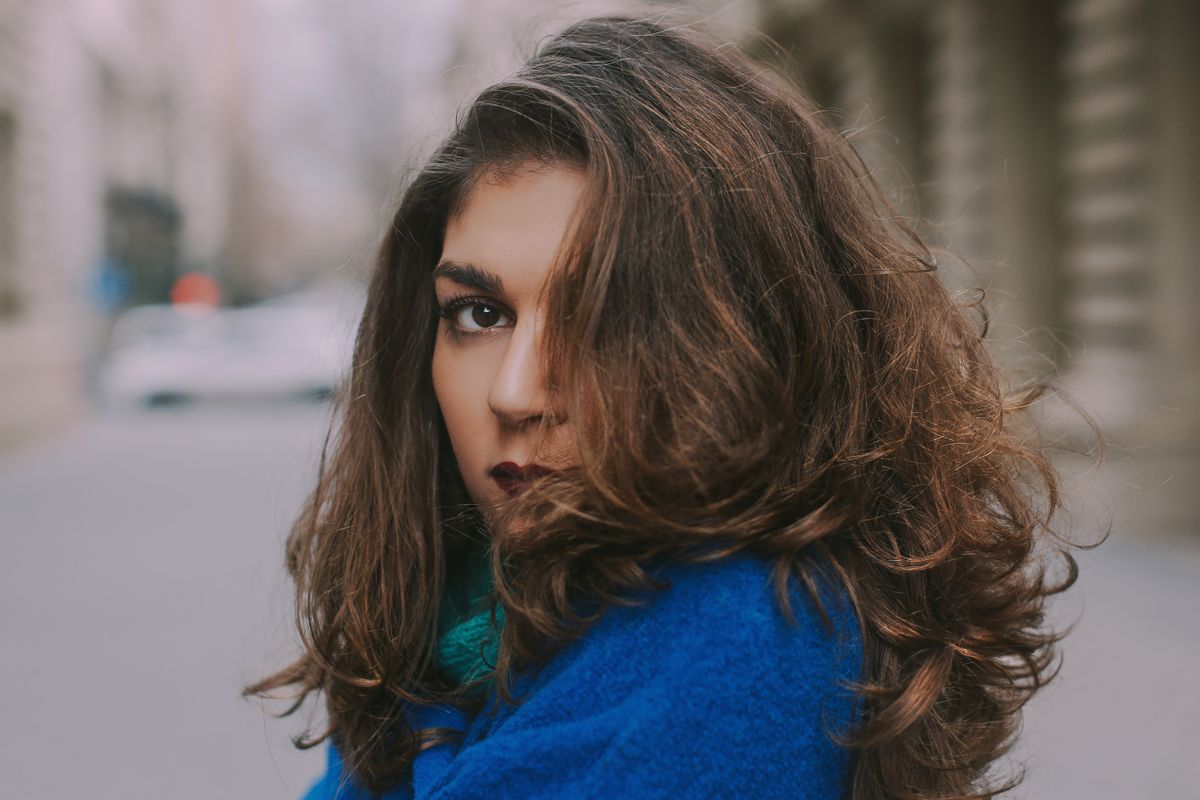
The wolf cut is one of the most exciting and modern hairstyles that has taken the beauty world by storm. Inspired by a mix of the classic shag haircut and the edgy mullet, this style is known for its heavy layers, textured volume, and slightly wild appearance. It creates a bold yet effortless look that perfectly balances messy and stylish. Women who choose the wolf cut often want something expressive, youthful, and full of personality, making it a standout trend in today’s fashion scene.
2. The Unique Structure of the Wolf Cut
What makes the wolf cut truly unique is its layered structure. The hair is cut shorter at the top to create volume, while the ends are kept thinner and lighter. This contrast gives the hairstyle its signature “wild” effect. The top layers add fullness and lift, while the bottom layers create movement and softness. Often paired with curtain bangs or wispy fringes, the wolf cut frames the face beautifully while maintaining a relaxed and natural flow.
3. Why the Wolf Cut is So Popular
The rise of the wolf cut can largely be credited to social media platforms, where influencers and celebrities have embraced its edgy appeal. Its photogenic nature and effortless vibe make it perfect for platforms like Instagram and TikTok. Women love how this haircut looks both styled and natural, making it ideal for modern lifestyles. The wolf cut represents confidence, individuality, and a break from overly polished hairstyles.
4. Styling Versatility
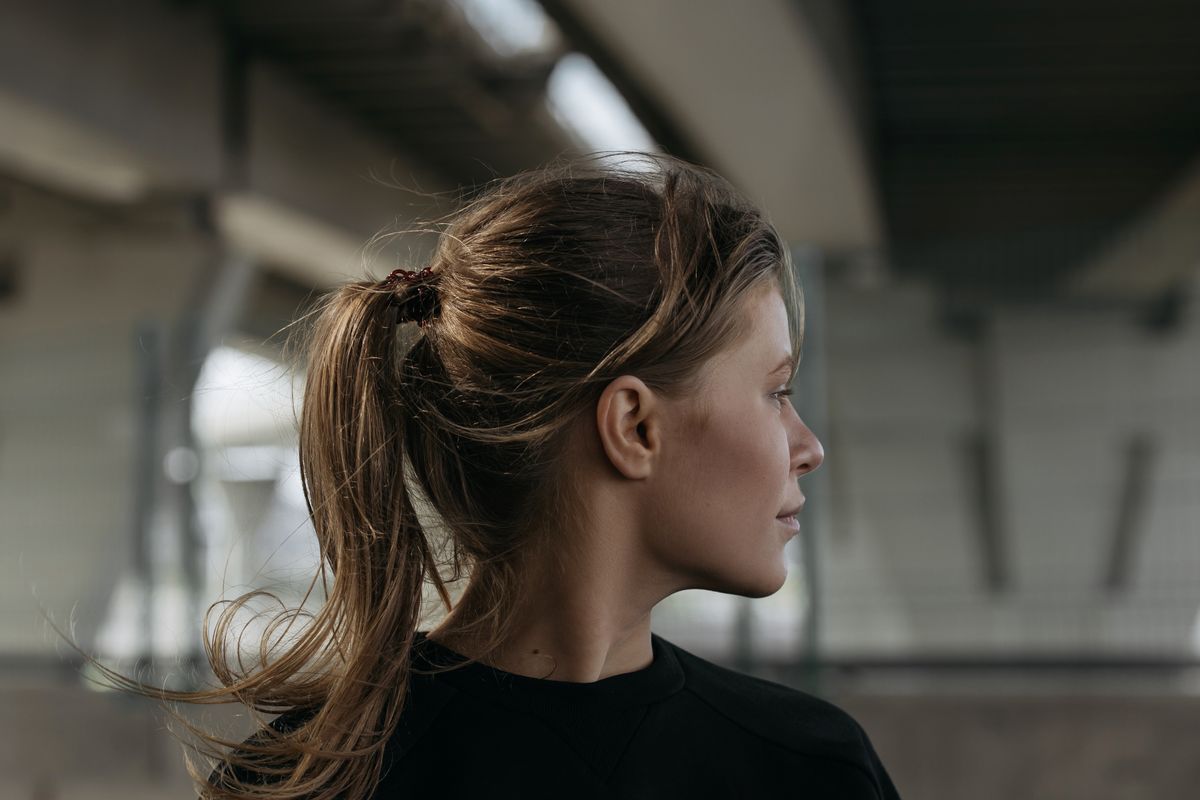
One of the biggest advantages of the wolf cut is its versatility. It can be styled in multiple ways depending on the occasion. For a casual day, you can let it air dry to embrace its natural texture. For a more polished look, you can straighten the layers slightly or add soft curls for extra volume. Even when tied into a ponytail or half-up style, the layers create dimension and interest, ensuring the hairstyle never looks flat or boring.
5. Suitable Hair Types and Face Shapes
The wolf cut works well with various hair types, especially wavy and thick hair. The layers help remove excess weight while enhancing natural texture. For straight hair, styling tools can be used to create the desired volume and movement. In terms of face shapes, the wolf cut is highly adaptable. The addition of bangs and layers can be customized to suit round, oval, or angular faces, making it a universally flattering option.
6. Low-Maintenance Appeal
Another reason for the wolf cut’s popularity is its low-maintenance nature. Unlike precise or structured haircuts, this style actually looks better with a slightly messy finish. A simple air-dry, a bit of texturizing spray, or a quick tousle with your fingers is often enough to achieve a stylish look. This makes it perfect for women with busy routines who still want to look fashionable without spending too much time on styling.
7. A Perfect Blend of Bold and Feminine
The wolf cut beautifully blends boldness with femininity. While its layered and slightly edgy appearance gives it a strong, confident vibe, the soft texture and flowing movement add elegance and charm. It allows women to express their individuality while still maintaining a stylish and modern look. This balance is what makes the wolf cut so appealing across different age groups and fashion preferences.
8. Conclusion
The wolf cut is more than just a passing trend—it is a hairstyle that represents freedom, creativity, and modern beauty. With its layered structure, effortless styling, and bold personality, it continues to dominate the world of hair fashion. Whether you want a dramatic transformation or a subtle change with added texture, the wolf cut offers a perfect combination of style and practicality. It is a confident, expressive choice for women who want to stand out while keeping things effortlessly chic. 💇♀️✨
Wolf Cut Variations to Ask For
The wolf cut isn’t one fixed shape — stylists adapt the layering and length to suit different hair types and lengths, which is part of why it has stayed popular across so many different looks.
Short Wolf Cut
A shorter version of the wolf cut keeps the heavy top layers but trims the overall length to around chin or jaw level, creating a fuller, more compact take on the style. It works especially well for anyone who wants the wolf cut’s texture and volume without committing to longer length, and it tends to need less daily styling since there’s less hair to manage.

Curly Wolf Cut
On naturally curly or wavy hair, the wolf cut’s layers interact directly with the curl pattern, and the result tends to look even wilder and more textured than on straight hair. Curls spring up at different lengths throughout the layered sections, which amplifies the tousled, undone look the cut is known for. Curly wolf cuts generally need less heat styling than straight versions, since the natural texture is already doing most of the work.

Long Wolf Cut
Keeping length past the shoulders while still applying wolf-cut layering produces a softer, more wearable version of the style — dramatic layering up top for volume, with length preserved through the back and sides. This variation suits anyone who isn’t ready to lose significant length but still wants the movement and texture the wolf cut is known for.
Wolf Cut vs. Shag vs. Mullet: What’s the Difference
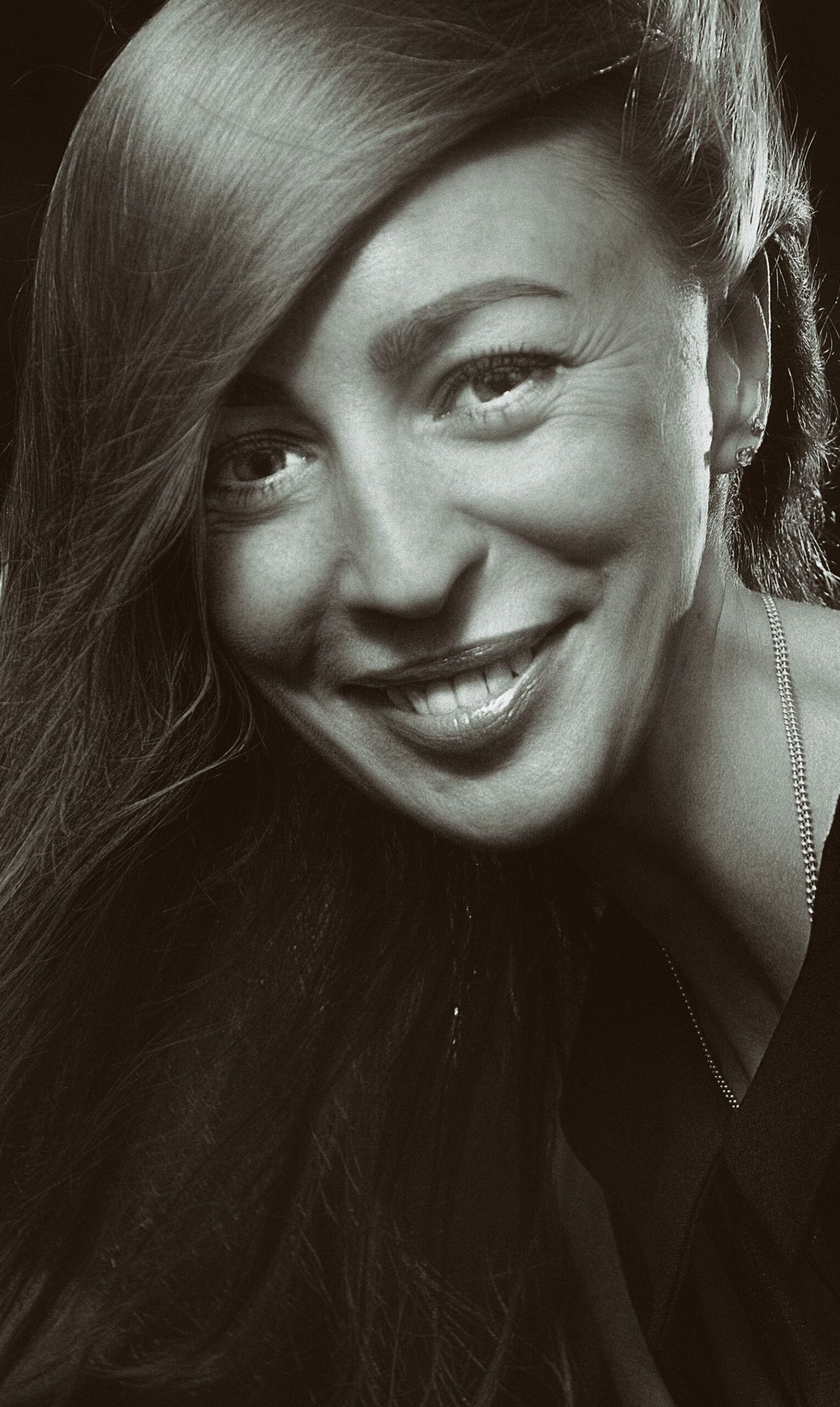
These three cuts get confused with each other constantly, since they all rely on heavy layering for their signature texture. The shag tends to have more even, consistent layering throughout, creating a softer overall silhouette. The mullet is defined by a dramatic length contrast between short front/top sections and much longer back sections. The wolf cut sits between the two — it borrows the shag’s heavy layering technique and the mullet’s boldness, but without the mullet’s sharp length break, resulting in a shape that’s textured throughout rather than split into two distinct zones.
How to Ask Your Stylist for a Wolf Cut
Because “wolf cut” describes a general layering approach rather than one exact length or shape, it helps to bring reference photos and be specific about what you want kept versus removed. Mentioning your current length, how much volume you want at the crown, and whether you want bangs included all help a stylist translate the trend into something tailored to your hair rather than a generic version of the cut. It’s also worth discussing your hair’s natural texture, since a wolf cut is customized differently for straight, wavy, and curly hair.
Frequently Asked Questions
Does the wolf cut work on fine hair?
Yes — the heavy layering actually helps fine hair look fuller by removing the appearance of flat, uniform length, though a stylist may use fewer, less aggressive layers to avoid thinning it out further.
How long does a wolf cut take to grow out?
Because it’s already a layered, textured shape, a wolf cut grows out more gracefully than a blunt cut — most people can go three to four months between trims before the shape starts to lose definition.
Can a wolf cut be styled straight for formal occasions?
Yes, though the layering will still show more movement and separation than a single-length cut would, even when smoothed out.
Who the Wolf Cut Suits Best
Face shape plays a real role in how a wolf cut reads once it’s finished. Round faces tend to benefit from more length at the front and less width at the crown, since heavy top volume can add fullness exactly where a round face already has plenty. Angular faces — square or heart-shaped — generally look softer with face-framing layers that curve inward rather than sticking straight out, breaking up strong jawlines or wide foreheads. Oval faces have the most flexibility and can wear a wolf cut with dramatic crown volume without it looking overwhelming.
Hair thickness matters just as much as face shape. On thick hair, a wolf cut removes bulk and adds movement that a single-length cut often can’t achieve. On thinner hair, the layering has to be applied more conservatively, since too much thinning can leave visible gaps or an overly wispy look at the ends. A good stylist will adjust the number and placement of layers based on density, not just apply the same layering pattern to every head of hair.
Products and Tools That Help a Wolf Cut Look Its Best
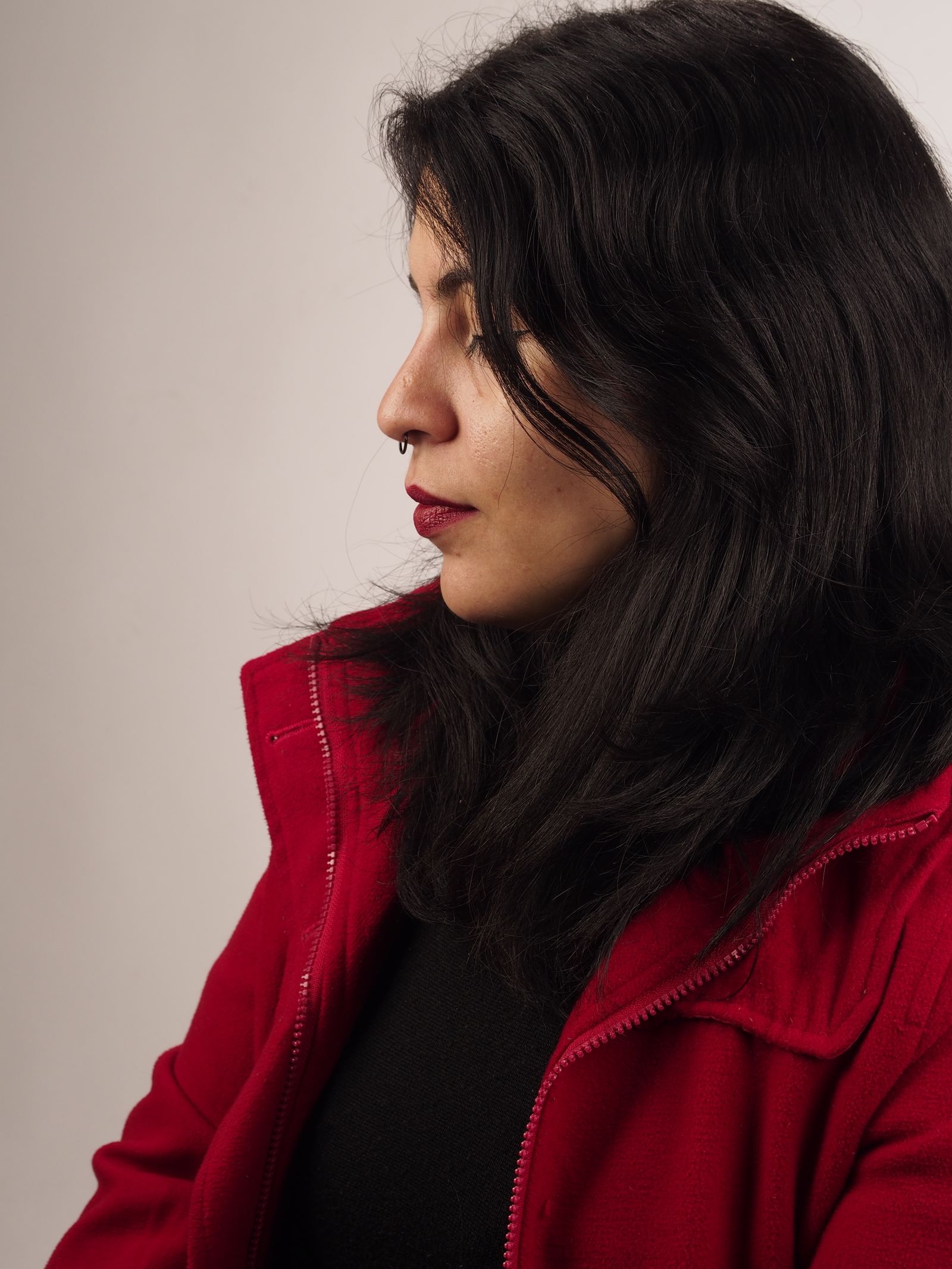
A texturizing spray or dry shampoo worked into the roots is one of the simplest ways to boost the tousled volume the wolf cut is known for, especially on second- or third-day hair when natural oils have already softened the style slightly. A lightweight sea salt spray applied to damp hair before air-drying can enhance texture without weighing the layers down, which matters for a cut that depends on movement rather than sleekness.
For anyone who blow-dries, a round brush used only at the crown — rather than throughout the whole head — helps lift the shorter top layers without flattening the longer bottom layers. A small amount of styling cream or pomade, worked only into the ends, can define the tips of the layers without making the roots look greasy, which is a common mistake with heavier products on this cut.
Maintaining a Wolf Cut Over Time
Because the wolf cut relies on distinct layer lengths to create its shape, regrowth affects it differently than a blunt cut. The layers will gradually blend together as they grow, softening the dramatic texture rather than making the cut look obviously overgrown, which is one of the reasons it’s considered relatively forgiving between salon visits. Even so, a trim every ten to twelve weeks keeps the shortest top layers from disappearing into the rest of the length entirely.
Color can also interact with how defined the layers look. Subtle highlights or a babylights technique placed through the top layers can add extra dimension and make the texture more visible, especially on darker or single-process hair colors where layers might otherwise blend visually into one solid block of color.
Wolf Cut with Bangs vs. Without
Adding curtain or wispy bangs to a wolf cut changes the overall balance of the style noticeably. Curtain bangs, parted in the center and swept to either side, extend the face-framing layers already present in the cut and soften the forehead, which works particularly well for anyone with a higher hairline or a more angular face shape. Wispy, thinner bangs blend more seamlessly with the top layers and read as a subtle addition rather than a distinct feature.
Going without bangs keeps the style more versatile day to day, since there’s no separate section that needs its own styling or that falls differently depending on humidity and how it was slept on. Many people choose to grow their wolf cut without bangs initially and add them later once they’ve lived with the base cut for a few months and know how they want to adjust it.
Celebrities and the Rise of the Wolf Cut
Part of what pushed the wolf cut into mainstream popularity was its adoption by a wave of musicians and actresses who wore it as a deliberately imperfect, lived-in alternative to more polished red-carpet hairstyles. Its spread on social media mirrored how earlier trends like the shag and the pixie cut became popular — through repeated visibility rather than a single viral moment — which is part of why it has had more staying power than many haircut trends that fade within a single season.
Cost and Salon Time to Expect
A wolf cut typically takes longer than a standard trim, since it involves careful sectioning to build the layered structure correctly rather than a single all-over length reduction. Expect a session of roughly 45 minutes to an hour and a half depending on your starting length and how dramatic the layering needs to be. Pricing generally falls in line with other layered cuts at a given salon, though some stylists price it as a specialty cut given the additional technique involved — it’s worth asking when booking rather than assuming it matches a basic trim price.
More Frequently Asked Questions
Is the wolf cut the same as a shag?
They’re closely related but not identical — the wolf cut generally has more dramatic crown volume and a slightly more disheveled finish, while the shag’s layering tends to be more even throughout.
Will a wolf cut work on hair that’s been color-treated or damaged?
Yes, though a stylist may recommend a trim first to remove damaged ends before applying heavy layering, since the cut draws attention to hair texture and won’t hide split ends the way a blunt cut can.
How much length is typically lost getting a wolf cut?
It varies widely depending on your starting length and how dramatic you want the layers, but most versions remove less overall length than people expect, since the drama comes from the layering pattern rather than an aggressive length cut.
Final Thoughts
The wolf cut has held its place as one of the more versatile layered cuts precisely because it isn’t one fixed look — it adapts to short or long hair, straight or curly texture, and bangs or no bangs, all while keeping the same core idea of heavy, purposeful layering. For anyone considering the cut, the most useful preparation is bringing photos of your own hair type rather than only the celebrity photo that inspired the trend, since the technique needs to be customized to actually work the way it does in reference images.
It’s also worth trying the cut on a slightly conservative first pass if you’re new to heavy layering — a stylist can always remove more length and add additional layers at a follow-up visit, but overly aggressive layering the first time around is much harder to correct without significant length loss. Starting moderate and adjusting from there tends to produce better long-term results than requesting the most dramatic version straight away.
Bringing a mix of reference photos — not just one image — also helps a stylist understand which specific elements you want borrowed from each one, whether that’s the amount of crown volume in one photo or the bang shape in another. Combining references this way tends to produce a more personalized result than handing over a single photo and asking for an exact match, which rarely translates perfectly given differences in hair type, density, and growth pattern between you and whoever is in the reference image.
Ultimately, the wolf cut’s popularity comes down to how much personality it allows compared to more rigid, symmetrical haircuts. It rewards a bit of imperfection, works with rather than against natural texture, and can be dialed up or down depending on how bold you want the layering to look — which is exactly why it has remained a go-to recommendation for anyone wanting a change that still feels distinctly like themselves.
Whether you go short, long, curly, or straight, the underlying principle stays the same: purposeful layers, a bit of controlled chaos, and a cut built around how your hair actually behaves rather than how it looks on someone else.