
Small Steps, Big Success: Building Confidence in Kids
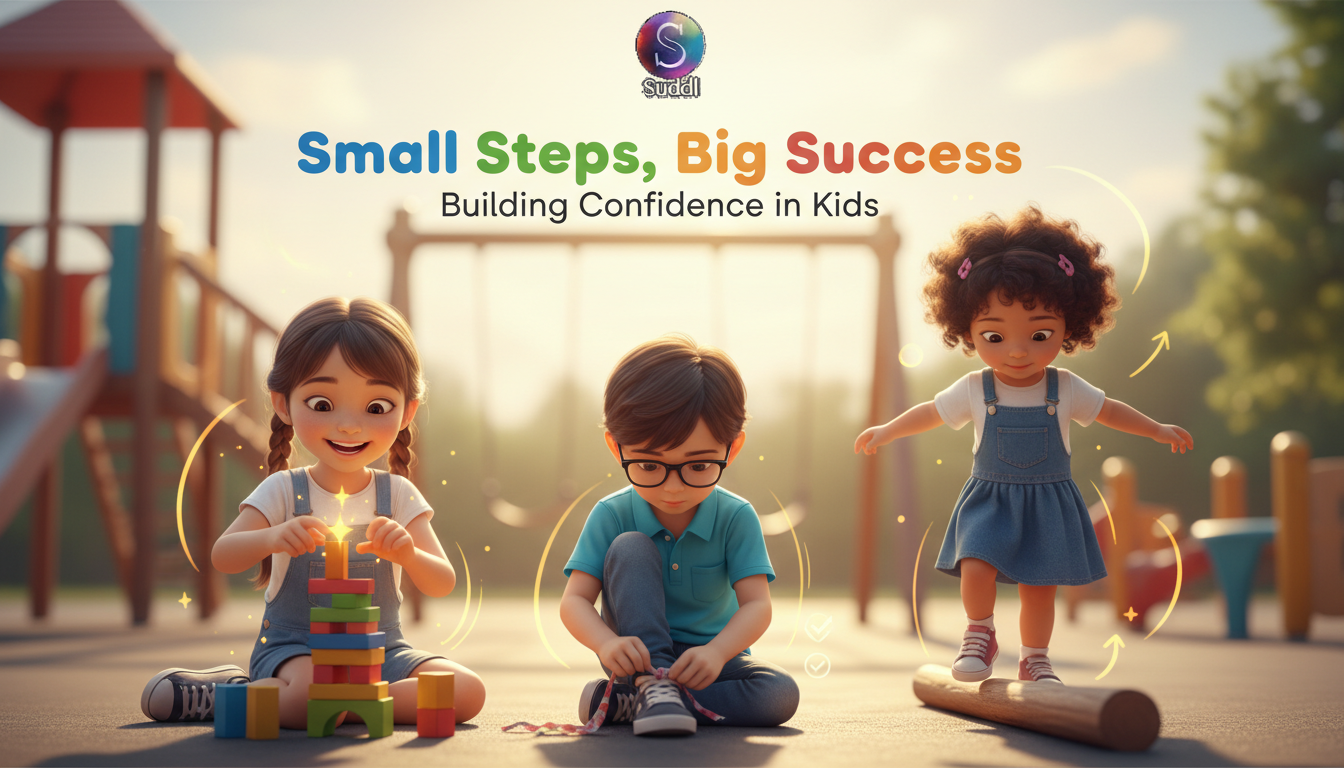
Ultimately, building confidence in kids is about consistent encouragement, meaningful opportunities, and unwavering support. Small steps truly lead to big success. By nurturing independence, embracing challenges, and fostering emotional security, adults help children develop a resilient sense of self-worth. With patience and positivity, every child can grow into a confident individual ready to pursue dreams with courage and determination. For more insightful parenting tips and family-focused content, explore https://suddl.com/ and continue supporting your child’s journey toward lifelong success.
1. Understanding the Foundation of Confidence

Confidence in children does not appear overnight; it develops gradually through experiences, encouragement, and consistent support. From the moment a child learns to take their first steps or say their first words, they begin building a sense of capability. Every small success strengthens their belief in themselves. When children feel capable, they are more likely to explore new opportunities, try challenging tasks, and recover from setbacks with resilience. Confidence is not about perfection—it is about trusting one’s ability to grow, learn, and improve over time.
Parents and caregivers play a vital role in shaping this foundation. Simple affirmations such as “I’m proud of your effort” or “You tried your best” reinforce the importance of persistence rather than just outcomes. When children are praised for effort instead of talent alone, they develop a growth mindset. They begin to understand that abilities can be developed with practice. This perspective reduces fear of failure and encourages experimentation. Creating a safe environment where mistakes are seen as learning opportunities allows children to build courage step by step. For more parenting inspiration and practical family guides, visit https://suddl.com/ and discover supportive strategies that empower young minds.
2. Encouraging Independence Through Small Responsibilities

One of the most effective ways to build confidence is by giving children age-appropriate responsibilities. Small tasks like organizing toys, setting the table, or choosing their clothes teach children that their contributions matter. Completing these tasks successfully provides a sense of achievement. Even if the results are not perfect, the process of doing something independently boosts self-esteem.
When adults step back and allow children to try on their own, they communicate trust. Trust sends a powerful message: “I believe you can do this.” Over time, this belief becomes internalized. Children who are encouraged to solve minor problems independently—such as figuring out a puzzle or resolving small conflicts with peers—develop problem-solving skills and emotional strength.
It’s also important to allow children to make choices. Offering simple options like selecting a snack or choosing a bedtime story gives them a sense of control. Decision-making builds responsibility and reinforces that their opinions are valued. By celebrating these small achievements consistently, adults lay the groundwork for larger accomplishments in academics, sports, creative activities, and social settings.
3. Nurturing Talents and Embracing Challenges

Every child has unique strengths and interests. Some may gravitate toward art and creativity, while others excel in sports, music, or academics. Identifying and nurturing these interests helps children feel competent and valued. When they engage in activities they enjoy, they naturally gain confidence because they experience progress and mastery. Encouraging participation in extracurricular activities can expose children to new skills and social experiences, further strengthening their self-belief.
However, confidence does not grow only from strengths; it also develops through challenges. When children encounter obstacles and work through them, they build resilience. Instead of shielding them from difficulty, adults can guide them through it. For example, if a child struggles with a school project, providing support and encouragement without taking over teaches perseverance. Reminding them of past successes can reinforce their ability to overcome current challenges.
It is equally important to normalize setbacks. Everyone faces disappointment at times, and children must learn that failure does not define their worth. Constructive conversations about mistakes help children view them as part of the learning process. By modeling positive self-talk and demonstrating calm problem-solving, parents and teachers show children how to respond confidently to adversity. Over time, children learn that challenges are stepping stones rather than roadblocks.
4. Building Emotional Security and Positive Self-Image

Emotional security is the cornerstone of lasting confidence. Children thrive when they feel loved, accepted, and understood. Open communication creates a safe space for them to express fears, doubts, and achievements. Listening attentively and validating their feelings builds trust and reinforces their sense of importance. When children know their emotions matter, they feel secure in who they are.
Positive self-image also develops through healthy role models. Children observe how adults handle stress, celebrate achievements, and treat others. Demonstrating kindness, respect, and self-confidence teaches them to mirror those qualities. Encouraging gratitude and empathy further strengthens emotional intelligence, which supports confident social interactions.
Celebrating progress—no matter how small—creates momentum. Acknowledging improvements in reading skills, bravery in trying a new activity, or kindness toward a friend reinforces positive behaviors. Over time, these consistent affirmations shape a strong internal voice that says, “I can do this.” Confidence built in childhood often carries into adulthood, influencing career choices, relationships, and personal goals.