
Be You, Be Proud: Celebrating Every Child’s Uniqueness

Ultimately, celebrating a child’s uniqueness means recognizing that there is no single definition of success or happiness. Each child has their own path, shaped by their passions, values, and dreams. By embracing individuality, offering encouragement, promoting inclusivity, and modeling pride in one’s identity, we empower children to say confidently, “This is who I am, and I’m proud of it.” For more thoughtful parenting guidance and uplifting family content, explore https://suddl.com/ and continue supporting the wonderful uniqueness in every child.
1. Embracing Individuality from the Start

Every child is born with a unique combination of talents, personality traits, interests, and dreams. From the way they laugh to the way they solve problems, no two children are exactly alike. Celebrating this individuality from an early age helps children feel valued and understood. When parents and caregivers acknowledge what makes a child different—rather than trying to mold them into a specific image—they create a foundation of self-acceptance and confidence. Encouraging children to explore their preferences, whether it’s art, sports, music, science, or storytelling, allows them to discover who they truly are.
Children thrive when they know they are loved for who they are, not just for what they achieve. Simple affirmations such as “I love how creative you are” or “Your kindness makes a difference” reinforce the message that uniqueness is something to celebrate. Instead of comparing children to siblings or peers, focusing on personal growth fosters a positive self-image. For more inspiring parenting ideas and child development insights, visit https://suddl.com/ and explore meaningful ways to support your child’s individuality.
2. Building Confidence Through Acceptance and Encouragement

Confidence grows when children feel accepted without conditions. Acceptance does not mean overlooking areas for growth; rather, it means recognizing strengths while guiding development with patience and understanding. When a child feels safe expressing thoughts and emotions, they are more likely to take healthy risks and try new experiences. This sense of security builds resilience and self-belief.
Encouragement plays a powerful role in nurturing uniqueness. Praising effort rather than perfection helps children understand that growth is a journey. If a child struggles with a task, offering supportive guidance instead of criticism teaches perseverance. For example, saying “I see how hard you’re trying” can motivate them far more than focusing on mistakes. When children feel encouraged, they begin to trust their abilities and embrace challenges as opportunities to grow. Over time, this mindset shapes a confident individual who is proud of personal strengths and willing to improve weaknesses.
3. Creating Inclusive and Supportive Environments
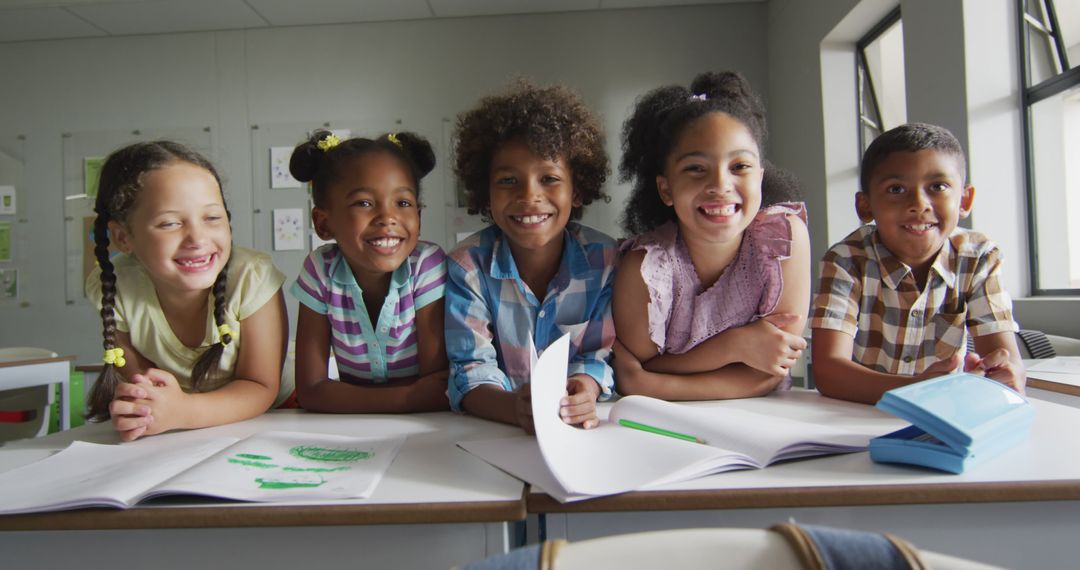
Celebrating every child’s uniqueness also means fostering inclusive environments where diversity is respected and valued. Schools, communities, and homes should reflect acceptance of different cultures, abilities, interests, and backgrounds. When children are exposed to diversity in a positive way, they learn empathy and understanding. They begin to appreciate not only their own uniqueness but also the individuality of others.
Parents and educators can encourage inclusive conversations by teaching children about kindness, respect, and the importance of standing up against bullying. Storybooks, activities, and discussions that highlight diverse characters and experiences can broaden a child’s perspective. Creating opportunities for teamwork and collaboration also helps children learn that differences can strengthen relationships rather than divide them. When children grow up in environments that celebrate diversity, they develop compassion and confidence that lasts a lifetime.
4. Empowering Children to Be Proud of Who They Are

Empowering children to be proud of who they are involves more than praise—it requires consistent support and meaningful experiences. Encouraging children to pursue hobbies and passions allows them to build skills and experience a sense of accomplishment. Whether it’s performing in a school play, scoring a goal in a game, or completing a challenging project, these moments reinforce self-worth.
It’s equally important to teach children self-compassion. Everyone makes mistakes, and learning to treat oneself with kindness builds emotional strength. When adults model self-acceptance and positive self-talk, children are more likely to mirror those behaviors. Conversations about feelings, challenges, and successes help children understand that their journey is uniquely theirs.