
Scandinavian Interior Design: Simplicity, Warmth, and Everyday Elegance
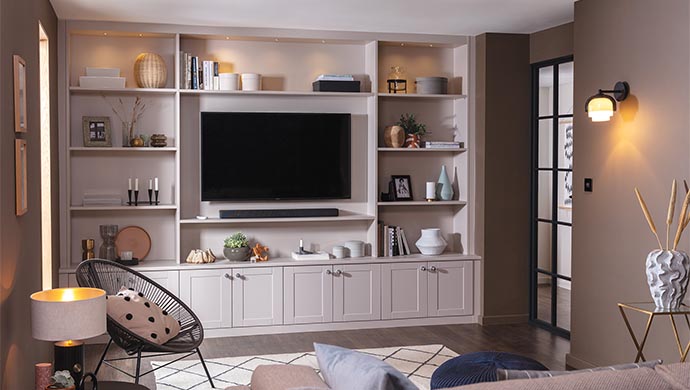
Scandinavian interior design is one of the most admired and enduring styles in modern homes. Known for its simplicity, practicality, and beauty, this design approach began in the Nordic countries of Sweden, Denmark, Norway, and Finland. It reflects the lifestyle, climate, and values of these regions, where long winters and limited daylight inspired people to create interiors that feel bright, warm, and welcoming. Today, Scandinavian design is loved around the world for its clean appearance and comfortable atmosphere.
At the heart of Scandinavian interior design is the idea that a home should be both beautiful and functional. This style avoids unnecessary decoration and focuses instead on useful, well-made objects. Every item in the room should have a purpose, whether practical, emotional, or visual. Scandinavian interiors do not try to impress through luxury or complexity. Instead, they create calm and comfort through balance, light, and thoughtful design choices.
One of the most recognizable features of Scandinavian design is its light color palette. White walls are very common because they help reflect natural light and make rooms feel more open. Since Nordic countries experience dark winters, bright interiors became an important way to make homes feel cheerful and airy. Soft neutral shades such as beige, cream, pale gray, and light taupe are also widely used. These colors create a clean background and allow furniture, textures, and natural materials to stand out gently rather than dramatically.
Natural light plays a major role in Scandinavian interiors. Large windows are often left uncovered or dressed with very light curtains to let as much daylight in as possible. The goal is to make rooms feel fresh, open, and connected to the outdoors. When natural light is limited, artificial lighting becomes especially important. Scandinavian homes often use layered lighting, including pendant lights, table lamps, floor lamps, and candles. This creates a soft and cozy mood, especially during the evening. Warm lighting is preferred over harsh brightness because it helps the home feel peaceful and inviting.
Furniture in Scandinavian design is simple, elegant, and highly functional. Pieces often have clean lines, smooth surfaces, and gentle curves. They are designed to be useful without looking heavy or crowded. Sofas are usually comfortable and understated, often upholstered in neutral fabrics. Tables and chairs commonly feature light woods such as oak, ash, or birch. Storage is also essential, and Scandinavian furniture often includes practical shelves, cabinets, and multifunctional pieces that help maintain order in the home. The style proves that everyday furniture can be both attractive and useful.
Wood is one of the most important materials in Scandinavian interiors. It adds warmth, texture, and a natural feeling to the space. Light-toned woods are especially popular because they support the airy and bright look of the design. Wooden floors are a classic feature, often left in their natural finish or lightly treated to preserve their soft color. Wood may also appear in dining tables, coffee tables, shelving, and decorative details. Its presence creates a strong connection with nature, which is a central value in Scandinavian living.
Texture is another key element that prevents Scandinavian spaces from feeling cold or too plain. Because the style often uses a restrained color palette, texture becomes essential in adding comfort and visual interest. Soft wool throws, knitted cushions, linen curtains, sheepskin rugs, and woven baskets are commonly used. These materials make the room feel lived-in and cozy while maintaining the clean simplicity of the overall design. This balance between minimalism and comfort is one of the reasons Scandinavian interiors are so appealing.
A concept often associated with Scandinavian living is hygge, a Danish word that describes a feeling of coziness, contentment, and well-being. While not strictly a design rule, hygge has greatly influenced Scandinavian interiors. It encourages people to create spaces where they can relax, enjoy simple pleasures, and feel at peace. A comfortable chair by the window, a warm blanket, a cup of tea, candlelight, and a soft rug can all contribute to this feeling. Scandinavian design is not only about how a room looks; it is also about how it makes people feel.
Decoration in Scandinavian homes is usually minimal but meaningful. Rather than filling rooms with many accessories, this style uses a few carefully chosen pieces. A framed black-and-white print, a ceramic vase, a simple mirror, or a healthy indoor plant may be enough to complete a room. Decorative objects are often handmade or chosen for their natural beauty and simplicity. Plants are especially popular because they bring freshness, color, and life into a neutral space. In Scandinavian design, less decoration often creates more impact.
Another strength of Scandinavian interior design is its versatility. It works well in both large homes and small apartments because it emphasizes openness and practicality. In smaller spaces, the use of light colors, functional furniture, and uncluttered layouts can make the home feel larger and more comfortable. Scandinavian design also mixes easily with other styles. It can be combined with modern, minimalist, rustic, or even bohemian elements while still keeping its peaceful identity. This adaptability makes it a popular choice for people with different tastes and lifestyles.
Sustainability is also closely linked with Scandinavian design values. Instead of buying many cheap and temporary items, this style encourages people to invest in fewer, better-quality pieces that last for years. Natural materials, durable furniture, and timeless design all support a more thoughtful way of living. The focus is not on constant change but on building a home that remains useful and beautiful over time. This makes Scandinavian interiors both stylish and responsible.
In the kitchen, Scandinavian design emphasizes cleanliness, order, and ease of use. White cabinetry, wooden countertops, open shelving, and simple hardware are common features. The space is designed to feel bright and efficient. In the bedroom, the focus shifts to comfort and rest, with soft bedding, neutral tones, and minimal furniture. In the living room, comfort is paired with elegance through soft textiles, natural materials, and carefully selected decor. Each room follows the same core principles: simplicity, functionality, and warmth.
Despite its simplicity, Scandinavian interior design never feels empty when done well. Its success lies in the careful balance between clean form and human comfort. Too little warmth can make the room feel lifeless, while too many decorative items can weaken its clarity. The best Scandinavian interiors feel effortless, but they are actually created with thoughtful choices about light, space, material, and mood.
In conclusion, Scandinavian interior design is a timeless style that combines beauty with everyday practicality. Its bright colors, natural materials, clean-lined furniture, and cozy textures create homes that are calm, welcoming, and easy to live in. More than just a visual trend, Scandinavian design reflects a way of life that values simplicity, comfort, and quality. In a busy world, it offers a refreshing reminder that a home does not need to be complicated to be beautiful. Sometimes, the most elegant spaces are the ones that feel the most natural and peaceful.