
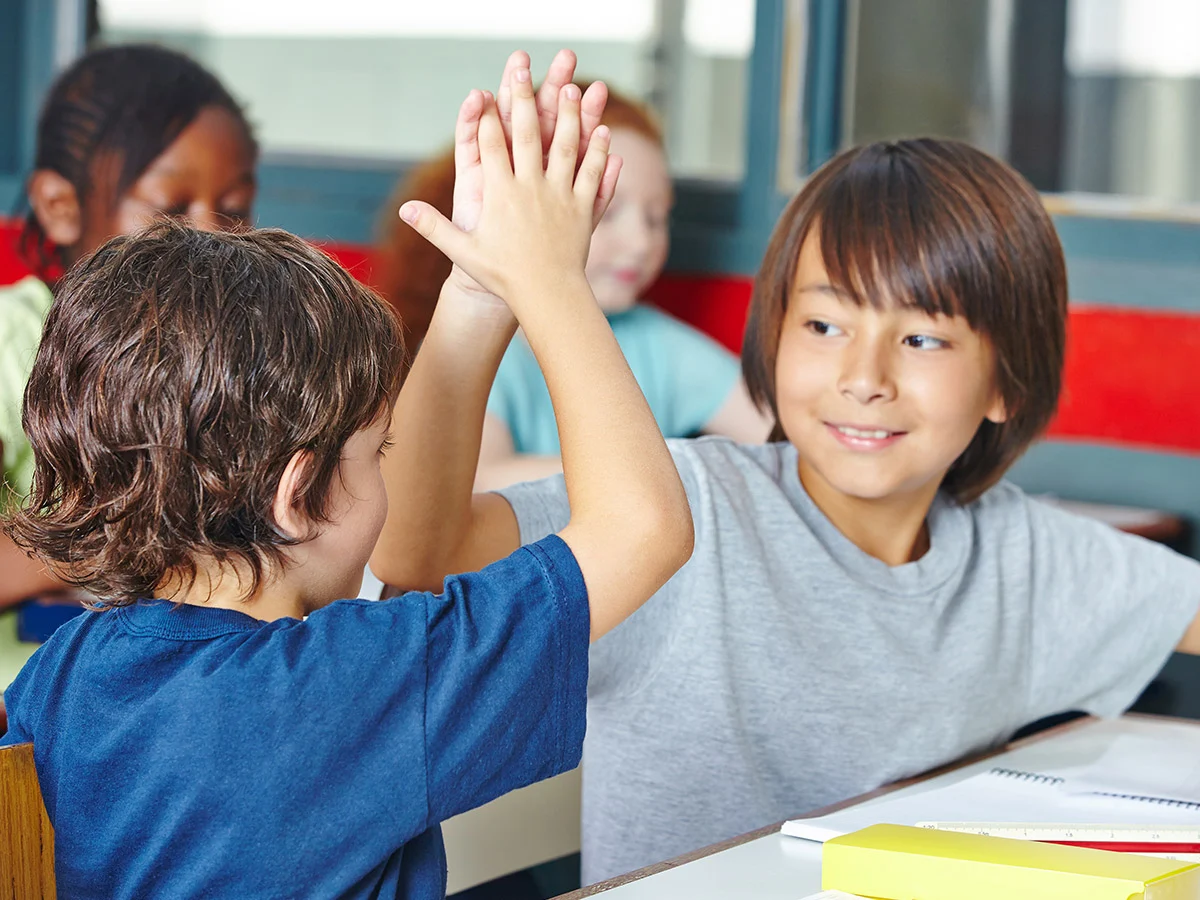
Early childhood development refers to the physical, emotional, social, and cognitive growth of children from birth to around eight years old. This stage is one of the most important periods in a child’s life because it lays the foundation for future learning, behavior, and health. During these early years, children rapidly develop skills that influence their personality, intelligence, and emotional well-being.
A supportive environment filled with love, care, and learning opportunities helps children grow into confident and capable individuals. Parents, teachers, and caregivers all play a crucial role in shaping a child’s early experiences and development.
2. Importance of Early Learning
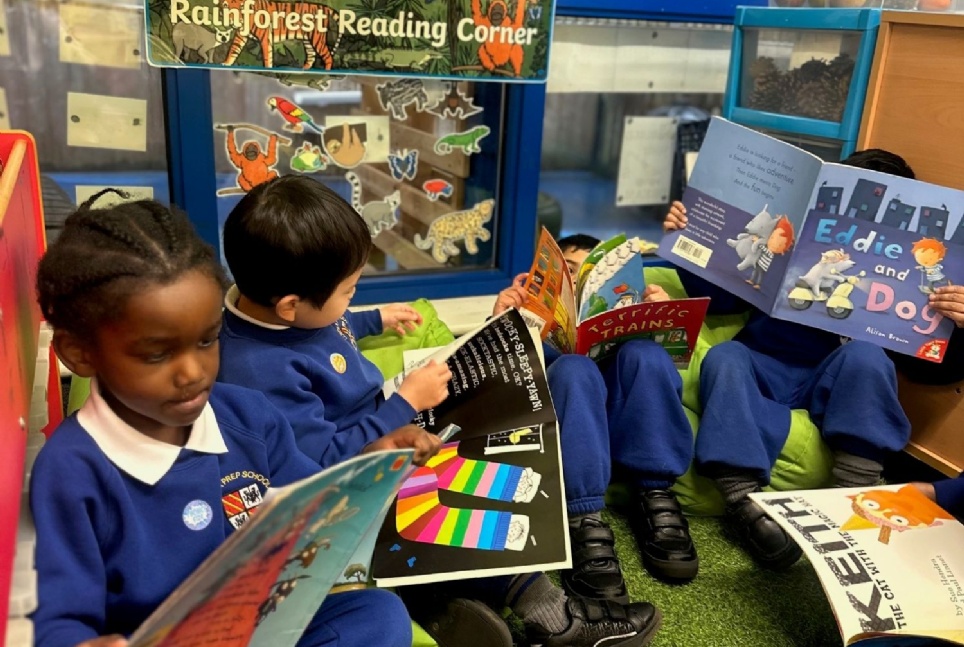

Early learning is essential for building a strong educational foundation. When children are exposed to learning activities such as reading, storytelling, and simple problem-solving, they develop critical thinking and language skills. These skills help them succeed in school and later in life.
Learning at an early age should be fun and engaging. Activities like puzzles, games, and creative play encourage curiosity and help children explore new ideas. This type of learning not only improves academic skills but also boosts confidence and independence.
3. Role of Play in Child Development

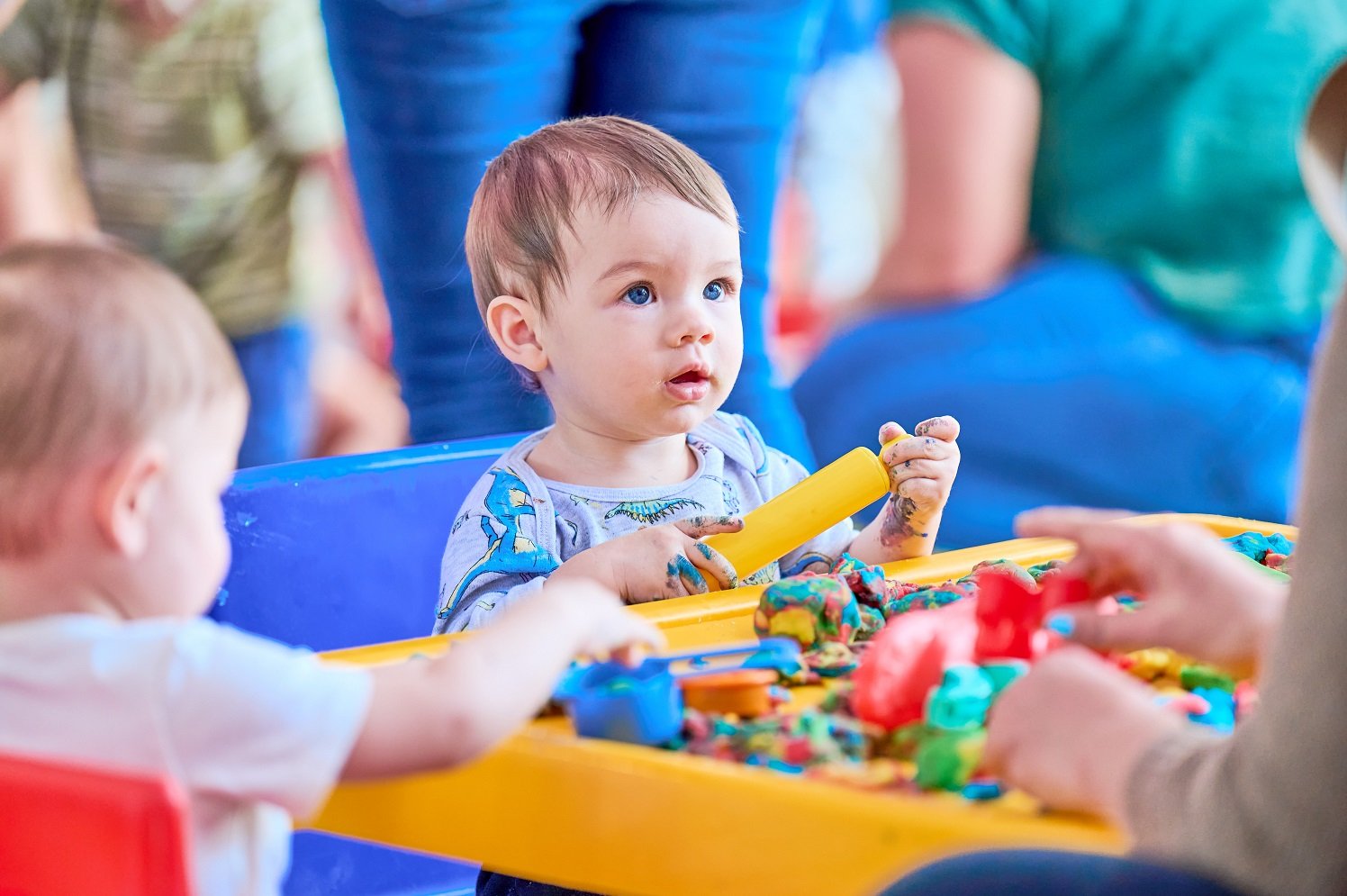
Play is a natural and powerful way for children to learn and grow. Through play, children develop social skills, creativity, and problem-solving abilities. Whether it’s playing with toys, engaging in imaginative games, or participating in outdoor activities, play helps children understand the world around them.
Interactive play with other children teaches important life skills such as sharing, teamwork, and communication. It also helps children express their emotions and build strong relationships with others.
4. Emotional and Social Development


Emotional and social development is just as important as academic learning. Children need to feel safe, loved, and supported to develop a strong sense of self. Positive relationships with parents, teachers, and peers help children build trust and confidence.
Teaching children how to manage their emotions, understand others, and communicate effectively is essential for their overall well-being. These skills help them form healthy relationships and handle challenges in life.
5. Healthy Lifestyle for Children


A healthy lifestyle plays a major role in a child’s development. Proper nutrition, regular physical activity, and adequate sleep are essential for growth and well-being. Healthy eating habits provide the energy and nutrients children need to learn and stay active.
Physical activities such as sports and outdoor play improve strength, coordination, and overall health. A consistent sleep routine is also important, as it helps children recharge and stay focused during the day.
6. Role of Parents and Caregivers
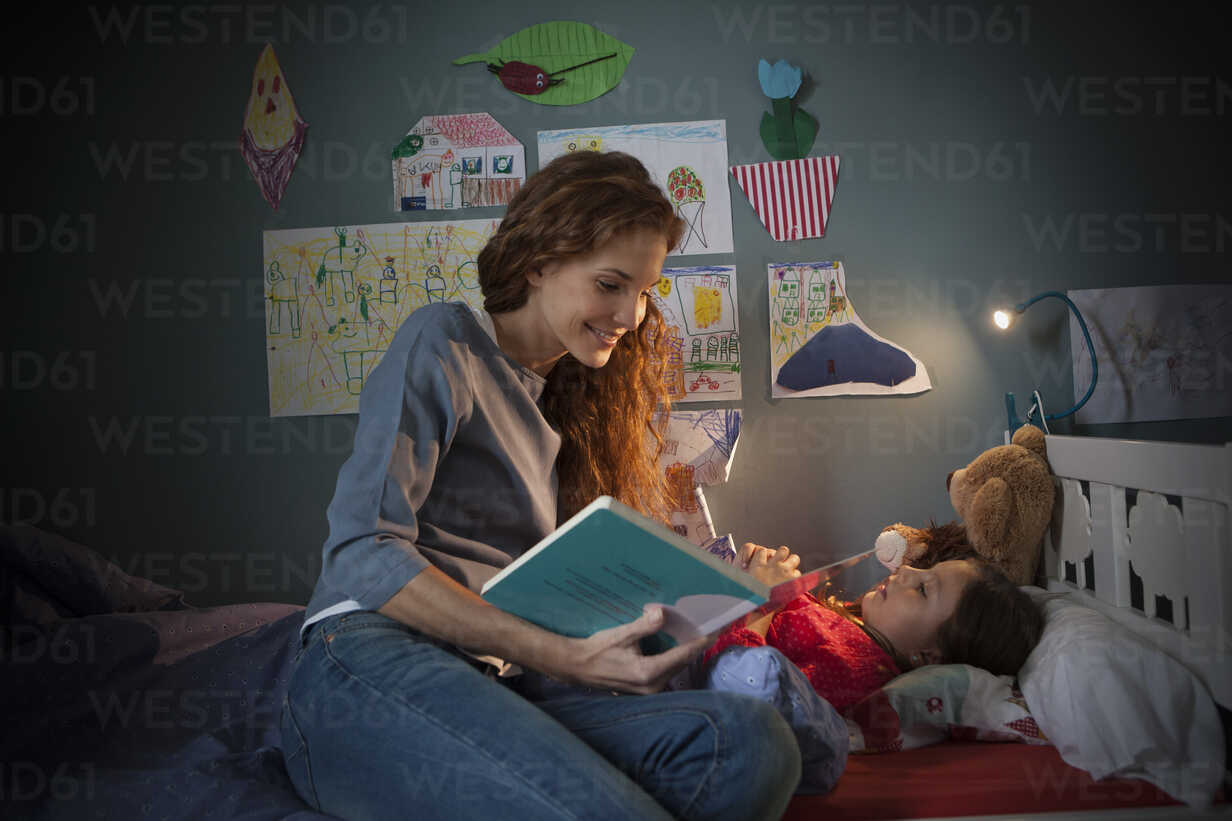
Parents and caregivers are the most important influences in a child’s life. Their support, guidance, and encouragement shape a child’s development and behavior. Spending quality time with children, listening to them, and providing a safe environment helps build trust and confidence.
Simple actions like reading together, talking about daily experiences, and encouraging curiosity can have a lasting impact. Positive parenting helps children feel valued and motivates them to explore and learn.
7. Conclusion – Building a Bright Future

Early childhood development is the foundation of a successful and fulfilling life. By providing children with love, education, and a healthy environment, we can help them grow into confident and capable individuals.
Investing time and effort in a child’s early years not only benefits the child but also contributes to a better society. When children are given the right support, they have the potential to achieve great things and build a bright future.