
1. Interactive Word and Reading Games


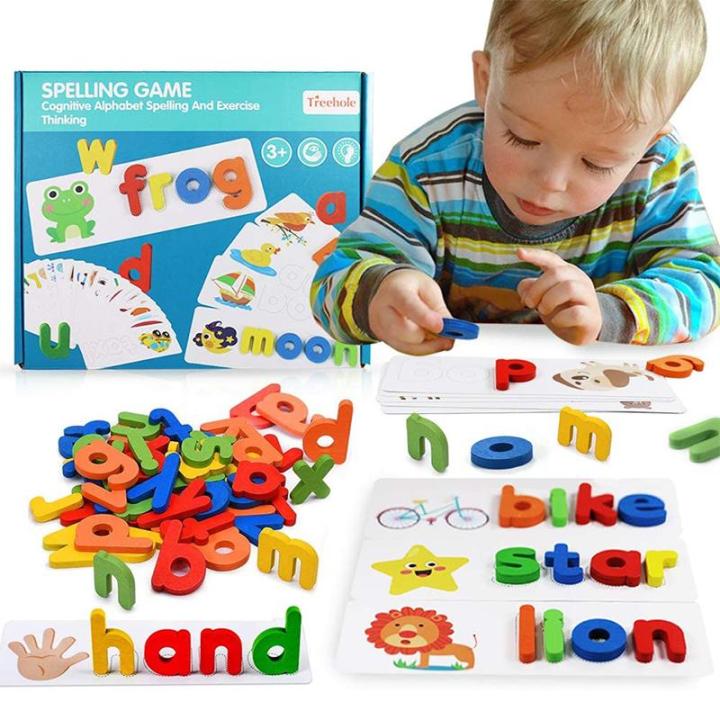

Learning to read and build vocabulary becomes exciting when turned into a game. Interactive word games help children strengthen language skills while having fun. Simple activities like alphabet puzzles, flashcard races, and rhyming challenges encourage kids to recognize letters, sounds, and new words without feeling pressured. Parents can create mini spelling bees at home or hide word cards around the house for a “word treasure hunt.” These playful approaches make reading feel like an adventure rather than a task. Board games that focus on vocabulary and storytelling also improve communication skills and creativity. When children associate reading with enjoyment, they naturally become more confident learners. The key is consistency—short, engaging sessions work better than long, repetitive drills. Turning books into interactive experiences builds curiosity and strengthens foundational literacy skills in a joyful, memorable way.
2. Math Games That Make Numbers Exciting


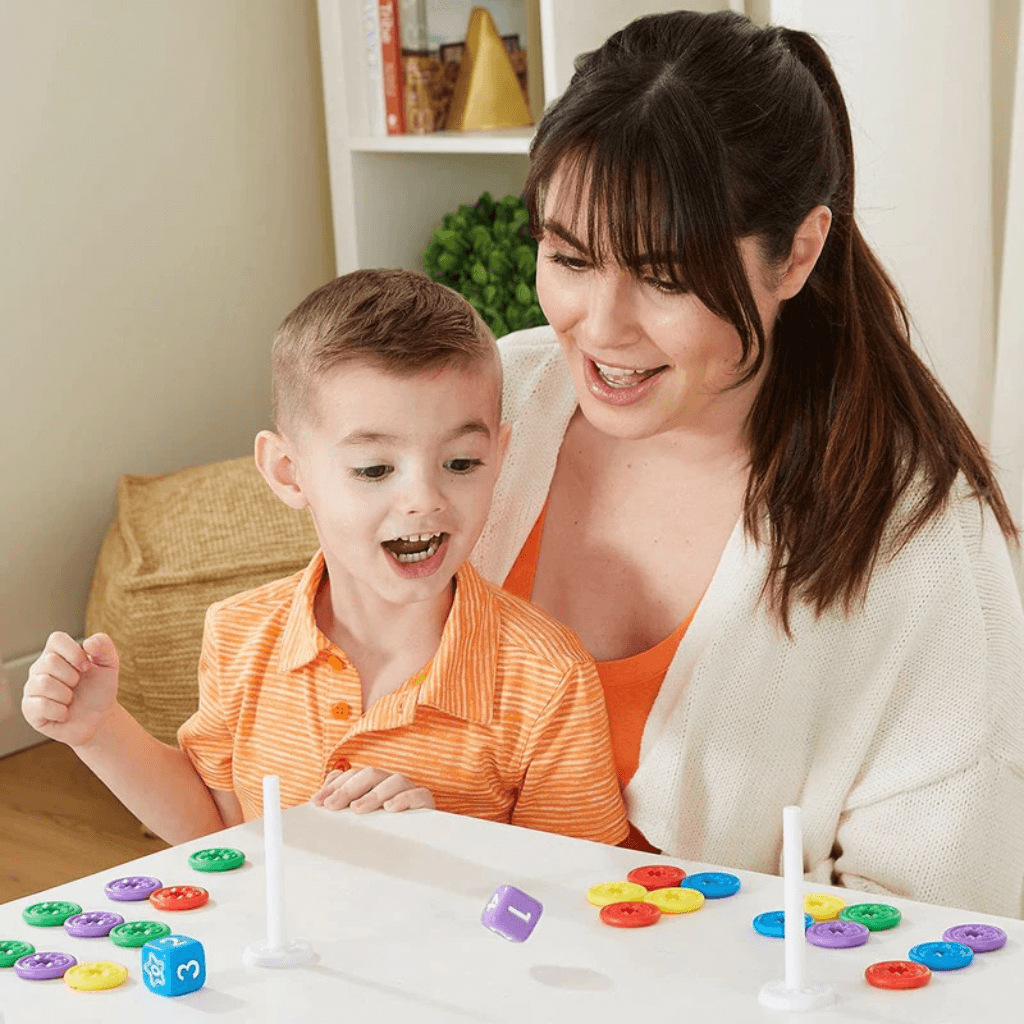
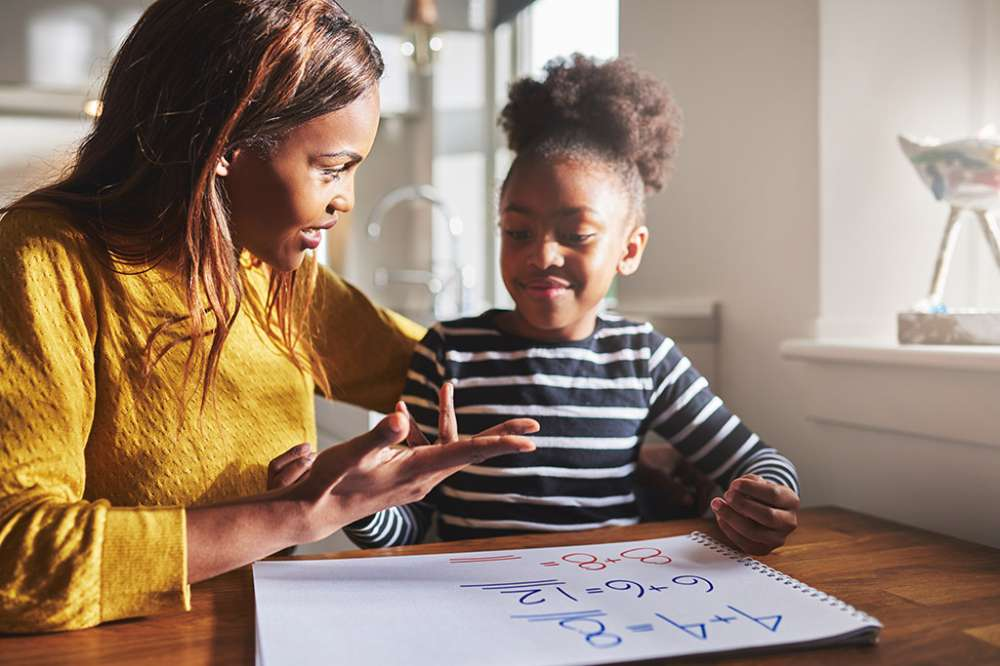
Math can be fun when it feels like play. Dice games, counting challenges, and simple board games introduce addition, subtraction, and problem-solving in an engaging way. For younger children, counting colorful blocks or sorting toys by size and number strengthens early math skills. Older kids may enjoy card games that require quick mental calculations. Cooking together is another creative way to practice math—measuring ingredients teaches fractions and proportions naturally. Even outdoor activities, such as hopscotch with numbered squares, can reinforce counting skills. By connecting numbers to real-life situations, children understand their practical value. Encouragement and patience are essential; celebrate effort rather than focusing solely on correct answers. When children see math as a puzzle to solve instead of a subject to fear, they develop confidence and critical thinking abilities that benefit them in school and beyond.
3. Creative and Imaginative Play

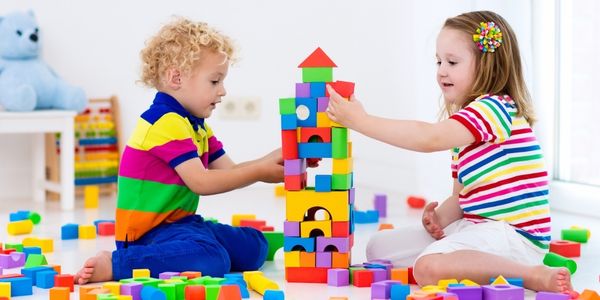


Creative games nurture imagination while enhancing cognitive and social development. Arts and crafts projects allow children to express themselves while improving fine motor skills. Building blocks and construction sets encourage spatial awareness and problem-solving. Role-playing games, such as pretending to be doctors, teachers, or shopkeepers, build communication skills and empathy. These imaginative activities also support emotional development by helping children understand different perspectives. Simple materials like paper, crayons, and recycled items can spark endless possibilities. Encourage children to invent their own stories and rules—it strengthens creativity and independence. Creative play does not require expensive toys; what matters most is freedom to explore ideas. When children engage in imaginative games, they learn to think outside the box and develop confidence in their abilities to create and innovate.
4. Outdoor Learning Adventures
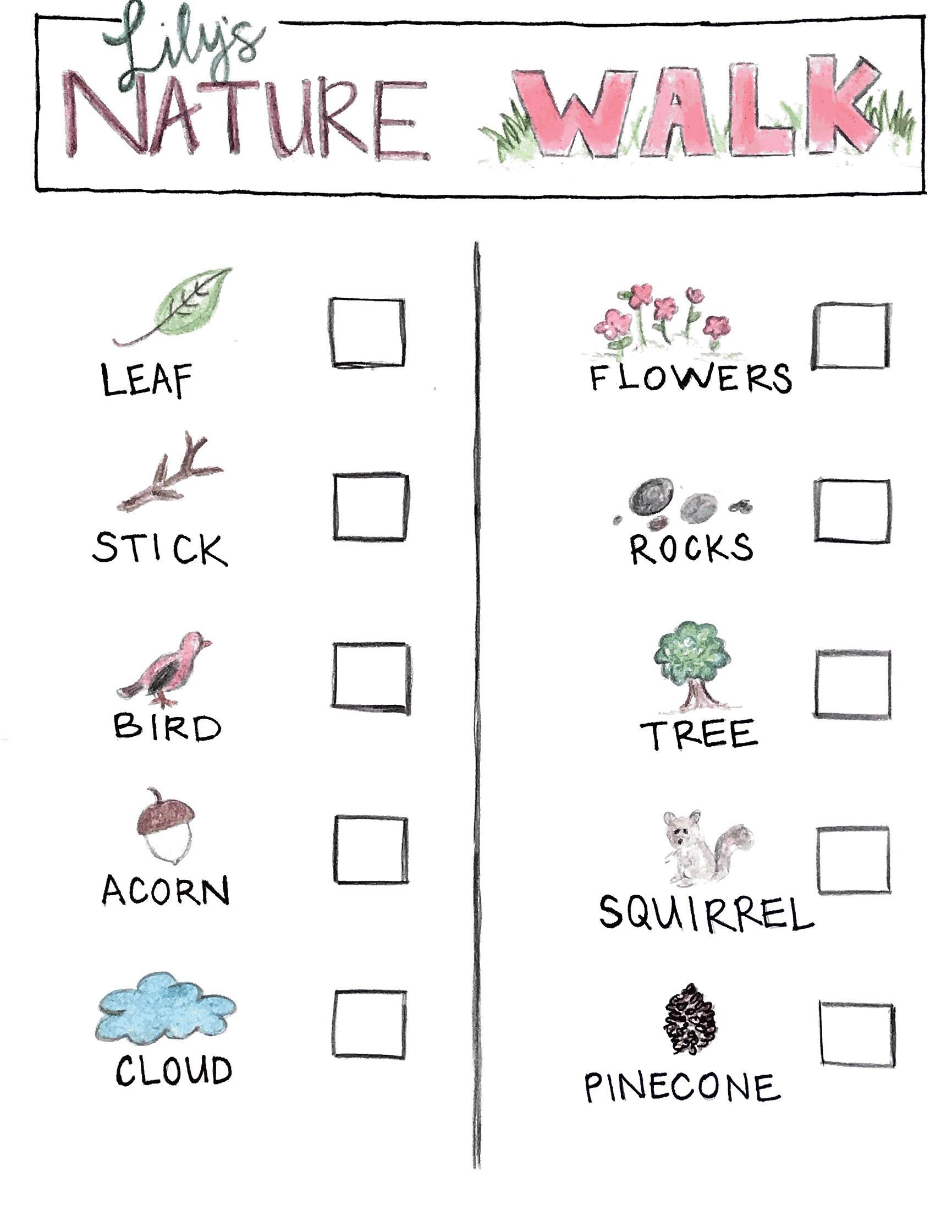


Outdoor games combine physical activity with valuable learning experiences. Nature scavenger hunts encourage observation and curiosity as children search for leaves, rocks, or insects. Visiting parks provides opportunities to learn about plants, animals, and ecosystems firsthand. Simple science experiments, such as observing shadows or planting seeds, turn outdoor time into educational exploration. Physical games like obstacle courses also improve coordination and teamwork. Outdoor learning strengthens both body and mind while reducing stress and boosting mood. Parents can ask open-ended questions to spark deeper thinking: “Why do you think this leaf looks different?” or “What happens if we water this plant every day?” These conversations turn everyday moments into learning opportunities. Fun learning games, whether indoors or outdoors, help children grow academically and emotionally. For more parenting tips and creative ideas, visit https://suddl.com/ and discover inspiring ways to support your child’s journey through play and discovery.