
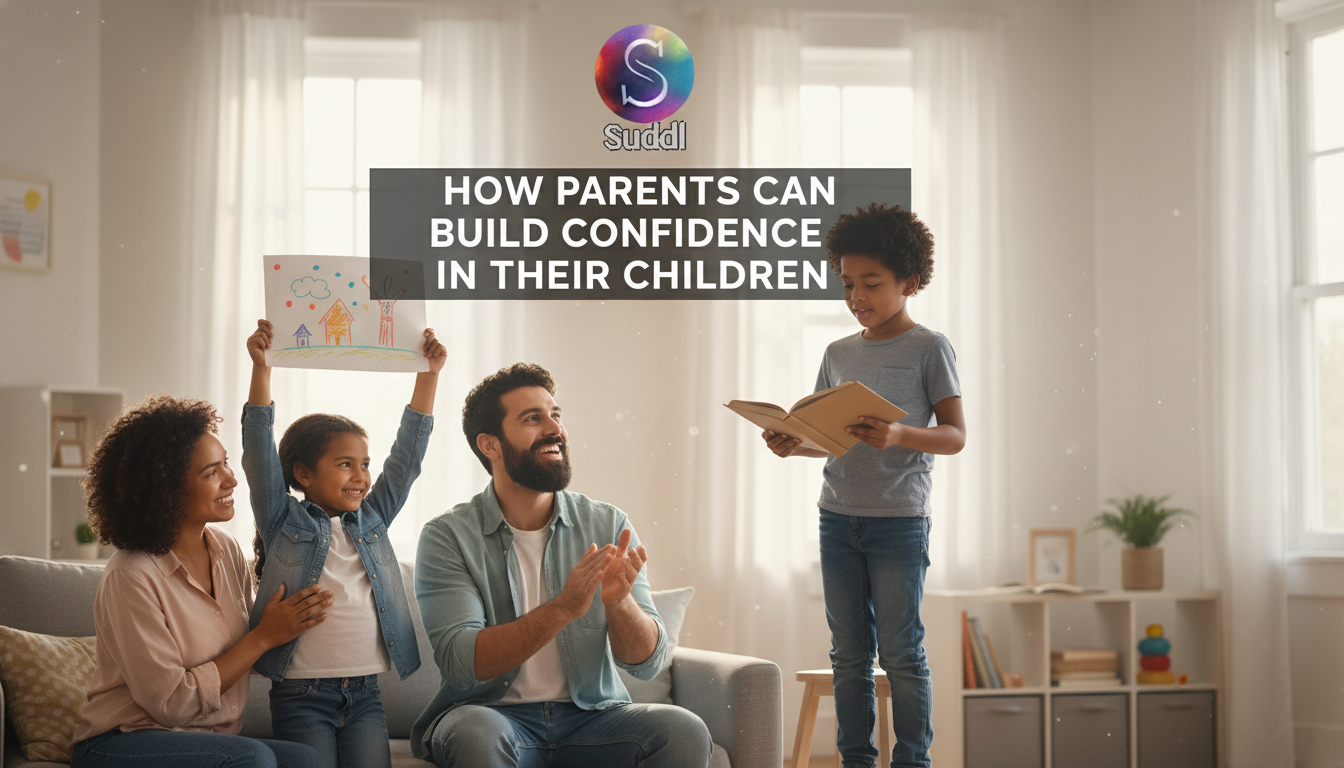
1. Encouraging Children to Express Themselves

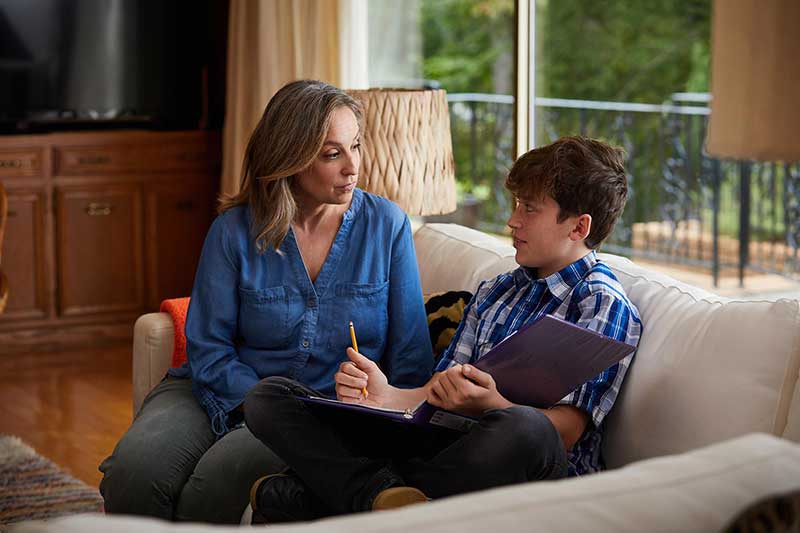


Confidence in children begins with the freedom to express their thoughts, feelings, and ideas. When parents create an environment where children feel safe speaking openly, it strengthens their self-esteem and helps them believe their voice matters. Children who are encouraged to share their opinions, ask questions, and talk about their emotions develop stronger communication skills and greater confidence in social situations. Listening patiently and responding with kindness teaches children that their thoughts are valuable.
Parents can encourage self-expression by asking open-ended questions and showing genuine interest in what their children say. For example, instead of simply asking how school was, parents might ask what the most interesting part of the day was or what made the child feel proud. These types of conversations help children reflect on their experiences and build a sense of self-awareness. When children feel heard and understood, they become more comfortable sharing ideas in classrooms, friendships, and other social environments.
Another powerful way to build confidence is by celebrating small achievements. Whether a child completes a homework assignment, learns a new skill, or solves a problem independently, recognition from parents reinforces positive behavior. Encouragement does not have to be extravagant; simple words of appreciation like “I’m proud of you” or “You did a great job trying your best” can have a strong impact. These affirmations help children develop a belief in their abilities.
It is also important for parents to model confident behavior themselves. Children learn a great deal by observing the adults around them. When parents communicate respectfully, handle challenges calmly, and show self-belief, children naturally adopt similar attitudes. Confidence grows gradually through everyday interactions and supportive relationships within the family. For more parenting guidance and family lifestyle ideas, you can explore helpful articles at https://suddl.com/ where valuable tips and insights are regularly shared.
2. Teaching Children to Embrace Challenges


Confidence grows when children learn that challenges are opportunities for growth rather than obstacles to avoid. Parents play a crucial role in shaping how children respond to difficulties. Instead of protecting children from every challenge, parents can guide them in facing problems and finding solutions. This process teaches resilience, patience, and determination—qualities that contribute significantly to self-confidence.
One effective way to encourage confidence is by allowing children to try new activities. Whether it is learning to ride a bicycle, participating in sports, solving puzzles, or trying creative hobbies like painting or music, these experiences help children discover their abilities. Even when they struggle initially, the process of practicing and improving gives them a sense of accomplishment.
Parents should also teach children that mistakes are a natural part of learning. Many children lose confidence when they believe they must be perfect to succeed. By explaining that everyone makes mistakes and that each mistake is an opportunity to learn, parents help remove the fear of failure. When children understand that failure is not something to be ashamed of, they become more willing to explore new opportunities.
Encouraging effort rather than focusing only on results is another key strategy. Praising a child for working hard, practicing consistently, or showing persistence sends a powerful message that effort matters. Over time, this approach helps children develop a growth mindset—the belief that abilities can improve through dedication and practice.
Supportive guidance from parents during challenging moments also strengthens the parent-child bond. When children know their parents believe in them, they gain the courage to keep trying even when things become difficult. These experiences gradually build inner confidence that lasts throughout their lives. To read more helpful parenting insights and family lifestyle tips, you can visit https://suddl.com/ for inspiring articles and resources.
3. Building Responsibility and Independence


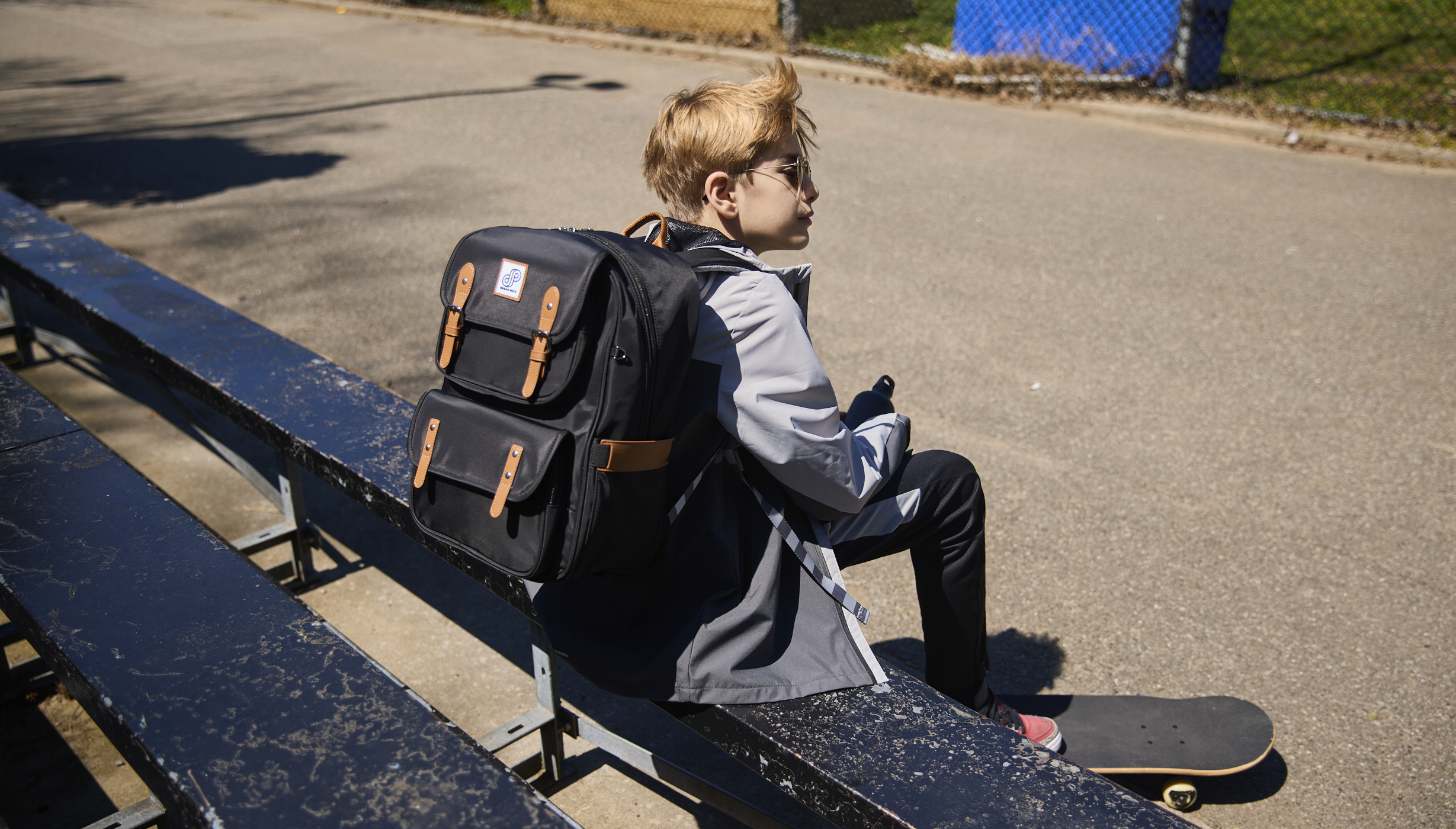

Another important step in building children’s confidence is teaching responsibility and independence. When children are trusted with small tasks and responsibilities, they begin to feel capable and reliable. These experiences help them understand that they can contribute meaningfully to their family and community. Responsibility also teaches valuable life skills that prepare children for future challenges.
Parents can start by assigning age-appropriate tasks such as organizing toys, helping set the table, packing a school bag, or completing simple household chores. These tasks might seem small, but they give children a sense of achievement and pride. Completing responsibilities independently helps children develop self-discipline and confidence in their abilities.
Encouraging independence also means allowing children to make certain decisions on their own. For example, letting them choose their clothes, pick a hobby, or decide how to spend free time can strengthen their sense of control and responsibility. When children feel trusted to make choices, they become more confident in their judgment.
At the same time, parents should offer guidance without being overly controlling. Providing support while allowing children to solve problems independently helps them build critical thinking skills. For instance, if a child faces difficulty with homework or a project, parents can guide them with hints or suggestions rather than immediately providing the solution. This approach encourages problem-solving and reinforces self-belief.
Over time, these small responsibilities and independent experiences shape children into confident individuals who trust their abilities. Confidence built through independence also prepares children for school, friendships, and future careers. Parents who nurture independence while providing emotional support create a balanced environment where children can thrive. For more ideas on family development, parenting strategies, and lifestyle advice, explore helpful articles available at https://suddl.com/.
4. Creating a Loving and Supportive Environment



A loving and supportive home environment is the foundation of a child’s confidence. Children who feel safe, valued, and loved are more likely to develop a strong sense of self-worth. Emotional support from parents reassures children that they are accepted for who they are, which allows them to explore the world with confidence and curiosity.
Spending quality time together as a family strengthens emotional connections and builds trust. Simple activities like sharing meals, reading together, playing games, or having meaningful conversations create positive memories and reinforce family bonds. These moments help children feel secure and supported in their daily lives.
Positive reinforcement also plays a significant role in boosting confidence. When parents acknowledge their child’s efforts, kindness, and achievements, it encourages continued positive behavior. Celebrating milestones—whether big or small—helps children feel appreciated and motivated to keep growing.
It is equally important for parents to show empathy and understanding when children face emotional challenges. Listening patiently and offering reassurance helps children manage stress, disappointment, and fear. Knowing that their parents will support them during difficult moments strengthens emotional resilience and confidence.
Ultimately, building confidence in children is a gradual process that involves patience, encouragement, and consistent support. By fostering open communication, encouraging challenges, promoting independence, and creating a loving environment, parents can help their children grow into confident, capable, and compassionate individuals. Strong confidence not only helps children succeed academically and socially but also prepares them for the many opportunities and challenges life may bring. For more parenting advice, family inspiration, and lifestyle articles, visit https://suddl.com/ where you can discover helpful resources designed to support families and personal growth.