
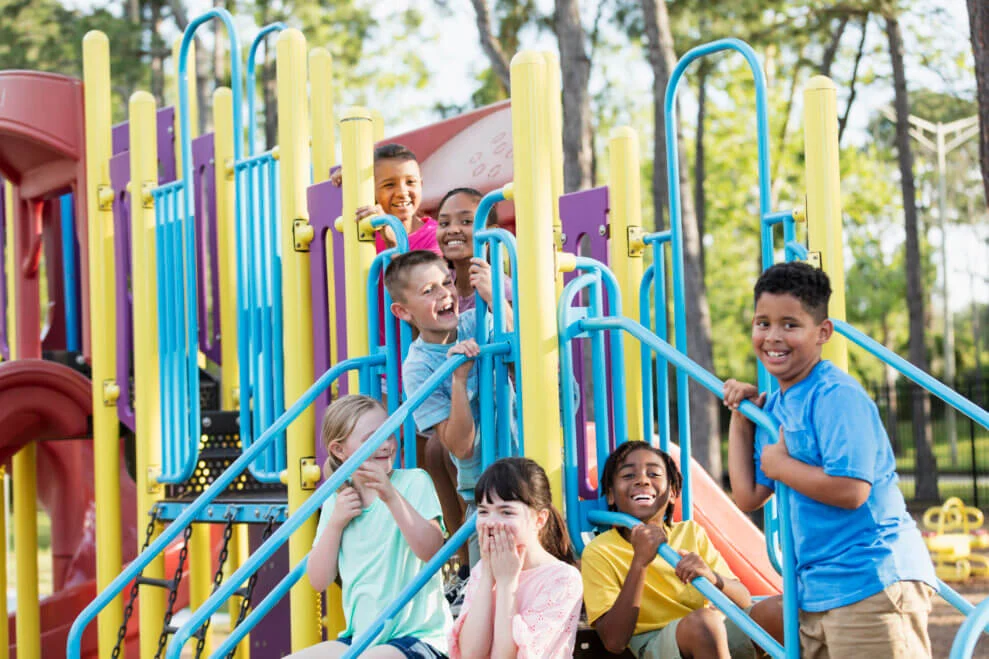
Childhood is one of the most important stages of life because it shapes a child’s personality, behavior, and future development. During these early years, children learn how to communicate, build friendships, and understand the world around them. The experiences children have in their early life often influence their confidence, creativity, and emotional growth.
A happy and supportive environment allows children to explore their interests and develop important life skills. Parents, teachers, and caregivers play a significant role in guiding children and helping them grow into responsible and confident individuals.
2. The Role of Play in Child Development
Play is a crucial part of child’s development. Through play, children learn how to solve problems, use their imagination, and interact with others. Activities such as building blocks, drawing, storytelling, and outdoor games help children develop creativity and cognitive skills.
Play also helps children learn teamwork and social interaction. When children play together, they practice sharing, cooperation, and communication. These experiences are essential for building healthy relationships and emotional intelligence.
3. Importance of Education for Kids


Education plays a vital role in shaping a child’s future. Schools provide children with knowledge, skills, and opportunities to explore different subjects. Learning subjects such as mathematics, science, language, and arts helps children develop critical thinking and problem-solving abilities.
A positive learning environment encourages curiosity and motivates children to ask questions. When children enjoy learning, they become more confident in their abilities and develop a lifelong interest in education.
4. Healthy Habits for Growing Kids
Healthy habits are essential for a child’s physical and mental development. A balanced diet that includes fruits, vegetables, dairy products, and whole grains helps children grow strong and energetic. Proper nutrition supports brain development and improves concentration in school.
Regular physical activity is equally important. Activities such as running, cycling, playing sports, and outdoor games help children stay active and maintain a healthy lifestyle. Exercise also improves mood and reduces stress.
5. The Role of Parents and Family

Parents and family members have a major influence on a child’s growth and development. Spending quality time with children helps build trust, confidence, and emotional security. Simple activities like reading together, talking about the day, or playing games can strengthen the bond between parents and children.
Supportive families encourage children to express their ideas and feelings. When children feel loved and understood, they develop stronger self-esteem and a positive outlook on life. Family guidance and encouragement play a crucial role in helping children grow into responsible and caring adults.