
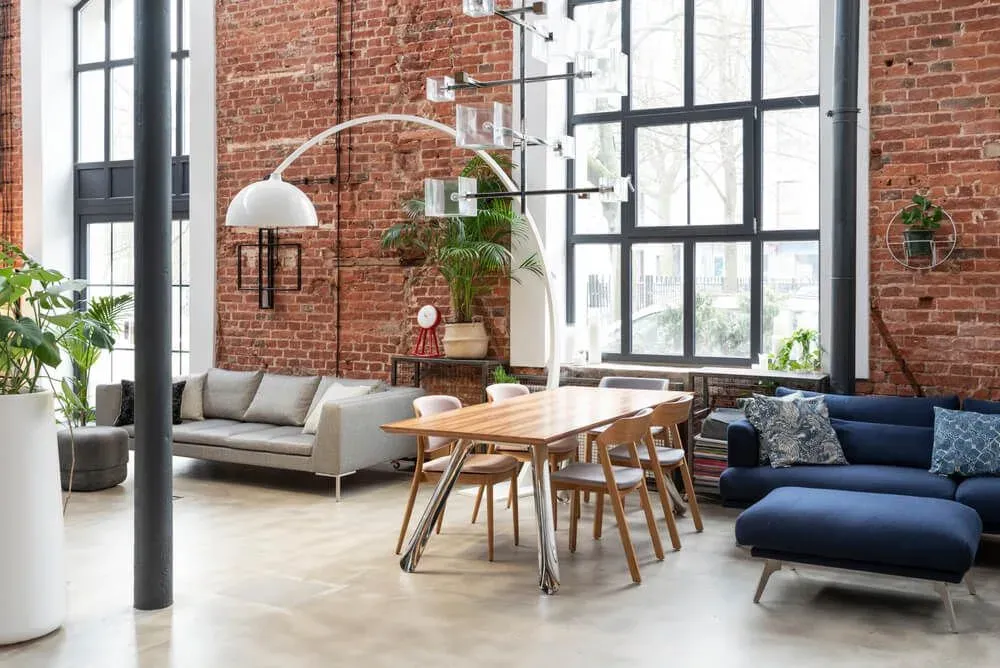
Industrial interior design is a modern style inspired by old factories, warehouses, and industrial spaces. It became popular when abandoned industrial buildings were converted into residential lofts, especially in cities like New York and London. This design embraces raw materials, open spaces, and unfinished elements to create a bold and urban aesthetic.
Unlike traditional interior styles that focus on polished finishes, industrial design celebrates imperfections. Exposed brick walls, visible pipes, concrete floors, and metal structures are not hidden but highlighted as key features. This gives the space a unique character that feels both modern and authentic. Industrial interiors are perfect for those who love a minimalist yet edgy look with a touch of creativity.
2. Key Elements of Industrial Design

The foundation of industrial interior design lies in its materials and structure. The most common elements include exposed brick, raw concrete, metal, and reclaimed wood. These materials create a rough yet stylish appearance that defines the industrial look.
Furniture in industrial spaces is usually simple, functional, and made from sturdy materials like iron and wood. Tables with metal frames, wooden tops, and vintage-style cabinets are often used. Another key element is the use of open layouts, which create a spacious and airy environment.
Textures also play an important role. Combining rough surfaces like brick with softer elements such as rugs and cushions helps balance the overall design, making the space comfortable as well as visually appealing.
3. Color Palette and Lighting
Industrial interiors typically use a neutral and earthy color palette. Shades like grey, black, white, brown, and metallic tones dominate the space. These colors reflect the raw materials used in the design and help create a cohesive and modern look.
Lighting is one of the most defining features of industrial style. Edison bulbs, pendant lights, and metal fixtures are commonly used to enhance the industrial vibe. Warm lighting adds depth and makes the space feel inviting despite its raw appearance.
Large windows are also important, as they allow natural light to flow into the space. This softens the darker tones and creates a balanced and comfortable environment.
4. Furniture and Layout

Furniture in industrial design is all about simplicity and functionality. Pieces are often large, sturdy, and designed with clean lines. Leather sofas, wooden tables, and metal chairs are common choices that fit perfectly with the industrial theme.
The layout of an industrial space is usually open and flexible. Instead of dividing rooms with walls, furniture is used to define different areas such as the living room, dining space, and workspace. This open-plan concept makes the area feel larger and more connected.
Minimal decoration is another key aspect. Rather than overcrowding the space, industrial design focuses on a few statement pieces that stand out and enhance the overall look.
5. Decor and Styling Ideas

Decor in industrial interiors is simple yet impactful. Items such as metal shelves, vintage clocks, abstract wall art, and exposed lighting fixtures are commonly used. These elements add personality without overwhelming the space.
Plants are also an important addition, as they bring freshness and contrast to the raw materials. Greenery softens the industrial look and makes the space feel more lively and welcoming.
Another popular styling idea is mixing modern and vintage elements. For example, pairing an old wooden table with modern chairs can create a unique and stylish contrast that defines industrial design.
6. Advantages of Industrial Interior Design
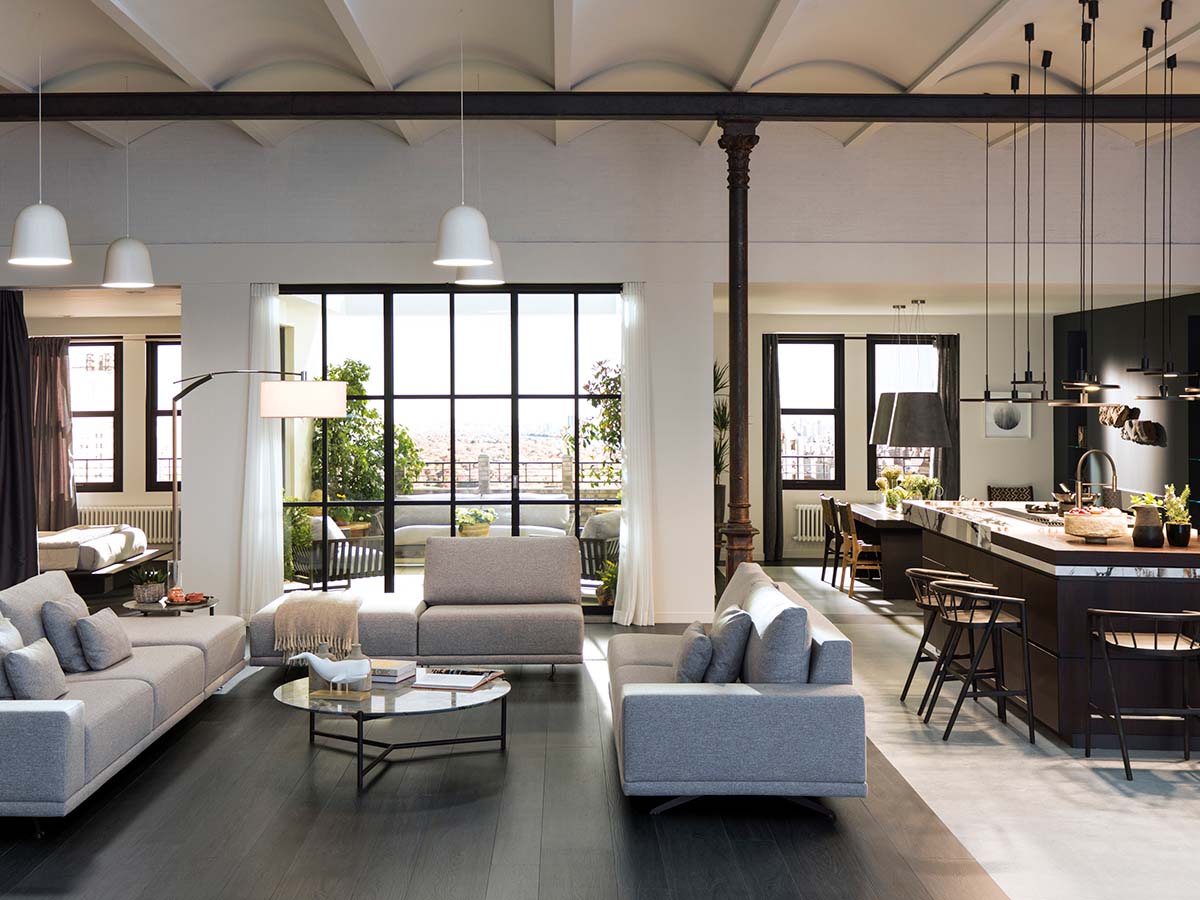

Industrial interior design offers many benefits. One of the biggest advantages is its low-maintenance nature. Since the style embraces raw and unfinished elements, there is less need for constant upkeep or decoration.
It is also highly versatile and can be adapted to different spaces, whether it’s a small apartment or a large house. The open layout and simple design make it practical for modern living.
Another advantage is its timeless appeal. Industrial design does not rely on fast-changing trends, which means it remains stylish for years without needing major updates.
7. Why Choose Industrial Interior Design?

Industrial interior design is perfect for those who love a modern, bold, and unconventional style. It offers a unique blend of simplicity and creativity, making any space stand out.
This design style reflects personality and individuality. It allows you to experiment with materials, textures, and layouts while maintaining a cohesive and stylish look.
Whether you are designing a new home or renovating an existing space, industrial interior design can transform your environment into a modern urban masterpiece that is both functional and visually striking.