
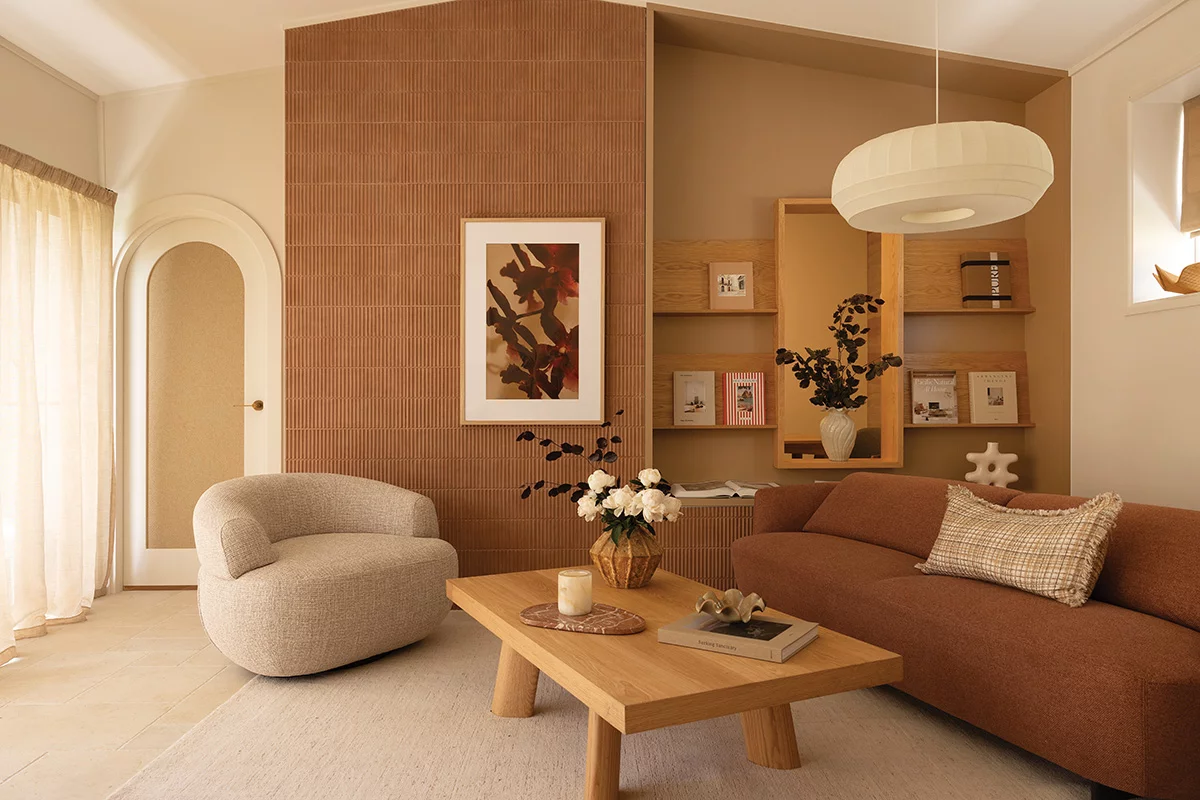
Modern minimalist interior design is more than a decorating trend. It is a thoughtful approach to living that values simplicity, function, and calm. In a world filled with noise, clutter, and constant distraction, minimalist interiors offer a quiet retreat. They create spaces that feel open, balanced, and purposeful. Rather than filling every corner with furniture and decoration, this design style focuses on what is truly necessary and beautiful.
At its core, modern minimalist interior design is built on the idea that less is more. This does not mean a home should feel empty, cold, or boring. Instead, it means every element in the room should have a clear purpose. Furniture, lighting, textures, and colors are chosen carefully to create harmony. The result is an environment that feels clean, elegant, and easy to live in.
One of the most noticeable features of minimalist interiors is the use of space. In this style, space itself becomes part of the design. Rooms are arranged to feel open and breathable. Furniture is placed with intention, allowing movement to flow naturally. There is often a sense of visual order, with clear lines and uncluttered surfaces. This openness helps reduce stress and gives the home a peaceful atmosphere.
Color plays a major role in minimalist design. Neutral tones are commonly used because they create a calm and timeless background. Shades of white, beige, gray, taupe, and soft earth colors are especially popular. These colors reflect natural light and make a room feel larger and brighter. While minimalist spaces usually avoid loud or overly bright color schemes, accent colors can still be added in subtle ways. A muted olive cushion, a black metal lamp, or a warm wooden table can bring depth without disturbing the simplicity of the room.
Furniture in modern minimalist interiors is defined by clean lines and practical design. Pieces are usually simple in shape, with little ornamentation. Sofas may have straight edges and smooth upholstery. Tables often feature sleek surfaces and geometric forms. Storage solutions are especially important, because clutter can quickly ruin the minimalist effect. Built-in cabinets, hidden compartments, and multifunctional furniture help keep the room organized while maintaining a neat appearance. In a minimalist home, furniture is not just decorative. It must also serve the everyday needs of the people who live there.
Materials are equally important in creating a successful minimalist space. Although the style is simple, it should still feel inviting and warm. This is often achieved through a mix of natural and refined materials. Wood is commonly used to add warmth and softness. Stone, concrete, metal, and glass can also appear in minimalist interiors, bringing texture and contrast. The beauty of these materials lies in their honesty. Instead of covering them with excessive decoration, minimalist design allows their natural qualities to stand out.
Lighting is another essential element. A minimalist interior depends heavily on good lighting to highlight space, texture, and form. Natural light is especially valued. Large windows, sheer curtains, and open layouts help sunlight travel freely through the home. Artificial lighting is usually simple and sculptural. Pendant lights, recessed lights, and floor lamps are chosen not only for function but also for their visual clarity. In minimalist design, lighting should feel soft and balanced, not harsh or overwhelming.
Decoration in modern minimalist design is kept to a minimum, but that does not mean it is absent. Accessories are selected with care, and each one should contribute something meaningful to the space. A single large artwork, a ceramic vase, a textured rug, or a well-placed indoor plant can be enough to complete a room. The goal is not to decorate every surface but to create moments of quiet beauty. When fewer decorative objects are used, each one becomes more noticeable and important.
Minimalism is also deeply connected to functionality. This style works best when a home is designed around the lifestyle of its occupants. A minimalist kitchen, for example, will prioritize efficient storage, clean countertops, and easy movement. A minimalist bedroom will focus on comfort, rest, and freedom from distraction. A minimalist living room will encourage relaxation and conversation rather than visual overload. Because of this practical nature, minimalist design is often appreciated by people who want a home that is both stylish and manageable.
Another reason for the popularity of modern minimalist interiors is their timeless appeal. Unlike highly decorative trends that may feel outdated after a few years, minimalist spaces tend to remain relevant for a long time. Their emphasis on quality, balance, and simplicity gives them a lasting elegance. This makes minimalism a smart choice for homeowners who want interiors that will age gracefully. It also encourages thoughtful buying habits, since the focus shifts from quantity to quality.
However, successful minimalist design requires discipline. It is easy to misunderstand minimalism as simply removing objects from a room. True minimalism is more intentional than that. It requires careful editing, smart planning, and attention to detail. A poorly designed minimalist room can feel lifeless or incomplete. A well-designed one feels calm, refined, and deeply comfortable. The difference lies in proportion, texture, lighting, and the thoughtful selection of each element.
Minimalist interiors can also be personalized. While the style has a clear visual identity, it does not have to look the same in every home. Some people prefer a warmer version with soft textiles and natural wood. Others choose a more industrial look with concrete floors and black metal accents. Some combine minimalism with Scandinavian design, adding coziness and lightness. Others blend it with Japanese influences, creating serene interiors inspired by balance and nature. This flexibility allows minimalist design to adapt to different personalities and lifestyles.
In today’s fast-paced world, modern minimalist interior design offers more than visual beauty. It supports a way of living that values clarity, comfort, and intention. By reducing unnecessary elements, it makes room for what truly matters. It can help people feel more organized, more relaxed, and more connected to their surroundings. A minimalist home is not about sacrifice. It is about choosing quality over excess and peace over chaos.
In conclusion, modern minimalist interior design is a powerful example of how simplicity can create beauty. Through clean lines, neutral colors, functional furniture, natural materials, and thoughtful decoration, it transforms ordinary rooms into calm and timeless spaces. Its appeal lies not only in how it looks but also in how it feels to live in. Minimalism reminds us that a well-designed home does not need to be crowded or complicated. Sometimes, the most meaningful spaces are the ones that leave room to breathe.