
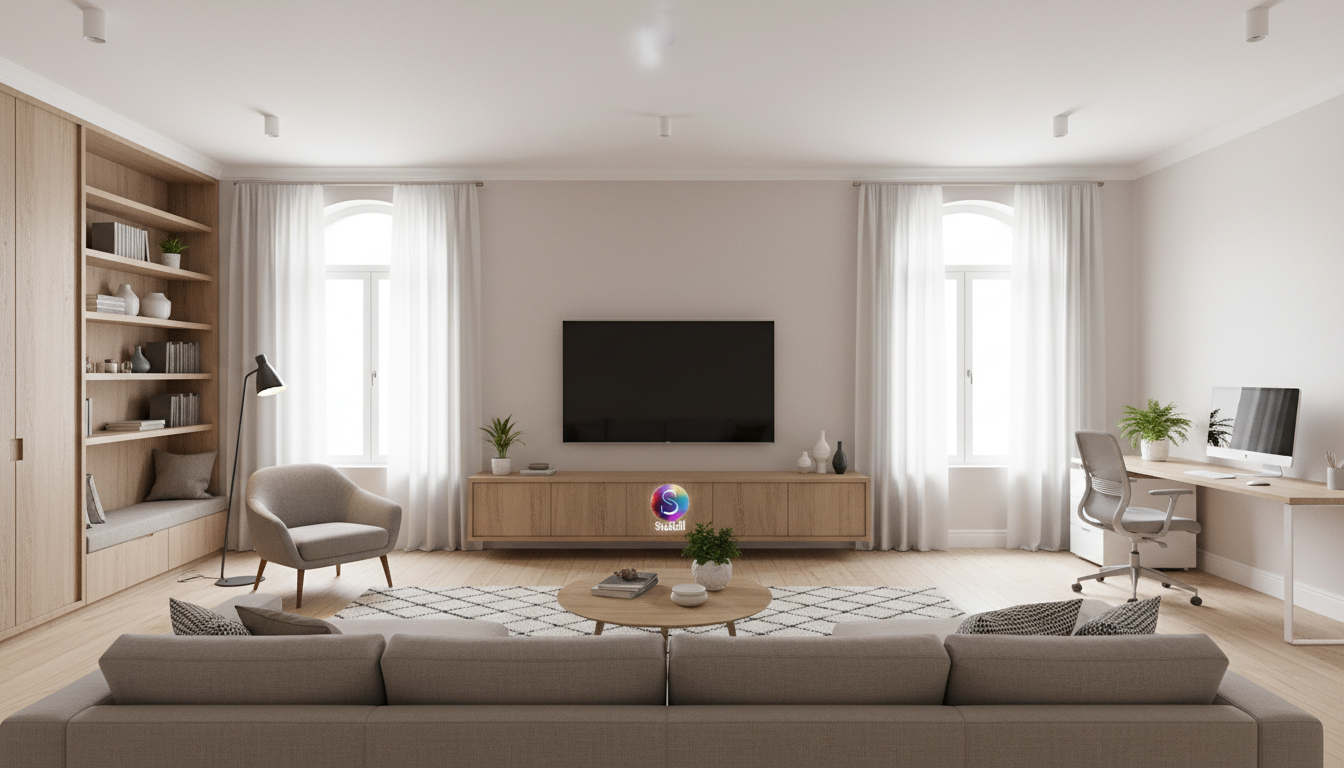
1. Smart Layouts for Flexible Living
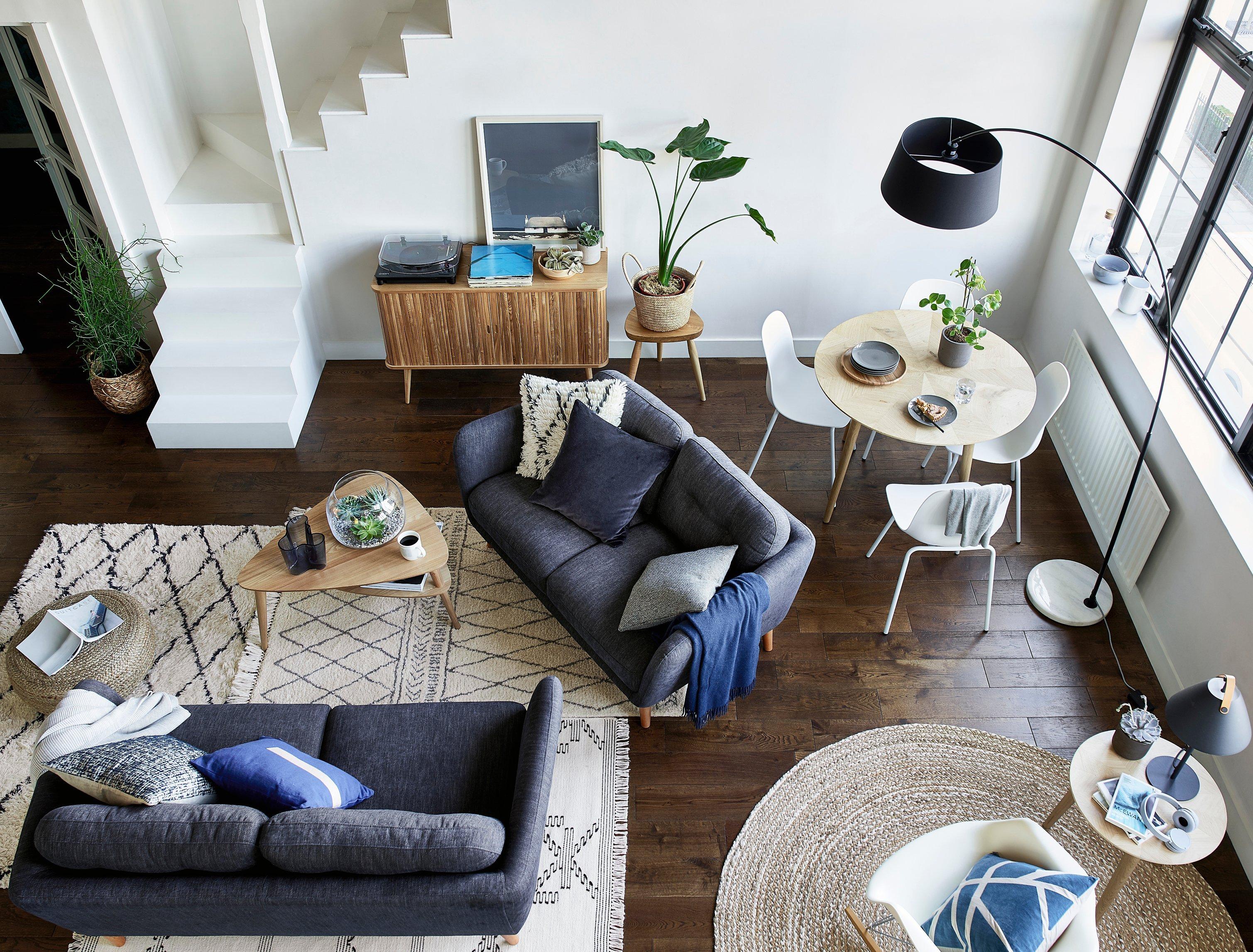


Modern homes demand flexibility, and multi-purpose living rooms are becoming essential in 2026. Whether you live in a compact apartment or a spacious house, designing a living room that serves multiple functions requires thoughtful planning. Start by identifying your primary needs—do you need a home office corner, a reading nook, or a play area for kids? Zoning is key. Use rugs, furniture placement, or shelving units to visually divide spaces without building walls. For example, a sofa placed strategically can separate the lounging area from a small desk workspace behind it. Open-concept layouts benefit from cohesive color palettes to maintain harmony while supporting different activities. Lightweight furniture that can be moved easily adds flexibility. By planning the layout carefully, you create a room that flows naturally while meeting everyday demands. For more smart home design inspiration, explore https://suddl.com/ and discover creative solutions for modern living.
2. Furniture That Does Double Duty

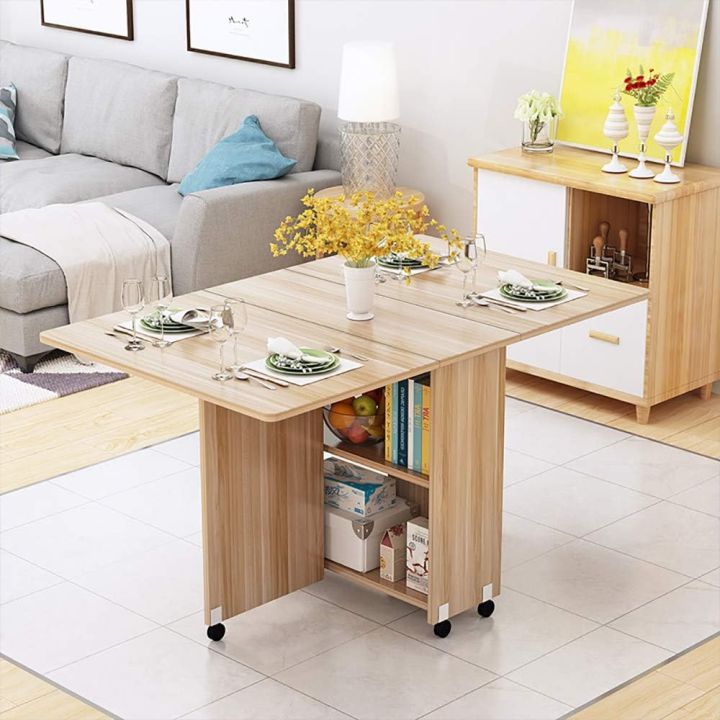

In a multi-purpose living room, furniture must work harder. Investing in pieces that serve more than one function maximizes both space and practicality. Sofa beds are perfect for hosting guests without requiring a separate guest room. Storage ottomans provide seating while hiding blankets, books, or toys inside. Foldable desks or wall-mounted tables can transform a living area into a productive workspace in seconds. Modular sofas allow you to rearrange seating depending on the occasion—movie nights, gatherings, or quiet evenings. Nesting tables and stackable chairs can be tucked away when not in use. The key is selecting furniture that blends seamlessly into your design theme while offering flexibility. Durable materials and neutral colors ensure longevity and versatility. By choosing functional yet stylish pieces, your living room remains clutter-free and effortlessly adaptable.
3. Storage Solutions That Keep It Organized

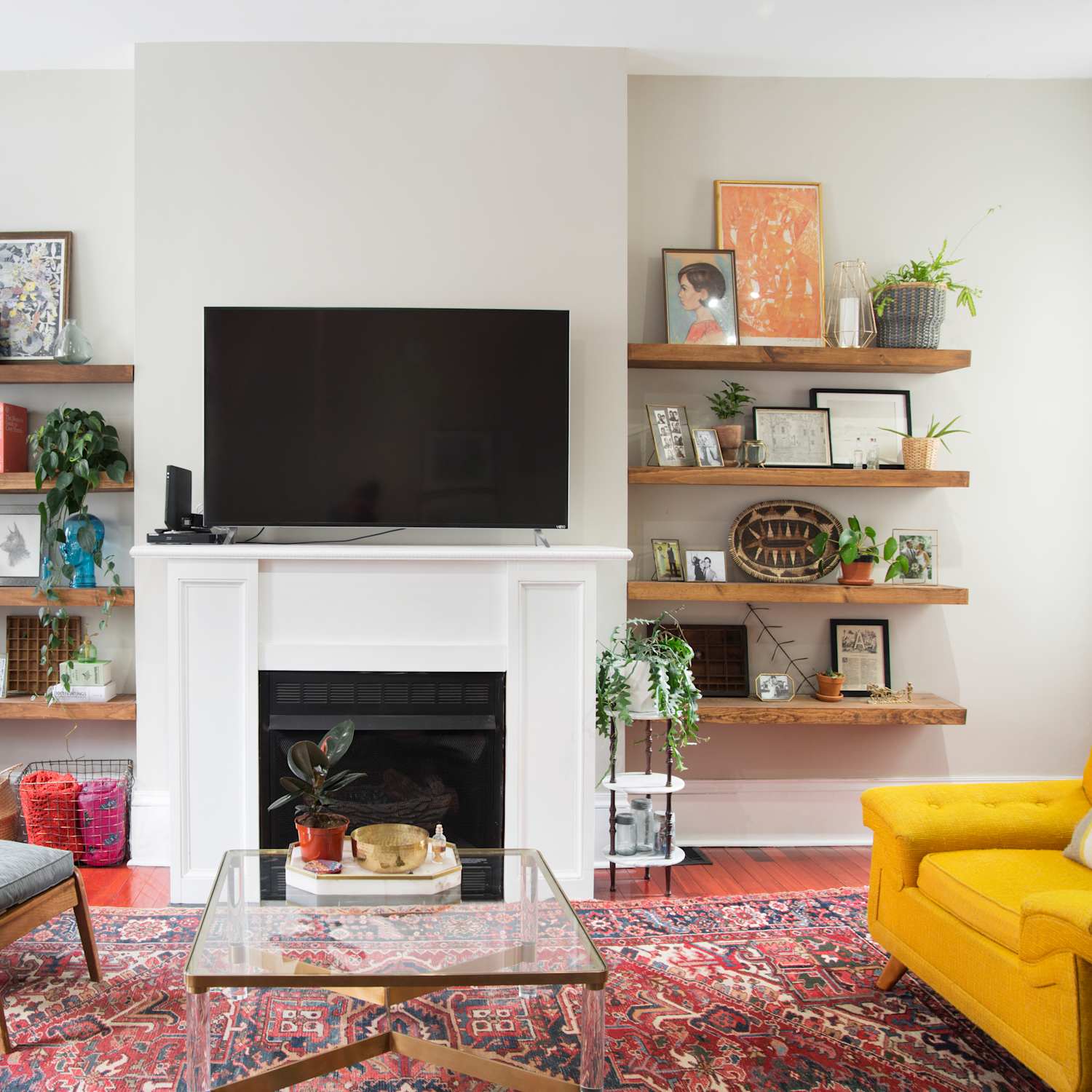
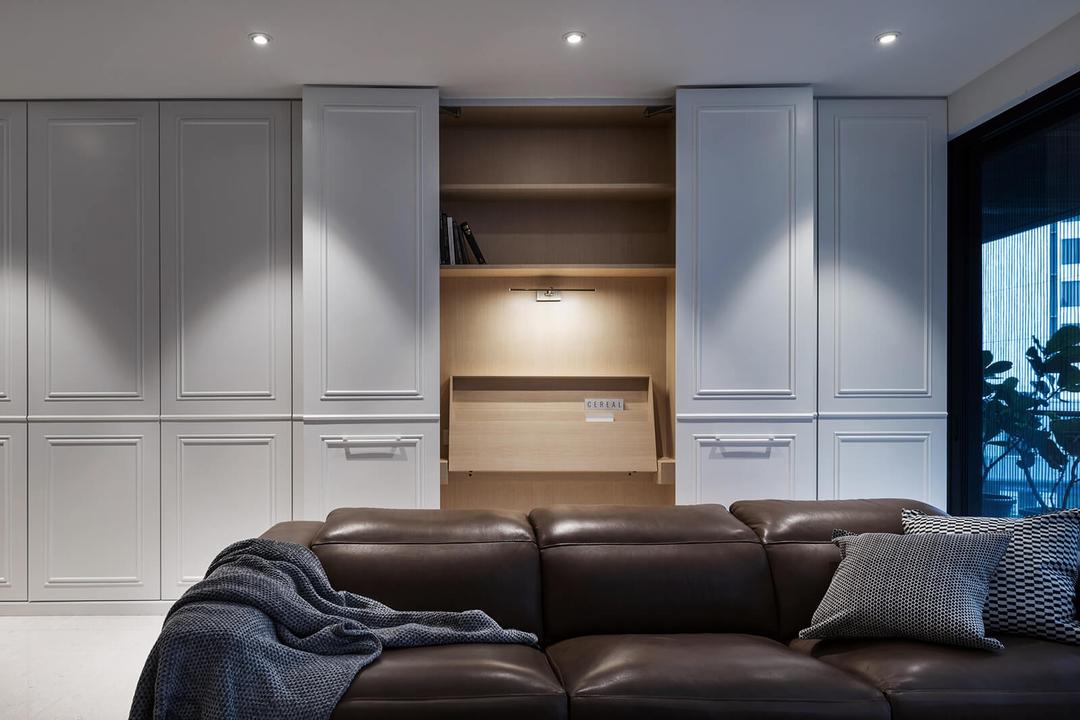
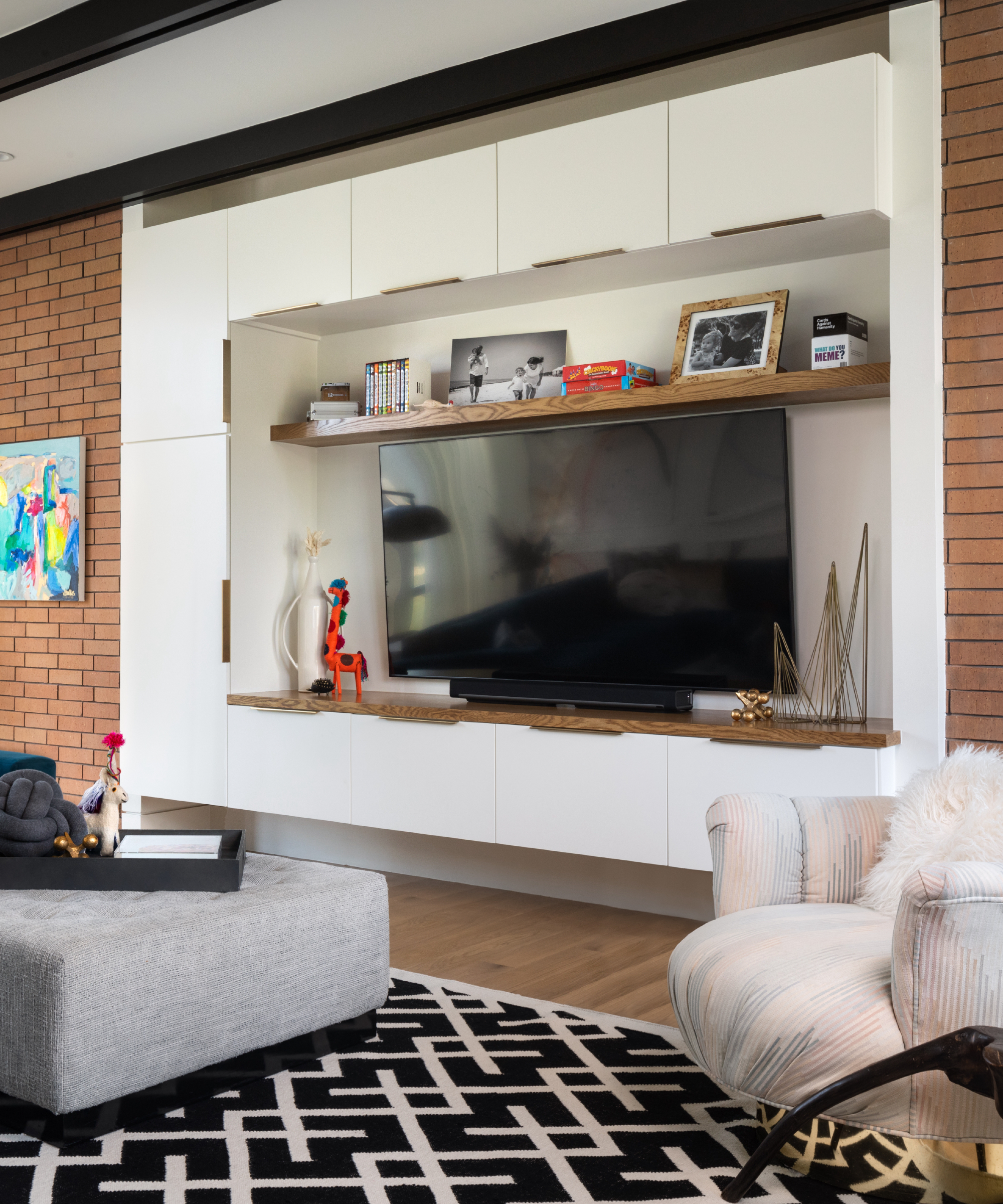
Organization plays a crucial role in maintaining a beautiful multi-purpose space. Without proper storage, a room serving multiple functions can quickly feel chaotic. Built-in shelves provide vertical storage while doubling as decorative displays. Floating shelves are perfect for showcasing books, plants, and artwork without taking up floor space. Hidden storage cabinets keep clutter out of sight, preserving a clean aesthetic. Consider furniture with built-in drawers or compartments to maximize every inch. Baskets and decorative boxes add both texture and practicality. Keeping frequently used items accessible while storing seasonal or less-used items away maintains order. When everything has a designated place, the room transitions smoothly from workspace to entertainment area. A well-organized environment not only looks stylish but also reduces stress and increases productivity.
4. Lighting and Décor for Seamless Transitions


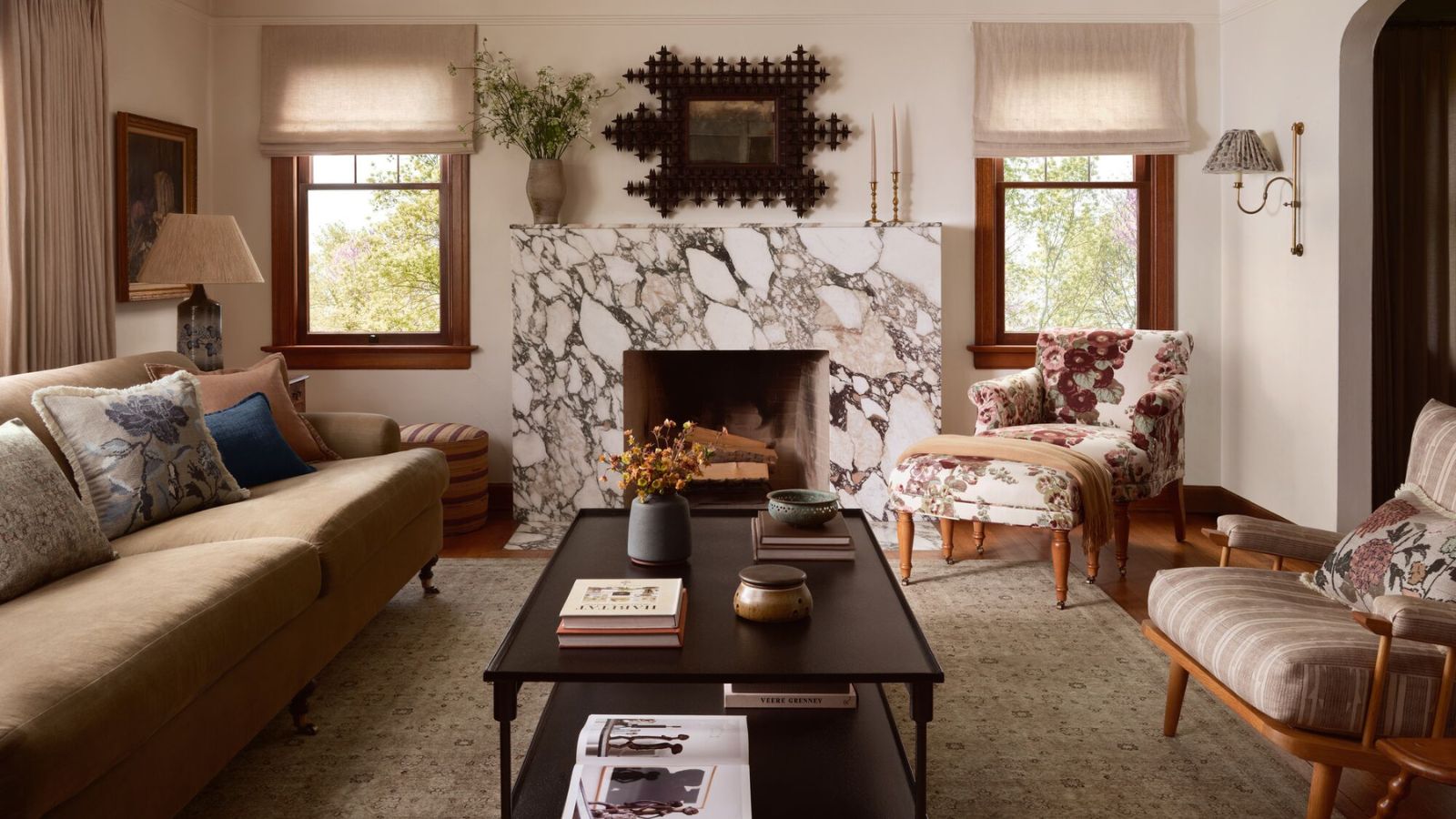
Lighting and décor bring cohesion to a multi-purpose living room. Layered lighting allows you to adjust the atmosphere depending on the activity. Bright task lighting works well for reading or working, while soft ambient lighting creates a cozy environment for relaxation. Floor lamps, table lamps, and dimmable ceiling fixtures offer versatility. Decorative elements should tie the different zones together—coordinated cushions, artwork, and rugs create visual harmony. Adding greenery softens the look and brings life into the space. Choose décor that reflects your personality but avoid overcrowding, especially in smaller rooms. A balanced combination of function and style ensures the room feels inviting rather than overworked. Multi-purpose living rooms represent modern living at its best—efficient, stylish, and adaptable. For more interior design ideas and creative home solutions, visit https://suddl.com/ and transform your space into a functional masterpiece.