
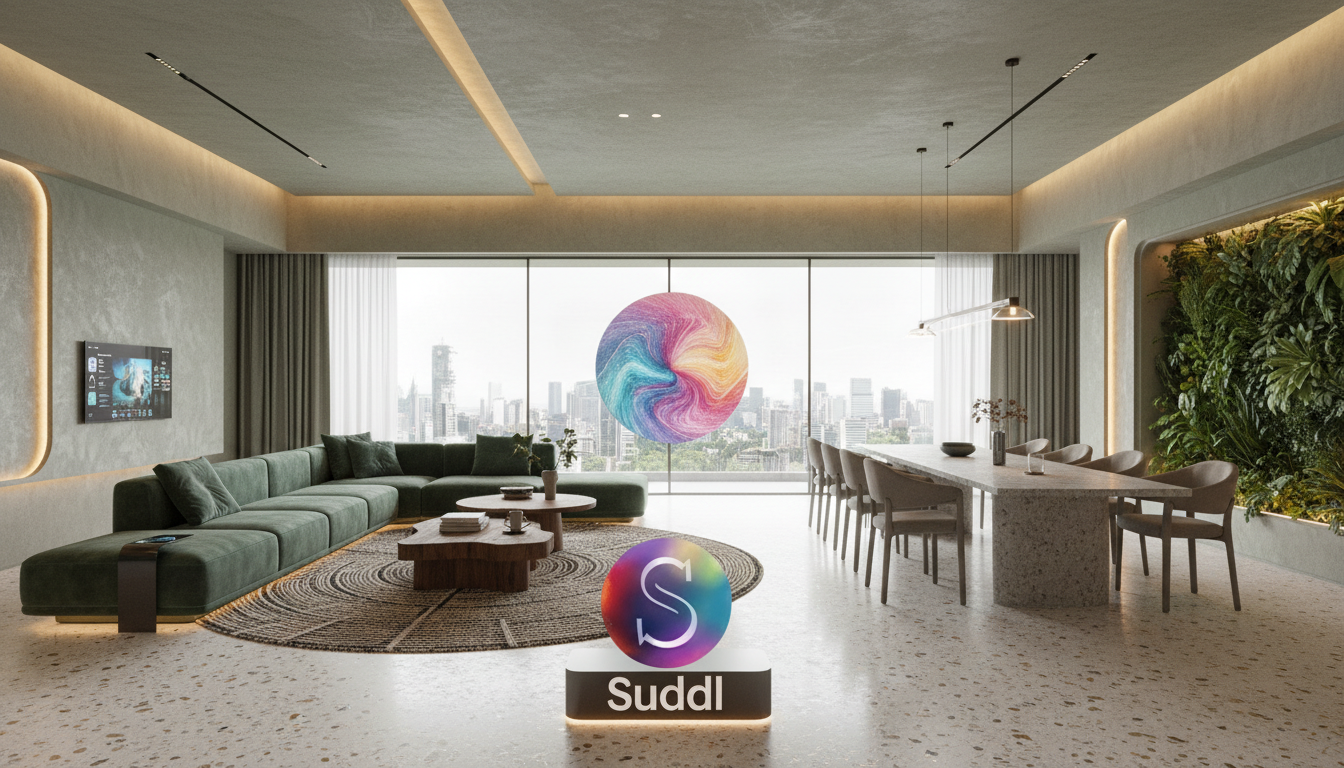
The way we live in our homes has changed dramatically in recent years — and with that change comes new trends in interior design that respond to lifestyle shifts, personal expression, and evolving aesthetics. Whether you’re refreshing one room or completely redesigning your space, these trends will inspire you to create interiors that feel beautiful and deeply personal.
In this article, we’ll explore the top interior design trends you’ll fall in love with in 2026 — from sustainable finishes and sensory textures to bold colors and multifunctional spaces. Let’s dive in!
1. Sustainable Luxury: Beauty Meets Responsibility
Sustainability is more than a buzzword — it’s now a cornerstone of modern design. Homeowners are choosing materials and finishes that are not only beautiful but also eco-friendly. Think reclaimed wood floors, low-VOC paints, and bespoke furniture crafted from recycled or responsibly sourced materials.
Luxury no longer means excess; it means intentional choices. A handcrafted driftwood console table, organic cotton upholstery, or naturally dyed textiles add elegance without compromising the planet.
This shift reflects a deeper cultural change: spaces that look good and feel good about how they were made. Sustainability is expected to stay at the forefront of design conversations well into the future.
2. Comfort-First Spaces: Cozy Corners and Layered Textures
We’re spending more time at home than ever before — and comfort is king. Gone are the days of purely minimalist, gallery-like rooms. Instead, layered textures, plush fabrics, and intelligent furniture placement are emerging as key trends.
Picture this: a velvet sofa paired with wool throws, bouclé armchairs, a jute rug underfoot, and soft lighting that creates an inviting glow. This style isn’t just about tactile luxury — it’s about creating environments that feel like a warm embrace.
The rise of “comfort chic” means spaces that balance style and snugness, encouraging relaxation and connection.
3. Warm Minimalism: Calm, Clean, But Inviting
Minimalism isn’t dying — it’s evolving. While stark white walls and bare spaces dominated the early 2010s, the current trend leans toward warm minimalism: uncluttered spaces accented with cozy, earthy tones and natural materials.
Think beige, muted terracotta, soft greens, stone, wood, and soft metallics. Spaces feel open and orderly, but with personality and warmth — not cold sterility.
This trend elevates simplicity through thoughtful details rather than stark emptiness. It’s perfect for anyone who wants serene spaces without sacrificing style.
4. Biophilic Design: Bringing the Outdoors In
Designers continue to blur the boundaries between nature and architecture — and homeowners are loving the result. Biophilic design emphasizes natural light, plant life, organic materials, and views of nature.
Indoor gardens, statement plants like monstera and fiddle leaf figs, and living green walls are no longer niche. Large windows with minimal coverings maximize sunlight. Natural stone and wood finishes ground interiors in an earthy, rejuvenating palette.
This trend isn’t just aesthetic — it’s good for wellbeing too. Studies show that connection to nature can reduce stress and improve mood and productivity.
5. Bold Colors and Artistic Expression
After years of soothing neutrals dominating homes, bold colors are staging a comeback. Jewel tones like emerald green, sapphire blue, and rich burgundy are showing up on accent walls, cabinetry, and statement furniture.
What’s key here isn’t chaos, but curated boldness. Designers are pairing vibrant hues with understated elements so the space feels intentional rather than overwhelming.
Art also takes center stage — large abstract paintings, sculptural wall pieces, and custom murals bring personality and story to every room.
6. Multifunctional Spaces: Design That Works Harder
Our homes are more than just living spaces — they are offices, gyms, classrooms, and sanctuaries all in one. That’s why multifunctional design is in high demand.
Think of:
- A built-in desk that doubles as a dressing table
- A guest room that transforms into a yoga studio
- Fold-away furniture that maximizes space
- Kitchen islands with integrated dining areas
Smart storage solutions — like hidden cabinets, sliding doors, and modular shelving — keep spaces efficient and clutter-free. This approach helps every square foot pull more than its weight.
7. Technology That Enhances, Not Distracts
Home technology should make life easier without stealing the scene. In 2026, smart home design is about seamless integration — tech that’s intuitive and beautiful.
Automated lighting systems, voice-activated shades, and climate control help create comfortable environments effortlessly. But the sleek appeal comes from how subtly they’re incorporated: panels that disappear into walls, hidden speakers, and appliances that marry form with function.
Technology that supports design — rather than dominates it — is the trend to watch.
8. Global Influences and Personal Storytelling
Travel has returned, and so has the desire to bring global inspiration into our living spaces. Whether it’s a Moroccan rug, Japanese ceramics, West African textiles, or Italian terrazzo floors, global elements add depth and individuality.
Rather than mimic entire cultures, this trend focuses on meaningful pieces that tell a story — items collected from places visited, heirlooms passed through generations, or artisan pieces chosen for their craft.
Your home becomes an expressive canvas — not just a showroom.
9. Curved Furniture and Sculptural Forms
Straight lines are taking a backseat to soft, welcoming shapes. Curved sofas and rounded chairs evoke comfort and fluidity, while archways and circular motifs add architectural interest.
These sculptural elements bring a playful yet elegant feel to interiors. They soften rooms and subtly guide the eye, making spaces feel harmonious and thoughtfully designed.
10. Personalized Lighting That Sets the Mood
Lighting is essential to make any space feel alive. In 2026, lighting goes beyond utility — it becomes a design feature in its own right.
Layered lighting approaches include:
- Ambient lights for overall warmth
- Task lighting for work and reading areas
- Accent lighting to highlight artwork or architectural details
Statement fixtures — like oversized pendants or artistic chandeliers — become focal points. Warm LED hues are popular for their cozy glow and energy efficiency.
Lighting isn’t just functional; it’s emotional.
Final Thoughts: Design With Intention
The most exciting interior design trends of 2026 have one thing in common: they focus on people — how we feel, how we live, and how we connect with our spaces.
From tactile comfort and sustainable materials to bold colors and multifunctional layouts, design is becoming more expressive, intentional, and personal than ever before.
Looking for more design inspiration and ideas for your next home update? Visit https://suddl.com/ — your destination for curated interior trends, expert tips, and creative solutions that help you design a space you truly love.