
In the rapidly evolving landscape of digital fashion and social media subcultures, few archetypes have been as dominant, scrutinized, and ultimately influential as the “Black Baddie.” What began as a specific aesthetic on platforms like Instagram and Tumblr has transformed into a global blueprint for style, confidence, and self-possession.
But to look at a Black Baddie and see only the acrylic nails, the perfectly laid edges, and the body-con silhouettes is to miss the deeper cultural narrative. The Black Baddie is a celebration of Black womanhood that refuses to be quiet, modest, or secondary. It is an intersection of hip-hop culture, high fashion, and a radical reclamation of the “diva” spirit.
The Anatomy of the Aesthetic
The “Baddie” aesthetic, while now universal, has its architectural roots in the Black community. It is a modern evolution of the “video vixen” era of the early 2000s and the “it-girl” energy of 90s R&B. However, the Black Baddie has refined this look into a science.
1. The Face: Beat to Perfection
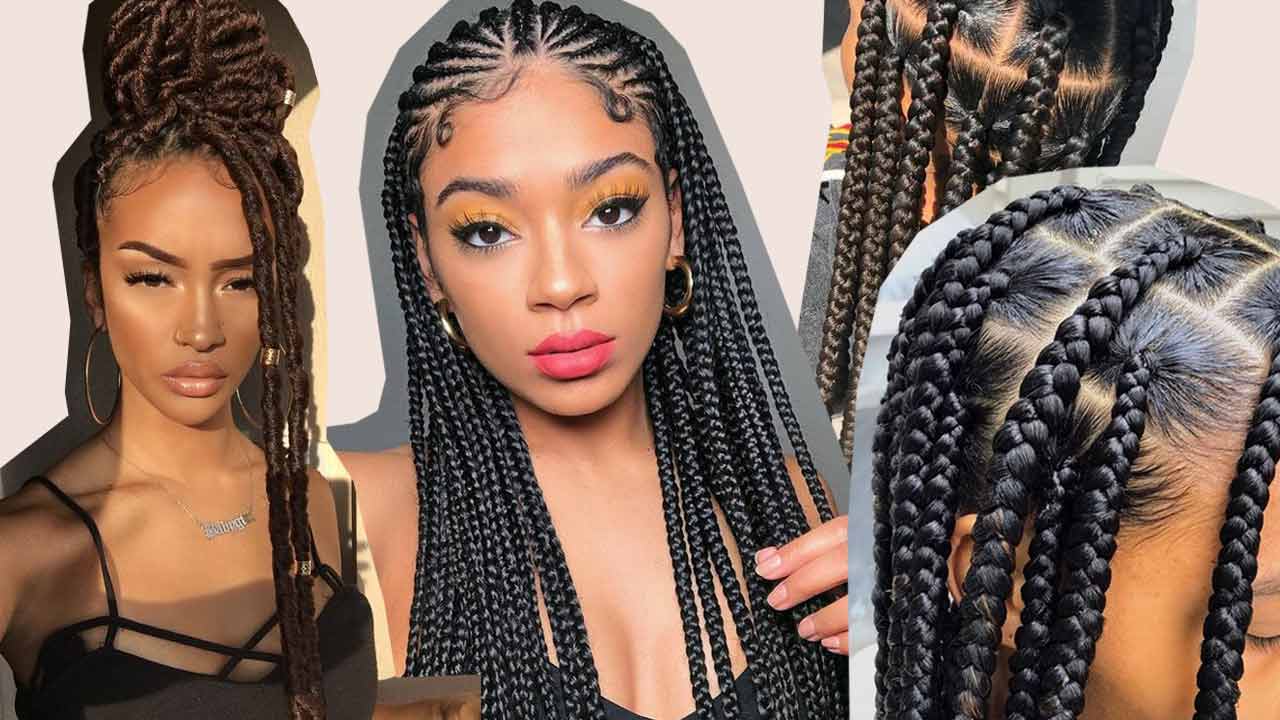
The makeup is perhaps the most recognizable pillar. We’re talking about a “full beat”—high-coverage foundation, sharp-as-a-razor contouring, and the “cut crease” eyeshadow technique. But the pièce de résistance is the brow and the lash. The brows are sculpted, and the lashes are often dramatic, long, and fluffy. This isn’t about “natural beauty” in the traditional, minimalist sense; it is about beauty as performance and artistry.
2. The Hair: A Canvas of Versatility
Hair is where the Black Baddie expresses her ultimate range. One week it’s a bone-straight 30-inch wig, the next it’s a perfectly defined curly “wash-and-go,” and the week after, it’s intricate knotless braids. The common thread? The “edges.” The styling of baby hairs into elaborate, gelled swirls is a signature of Black hair care that the Baddie aesthetic has elevated to a high-fashion requirement.
3. The Silhouette: Reclaiming the Curve
Historically, the fashion industry has marginalized Black bodies. The Black Baddie aesthetic does the opposite—it centers and celebrates the “BBL” (Brazilian Butt Lift) silhouette, regardless of whether it was achieved in the gym or via surgery. High-waisted streetwear, “Y2K” revival pieces, and “second-skin” dresses are designed to emphasize the waist and hips, turning the body itself into a curated part of the outfit.
More Than a Look: The “Baddie” Mindset
If the aesthetic is the “what,” the mindset is the “why.” To be a Black Baddie is to embody unapologetic agency. In a society that has often told Black women they are “too much” (too loud, too aggressive, too flashy), the Baddie leans into the “too muchness.”
It is a culture of self-investment. The time spent on the “maintenance”—the three-hour nail appointments, the lace-front installations, the skin-care routines—is seen as a form of self-love. It’s an assertion that “I am worth the effort I put into myself.” This mindset has fostered a massive “Get Ready With Me” (GRWM) culture on TikTok and Instagram, where Black women share their routines, creating a digital sisterhood centered on the labor of beauty.
The Economic Power of the Black Baddie
The influence of the Black Baddie isn’t just cultural; it’s a massive economic driver. We see this influence in the “Fast Fashion” boom. Brands like Fashion Nova, PrettyLittleThing, and Shein have essentially built their billion-dollar empires by emulating the styles pioneered by Black influencers and “Baddies.”
However, this has also led to a significant conversation about appropriation vs. appreciation. Often, the trends started by Black Baddies (such as hoop earrings, long acrylics, and lip liner) are labeled “ghetto” or “unprofessional” when seen on Black women, only to be rebranded as “clean girl” or “minimalist chic” when adopted by other demographics. The Black Baddie, therefore, stands at the front lines of protecting Black intellectual and creative property in fashion.
The Digital Architect: Influence and Space
Social media allowed Black women to bypass traditional gatekeepers (like magazine editors and modeling agents) to define beauty on their own terms. The Black Baddie is the architect of her own image. Through high-quality photography, strategic lighting, and a mastery of the “algorithm,” she has forced the mainstream to follow her lead.
This has opened doors for a new generation of entrepreneurs. Many Black Baddies have parlayed their following into lash lines, hair companies, and fitness brands. They aren’t just faces of a trend; they are CEOs of their own aesthetics.
The Critique and the Evolution
Like any subculture, the Black Baddie archetype is not without its critiques. Some argue that the pressure to maintain such a high level of physical perfection—and the promotion of expensive cosmetic surgeries—can be exclusionary or harmful.
However, we are seeing a shift. The “Soft Life” movement is beginning to merge with the Baddie aesthetic. We are seeing the “Soft Baddie”—a woman who still has the “beat” and the style, but prioritizes mental health, luxury travel, and rest over the “hustle” and “grind” of the traditional influencer. This evolution shows that the archetype is flexible enough to grow with the women who embody it.
Conclusion: A Legacy of Style
The Black Baddie is a modern icon of resilience and creativity. She has taken the pieces of culture handed down to her—the jewelry from her aunties, the hair techniques from the local braider, the swagger from hip-hop—and woven them into a global phenomenon.
To be a Black Baddie is to be seen. In a world that often tries to render Black women invisible, the Baddie stands tall, heels clicking, lashes fluttering, and edges laid, reminding everyone that she is not just a participant in the culture—she is the culture.