
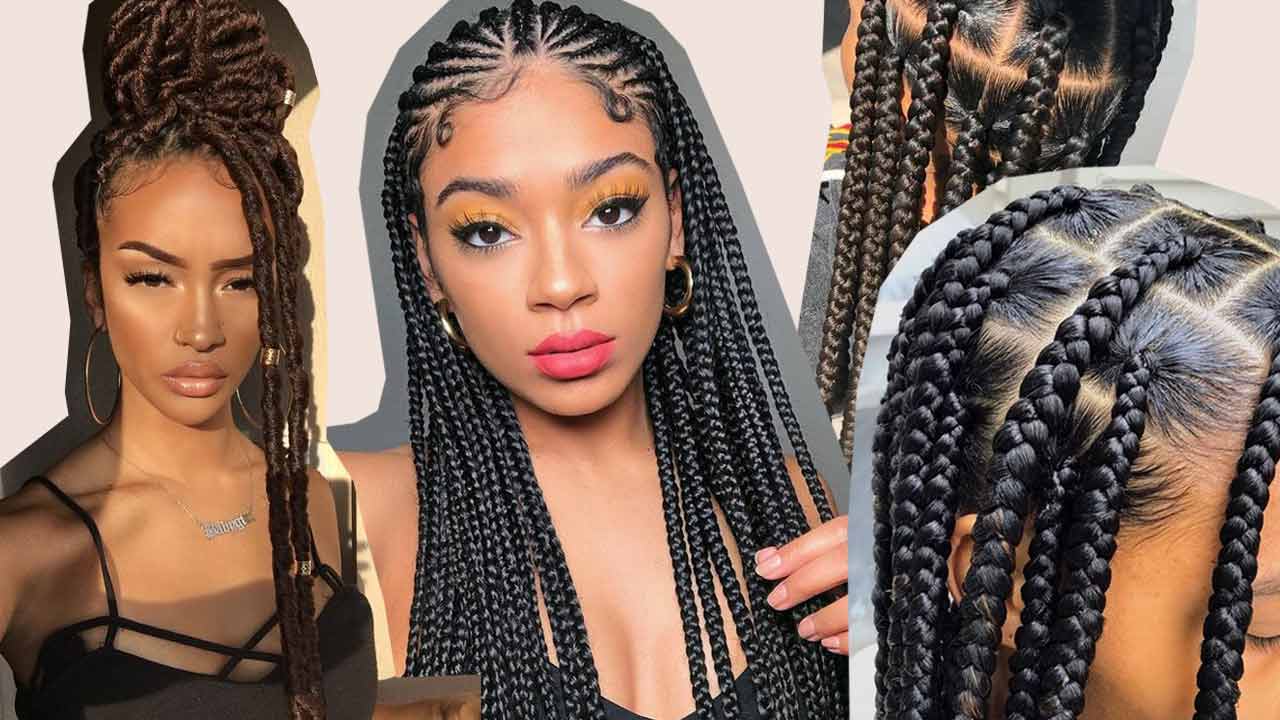
The “Black Baddie” aesthetic, a dominant force in digital fashion and beauty since the 2010s, is often analyzed through its cosmetics, acrylic nails, and bold streetwear silhouettes. But the single most significant and versatile architectural component of this subculture—the canvas upon which the whole identity is built—is the haircut.
While versatility is a pillar of Black hair culture, the Baddie aesthetic has refined this into a strategic performance. A specific haircut doesn’t just define the “vibe” of the moment; it is a tool for expressing agency, navigating spaces, and centering Blackness. This is an exploration of three definitive haircuts that became iconic markers of the Black Baddie, analyzing how each precise cut provides the structure, drama, and definition required for the look.
The Pre-Condition: Laying the Edges
Before we analyze the haircuts themselves, we must address the pre-condition of all Black Baddie hairstyles: the meticulous and deliberate styling of baby hairs, or “edges.” This isn’t a cut per se, but it is a precision architectural requirement.
In the Baddie aesthetic, “laying edges” is an elevated art form. Utilizing heavy-hold gel and a fine-tooth comb, the shortest hairs around the temple and hairline are sculpted into elaborate, swirled, and gelled patterns. This deliberate, wet-look texture is the “signature” that ties every haircut into the Baddie narrative, whether it’s a bone-straight install or a natural taper. It provides the initial point of structural geometry that draws the eye upward and confirms the wearer is a master of “maintenance” (a core Baddie tenet).
Cut 1: The Bone-Straight 30-Inch “Installation”
This is arguably the most dominant visual in the Baddie playbook. While sometimes called a “sew-in” or a “wig install,” from an architectural perspective, this is a high-precision horizontal blunt cut applied to synthetic or human hair extension.
The Anatomy of the Cut:
-
The Length: The initial “cut” here is almost always a measurement, typically 26 to 30 inches, but sometimes cascading to 40 inches. This extreme length creates a definitive, uninterrupted vertical plane that elongates the entire body, providing a foundation for curve-hugging clothing.
-
The Taper: The base of this cut is a thick, solid horizontal line. There is no tapering, texturizing, or visible layering. This blunt, heavy edge ensures the hair looks healthy, expensive, and artificial (a celebrated “post-human” aesthetic in Baddie culture).
-
The Precision: The true cut here happens at the part. Whether it’s a “side part” or a “middle part,” the line must be cut with surgical precision, often utilizing a razor-blade edge to ensure the parting is a razor-thin, dead-straight geometric division that defines the symmetry of the face.
The Cultural Context:
This haircut is about unapologetic luxury and visibility. A 30-inch blunt cut requires significant financial and time investment. It is the definitive look of the “High Baddie” or “Soft Life Baddie,” asserting a lifestyle of curated ease and financial power. It is a direct descendant of the 90s R&B “diva” hair, but updated with 21st-century geometry.
Cut 2: The Intricate “Knotless Braided Bob”
The braided bob is a powerful Baddie alternative, often used during “low maintenance” periods or for vacation wear. However, in the Baddie subculture, this is not a basic utility cut; it is a meticulous exercise in precision-point geometry.
The Anatomy of the Cut:
-
The Bob Base: The foundational shape is a blunt, chin-length or mouth-level bob, designed to frame the face. The ends are often “dipped” in hot water to create a sharp, architectural “bend” or inward curl, preventing a bell-shape and ensuring the geometry is contained.
-
The Braiding Geometry: Each individual knotless braid must be cut at precisely the same length, creating a uniform perimeter. The parting (often in a “starburst” or “box” pattern) provides the internal structure.
-
The ‘Baddie’ Accent: To elevate this from a utility cut, the Baddie often introduces hardware. This might mean incorporating intricate gold or silver hair cuffs, metallic rings, or a single contrasting-colored braid, turning the haircut itself into an accessorized sculpture.
The Cultural Context:
This cut balances utility with a specific brand of street-smart chic. The uniform braids provide low daily maintenance, but the high-precision bob length and accessory integration signal sophisticated styling. This is the haircut of the “Y2K Baddie” or “Streetwear Baddie,” complementing bucket hats, oversized graphic tees, and baggy denim.
Cut 3: The Natural “Tapered Pixie” with Sculpted Volume
While long hair is dominant, the Black Baddie has always embraced short hair, often as a signal of fierce independence or during a natural hair “Big Chop” transition. The definitive short cut for this archetype is the highly defined Tapered Pixie with maximum volume.
The Anatomy of the Cut:
-
The Tapered Nape: The sides and back are tapered tightly to the skull. This is a crucial element that creates a sleek, defined profile, contrasting the volume on top and emphasizing the jawline and neck.
-
The Defined Top: The hair on top is left significantly longer and cut into a rounded, voluminous shape. This is not a “fuzzy” puff; it is a cut that prioritizes curl definition and structure, often achieved with techniques like “finger coils” or “shingling.”
-
The Connection Point: The front sections of the longer top length must blend seamlessly into the tapered sides, creating a dynamic, sweeping movement that “frames” the eye. The “edges” previously discussed are essential here to complete the polished look.
The Cultural Context:
This haircut is a celebration of natural authenticity and confidence. It demands that the wearer’s features stand alone without the “shield” of long hair. It is the defining cut of the “Soft Baddie” or “Woke Baddie,” merging the aesthetics of self-love and natural hair appreciation with high-octane glam.
Conclusion: A Legacy of Definition
The haircuts of the Black Baddie subculture are not random or disposable. They are deliberate, architectural structures that provide the vital symmetry and geometry required to hold the entire look together. From the razor-sharp parting of a 30-inch install to the sculpted curve of a tapered pixie, these cuts prioritize precision, volume, and deliberate definition.
In a world that has often tried to marginalize Black aesthetic expression, the Black Baddie uses specific haircuts as tools of definition and power. Her hair is not just a style; it is a testament to meticulous maintenance, entrepreneurial power (for the stylists and brands involved), and a refusal to be anything other than unapologetically defined. These specific cuts are the masterwork of a visual language, and they will continue to influence global trends by demanding that beauty always begins with a precise, defined structure.