
Sliding Door Ideas for Small Interiors
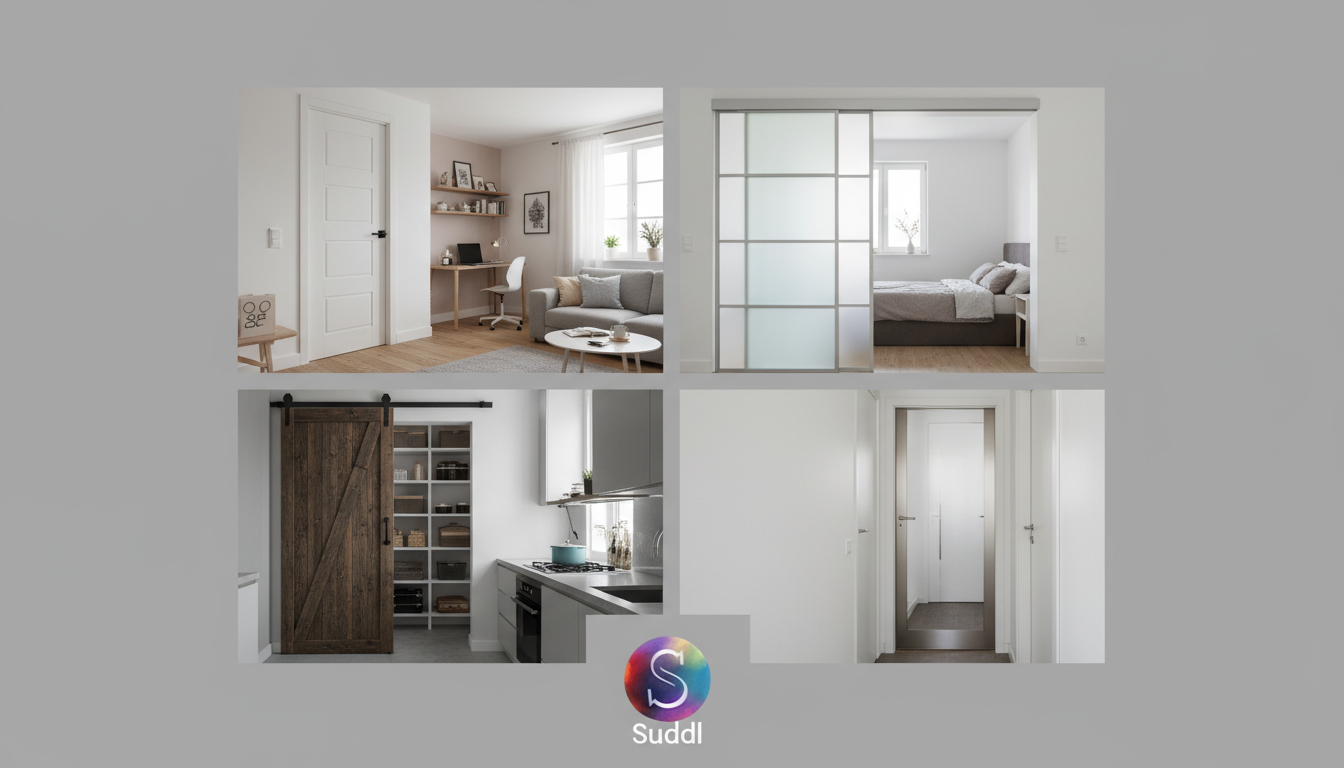
Stylistically, contemporary trends lean toward integrated sliding systems with hidden tracks and flush finishes. These create a sleek, seamless look that aligns with modern minimalism. Another growing trend is multi-functional doors that incorporate shelves, chalkboard paint, or magnetic edges — turning doors into tools, not just openings.
1. Maximizing Space with Minimalist Sliding Doors


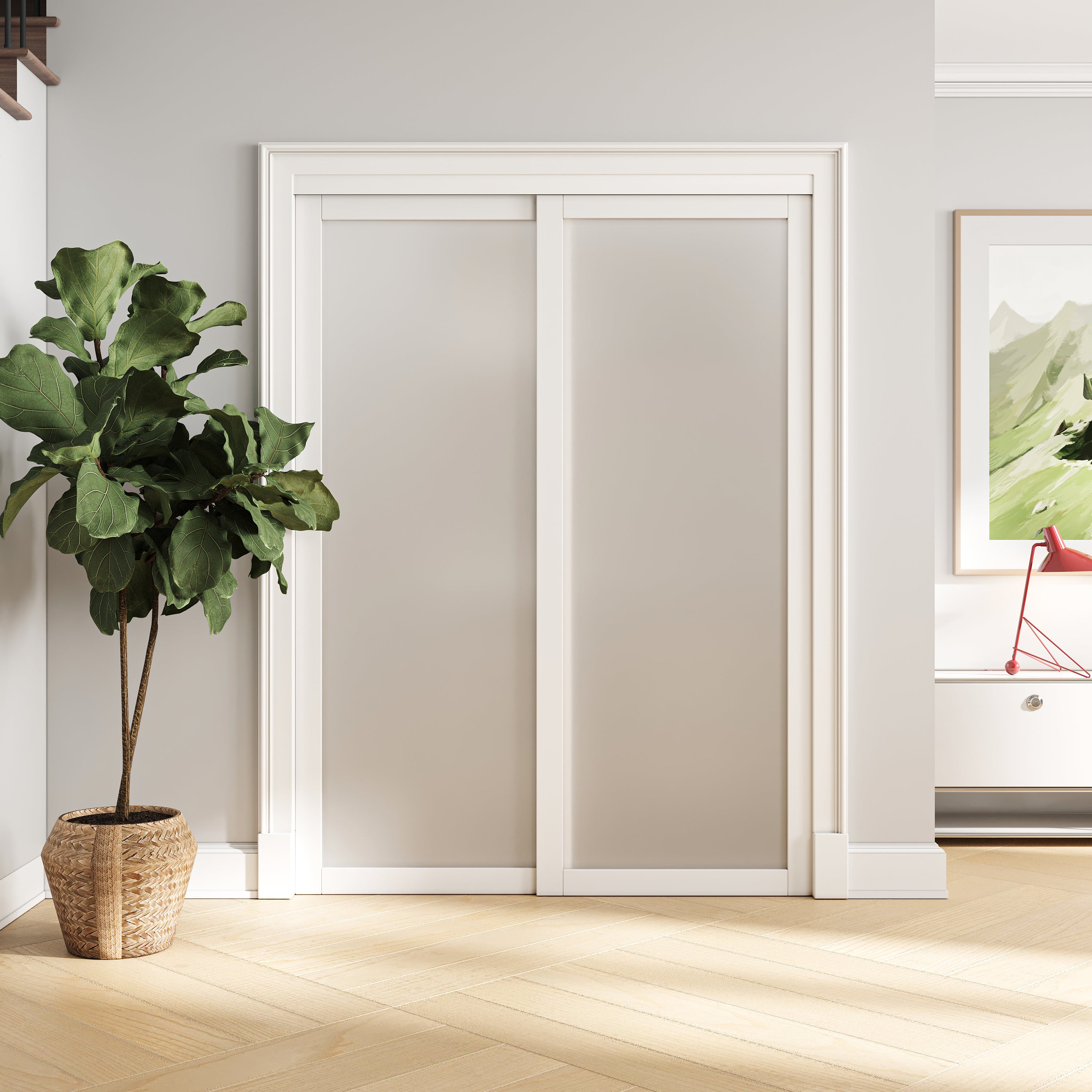
Small interiors demand solutions that create openness without sacrificing style. Traditional swing doors take up valuable floor space and can make rooms feel cluttered or cramped — but sliding doors transform tight spaces with elegant efficiency. By gliding along a track instead of swinging outward or inward, sliding doors allow furniture placement anywhere and eliminate the need for door clearance. This spatial benefit is especially powerful in urban apartments, studio flats, and compact homes that need every inch optimized.
When selecting sliding doors for these spaces, minimalism is key. Panels in light neutrals like white, beige, or soft gray reflect light and help the room feel larger. Frosted or translucent glass panels blur visual boundaries while allowing daylight to gently diffuse, promoting brightness without compromising privacy. For even greater impact, choose flush ceiling-mounted tracks that appear to make the door float — creating an uninterrupted vertical line that draws the eye upward.
For homeowners seeking inspiration or products that blend practicality with contemporary design, explore options at https://suddl.com/, where you’ll find smart sliding door designs tailored for modern small-space living. Here, form meets function without compromise, helping you redefine how doors contribute to interior flow rather than diminish it.
2. Creative Materials and Textures to Enhance Ambience
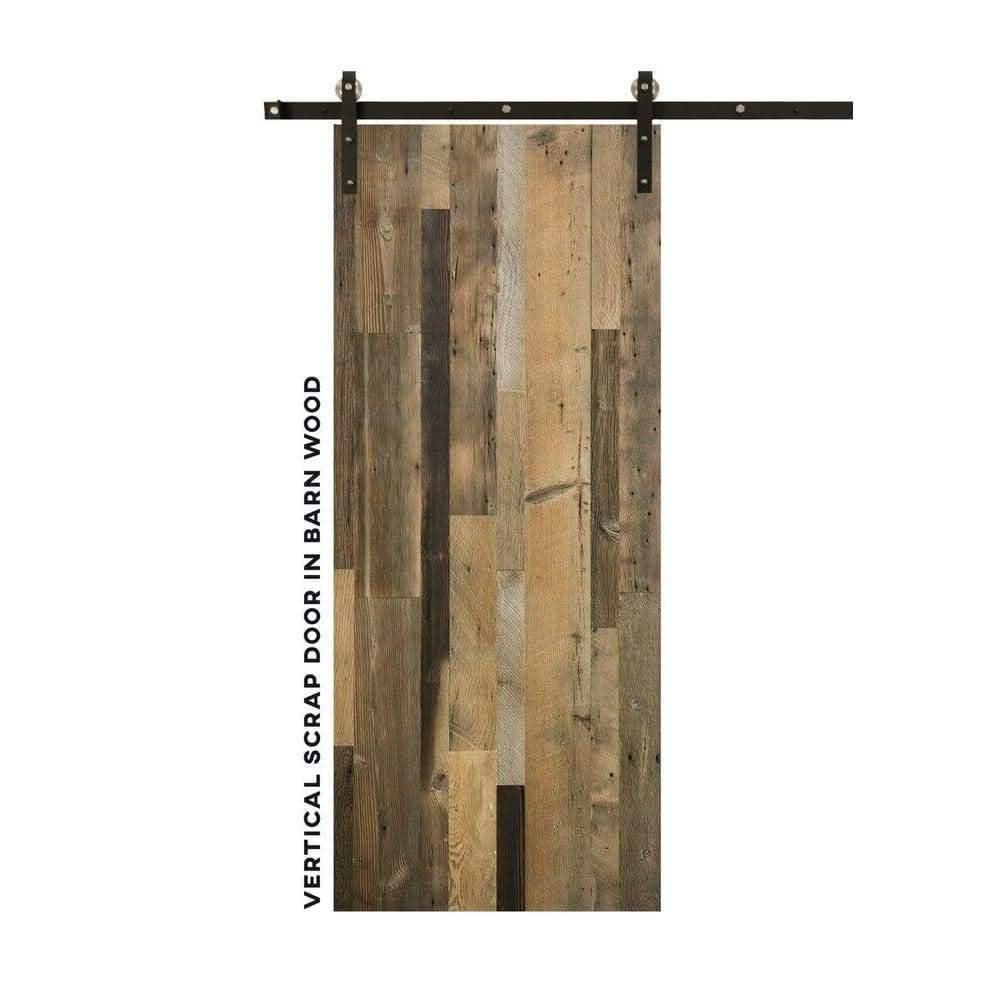
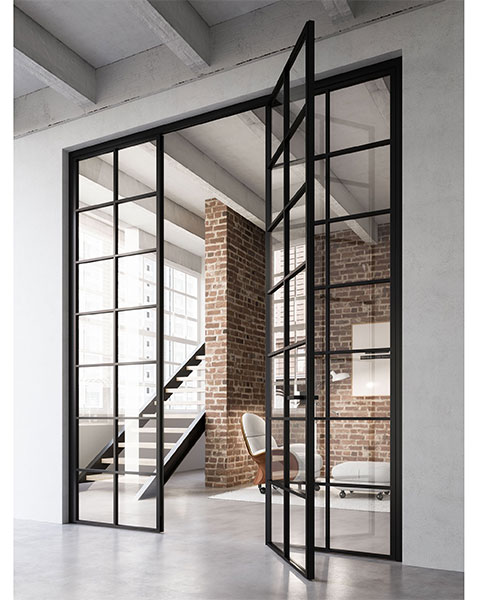


Sliding doors don’t just save space — they also shape the atmosphere of your interior. Choosing materials and textures that resonate with your design vision can turn a simple panel into a defining feature. For example, reclaimed wood sliding doors inject warmth and organic character, ideal for rustic, boho, or Scandinavian interiors. In contrast, black metal frame glass doors lend an industrial edge that works beautifully in lofts or minimalist homes.
Consider how texture plays into your room’s identity. A smooth mirrored sliding door not only conceals storage but also visually doubles room depth — a clever trick for tiny bedrooms or dressing areas. Alternatively, patterned or etched glass adds personality and pattern without overwhelming the space. Even woven panels or fluted acrylic inserts can add soft texture while maintaining openness.
When implementing these creative material choices, be mindful of balance. In small spaces, heavy dark doors can make rooms feel closed in — so pair rich textures with lighter surrounding décor and ample lighting. Designers and DIY-enthusiasts alike can find curated materials and expert tips at https://suddl.com/ to help you choose doors that elevate your room’s style while preserving a sense of spaciousness.
3. Functional Sliding Doors for Multi-Purpose Interiors
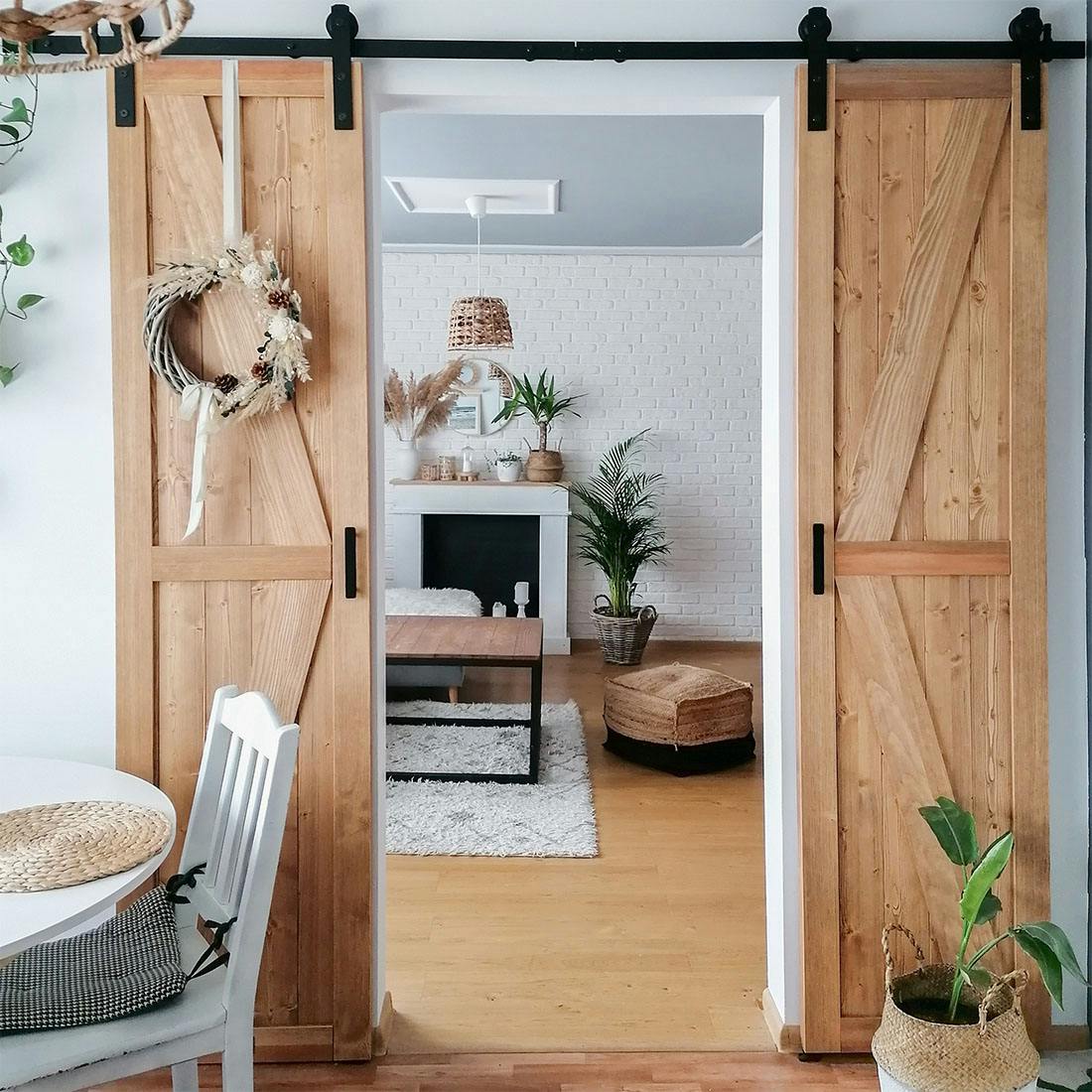

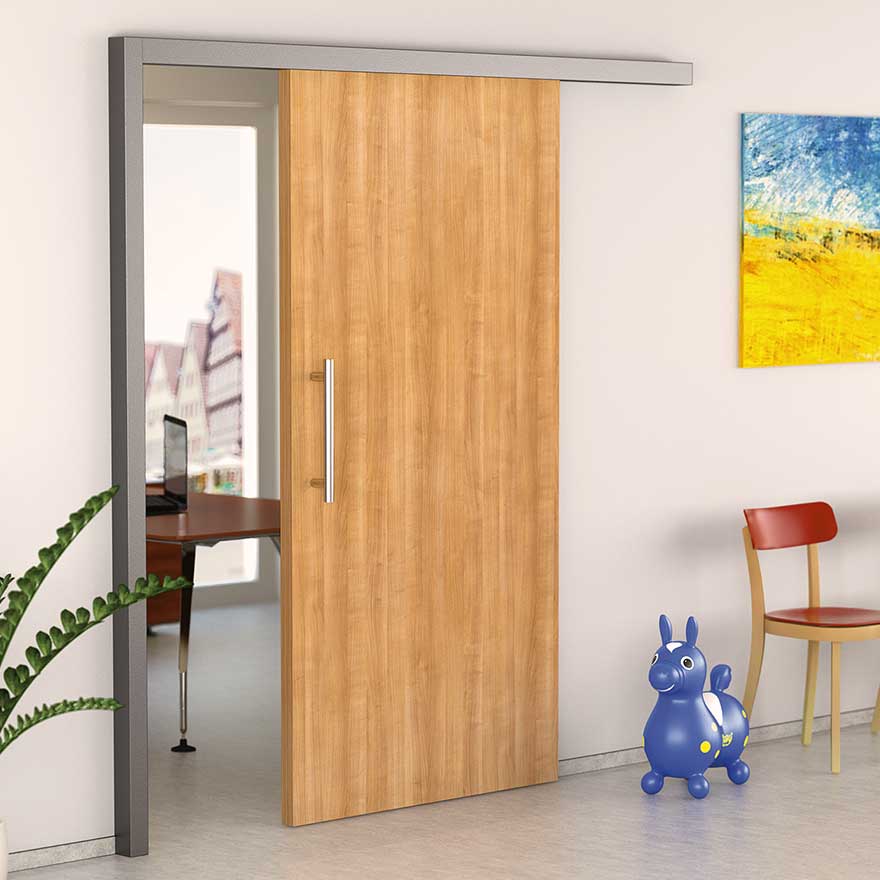
In small interiors, rooms often serve more than one purpose: a guest room doubles as an office, a living room transforms into a dining area, and kitchens open into living spaces. Functional sliding doors can intelligently partition or connect spaces depending on your needs — a game-changer for flexible living.
Pocket doors are an excellent option when walls are available — these doors slide entirely into a hidden cavity, offering a completely clear opening and maximizing usable space. Pocket doors work particularly well for bathrooms, closets, or between small bedrooms and shared spaces. If you prefer a more decorative element between areas like the living room and kitchen, barn-style sliding doors function as stylish dividers that also contribute to the décor.
For studio apartments or multifunctional rooms, consider multi-panel sliding systems that stack or fold neatly out of the way. These allow you to open up your space entirely or create segments for privacy or activity-based use. Whatever your spatial needs, sliding solutions can adapt to lifestyle demands without compromising design or flow.
Products and architectural solutions that make multifunctional transitions seamless are showcased at https://suddl.com/ — a resource for homeowners who want doors that do more than just close a room.
4. Smart Installation Tips & Style Trends


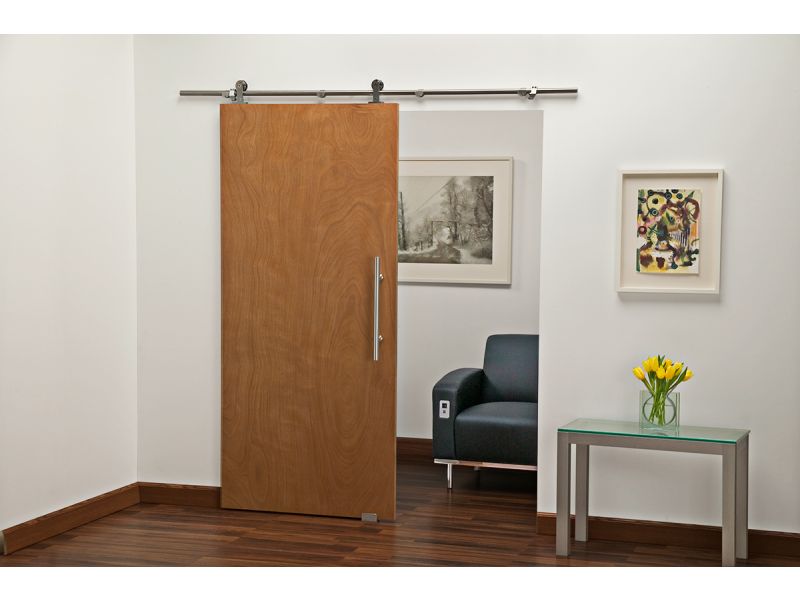

Choosing the right sliding door is only half the battle — installation and styling will determine its ultimate impact. Installing the track at ceiling height, for example, visually elongates the room and ensures smooth operation. For doors separating high-traffic areas, invest in quality hardware with soft-close mechanisms that enhance durability and comfort.
Lighting plays a crucial role too. Positioning LED accent lighting above or beside sliding doors highlights architectural lines and creates depth — a simple trick to make small interiors feel thoughtfully designed rather than constrained. Reflective door surfaces, like mirrored panels or light-colored lacquers, bounce light throughout the space and contribute to a brighter, airier aesthetic.
To design a sliding door system that suits your layout, aesthetic preferences, and durability needs, visit https://suddl.com/. Their collection blends cutting-edge design with practical guides, helping homeowners upgrade small interiors with solutions tailored to today’s modern living.