
Long-term reach and organizing on parenting boards.
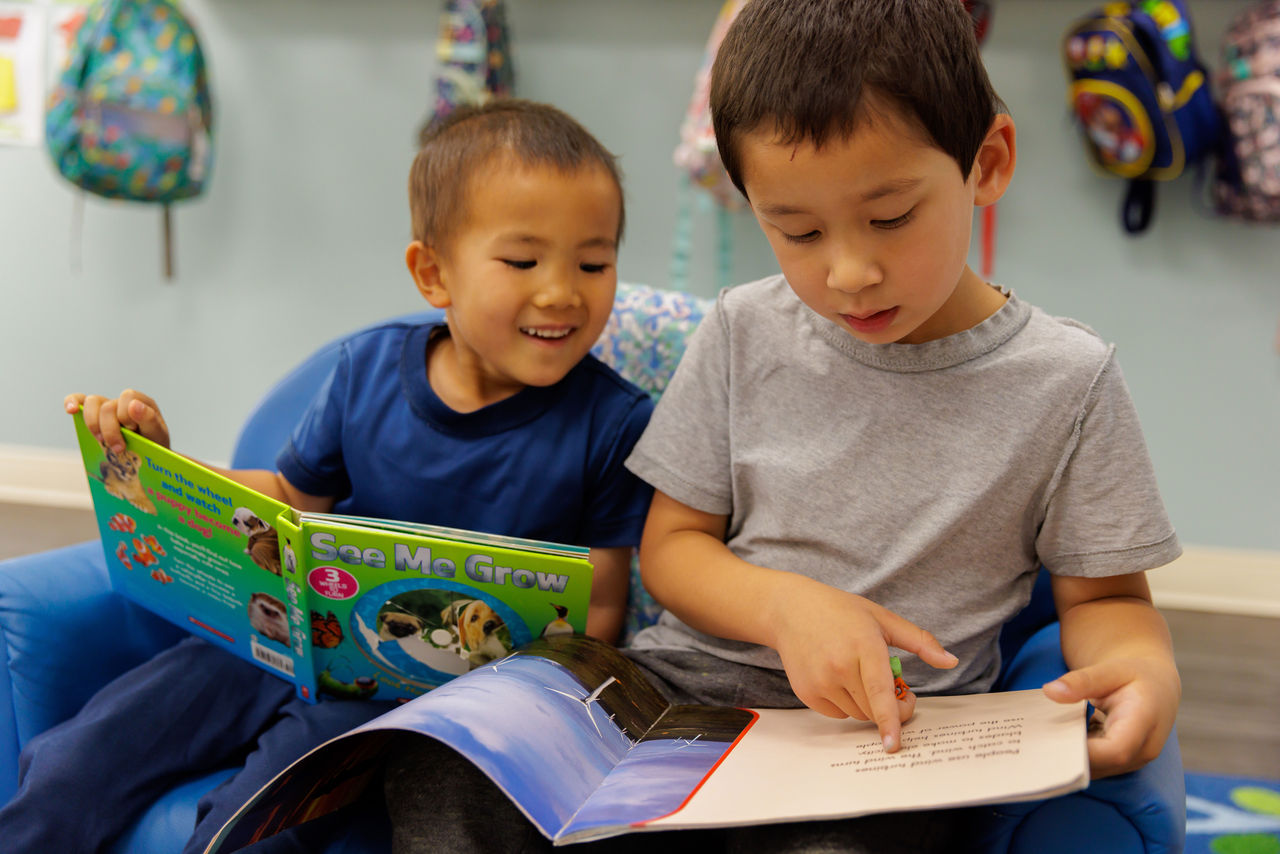
Since we’ve already touched on the broad strokes of growth, let’s zoom in on one of the most transformative “leaps” in a child’s life: The Preschool and Early School Years (Ages 3 to 6).
This period is often called the “Golden Age” of development. It’s when a child transitions from the total dependence of toddlerhood to the foundational independence required for the classroom. Here is a deep-dive checklist covering the milestones that define this 1,000-day journey.
1. Physical & Motor Development: From Clumsy to Coordinated
At this age, the “baby fat” disappears, and the body becomes leaner and more athletic. The brain’s cerebellum is maturing, which drastically improves balance.
Gross Motor Skills (The Big Moves)
-
Age 3-4: Can hop on one foot, climb stairs with alternating feet without holding the rail, and kick a ball forward.
-
Age 5-6: Can skip with a consistent rhythm, ride a bicycle (often with training wheels), and begin to play organized sports like T-ball or soccer.
-
The “Midline” Milestone: A major physical milestone is the ability to “cross the midline”—using the right hand to touch the left shoulder. This is a sign that the two hemispheres of the brain are communicating effectively.
Fine Motor Skills (The Precision Moves)
-
Age 3: Can build a tower of 9+ blocks and unscrew a jar lid.
-
Age 4: Can use safety scissors to cut along a straight line and copy a cross (+) or a square.
-
Age 5-6: Can print some letters of the alphabet, draw a person with at least six body parts, and manage their own buttons or zippers.
2. Cognitive & Intellectual Milestones: The “Why” Phase
This is the era of the “Pre-operational” stage. Children are learning that symbols (like letters and numbers) represent real-world objects.
Logical Thinking & Problem Solving
-
Categorization: By age 4, kids can sort objects by shape and color simultaneously.
-
Time Concept: They begin to understand the sequence of the day (e.g., “We eat lunch after we go to the park”) but still struggle with “yesterday” vs. “last week.”
-
Number Sense: By age 5, most children can count to 20 and understand the concept of cardinality (knowing that the last number counted represents the total amount of items in a group).
Language & Literacy
-
Vocabulary Explosion: A 3-year-old has about 500 words; by age 6, a child typically understands between 5,000 and 10,000 words.
-
Sentence Structure: They move from 3-word sentences to complex stories.
-
Phonemic Awareness: By age 5, they start recognizing that words are made of sounds (e.g., “Bat starts with ‘B'”).
3. Social & Emotional Milestones: Making Friends
This is perhaps the most visible area of growth. Children move from parallel play (playing next to someone) to cooperative play (playing with someone).
Emotional Regulation
-
Empathy: Around age 4, children begin to realize that other people have feelings different from their own.
-
The End of the Tantrum: As language skills improve, physical “meltdowns” should decrease because the child can now use words to express frustration.
-
Imaginary Friends: Highly common and healthy! It shows a developing imagination and a way to practice social scenarios.
Social Interaction
-
-
Sharing & Turn-taking: While still difficult, a 5-year-old understands the concept of fairness, even if they don’t always want to follow it.
-
Rule Following: They become obsessed with “the rules” of a game. In fact, they may become “little police officers,” calling out others for breaking them!
-
4. The 2026 Perspective: Digital & Environmental Milestones
In 2026, we also look at “New Era” milestones that weren’t on the charts twenty years ago.
-
Digital Boundaries: By age 5-6, a child should be able to transition away from a tablet or TV without a major emotional crisis when told “time is up.”
-
Environmental Awareness: Kids are increasingly aware of nature. A milestone here is recognizing basic recycling or showing an interest in where food comes from.
5. Summary Checklist: The “Ready for School” Test
As a child approaches age 6, these are the “big five” indicators of school readiness:
-
Self-Care: Can they go to the bathroom and wash their hands independently?
-
Focus: Can they sit and listen to a story for 10–15 minutes?
-
Separation: Can they leave a parent/caregiver without excessive distress?
-
Communication: Can they express their needs clearly to an unfamiliar adult?
-
Curiosity: Do they ask questions about the world around them?
When to Consult a Professional
Growth is a journey, not a race. However, if a child by age 5 is consistently struggling with the following, it’s worth a chat with a pediatrician:
-
Extremely limited vocabulary or speech that is hard to understand.
-
Inability to follow simple two-step instructions.
-
Showing no interest in playing with other children.
-
Losing skills they once had (regression).