
The Ultimate Guide to Hair Color: Science, Trends & Care (2026)
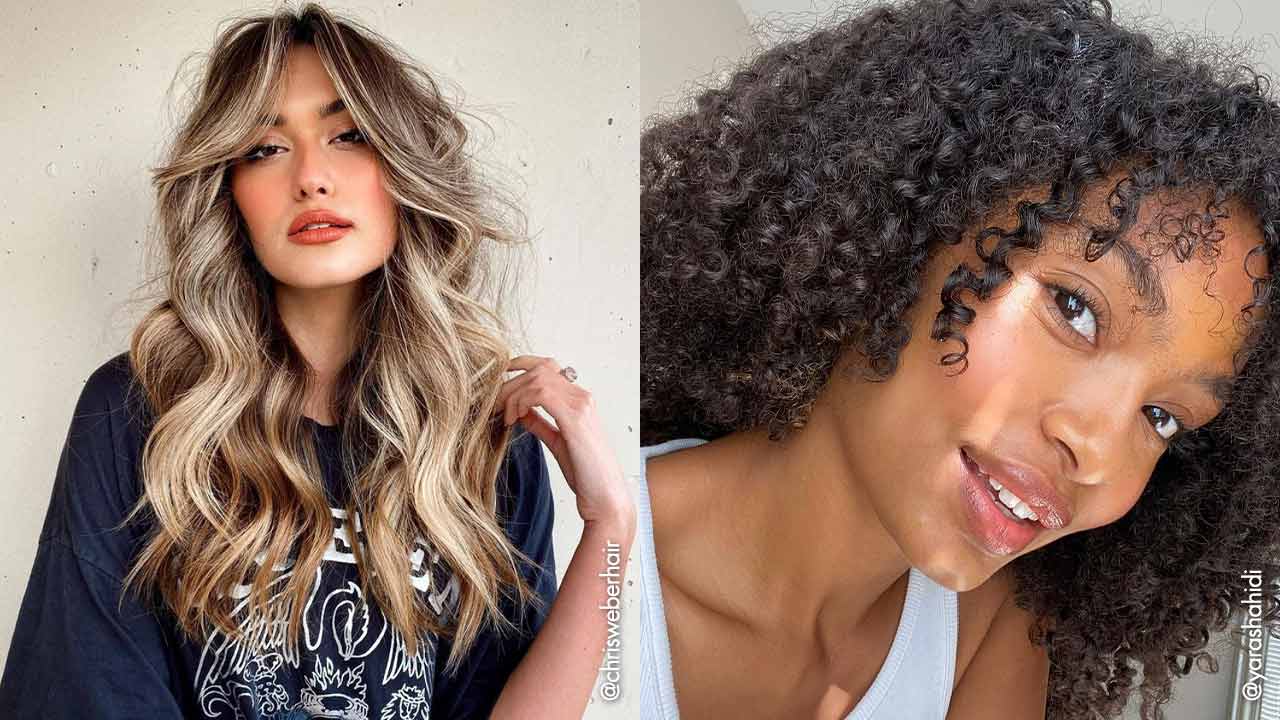
Whether you are looking to cover a few stubborn greys, make a bold fashion statement, or simply enhance your natural hue, hair color is one of the most transformative tools in beauty. However, behind the glossy finish lies a fascinating world of chemistry, biology, and artistry.
Understanding hair color requires looking at how it works, the different types available, and how to maintain the health of your strands in 2026’s landscape of advanced hair care.
1. The Biology: What Gives Hair Its Color?
To understand how artificial dye works, we first have to look at what nature provided. Hair color is determined by a pigment called melanin, produced in the hair follicle. There are two specific types:
-
Eumelanin: Responsible for dark colors (black and brown). The more eumelanin you have, the darker your hair.
-
Pheomelanin: Responsible for red and yellow tones.
As we age, melanin production slows down and eventually stops, resulting in “grey” hair, which is actually hair devoid of pigment.
2. The Chemistry: How Dye Changes Your Hair
Changing your hair color isn’t just “painting” the surface; it involves a chemical reaction within the hair shaft. The hair is composed of three layers: the cuticle (outer protective layer), the cortex (the middle layer containing pigment), and the medulla (the core).
For a color to be permanent, it must penetrate the cuticle to reach the cortex. This is usually achieved using an alkaline agent (like ammonia) to swell the cuticle, followed by a developer (hydrogen peroxide) that decolors the natural melanin and allows the new pigment molecules to bond.
3. Choosing Your Method: The 4 Main Types of Color
Not all hair colors are created equal. The right choice depends on your goals and how much commitment you’re ready for.
| Type | How it Works | Longevity | Best For |
| Temporary | Coats the outside of the hair shaft. | 1–2 Shampoos | Special events or “fun” weekend colors. |
| Semi-Permanent | Stains the cuticle; no ammonia or peroxide. | 4–8 Shampoos | Enhancing shine or blending early greys. |
| Demi-Permanent | Uses a low-volume developer to deposit color. | 12–24 Shampoos | Refreshing faded ends or subtle changes. |
| Permanent | Opens the cuticle to change the cortex. | Until it grows out | Full grey coverage or drastic lightning. |
4. Modern Trends: Techniques for 2026
Hair color technology has moved beyond “one-process” box dyes. Today, the focus is on dimension and low maintenance.
-
Balayage: A French hand-painting technique that creates a graduated, natural-looking highlight. Because there is no harsh “root line,” it requires fewer salon visits.
-
Glossing/Toning: High-shine treatments that neutralize “brassy” (orange/yellow) tones.
-
Bond Builders: In 2026, professional color services almost always include bond-repairing technology (like plex treatments) that protects the hair’s structural integrity during the chemical process.
5. Maintenance: Keeping the Vibrancy
The biggest enemy of hair color is oxidation—the process where UV rays, water, and heat cause color molecules to escape or change. To protect your investment, follow these rules:
-
Sulfate-Free Shampoos: Sulfates are harsh detergents that strip color.
-
Cold Water Rinses: Hot water opens the hair cuticle, letting color wash away. Cold water seals it shut.
-
UV Protection: Just like your skin, your hair needs protection from the sun. Use hats or UV-filtering hair mists.
-
Wait 72 Hours: After a professional color service, wait three days before washing. This allows the cuticle to fully close and “lock in” the pigment.
6. The “Safety First” Approach
Hair dye is a powerful chemical. Always perform a patch test 48 hours before coloring to check for allergic reactions to PPD (paraphenylenediamine), a common ingredient in dark dyes.
Furthermore, if you are going from dark to platinum blonde, remember that it is a journey, not an appointment. Rushing the lightning process can lead to “chemical haircuts” (severe breakage).
Conclusion
Hair color is a brilliant marriage of science and self-expression. Whether you’re leaning into your natural “silver fox” era or experimenting with the “digital lavender” trends of 2026, the key is balance. By understanding the chemistry behind the bottle and prioritizing the health of your scalp and strands, you can achieve a look that is as vibrant as it is healthy.