
The Art of Curating Calm: Why Scandinavian Interior Design Dominates the Home
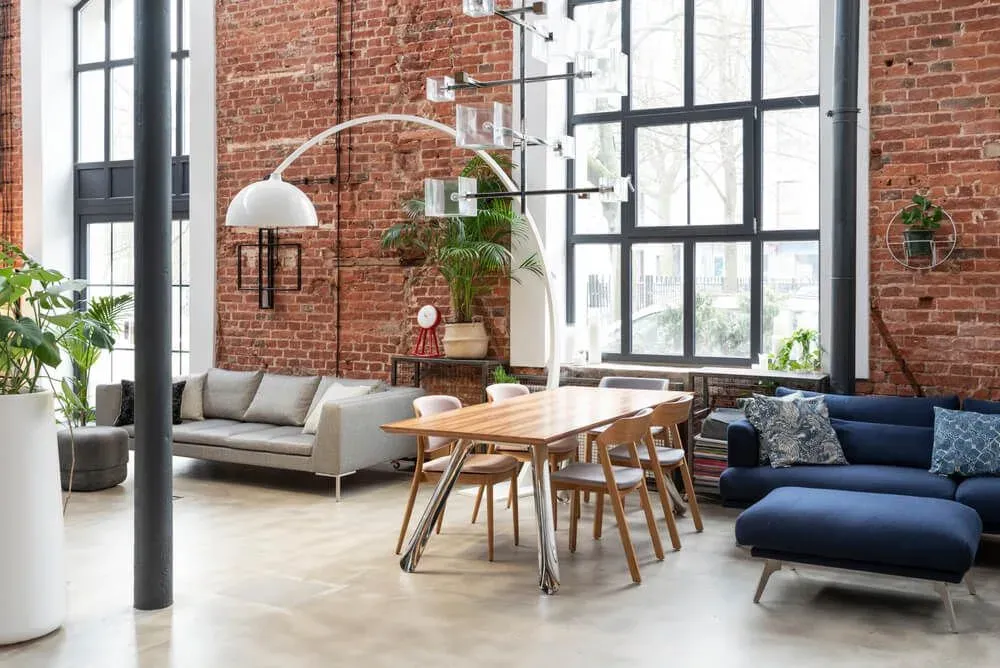
If you have scrolled through Pinterest looking for living room inspiration, you have likely encountered the aesthetic: light-flooded rooms, minimal clutter, natural wood textures, and a cozy throw blanket artfully draped over a simple sofa. This is Scandinavian (or “Scandi”) interior design. It’s not a passing trend; it’s a design philosophy that has dominated the industry for decades, offering a powerful antidote to the chaos of modern life.
Scandinavian design—originating in the five Nordic countries of Denmark, Finland, Iceland, Norway, and Sweden—is defined by a marriage of form, function, and aesthetics. But it is more than just a style; it’s a reflection of a Nordic way of living that prioritizes comfort, sustainability, and human well-being.
In this deep dive, we will explore the key principles that make Scandinavian design so resonant, how to achieve it, and why its core philosophy (especially the concept of hygge) is more relevant than ever.
1. The Core Philosophy: Simplicity, Utility, and Beauty
Scandi design emerged in the early 20th century, flourishing in the 1950s. The harsh, dark Nordic winters played a central role in its evolution. Because people spent so much time indoors, homes had to be practical, bright, and joyous. A fundamental tenet was that beautiful and functional everyday objects should be affordable to all, not just the wealthy.
Unlike the ornate and cluttered Victorian style that preceded it, Scandinavian design focuses on clean lines and democratic utility. Every object must justify its presence. If an item does not serve a function or bring genuine joy, it is removed.
This results in spaces that feel intentional, calm, and free of the visual noise that often clutter contemporary homes.
2. The Practical Pillars: Achieving the Scandi Look
Creating a Scandinavian-inspired home requires balancing several key elements:
A. Maximizing Light (Ambient, Task, and Natural)
Light is the single most important element in Scandi design. In regions that can experience months of near-darkness, capturing every ounce of natural daylight is crucial.
-
Actionable Tip: Keep window treatments minimal or non-existent (think sheer, light linen curtains). Use reflective surfaces like mirrors opposite windows to bounce light around.
-
The “Big Light” Rule: Scandinavian design prioritizes warm, layered lighting over a single harsh overhead fixture. Look for designer floor lamps, sleek table lamps, and wall-mounted sconces that create a “pool” of warm, inviting light (often 2700K to 3000K bulbs).
B. The “Soft” Minimalist Color Palette
The palette is understated, but never cold.
-
The Whites and Creams: The walls are often painted a clean, bright white to maximize light reflection.
-
The Neutrals: Think Soft Linen, Driftwood Beige, Misty Sage, and soft charcoal (Matte Gunmetal).
-
The Contrast: While monochromatic schemes are popular, modern Scandi allows for soft pastel accents or even a sharp contrast, such as a black-framed window or a dark, matte metal light fixture, which adds grounding and sophistication.
C. Celebrating Natural Materials
The connection to nature (or biophilic design) is deep in Nordic culture. Materials must feel organic and touchable.
-
Light Wood: Scandinavian design is famous for light-toned woods like ash, pine, beech, and light reclaimed oak. These are used for flooring, cabinetry, and furniture, adding warmth where colors remain cool.
-
Woven Fibers: Incorporate jute, sisal, or seagrass rugs to add tactile grounding and texture to polished floors.
-
Stone and Leather: Patina-rich, natural materials like soft, aged leather and unpolished stone (such as travertine) are common accents.
D. Functional and Iconic Furniture
The “democratic utility” principle is most visible in furniture design. Pieces must be sturdy and simple. Iconic designers like Alvar Aalto, Arne Jacobsen, and Hans Wegner defined this era with chairs and tables that had clean profiles and ergonomic shapes (like Wegner’s “Wishbone Chair”). The focus is on the craft and quality rather than ornamentation.
3. The Secret Ingredient: Unpacking Hygge (HEU-guh)
You cannot truly achieve Scandinavian design without integrating the uniquely Danish concept of hygge. Often simplified to “coziness,” hygge is actually a psychological atmosphere—a feeling of contentment, connection, and wellbeing.
Design is the catalyst for hygge. A room that is perfectly minimalist but feels cold and clinical is not Scandinavian.
Hygge is found in the physical layers of comfort:
-
Chunky Knits and Bouclé: Layering thick, nubbly, looped yarn (like the kind seen in our mood board in
image_4.pngandimage_6.png) over a simple linen sofa. -
Natural Layers: Using sheepskins or soft wool blankets on wooden chairs to add warmth.
-
Shared Spaces: Designing furniture layouts that encourage conversation and intimate gatherings (like facing armchairs) rather than prioritizing a television.
Hygge is the feeling of permanent coziness that Scandinavian design works so hard to create.
4. Why Scandinavian Design Dominates 2026 (and Beyond)
Why does a century-old design philosophy remain the default for modern elegance?
-
Sustainability: Long before eco-friendly design was mandatory, Scandinavian design was naturally sustainable. Its focus on high-quality, durable materials and timeless aesthetics means furniture is built to last generations, discouraging the “fast furniture” culture.
-
Wellness (Biophilia): Modern life is stressful. By maximizing natural light, reducing clutter, and prioritizing organic materials, Scandi design physically and psychologically lowers stress, fulfilling our intrinsic need to connect with nature.
-
Flexibility: The neutral base and functional focus mean a Scandi space can easily adapt to changing needs. It provides the perfect “blank canvas” for personal artifacts or subtle, evolving trends without requiring a full overhaul.
Conclusion: Curating Your own Calm
Scandinavian interior design is not about strict rules or replicating a catalog. It is about an intentionality of living. It challenges us to look at our environments and ask what is truly necessary and what brings us comfort. By embracing light, natural materials, functional furniture, and the unparalleled coziness of hygge, you can create a home that is not just aesthetically pleasing, but a true sanctuary—a refined and curated space designed purely to help you live well.